
710 Seeds: Cannabis Seeds for Extraction
These cannabis seeds for extraction are picked for growers who make their own hash, rosin or dry sift. I keep this 710 shelf to strains that earn their place on the plant traits that matter at the wash: sticky resin, dense trichome cover on buds and sugar leaves, and flowers that come through the dry with their frost intact. Pick by those traits, not by hype. Each product page lists what the breeder reports for that strain, so you can match the plant to your method.
-
Sale!
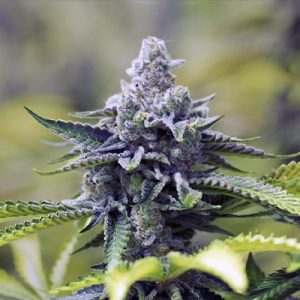 Sativa Female Strain THC Potential Up to 30% CBD Potential Less than 2%
Mimosa Photo Fem
Price range: $5.00 through $500.00 See options This product has multiple variants. The options may be chosen on the product page -
Sale!
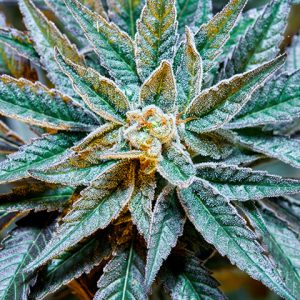 Hybrid Female Strain THC Potential Up to 34% CBD Potential Less than 1%
Gush Mints Photo Fem
Price range: $5.00 through $500.00 See options This product has multiple variants. The options may be chosen on the product page -
Sale!
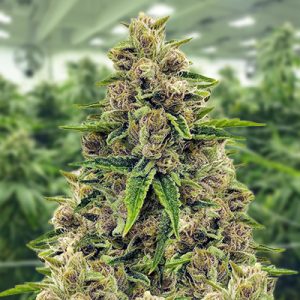 Indica Female Strain THC Potential Up to 30% CBD Potential Less than 2%
Godfather OG Photo Fem
Price range: $5.00 through $500.00 See options This product has multiple variants. The options may be chosen on the product page -
Sale!
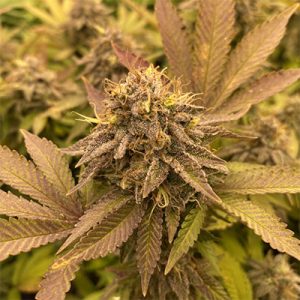 Indica Female Strain THC Potential Up to 33% CBD Potential Less than 2%
Blackberry Moonrocks Photo Fem
Price range: $5.00 through $500.00 See options This product has multiple variants. The options may be chosen on the product page -
Sale!
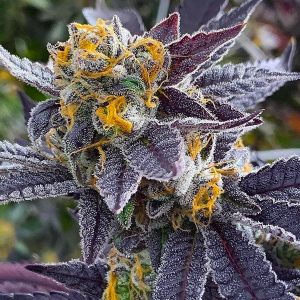 Hybrid Female Strain THC Potential Up to 30% CBD Potential Less than 1%
Tangie Purple Punch Photo Fem
Price range: $5.00 through $500.00 See options This product has multiple variants. The options may be chosen on the product page -
Sale!
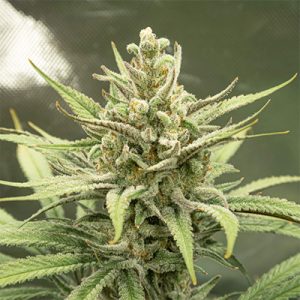 Sativa Female Strain THC Potential Up to 30% CBD Potential Less than 2%
Bruce Banner 2.0 Photo Fem
Price range: $5.00 through $500.00 See options This product has multiple variants. The options may be chosen on the product page -
Sale!
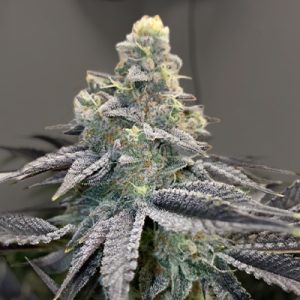 Indica Female Strain THC Potential Up to 30% CBD Potential Less than 2%
Mandarin Cookies Photo Fem
Price range: $5.00 through $500.00 See options This product has multiple variants. The options may be chosen on the product page -
Sale!
 Hybrid Female Strain THC Potential Up to 32% CBD Potential Less than 1%
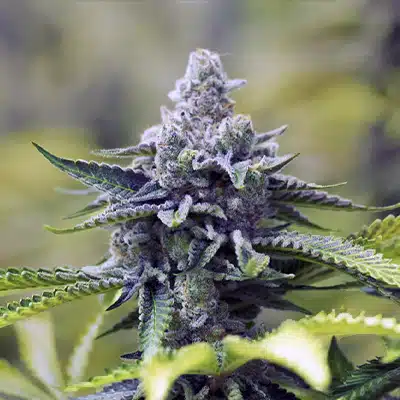
Purple Lemon Zkittlez Photo Fem
Price range: $5.00 through $500.00 See options This product has multiple variants. The options may be chosen on the product page


710 Seeds FAQs
What are 710 seeds?
They are cannabis seeds picked for growers who make their own hash, rosin or dry sift. The 710 name points to the extraction side of cannabis, and I pick every strain here with resin in mind.
What are the best feminized seeds for making concentrates?
No single pick suits every grower. Look for photo fems with dense trichome cover on buds and sugar leaves, resin that feels sticky during trim, and breeder notes on how the strain washes or presses. Then check the flowering window, so the plant fits your room or season.
What are the best autoflower seeds for making concentrates?
I judge an autoflower by the same resin traits as a photo fem. Read the flowering window and plant notes on the product page, then pick the one that fits your space and schedule.
When should I harvest plants grown for hash or rosin?
Watch the trichome heads with a loupe or a scope. NC State Extension and OSU Extension both describe hemp trichomes moving from clear to milky to amber as they mature. Extractors cut at different points along that shift, so learn how your own method responds.
Do White Label and branded packs ship the same way?
No. White Label seeds come in vials with simple labels, one strain per vial. Branded packs arrive in the breeder's own packaging inside a plain envelope.
Which packs come with germination coverage?
Kind Seed Co's germination guarantee covers Weed Seeds Usa White Label packs when you follow the published method and claim rules. Branded packs from other seed banks are not covered. Read the full terms on the germination guarantee page before you start.
What Makes a Strain Good for Extraction?
Extraction starts and ends with trichomes, the small resin glands that coat buds and the sugar leaves tucked around them. When I pick a strain for the wash, I look at the plant before I look at the name. I want frost that runs deep into the bud and down the sugar leaves, not just a dusting on the top cola.
Coverage is only part of it. I also look at the gland heads themselves. Water wash and dry sift both collect the heads, so I lean toward strains that breeders describe as having large heads that come away cleanly. Rosin from flower leans more on resin feel, so at trim time pay attention to how greasy the buds feel on your fingers and on the scissors.
Then comes the dry. A strain can look frosty on the plant and still lose some of that frost if the buds turn brittle. Writing about hemp, OSU Extension notes in its post harvest processing guide that poor control of humidity and temperature during drying can lead to long drying times and lower quality flowers. That's why how a strain handles the dry matters to me as much as how it looks at chop time.
For the basics on gland types, our blog covers checking trichome color before harvest in more depth.
Choosing Cannabis Seeds for Extraction: Hash, Rosin and Dry Sift
Start with the method you use most, then match the plant to it. All three methods begin with the same resin glands, but each one rewards a slightly different set of traits. This table is how I sort strains.
| Trait | Why extractors care | What to check on the product page |
|---|---|---|
| Trichome cover | More resin glands on buds and sugar leaves means more starting material | Words like frosty, resin heavy or trichome rich, plus close photos of the sugar leaves |
| Gland heads | Water wash and dry sift collect the heads | Breeder notes on head size or on how the strain washes |
| Resin feel | Rosin pressers look for sticky, greasy flower | Notes on stickiness or resin texture |
| Flowering time | Sets how long the plant stays in your room or garden | The listed flowering window in weeks |
| Seed type | Photo fem or autoflower changes how you plan the run | The seed type shown on the product page |
Photo fems give you more control over timing. In its visual guide to floral hemp maturation, NC State Extension points out that growers in controlled rooms where daylength can be changed know exactly when flowering starts, while field growers do not. In that work, greenhouse hemp was moved from 16 to 12 hours of light to switch it into flower. Indoors, that control lets you plan the whole run around your wash day.
Autoflowers are sold to flower on their own schedule rather than on a light change, so the listed window matters even more. Some growers go with them for a short season or a tight space. For either type, read the flowering window on the product page and plan backward from your harvest date. Outdoors, the season sets the clock, so pick a window that finishes before your weather turns.
The packs differ too. White Label seeds ship in vials, one strain per vial, with simple labels. Branded packs come in the breeder's own packaging inside a plain envelope. I care more about the plant than the pack, but it helps to know what will land at your door.
Growing for Resin
I think of genetics as the ceiling. Your job late in flower is to keep the plant from falling short of it. That means a steady room, gentle hands and as little contact with the buds as you can manage once the frost builds.
OSU Extension asks hemp growers to choose a trim method that keeps trichome structure intact. That advice is about trimming, but I'd carry the same idea through the last weeks of flower. Resin heads are fragile, so keep sleeves, trellis netting and tools away from the colas and move plants as little as possible.
A stable room counts as much as gentle hands. Big swings in heat and humidity late in flower make the room harder to manage at harvest and during the dry. For ways to encourage more frost before the chop, see our post on getting more trichomes before harvest.
Harvest Timing for Extraction
Many growers time harvest by trichome color. NC State Extension, writing about hemp harvest timing, describes trichomes starting clear, turning an opaque white as they mature and then moving to amber. It adds that you will need some magnification to see the change. OSU Extension reports the same clear to milky to amber shift in hemp and says it can point to a harvest time that fits how the crop will be used.
NC State also observes that the trichomes on one plant do not all mature at once, so you are reading a mix, not waiting for a single color. Its visual guide calls color based timing rather vague and notes that seed companies and breeders increasingly recommend timing harvest by weeks after flowering begins. Use both. The listed flowering window tells you when to start looking, and the heads tell you when to cut.
Extractors don't all cut at the same point. The right call depends on your method and what you're after. I'd rather you learn to read the heads on your own plants than chase a single number. For the wider set of harvest signs, our guide on judging when a plant is ready to harvest walks through them.
After the Chop: Handling Buds for the Wash
All the work you put into resin can come undone in one afternoon of rough handling. OSU Extension describes hemp trimming as removing fan leaves, roots and stems, which leaves the buds and their sugar leaves. It leaves the choice between wet and dry trimming to the grower. For extraction, those sugar leaves are worth keeping, so set them aside instead of tossing them.
Drying conditions count here too. NC State reports that hemp growers have dried successfully in buildings with steady airflow and humidity held at 60% or less, and warns that dried material must stay dry or it can take on moisture and mold. OSU suggests a ventilated room at 18 to 21°C with 50 to 55% relative humidity for slow drying hemp.
Turning that material into hash is a whole topic of its own. For the process, see how home growers make hash, which walks through the solventless methods step by step.