Is Your Marijuana Ready for Harvest?
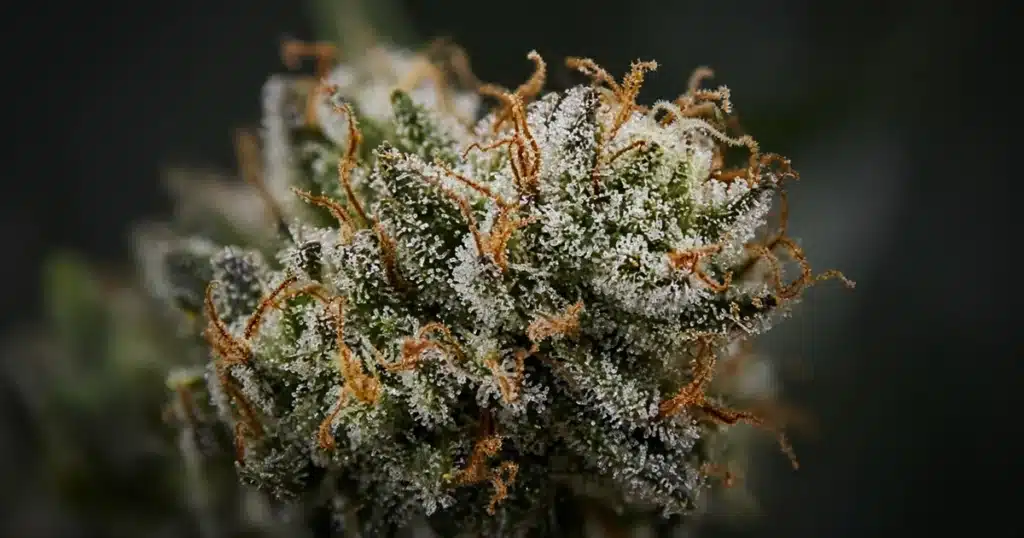
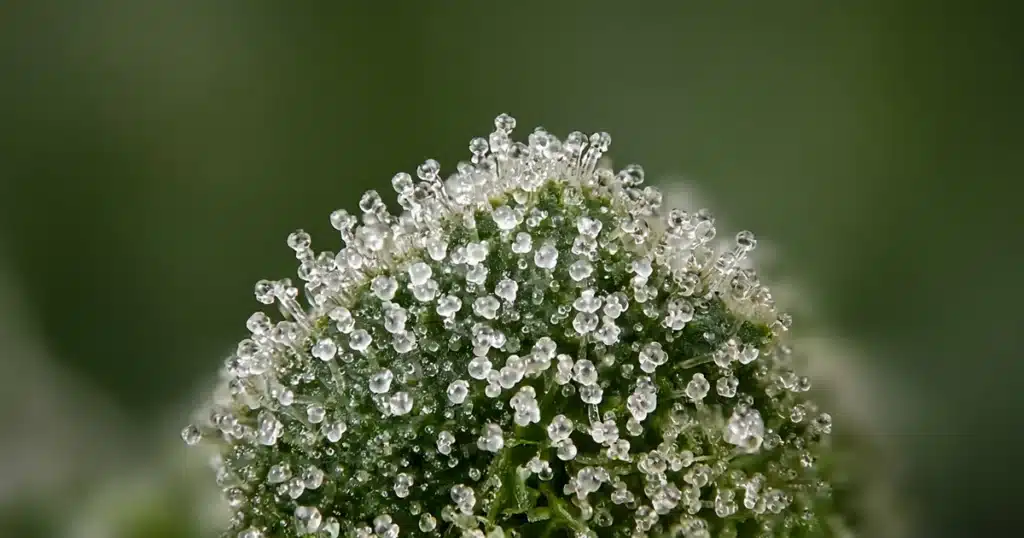
Is your cannabis ready to harvest? Check the trichomes, the tiny resin heads on the buds. Per NC State Extension, they start clear, go opaque milky white while maturing and later turn amber. NC State gives 20 to 30% amber as a loose guide from a single season of field work on its own research crop, not a fixed rule.
Kind Seed Co prefers checks you can repeat, so the steps below show how to run them, how to read them and which sign wins when they disagree. For what happens in the run up to the chop, see late flowering in cannabis. For more on the hairs that change color as flowers ripen, read about how cannabis pistils change.
Why the Calendar Alone Falls Short
A flowering window printed on a seed pack is an estimate, not a deadline. NC State says research on harvest timing is still limited and points to trichome colour, checked alongside regular lab testing, as its preferred cue.
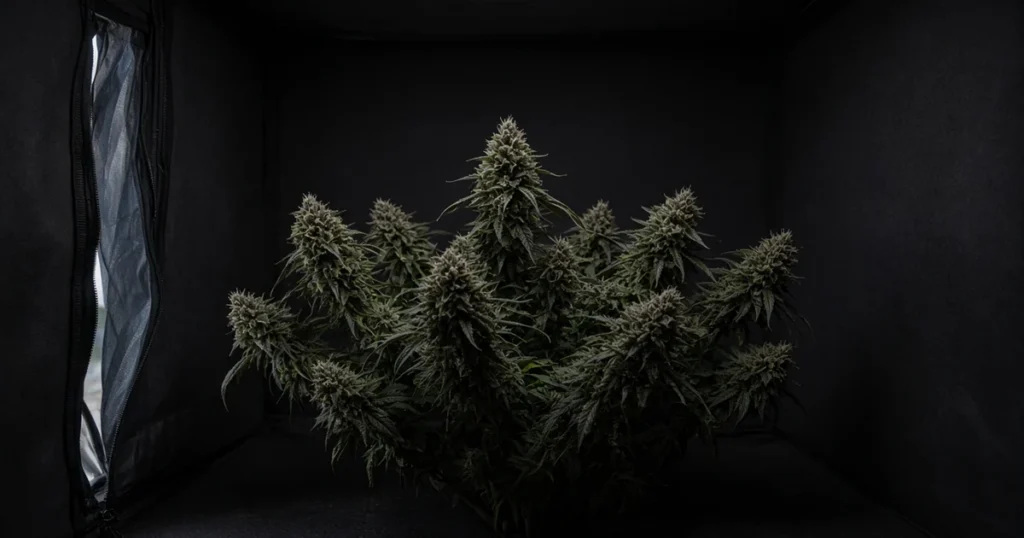
The window still helps. It tells you when to start looking. But plants differ, and the room, the light schedule and the feed all shift how fast a crop matures. Use the window to plan and the buds to decide. Outdoors the season narrows the window as well, which our page on when to harvest outdoor cannabis covers month by month.
Keep a simple log from the first week of flowering. Note the date, the colour mix you see on two or three marked buds and any change in the room. Over a few weeks the log shows the mix moving, so the trend is clear instead of a guess from one look.
| Log column | What to write |
|---|---|
| Date | Day of the check |
| Bud checked | Top, middle or lower, and which branch |
| Clear, milky, amber | Rough share of each you see |
| Room notes | Humidity, any spots or smells |
Visual Signs of Maturity
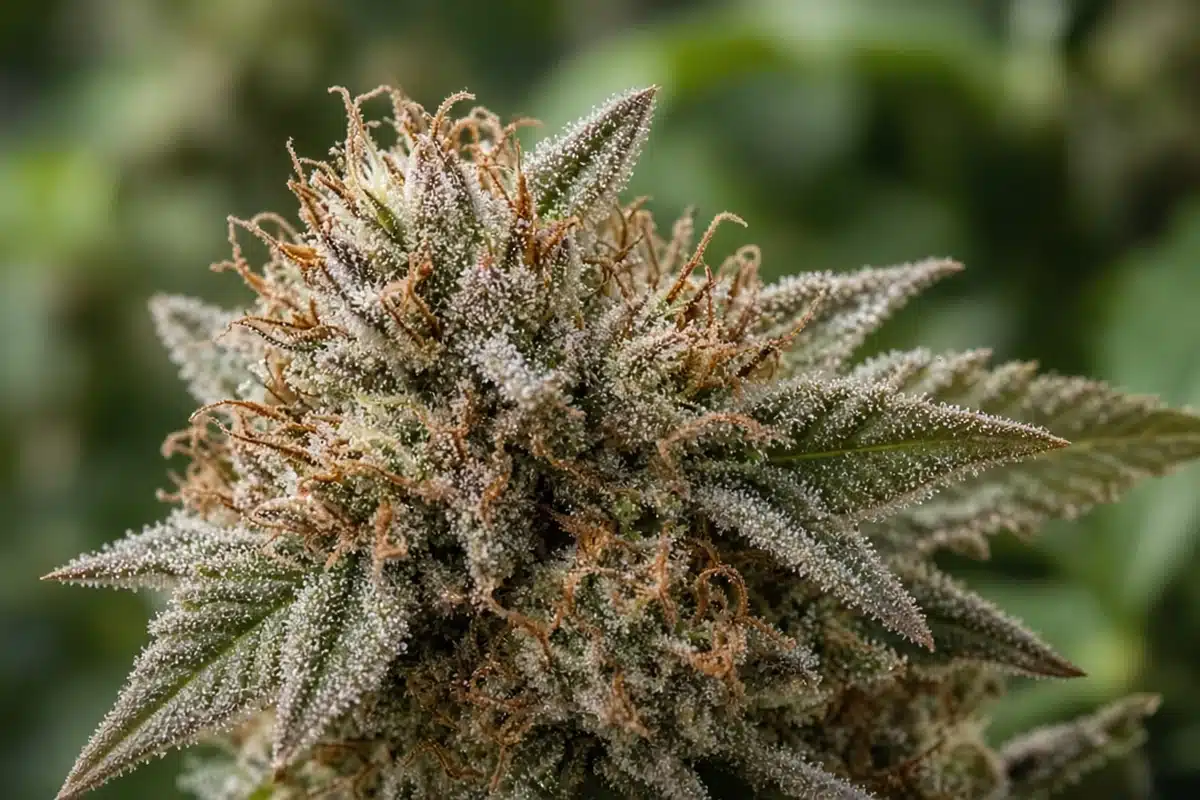
Trichome colour is the sourced sign. In NC State’s account the order runs clear, then opaque white, then amber.
| Trichome colour | What NC State describes |
|---|---|
| Clear | Early stage, before maturing |
| Opaque milky white | Maturing |
| Amber | Later stage, after white |
NC State also reports that a plant’s resin heads ripen unevenly. If they all changed together, it says, harvesting once they turned white would probably work. Because they do not, it suggests waiting until 20 to 30% have turned amber, a loose guide from one season on its research crop rather than a fixed rule.
USU Extension says resin heads are densest on female flowers that were never pollinated. So inspect the buds, not the leaves around them.
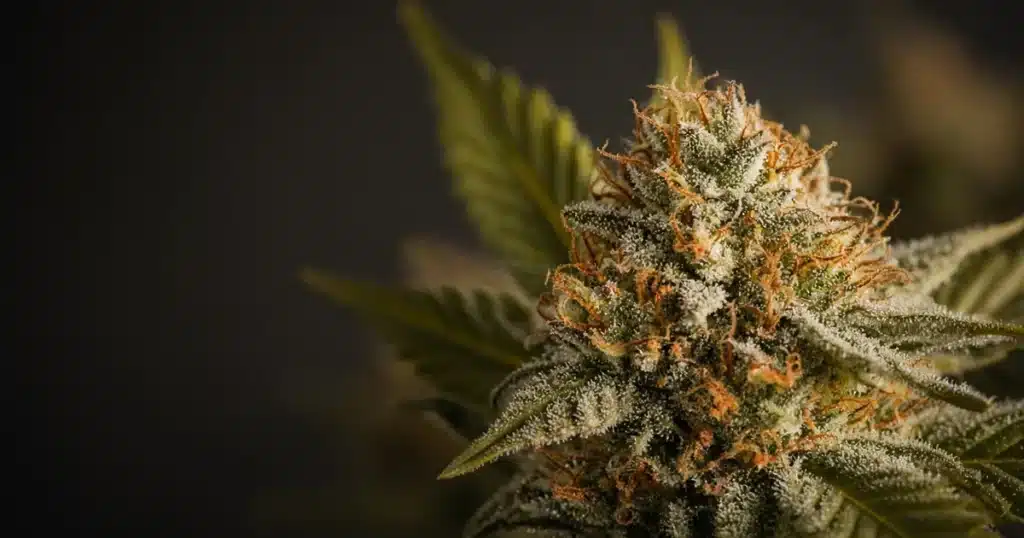
Many growers also watch the pistils, the fine hairs on each flower, as they darken and curl in. No Extension source here ties pistil colour to ripeness, so let them prompt the trichome checks rather than make the final call.
Reading the Colour Mix
Count a small patch rather than the whole bud. Pick ten or so heads in one spot and note how many look clear, milky or amber.
Repeat that on a top bud and a lower bud and compare. If most heads are still clear, the plant needs more time. Mostly milky heads with a few amber ones put you near the NC State field estimate. Write the numbers in your log so the next check has something to compare against. Keep the room steady during these last weeks so a shift in the mix is easier to read.
Using a Magnifying Glass or Microscope
You need magnification to judge trichomes. NC State notes the colour change is hard to see clearly without it.
A jeweller’s loupe or a small clip on phone lens is enough in a home grow. Hold the bud still, light it from the side and focus on a few heads at a time. Look at the bud surface, since USU says that is where trichomes are densest. To learn more about the glands themselves, read our cannabis trichomes guide.
How to Check If Your Plant Is Ready
Use the same routine every time so your notes compare. These steps keep the decision on the buds, not the calendar.
- Note the flowering window. Write down the range listed for your strain and the date flowering began.
- Watch the pistils. When most have darkened and curled, start the trichome checks.
- Check trichomes on buds, not leaves. Use a loupe and look at the bud surface, where USU says they are densest.
- Sample several buds. Check tops and lower buds on more than one branch, since NC State says trichomes do not mature all at once.
- Recheck every few days. Note the share of clear, milky and amber heads each time.
- Plan drying space before you cut. Per NC State, drying worked with moving air and humidity at 60% or less.
Troubleshooting
When the signs disagree, trust the trichomes and keep checking. These are the cases growers hit most often.
Pistils have turned but trichomes are still clear. Wait. NC State places clear heads before maturing, and pistils are only a prompt.
Top buds look ripe before lower buds. Lower buds often get less light. Check each zone separately and log the difference before you decide. Some growers take the top first and give the rest more time.
Mold appears near harvest. NC State Extension’s Gardener Handbook lists powdery mildew among visible pathogen signs. Remove the spot carefully, check nearby buds and look at room humidity.
Trichomes are hard to see. Use stronger magnification and bright, even light. Check a bud tip, where the heads stand out, and steady the lens against your hand.
The plant is past its listed window. The window is an estimate. Keep checking trichomes until the colour mix matches your plan.
After the Harvest
Drying comes next, and it needs planning before the cut. NC State reports growers drying successfully in buildings with steady air movement and humidity held at 60% or less.
It adds that buds must stay dry after drying or they can take on moisture and mold. Trimming can happen before or after drying.
Sources
- NC State Extension (harvest timing and drying page): https://hemp.ces.ncsu.edu/hemp-harvest-timing-and-drying/
- Utah State University Extension, Ten Frequently Asked Questions About Growing Cannabis: https://extension.usu.edu/crops/research/ten-frequently-asked-questions-about-growing-cannabis
- NC State Extension Gardener Handbook, Chapter 7 Diagnostics: https://content.ces.ncsu.edu/extension-gardener-handbook/7-diagnostics
FAQ
Which harvest cues beat the calendar alone?
Trichome colour. NC State Extension reports trichomes moving from clear to opaque milky white and on to amber over the final stage. The flowering window on a seed pack only tells you when to start looking. Check the buds with a loupe every few days and decide from what you see.
Chopping too early: what do you risk missing?
You risk cutting before the flowers finish developing. In NC State's account, clear heads come before maturing, so a plant with mostly clear heads has not reached its later stages. Waiting until the mix shifts toward milky white and some amber gives the buds time to fill out.
Why does waiting too long change the finish?
Trichomes keep changing colour after they turn white. NC State places amber after milky white, and its loose guide, from one season on its research crop, was to harvest at 20 to 30% amber. Waiting far past that changes the colour mix and can leave buds in the room longer as mold risk rises.
What simple checks show when cannabis is ready to harvest?
Use a loupe on the buds, not the leaves, since USU Extension says resin heads are densest on female flowers that were never pollinated. Check tops and lower buds, note the share of clear, milky and amber heads, and recheck every few days. Plan your drying space before you cut.
How do you know when cannabis is ready to harvest?
Watch for the trichome colour change. NC State Extension lists the order as clear, then opaque milky white, then amber, and its loose guide from one season on its research crop was 20 to 30% amber. Use pistils as a prompt to start checking and let the trichomes make the call.