
Bedtime Cannabis: Everything You Need to Know
Are you struggling to get a good night’s sleep? Many people have turned to cannabis as a natural sleep aid, but one must understand how to use it effectively and safely. There are things you should know about using cannabis for bedtime, including the best strains, consumption methods, and legal considerations. Whether you’re a seasoned home grower or new to the world of cannabis, this information will provide you with the information you need to make informed decisions about using cannabis to help with sleep.
Understanding Cannabinoids and Terpenes for Sleep
Cannabinoids and terpenes are the compounds that give cannabis its diverse range of effects, including relaxation and sleepiness.
The Sleep-Inducing Properties of CBD
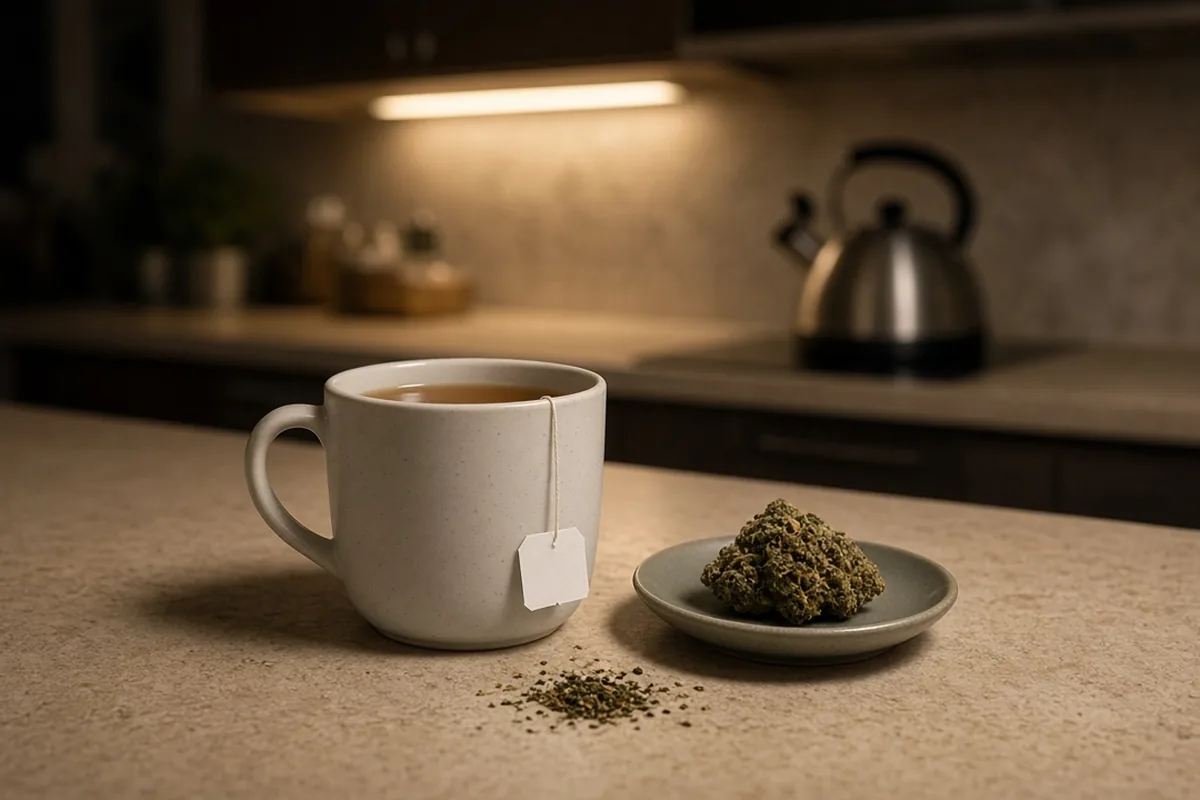
CBD, or cannabidiol, is one of the most widely recognized cannabinoids in cannabis. Unlike its psychoactive counterpart, THC, CBD doesn’t produce a high. CBD is being studied for its possible role in sleep and in anxiety, a common reason people sleep poorly. It also increases the overall amount of sleep, which is essential for those suffering from wakefulness during the night.
THC and its Impact on Sleep Patterns
THC, or tetrahydrocannabinol, is another important cannabinoid when it comes to sleep. This compound has a more direct impact on sleep patterns as it can induce sleep. A high-THC strain of cannabis might be just what you need to fall asleep faster, particularly on restless nights. While THC can help you fall asleep, it may reduce the quality of your REM sleep, the stage of sleep where dreaming occurs. More research will allow us to fully grasp the long-term effects of THC on sleep.
Terpenes That Promote Relaxation and Sleep
Terpenes are aromatic compounds found in cannabis and many other plants. They provide each strain of cannabis with its unique scent and flavor and each has its own character. Some terpenes, like Myrcene and Linalool, are known for their sedating effects and can enhance the sleep-promoting properties of cannabis. When choosing a cannabis strain to help with sleep, consider both the cannabinoid and terpene profiles to ensure maximum effectiveness.
Choosing the Right Cannabis Strains for Sleep
Selecting the right strain of cannabis for sleep can significantly impact your experience.
Indica vs. Sativa: Which Is Better for Sleep?
Cannabis comes in many varieties, but it primarily falls into two categories: Indica and Sativa. Indica strains are generally associated with relaxation for nighttime use. They are known for their physically sedating effects, making them a popular choice for people looking to use cannabis to help with sleep. On the other hand, Sativa strains are typically more energizing and for daytime use.
Specific Strains Known for Sleep Aid
Certain cannabis strains are well-regarded for their sleep-enhancing properties. Strains high in CBD like Cannatonic, ACDC, and Harlequin are popular with people who want a calmer evening. Strains high in THC, such as Granddaddy Purple, God’s Gift, and Northern Lights, have sedative effects that can help you fall asleep faster.
Methods of Consuming Cannabis for Sleep
Different consumption methods can affect how quickly you feel the effects of cannabis and how long they last.
Smoking and Vaping
Inhaling cannabis through smoking or vaping allows the cannabinoids to enter your bloodstream quickly, so you feel the effects sooner. This can be beneficial if you find it challenging to fall asleep. Smoking involves burning the cannabis flower and inhaling the smoke, while vaping uses heat to vaporize the cannabinoids and terpenes, which you then inhale. While both methods are effective, keep in mind that smoking may pose some respiratory health risks.
Edibles and Tinctures
If you’re looking for a smoke-free option, or you want the effects of cannabis to help with sleep to last longer, consider edibles or tinctures. Edibles are food products infused with cannabis, such as gummies or chocolates. They typically take longer to kick in, but the effects can last for several hours. Tinctures are liquid extracts that you can place under your tongue for rapid absorption or add to drinks. They are a discreet option.
Topical Applications for Sleep Support
Another method to consider is topical applications, which include creams, lotions, and oils. While topicals may not induce the same systemic effects as other methods, some people use them as part of a relaxing bedtime routine. For example, a CBD-infused lotion could help relax tense muscles before bed, making it easier for you to drift off to sleep.
Responsible Cannabis Use
Cannabis is not an approved sleep treatment. Regular use can lead to tolerance, and some people feel groggy the next day. Talk to a healthcare provider about ongoing sleep problems.
Using cannabis for sleep is a personal choice that can offer benefits for some. The key is finding what works best for you, whether it’s CBD or THC, Indica or Sativa. Approach using cannabis for sleep with knowledge and responsibility. Talk with a healthcare provider about ongoing sleep problems.
Related reading: Why Eating Cannabis Is Stronger Than Smoking It, The Right Dosage When Eating Edibles, Indica vs Sativa Plants: Structure, Growing Differences & the Upper/Downer Myth and Couch Lock: What Consumers Mean by the Term.
FAQ
Does bedtime cannabis work the same for everyone?
No. Strain, potency, and how you consume it all change the night.
Edibles or flower before bed?
Edibles last longer but start slower. Flower or a vaporizer hits faster and may fade sooner.
What should I watch for if I use cannabis at night?
Next-day grogginess, couch-lock, and stacking with alcohol or other sedatives.
Do indica labels guarantee sleep?
No. Indica/sativa labels are rough guides. Terpenes, potency, and your own response matter more than the shelf name.


