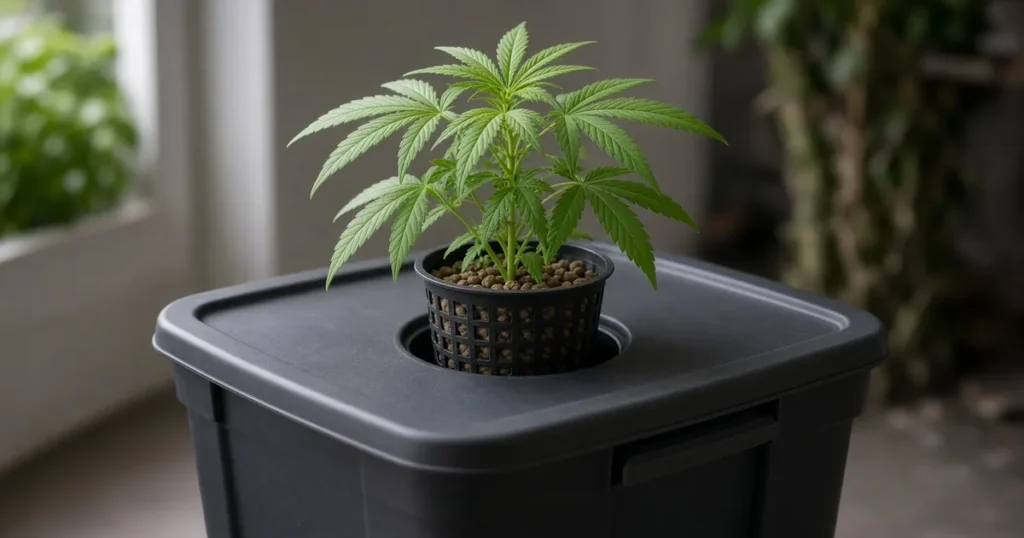
Water chiller guide for cannabis hydro reservoirs
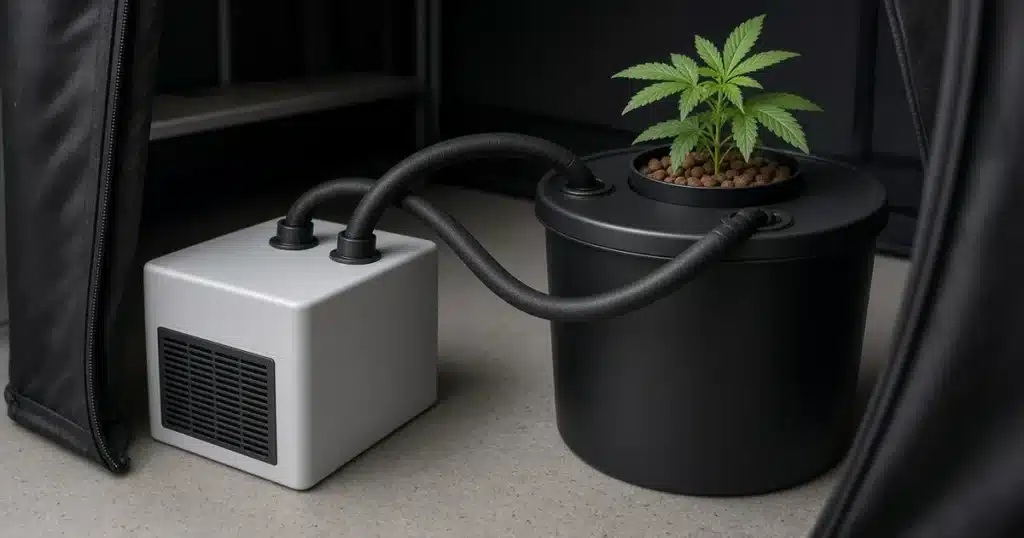
A hydroponic reservoir is only as stable as its water temperature. In a warm tent, nutrient solution can climb fast, hold less oxygen and put roots under stress. A water chiller is one way to help keep that water in a steady, cool range. Not every homemade bucket needs one, and a chiller is not a substitute for shade, airflow or a well-sized reservoir. This guide covers when a chiller helps, how to choose and install one, and how to run it safely. It is meant for adults 21 and older who grow cannabis in water where home cultivation is legal.
Why reservoir temperature matters
Roots in deep water culture, or DWC, and in other recirculating hydro systems sit in water all day. Warm water holds less dissolved oxygen than cooler water, so problems such as slimy root rot can take hold more easily. Our guide to pythium root rot covers what that looks like.
Lights, a sealed tent and a small bucket can warm the solution even when the room feels only a little stuffy. Temperature checks belong in the same daily routine as pH and nutrient strength. Our DWC cannabis grow guide walks through that full routine. This post stays with the cooling side.
What temperature to aim for
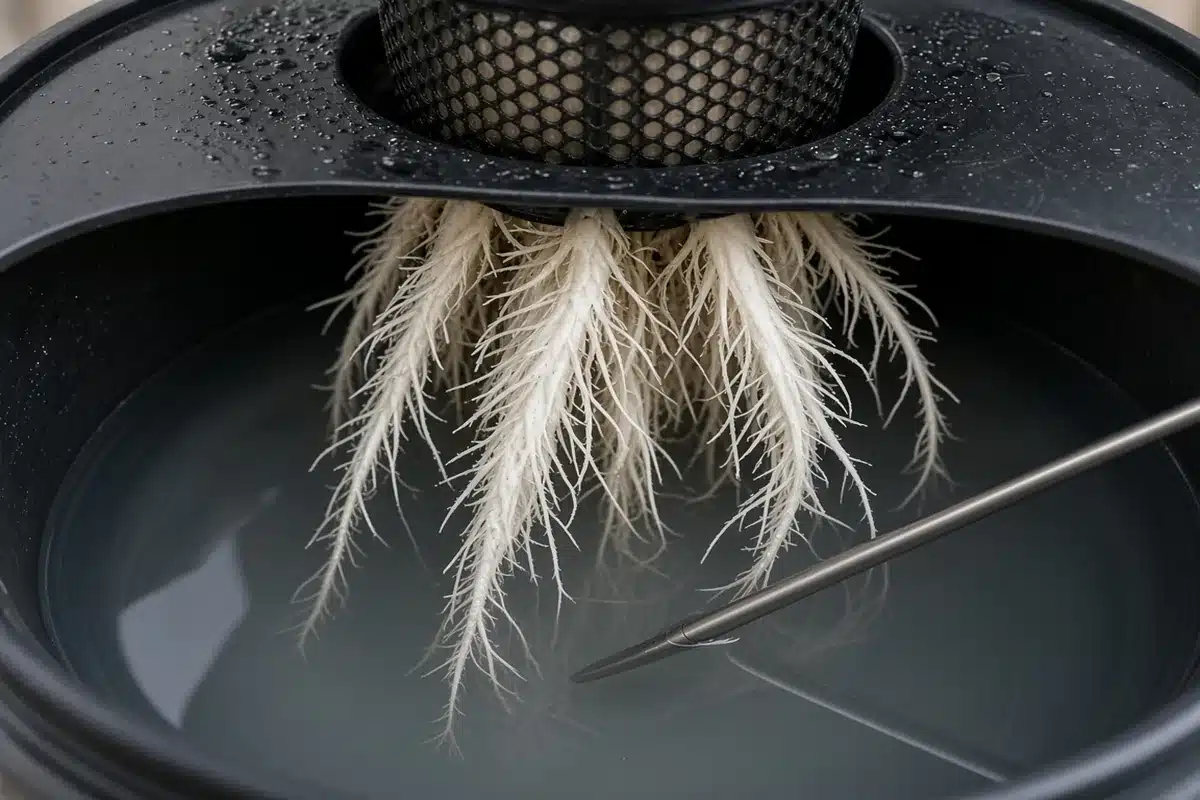
Many hydro growers aim to keep reservoir water around 65 to 70 F. That range is a common starting point, not a hard rule. Much warmer water can lose oxygen and invite root trouble. Much colder water can slow the plant and make the chiller work harder than it needs to.
Measure the water, not just the air. Put the probe in the solution, well away from the chiller outlet, rather than relying on a strip on the bucket wall. Our hydroponic reservoir thermometer guide covers probe types and placement.
When a chiller is worth it, and when it is not
A chiller starts to make sense when simpler steps are not enough: a tent or garage that stays warm, a small reservoir that heats up quickly, or several buckets sharing one tank under lights. If a thermometer keeps climbing even when pH and feed strength are in range, a chiller can hold a set point instead of leaving you to react after the water has already warmed.
Plenty of home grows never need one. If the room stays mild and a shaded, insulated reservoir stays in range, you may be fine without one. Frozen water bottles can knock the temperature down during a short warm spell, but they cause swings and add work. Wrapping the bucket, keeping it off a hot floor, sealing light leaks and improving tent exhaust often help first.
For small, passive setups, see our Kratky method for cannabis guide. Kratky has no pump loop to chill, so room control does more of the work. If your problem is cold water in winter, you need the opposite tool. Our reservoir heater guide covers that side.
Types of water chillers
Home growers usually see a few broad types. This is category guidance, not a brand ranking. Models and capacities change, so read the current label for the unit you buy.
| Type | How it works | Notes |
|---|---|---|
| Compact aquarium style | A small refrigerated unit with in and out ports for tubing | Common for a single bucket. Confirm it is rated for your volume and for nutrient water, not only a decorative tank |
| Drop-in or coil-style | A cooled coil or probe goes into the reservoir | Simple to place, but the coil must stay clean and fully in the water |
| Inline or larger hydro style | Water is pumped through the chiller and back to the tank | Suits a larger shared reservoir. Needs a reliable pump and tight fittings |
Look for a unit meant to run for hours at a time, with a temperature controller you can set and read. Skip anything with unclear ratings or no way to set a target temperature.
How to size and install a chiller
Size the chiller to your actual gallons, including any shared tank, and to the heat in the room. A unit sold only for a small decorative aquarium may not keep up in a warm grow tent. Give yourself some margin if the room runs hot, and stay within the manufacturer’s range rather than an unofficial chart. Our guide to sizing a hydroponic reservoir helps you think about water volume first.
- Place the unit on a firm, level surface with space around the vents. Many growers keep it just outside the tent so the extra warmth does not go back into the canopy.
- Run short, insulated tubing sized for the ports so the lines do not sweat or pick up tent heat.
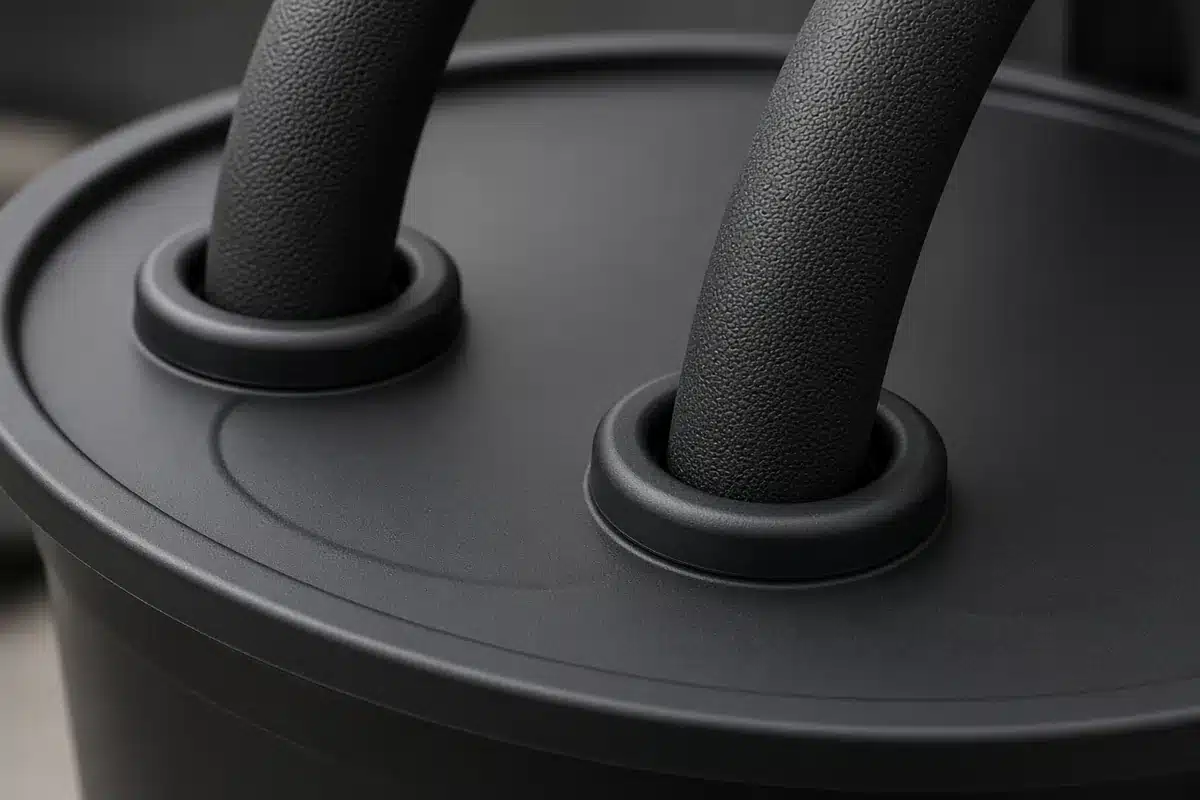
- Make tight lid fittings where lines enter a DWC lid. Light leaks grow algae, which is covered in our hydroponic roots turning green guide.
- Prime and check for leaks before you walk away. Start the pump if the design uses one, and watch every joint.
- Set a starting temperature in the common 65 to 70 F range and wait a few days before you chase a lower number.
- Place the probe in the main body of water, not in the cold outlet stream or against a warm bucket wall.
Spread the return flow if you can. The goal is a stable reservoir, not a cold jet on the roots.
Safety, daily use and upkeep
A chiller puts water and power in the same workspace. Use a GFCI-protected outlet, keep plugs and the unit dry, and keep power strips off the floor. Do not block the exhaust, and do not start a unit dry if the manual warns against it. If you change reservoirs, shut the chiller down first.
Check water temperature when you check pH and feed strength. If the temperature creeps up each afternoon, improve tent airflow before you slam the set point down. Our inline fan CFM guide helps with exhaust. If plants wilt in the brightest part of the day even when the reservoir is cool, the cause may be canopy heat. See our guide to hydroponic plants wilting during the day.
When you do a weekly water change, inspect the lines, fittings and any coil. After a root problem, clean the whole loop, not only the bucket. An air stone still matters in DWC. Our guide on cleaning hydroponic air stones covers that habit. Keeping the chiller just outside the tent, with insulated lines through the wall, keeps the heat and noise out of the canopy. To estimate electricity use, see our guide on how much electricity grow lights use and add the chiller’s rated draw from the label.
Troubleshooting
If the water will not come down, fix the tent heat first, then revisit the chiller size. If you find a leak, shut the unit down immediately and keep water away from electrical connections. Cool water will not fix a dirty reservoir or a failed air pump.
Final thoughts
A water chiller can hold nutrient water in a steady, cool range when a tent or a small reservoir keeps heating up. Many growers never need one if the room is mild and the bucket is shaded. When you do add one, size it to your real water volume, keep the power dry and GFCI-protected, and measure the water itself. If you want compact plants for a small indoor hydro setup, browse our indoor seeds.
Grow legally and responsibly
Home cultivation is only legal in some states, and each state sets its own plant limits, locking rules and rules about whether plants can be visible from a public place. You must be 21 or older to buy seeds from Kind Seed Co, and you should grow only where your state and city allow it. Check your state rules in our guide to the legal requirements for growing weed plants in your state before you plant. Federal treatment of cannabis seeds is also changing, so read our December 11 2026 seed rule explainer before you order. Keep plants and harvested flower locked away from children, pets and visitors, and never drive after using cannabis. This article is general information about gardening. It is not legal advice and it is not medical advice.
Frequently asked questions
Do I need a water chiller for DWC cannabis?
Not always. If a shaded, insulated reservoir stays around 65 to 70 F, you may not need one. A chiller helps when the water keeps climbing past that range.
Can I use frozen water bottles instead of a chiller?
Yes, as a short-term measure. Bottles can cause temperature swings, so they are a patch, not a full substitute in a consistently hot room.
Where should I put the chiller?
A firm, level spot with space for exhaust is best, often just outside the tent. Keep all electrical connections dry and on a GFCI-protected outlet.
What temperature should I set?
A common starting range is about 65 to 70 F, measured in the main body of the reservoir. Wait a few days before you change the set point.
Ready to start
Browse the full range in the Kind Seed Co shop or go straight to indoor seeds. Kind Seed Co sells only to adults 21 and older. Always follow the home grow laws where you live.