
Cannabis Tinctures 101: A Complete Guide
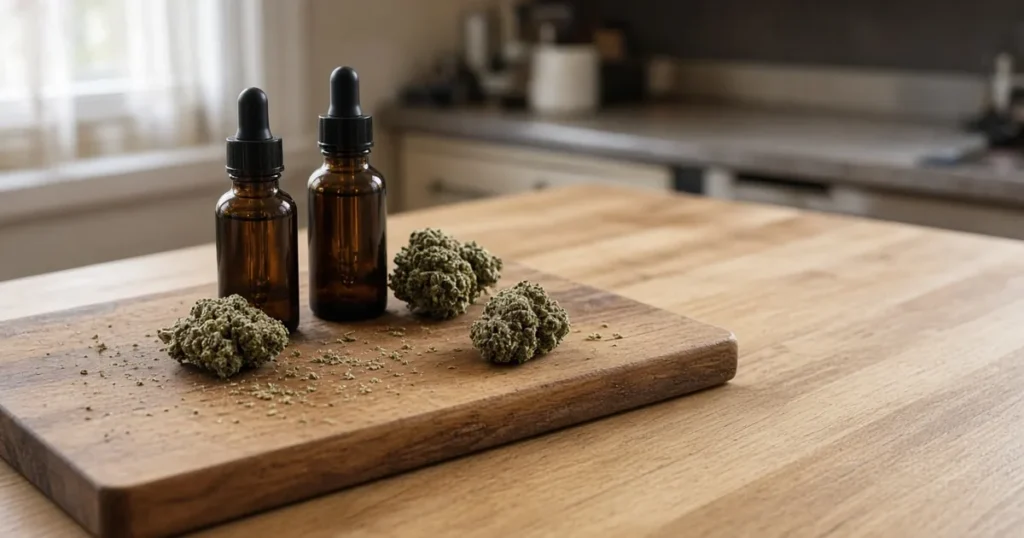
Are you interested in making your own cannabis tinctures at home? Whether you’re a seasoned home grower or just starting out, we’re here to provide you with an overview of the history, the basic types, and step-by-step instructions on how to create tinctures that are safe and effective.
Understanding tinctures goes beyond basic recipes. It’s also important to know the legal aspects of cannabis tinctures in the USA and how each state has its own legal requirements. At Kind Seed Co, we’re here to share knowledge and tips on making tinctures responsibly.
Understanding Cannabis Tinctures
Let’s look at the history, significance, and different types of cannabis tinctures that exist and how they are used today.
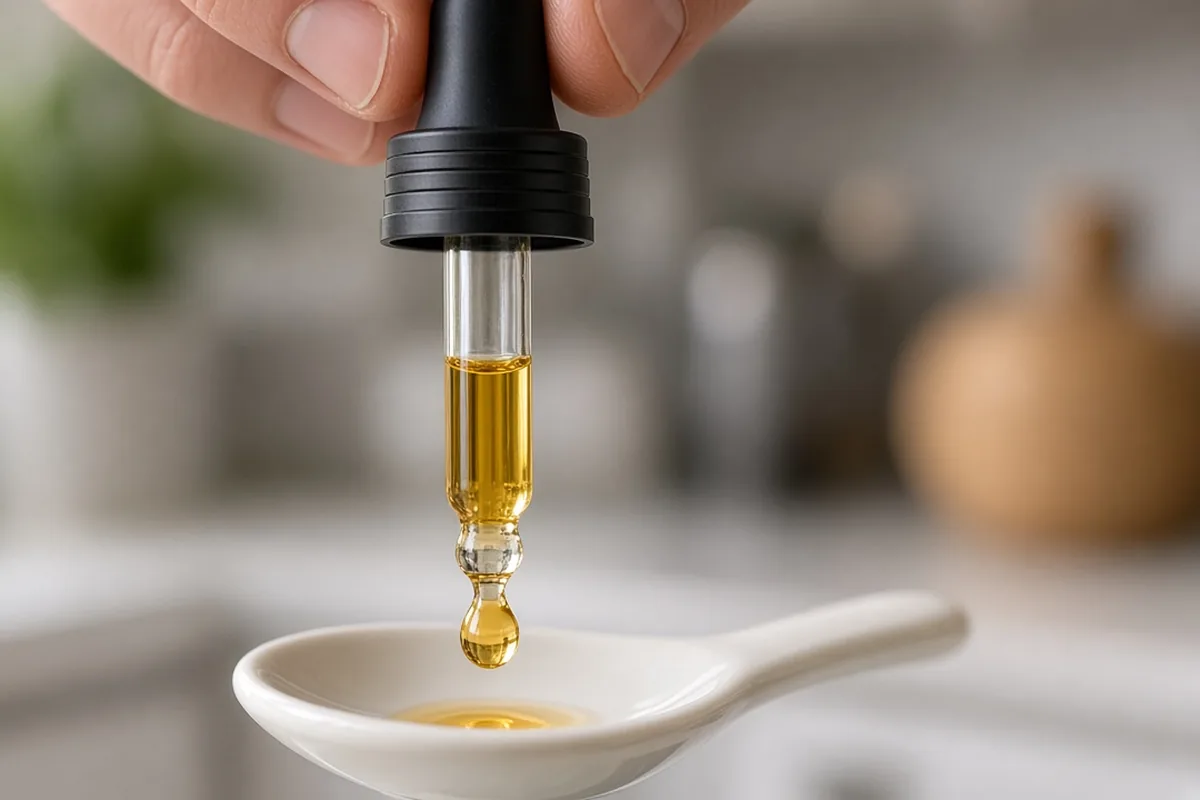
What Are Cannabis Tinctures?
Simply put, cannabis tinctures are alcohol-based cannabis extracts. Essentially, they are potent and versatile solutions that have been infused with cannabis. This makes them easy to consume in a variety of ways.
A Brief History of Cannabis Tinctures
Interestingly, before the prohibition era, cannabis tinctures were the primary type of cannabis medicine in the United States. They were commonly found on pharmacy shelves and were an essential part of the American pharmacy scene until the early 20th century, when cannabis laws started shifting.
The Importance and Uses of Cannabis Tinctures
People use cannabis tinctures in many ways.
Their versatile nature means that tinctures can be added to food or drink, applied topically, or taken sublingually (under the tongue).
The Different Types of Cannabis Tinctures
Understanding the different types of cannabis tinctures helps you decide what will work best for you. The most common types are THC tinctures, CBD tinctures, and hybrid tinctures that encompass both THC and CBD. Each of these has unique properties, benefits, and effects, which makes the selection process highly personal.
Why People Choose Cannabis Tinctures
Tinctures are popular because they act fast and their effects last a long time. They have a long history in traditional use. Researchers are still studying how cannabis affects pain, anxiety and PTSD, so ask your doctor about any health use.
Advantages of Cannabis Tinctures Over Other Consumption Methods
They’re easy to use, flexible, and work quickly.Their discreet nature also makes it easy to consume cannabis without having to deal with any smoke or smell.
How Cannabis Tinctures Are Made
The process of making tinctures involves extracting cannabinoids and other valuable compounds from cannabis plants using alcohol. This process can be done at home using a few basic pieces of equipment and a safe and controlled environment.
The Different Methods Used for Making Cannabis Tinctures
Making a tincture can be as simple or complex as you choose. The two most common methods are the traditional method and the cold method, each requiring slightly different approaches, but the results are very similar.
Equipment Needed for Making Cannabis Tinctures at Home
Making cannabis tinctures at home requires some essential tools, including:
- Cannabis
- High-proof alcohol
- A glass jar
- Cheesecloth
- A dropper bottle
Proper safety gear is also necessary to prevent any possible accidents.
Steps to Make Cannabis Tinctures at Home
Creating cannabis tinctures at home is fairly simple, as long as you follow the instructions. The process involves decarboxylating your cannabis, mixing it with high-proof alcohol, and allowing it to infuse over time. Strain the mixture, bottle it, and you have your homemade cannabis tincture.
Here is a simple step-by-step guide to making cannabis tinctures at home:
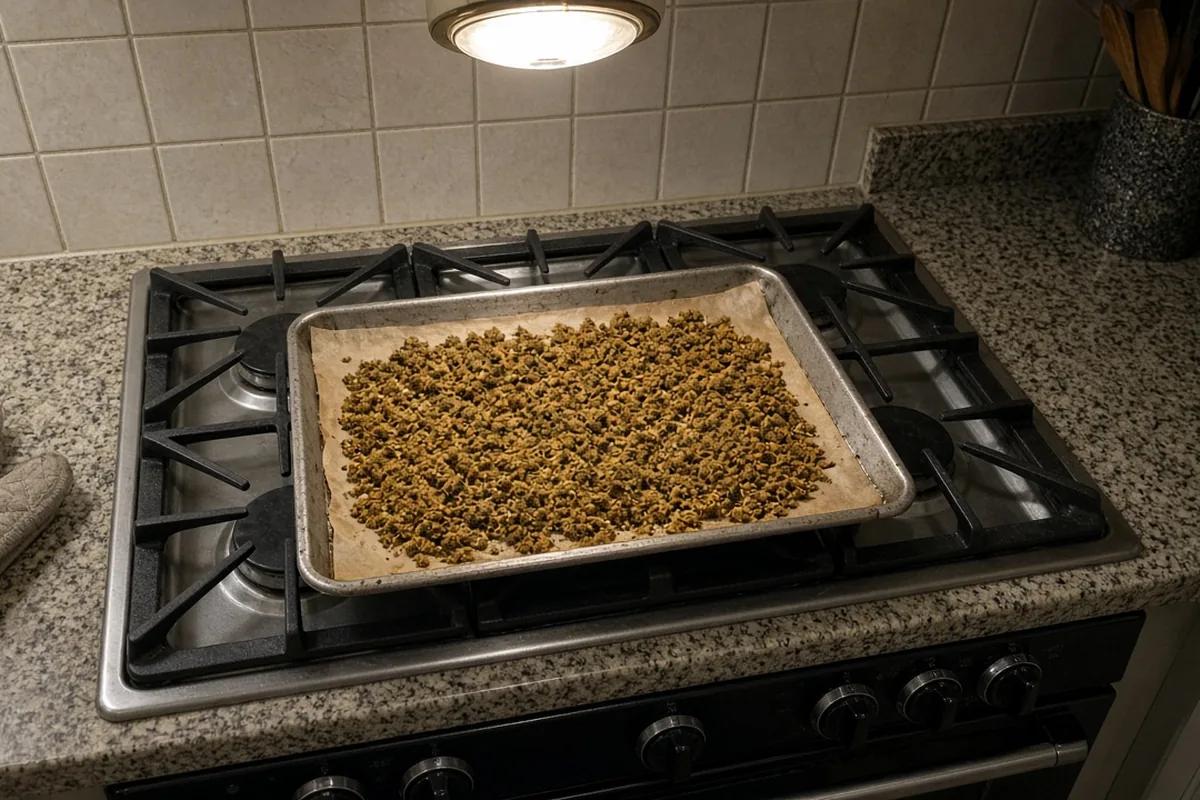
- Decarboxylation: Start by grinding your cannabis and spreading it on a baking sheet. Bake it in the oven at 230°F for around 30 to 40 minutes to activate the cannabinoids.
- Infusion: Place your decarboxylated cannabis in a glass jar and pour in enough high-proof alcohol to cover the plant material. Shake well to mix.
- Rest: Let the mixture rest for a few weeks, shaking it once a day. This will allow the alcohol to extract the cannabinoids and other compounds from the cannabis.
- Strain: After several weeks, strain the mixture through cheesecloth to remove the solid material. Be sure to squeeze out all the liquid.
- Storage: Place the liquid in a dropper bottle. Store it in a cool, dark place to maintain its potency.
Remember, this is just a basic guide. You may need to adjust the process based on the specific strain or potency of your cannabis.
Using Cannabis Tinctures: Tips and Guidelines
Storing cannabis tinctures properly is essential for preserving their potency and flavor. Always store them in a cool, dark place, and out of reach of children.
Legal Aspects of Cannabis Tinctures
The legality of cannabis tinctures is a complex issue. Where you live can greatly affect the legality of possession, use, and home production. Look up and understand your local laws and regulations before making or using cannabis tinctures.
Make Cannabis Tinctures at Home
Cannabis tinctures offer a versatile, discreet, and effective way to consume cannabis. They are simple to make at home, with just a few ingredients and pieces of equipment. As state laws continue to change, stay informed and consume cannabis responsibly. We are happy to help with your growing.
Related reading: Why Decarboxylating Your Cannabis Is So Important, The Right Dosage When Eating Edibles, The Big Debate: Tincture vs Edibles and What’s The Difference Between Hemp Seed Oil And CBD Oil?.
FAQ
What is a cannabis tincture?
A liquid extract, often alcohol- or glycerin-based, taken by dropper. Many people hold it under the tongue before swallowing.
How fast do tinctures kick in?
Sublingual use can start faster than edibles for some people, often within about 15 to 45 minutes, then last several hours.
Can I make tinctures at home?
Yes, with decarboxylated cannabis and a solvent. Work carefully with heat and alcohol, and label strength.
How do tinctures differ from edibles?
Tinctures are taken by the drop and can absorb partly through the mouth. Edibles go through digestion and often hit later and harder.


