
Hemp Plastic: What Is It and How Is It Made?
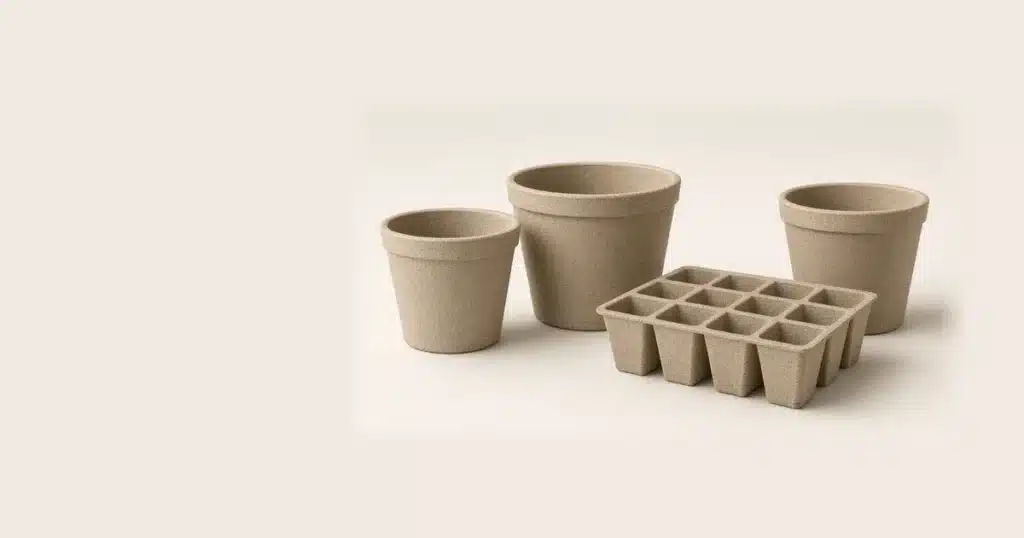
Hemp plastic is a plastic alternative made by combining fibers from hemp stalks with biodegradable polymers made from plants. It is strong, and many blends break down faster than regular plastic. It can also be molded into everyday items like pots and seedling trays. Kind Seed Co explains how hemp plastic is made, how it compares to regular plastic and how home growers can put it to use.
What hemp plastic is made of
Hemp plastic starts with the cellulose fibers found in the stalks and stems of the hemp plant. These fibers are combined with biodegradable polymers, such as polylactic acid (PLA), to create a composite that behaves much like conventional plastic. To learn more about the plant itself, read our guide on what a cannabis plant is.
How hemp plastic is made
- Decortication. The fibers are separated from the woody inner core of the hemp stalk.
- Cleaning and refining. The fibers are cleaned and refined.
- Mixing. The refined fibers are mixed with the polymers.
- Heating and molding. The mixture is heated and molded into its final shape.
The result is a versatile plastic alternative that can be shaped for many different uses.
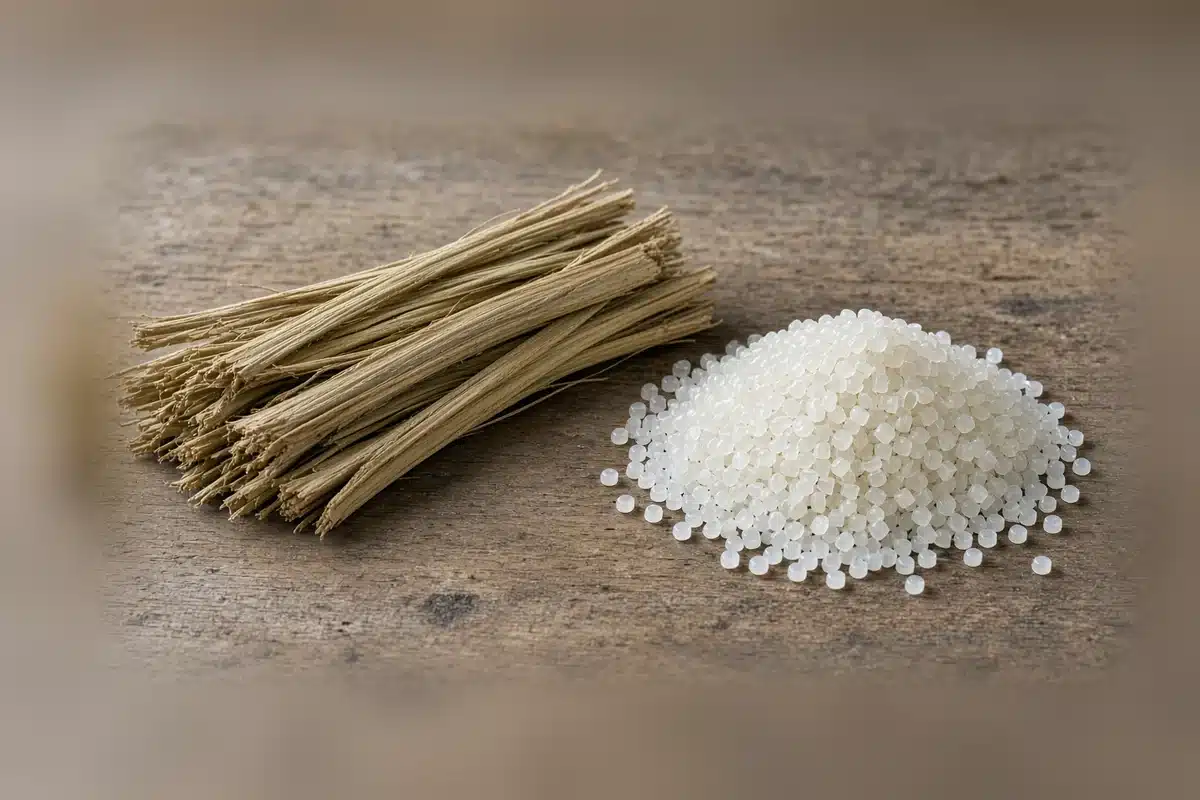
Why people choose hemp plastic
- Strength. Hemp fibers add strength and durability, so the material holds up well.
- Biodegradability. How fast hemp plastic breaks down depends on what it is blended with and how it is thrown away. Regular plastic can take hundreds of years.
- A smaller footprint. Faster breakdown means less lasting waste, which appeals to anyone trying to shrink their carbon footprint.
Hemp plastic vs regular plastic
| Hemp plastic | Regular plastic | |
|---|---|---|
| Main raw material | Hemp fiber plus plant polymers | Petroleum |
| Breakdown time | Depends on the blend and disposal | Hundreds of years |
| Cost today | Higher to produce | Lower to produce |
Regular plastics are made from petroleum and can release harmful substances as they are produced and as they break down.
How home growers can use hemp plastic
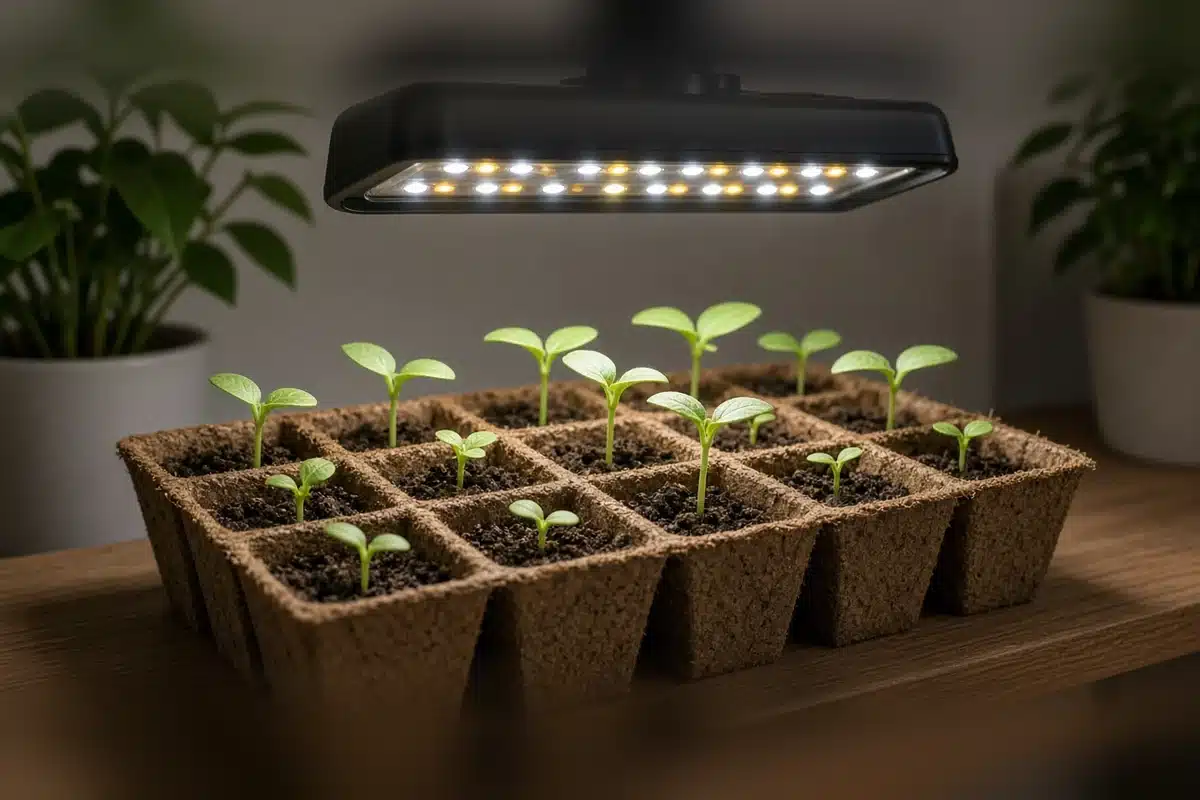
- Seedling trays and pots. A sustainable swap for standard plastic trays and pots. If you grow in soil, our overview of growing marijuana in soil covers the basics.
- Irrigation and feeding parts. Durable hemp plastic suits watering and nutrient delivery setups.
- Packaging and storage. Containers made from hemp plastic can cut waste at every step from harvest to storage.
Challenges and what comes next
Hemp plastic still faces hurdles. It costs more to produce than regular plastic, and many people have never heard of it. Ongoing research aims to make production more efficient and spread the word about its benefits.
As demand for sustainable materials grows, hemp plastic is likely to show up in more places, including grow rooms. If you like the idea of a greener grow, start with the plant itself and browse our feminized cannabis seeds.
FAQ
What is hemp plastic made from?
It is made from cellulose fibers taken from hemp stalks and stems, combined with biodegradable polymers such as polylactic acid (PLA).
Is hemp plastic biodegradable?
Many blends are. How fast hemp plastic breaks down depends on what it is blended with and how it is thrown away, while regular plastic can take hundreds of years.
Why is hemp plastic more expensive than regular plastic?
It currently costs more to produce. Prices are expected to improve as demand and production grow.
How can home growers use hemp plastic?
Hemp plastic can be used for seedling trays, pots, irrigation and nutrient delivery parts, and packaging and storage containers.


