How Do Cannabis Plants Measure Time?

Growing cannabis is a rewarding experience, not to mention an educational one. As you begin to understand more about these plants, you’ll likely ask a few questions about how they grow and function. For starters, how do cannabis plants measure time? Let’s take a look at the biological and environmental cues that cannabis plants use to understand better how they know when to enter certain growth stages, as well as how cultivators can take advantage of these properties to maximize their yield.
The Biological Clock of Cannabis Plants
Cannabis plants have a built-in biological clock just like humans that plays a pivotal role in their growth and development. This internal timing system helps the plants align with their surroundings, regulating growth phases like the shift from vegetative growth to flowering.
The biological clock determines how cannabis plants react to changes in light and temperature. These environmental cues help the plants synchronize their growth with the outside world, assisting in their survival and reproduction. Growers can enhance their cultivation techniques by tapping into this instinct for timing, supporting healthier plant growth.
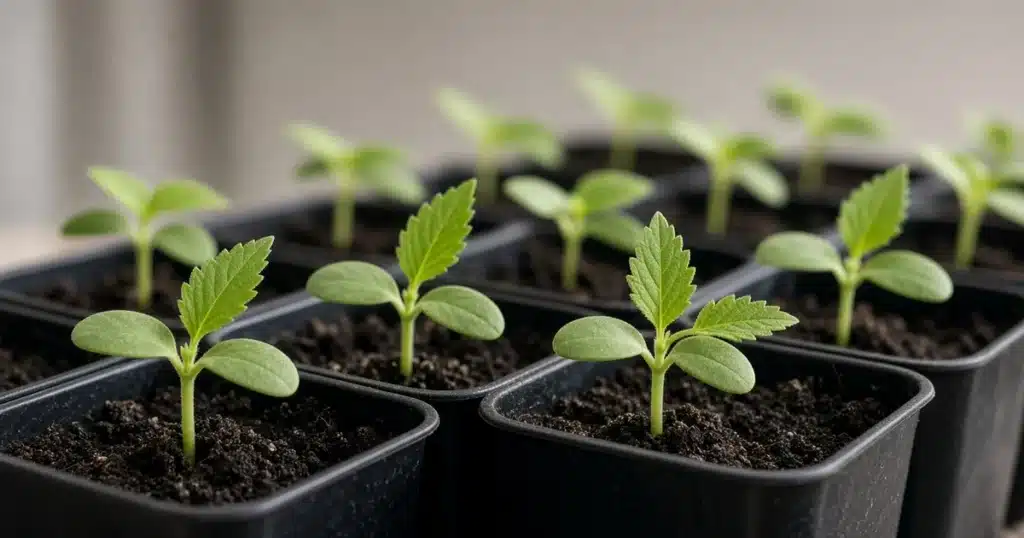
Understanding the biological clock’s influence on growth and flowering cycles is particularly important for cannabis cultivation. During the vegetative stage, plants build strong roots and leaves, laying the groundwork for future bud production. As they move into the flowering stage, the clock shifts gears, directing energy toward flower development. Mastering this transition allows you to maximize yield through optimized growing conditions, as it affects both the timing and quality of the harvest.
Photoperiodism: The Role of Light in Timekeeping
Photoperiodism is a significant part of how cannabis plants keep track of time. It involves the plant’s response to the length of daylight and darkness, which helps regulate its growth cycles. For cannabis, shifts in light exposure signal when to switch from vegetative growth to flowering, ensuring they bloom at the right time for reproduction.
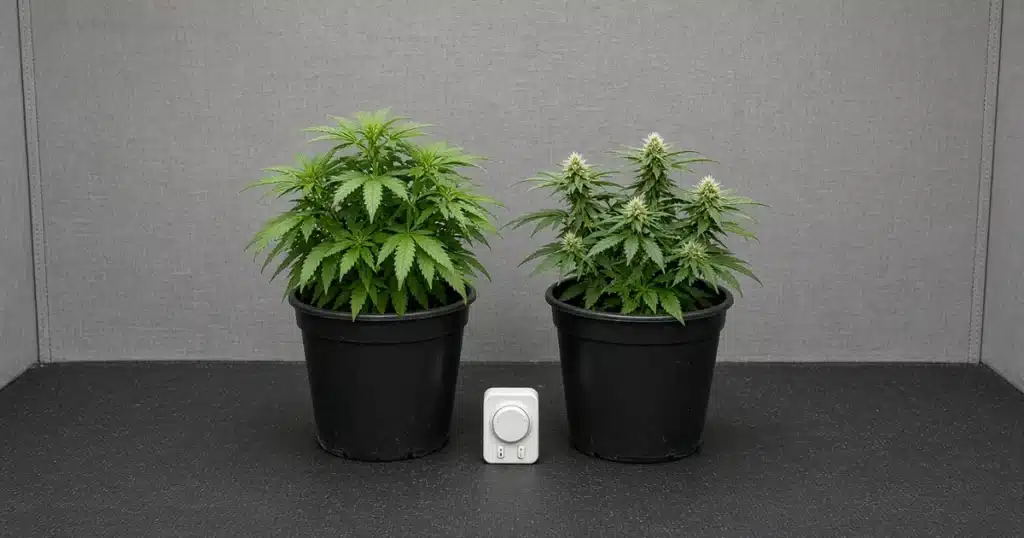
Cannabis plants are highly responsive to photoperiods. During the vegetative phase, they thrive with long days, needing at least 18 hours of light to grow vigorously. As daylight decreases to about 12 hours, the plants are prompted to flower. Cultivators controlling light exposure can dictate the timing of flowering, impacting both yield and quality.
Explaining Light Cycles
Knowing the difference between vegetative and flowering light cycles is key for successful cannabis cultivation. In the vegetative stage, extended light periods promote robust growth. This stage can continue indefinitely with enough light, allowing cultivators to manage plant size before inducing flowering.
When transitioning to the flowering stage, reducing light to a 12/12 cycle—12 hours of light and 12 hours of darkness—triggers flower production. This cycle mimics natural seasonal changes, signaling the plant to focus on reproduction. Proper light cycle management is necessary for maximizing harvest quality and quantity.
Adjusting Light Exposure for Indoor Growing
For successful cultivation, indoor cultivators must replicate natural light cycles with artificial lighting. High-quality grow lights, like LEDs or HPS lamps, can simulate the sun’s intensity and spectrum. Consistency in light schedules also matters, since disruptions during the dark period can stress plants and inhibit growth.
Using timers ensures precise light control and maintains consistent photoperiods. This consistency helps prevent issues like hermaphroditism, where plants develop both male and female flowers.
Circadian Rhythms in Cannabis Plants
Circadian rhythms allow cannabis plants to measure time. They follow a roughly 24-hour cycle and influence various physiological activities. They regulate photosynthesis, respiration, and nutrient uptake, aligning them with the day-night cycle.
The circadian rhythms in cannabis plants optimize energy use by coordinating growth activities with light availability. Photosynthesis is most efficient during daylight, while nutrient uptake and other processes may be prioritized at night. Understanding these rhythms helps cultivators fine-tune care routines to boost plant health and productivity.
Managing Environmental Factors
Supporting cannabis plants’ circadian rhythms means managing environmental factors like temperature and humidity. Stable conditions help maintain the plant’s internal clock, promoting consistent growth. Ideally, temperatures should range between 70-85°F (21-29°C) during the day and slightly cooler at night.
Humidity should be adjusted according to the growth stage, with higher levels during vegetative growth and lower levels during flowering to prevent mold. Regular monitoring ensures the environment supports the plant’s natural rhythms, leading to healthier, more productive plants.
Practical Applications for Cultivators
Understanding how cannabis plants measure time can significantly enhance yield and quality. Aligning cultivation practices with the plant’s biological clock and photoperiods allows growers to optimize growth conditions and minimize stress on the plants. This knowledge aids in planning planting schedules and controlling flowering times, leading to more predictable, bountiful harvests.
Both indoor and outdoor cultivators can benefit from these insights. Outdoor growers should align planting times with natural light cycles, while indoor growers can adjust light exposure to ensure a steady supply of high-quality cannabis year-round.
Keep Your Plants on Time for Best Results
Cultivators should take the time to understand how cannabis plants measure time for successful cultivation. By tapping into the plant’s biological clock, photoperiodism, and circadian rhythms, cultivators can optimize practices to enhance plant health and maximize yields. Applying this knowledge allows growers to refine their techniques, leading to more efficient and rewarding growing experiences.
How do cannabis plants know when to start flowering?
Cannabis plants rely on a process called photoperiodism to measure the length of daylight and darkness. When the plant senses that daylight has decreased to about 12 hours—paired with an equally long, uninterrupted period of darkness—its biological clock signals it to stop vegetative growth and begin producing flowers for reproduction.
What is the best light cycle for indoor cannabis cultivation?
To mimic natural seasonal changes and maximize yield, indoor growers manipulate the light cycle using artificial grow lights and precise timers:
Vegetative Stage: Maintain a cycle of 18 hours of light and 6 hours of darkness to encourage vigorous root and leaf growth.
Flowering Stage: Switch to a strict 12/12 cycle (12 hours of light and 12 hours of darkness) to trigger and sustain bud production.
What happens if I accidentally interrupt the dark cycle?
Disrupting the dark period, even briefly, can severely stress your plants. Because cannabis relies on continuous darkness to measure time and sustain flowering, light leaks can confuse its internal clock. This stress can stunt growth, revert the plant back to a vegetative state, or trigger hermaphroditism (developing both male and female flowers), which severely degrades harvest quality.
What is the role of circadian rhythms in cannabis plants?
While photoperiodism tracks the seasons, circadian rhythms govern the daily 24-hour cycle. This internal clock optimizes the plant's energy use by timing specific physiological activities to their ideal environment. For example, the plant prioritizes photosynthesis during daylight hours, and shifts its focus to respiration and nutrient uptake during the cooler, darker night hours.