
Cannabis Flavours and Aroma: Where the Smells Come From
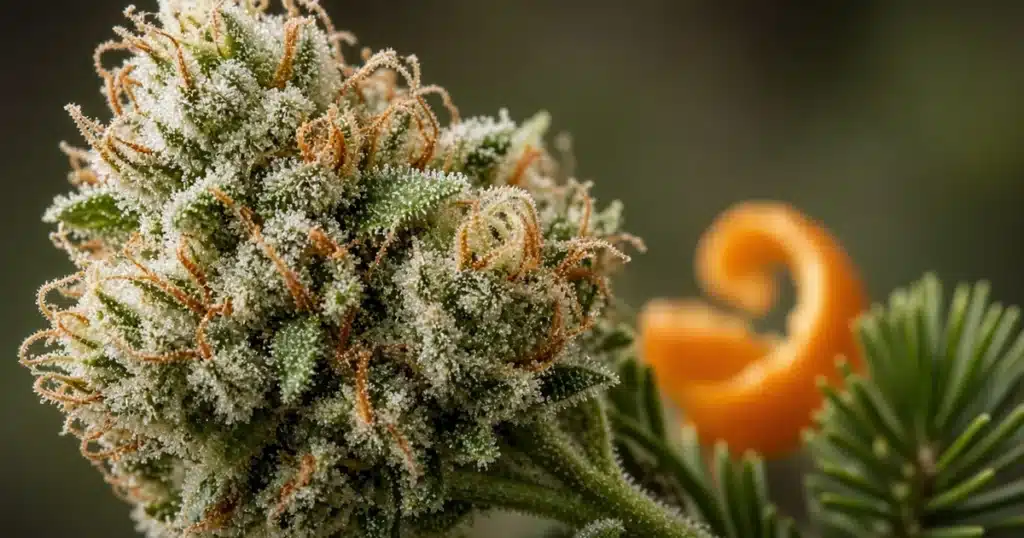
Cannabis flavours and aroma come mostly from two groups of compounds called monoterpenes and sesquiterpenes, according to a Washington State University lab. That same lab adds that compounds which are not terpenes, such as short chain esters, also shape how a plant smells. Genetics decide the mix, which is why two plants can smell so different.
Kind Seed Co looks at where the smell comes from, how a research panel described it, and ways to put words to what your own plants smell like. For taste questions, our page on what weed tastes like covers the flavour on the palate.
Where Cannabis Aroma Comes From
Most of the smell comes from terpenes, with a smaller share from other volatile compounds. The Lange lab at Washington State University (WSU) studies the genes and enzymes that build them.
The lab describes monoterpenes and sesquiterpenes as the compounds that give different cultivars their distinct aromas. It also names a second set, the non terpene volatiles, which include short chain esters and one other class of compounds, as important contributors to the unique aromas found across cultivars.
| Compound family | What the WSU lab says |
|---|---|
| Monoterpenes | Give the distinct aromas of different cultivars |
| Sesquiterpenes | Give the distinct aromas of different cultivars |
| Short chain esters | A non terpene volatile that also shapes aroma |
| One other class of non terpene volatiles | Also named as contributors to unique aromas |
Based on the research summary from the WSU Lange Laboratory. Terms only, no amounts.
Because the lab ties these compounds to genes and enzymes, the plant’s genetics set the starting point for its smell. For a deeper look at the terpene side, read how terpenes shape cannabis flavor.
Where the Smell Sits on the Plant
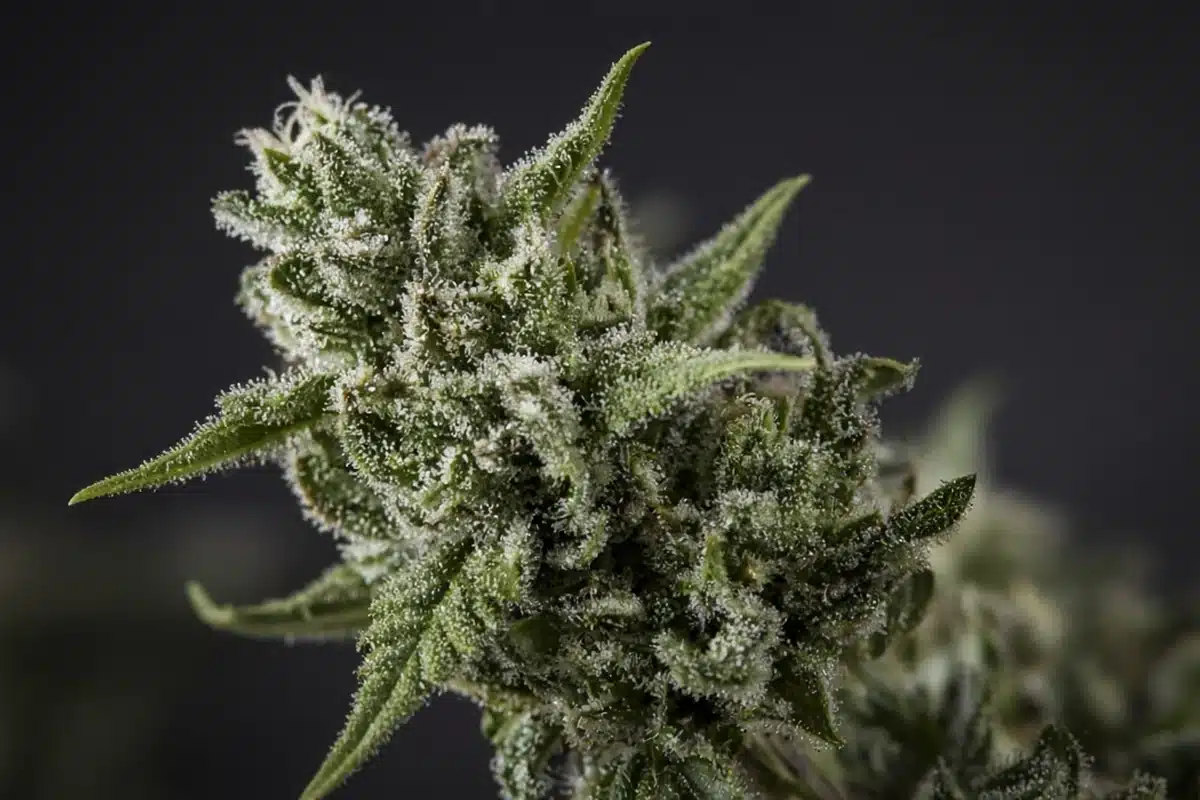
The strongest aroma tends to come from the flowers, where the resin glands are packed most tightly. USU Extension reports that trichomes are most densely packed on female flowers that have not been pollinated.
USU also describes cannabis as mostly dioecious, meaning male and female flowers usually grow on different plants. So growers judge aroma on the females. A female plant that has not been pollinated does not set seed, and USU links pollination to seed set and fewer flowers.
Terpenes Are Not the Whole Story
Terpenes matter, but a terpene list does not tell you exactly how a plant will smell. Researchers at Oregon State found that neither terpenes nor one specific group of volatile compounds strongly predicted how a panel perceived the aroma.
The Oregon State team points out why that matters. In their view, specific aromas are often wrongly tied to specific terpenes. So a lab sheet can tell you what is in the flower, but your nose and a shared set of words tell you more about how it actually comes across.
That fits the WSU picture, too. If esters and one other class of compounds also add to the smell, a list built on terpenes alone will always leave part of the story out. Our terpenes guide lists the main terpenes by name for anyone who wants more detail.
How a Research Panel Described Cannabis Aroma
Oregon State researchers developed a lexicon of 25 aroma terms, and a panel of 24 people, most with food and drink sensory experience, used it to describe samples. The panelists smelled the plant material only, never smoke.
The lead researcher says the work lays the groundwork for a shared vocabulary.
According to the Oregon State newsroom summary of the PLOS One study, cannabis samples were described more often than the comparison samples as skunky, musty and animalic, a term the team glosses as savory. The study also grouped the descriptions into four aroma profiles, and the profile mostly linked to cannabis took in notes such as earthy, woody, fuel, straw, musty, funky, nutty or toasted, and black tea.
| Aroma term | How the Oregon State panel used it |
|---|---|
| Skunky | More frequent for cannabis samples |
| Musty | More frequent for cannabis samples |
| Animalic (savory) | More frequent for cannabis samples |
| Earthy, woody, fuel, straw and black tea | Part of the profile mostly tied to cannabis |
Terms from a 2025 Oregon State newsroom report. No counts are given here.
How to Describe Your Plant’s Aroma
You can borrow the panel’s approach at home to describe your plants in a consistent way. These steps follow the Oregon State method.
- Smell the plant, not smoke. The panel judged plant material only, so do the same when you compare.
- Use set words. Start with the panel terms in the table above, such as skunky, musty, earthy or woody, before you reach for your own.
- Compare side by side. Smell two plants or two samples one after the other, so the difference is easier to name.
- Write it down. Add the terms to your grow log for each plant, with the date and stage.
- Recheck later. Smell the same plant again a week or two on and note any change.
- Do not judge from a terpene list. Oregon State found the measured compounds did not strongly predict what people smelled, so trust the notes you took.
Genetics stay the main lever. Since the WSU lab ties aroma compounds to genes and enzymes, choosing a cultivar is the clearest way to steer the smell you end up with.
Troubleshooting
When the smell surprises you, the cause usually traces back to genetics, the words used, or the limits of a terpene list. Match your case below.
Two plants of one strain smell different. The WSU lab ties aroma compounds to genes and enzymes, so small genetic differences between seeds can shift the smell. Log each plant on its own.
The smell and the terpene list disagree. That lines up with the Oregon State finding that measured terpenes did not strongly predict the aroma people noticed.
Two growers describe the same plant in different words. Agree on a short list of panel terms first, then compare notes.
The grow room smell is too strong. Odor control is its own topic, and our page on how to prevent weed odor covers it.
Sources
- Washington State University, Lange Laboratory, Cannabis Cannabinoid and Terpenoid Biosynthesis: https://labs.wsu.edu/lange-lab/cannabis-cannabinoid-and-terpenoid-biosynthesis/
- Oregon State University: https://news.oregonstate.edu/news/researchers-develop-first-ever-common-language-cannabis-hemp-aromas
- Utah State University Extension, Ten Frequently Asked Questions About Growing Cannabis: https://extension.usu.edu/crops/research/ten-frequently-asked-questions-about-growing-cannabis
Why do different marijuana strains smell so different?
Genetics. A lab at WSU says monoterpenes and sesquiterpenes give different cultivars their distinct aromas, and it studies the genes and enzymes that build those compounds. Since each cultivar carries its own genes, each makes its own mix, and that mix sets how the plant smells.
What makes some marijuana smell like a skunk?
Researchers have not tied the skunky note to a single compound. The WSU lab says compounds beyond terpenes, including short chain esters and one other class of compounds, shape cannabis aroma. An Oregon State panel also found cannabis samples were often described as skunky, musty and savory.
What else besides terpenes shapes cannabis aroma?
Non terpene volatiles. The Lange lab at WSU names short chain esters and one other class of compounds as important contributors to cannabis aroma across cultivars. That helps explain why a terpene list alone rarely captures the whole smell of a plant you have grown yourself.
How can you describe a cannabis plant's aroma?
Follow the Oregon State panel method. Smell the plant material rather than smoke, use set terms such as skunky, musty, earthy or woody, compare plants side by side, and log the words you choose for each plant. A shared vocabulary makes notes easier to compare over time.
Do terpenes predict how cannabis smells?
Not strongly, based on one study. Oregon State researchers measured terpenes and one specific group of volatile compounds and found that neither strongly predicted how their panel perceived the aroma. They note that specific smells are often wrongly linked to specific terpenes, so trust your own nose.


