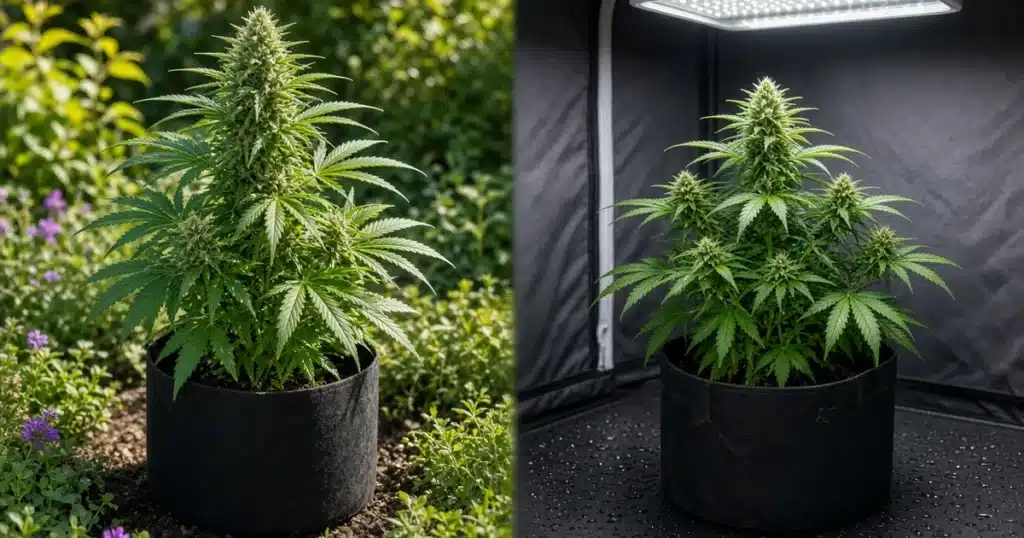
How to Document Weed Plant Growth and Why It’s Useful
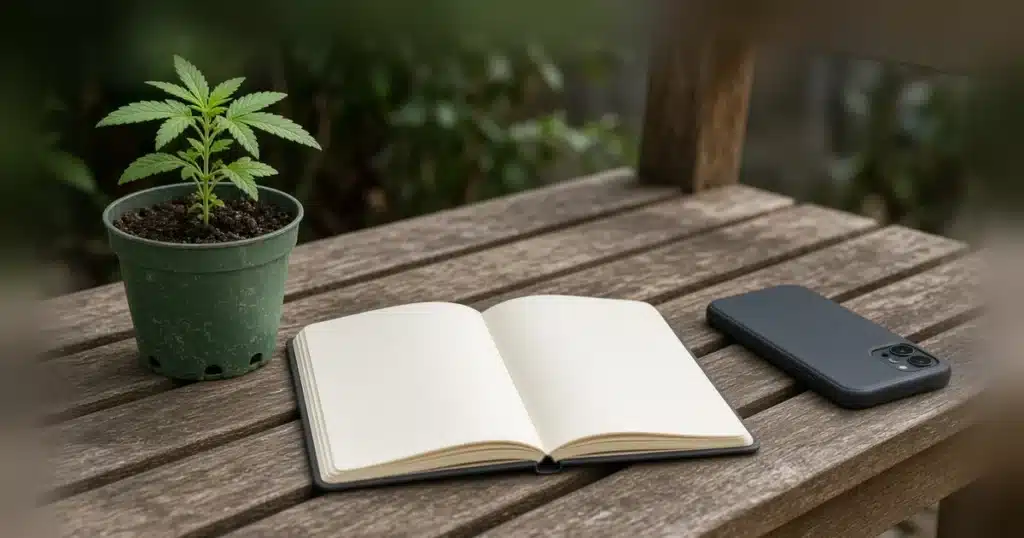
To document your weed plants, take dated photos and notes at every stage, from setting up your grow room to curing your harvest. Log temperature, humidity, light schedule, plant height and anything you change along the way. Kind Seed Co shows you what to record at each stage and why good records make every grow better than the last.
Start with your grow room setup
Setting up a grow room can be tricky, and records make it easier. Snap photos of the empty space to plan where your equipment will go. Label equipment photos with the brand and model. Keep taking photos as you set things up and note where everything goes. If you ever need to rebuild the setup or track down a problem, you will have a clear reference.
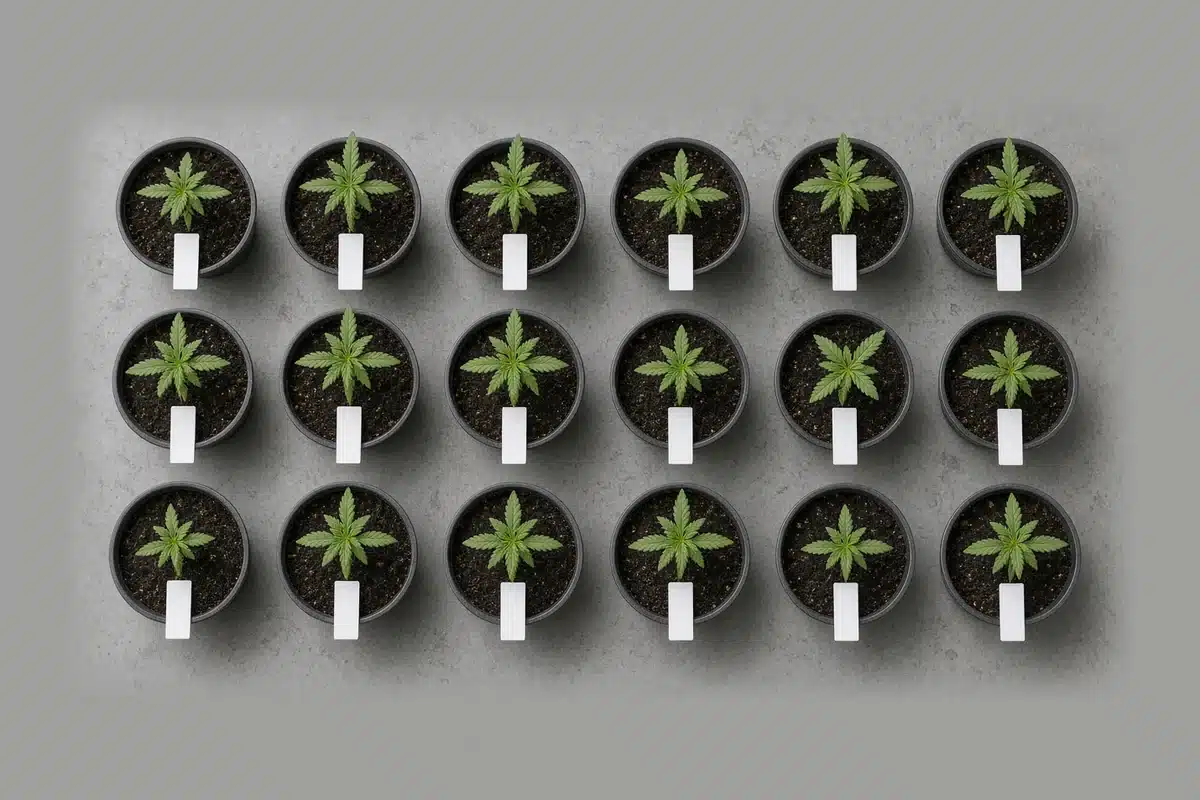
Record the temperature and humidity during setup, since both affect how well your grow goes. A digital thermometer and hygrometer make this easy. If you are growing more than one strain, label every plant, photograph each plant with its label and note the strain name and planting date.
What to record at each stage
Seed preparation
Note where you bought your seeds, the strain and the germination date. Take a photo or video of the seeds and their packaging. If you use the paper towel method, record how many seeds you planted, how long they took to germinate and what percentage sprouted.
Seedling stage
Once seedlings emerge, photograph each plant from a few angles. Record the date they came up, the date you moved them into their permanent pots and the soil or growing medium you used. Note the number of true leaves and the plant height, and start a log of temperature and humidity.
Vegetative stage
Record the date veg began, plant height and the number of nodes. Keep logging the light schedule, humidity and temperature, and photograph each plant from different angles to track its growth. For a refresher on how the stages fit together, read our guide to the life cycle of a marijuana plant.
Flowering stage
Note the date flowering began, plant height and the number of buds per plant. Keep your climate logs current and write down any changes to the light schedule. Some growers set up a live stream of one plant to watch its buds develop. Our guide to moving from the vegetative stage to the flowering stage covers what to watch for.
Harvest, drying and curing
Record the harvest date, the total weight of your buds and how many buds each plant gave you. Photograph the buds before and after trimming and note their overall quality. Keep logging temperature and humidity through drying and curing. Our guide to the final weeks of flowering helps you time the harvest.
| Stage | What to log |
|---|---|
| Setup | Equipment photos, brand and model, placement, temperature, humidity, plant labels |
| Seed prep | Source, strain, germination date, seeds planted, days to sprout, germination rate |
| Seedling | Emergence date, transplant date, growing medium, true leaves, height |
| Veg | Start date, height, nodes, light schedule, climate |
| Flower | Start date, height, bud count, light changes, climate |
| Harvest | Date, total weight, buds per plant, trim photos, drying and curing climate |
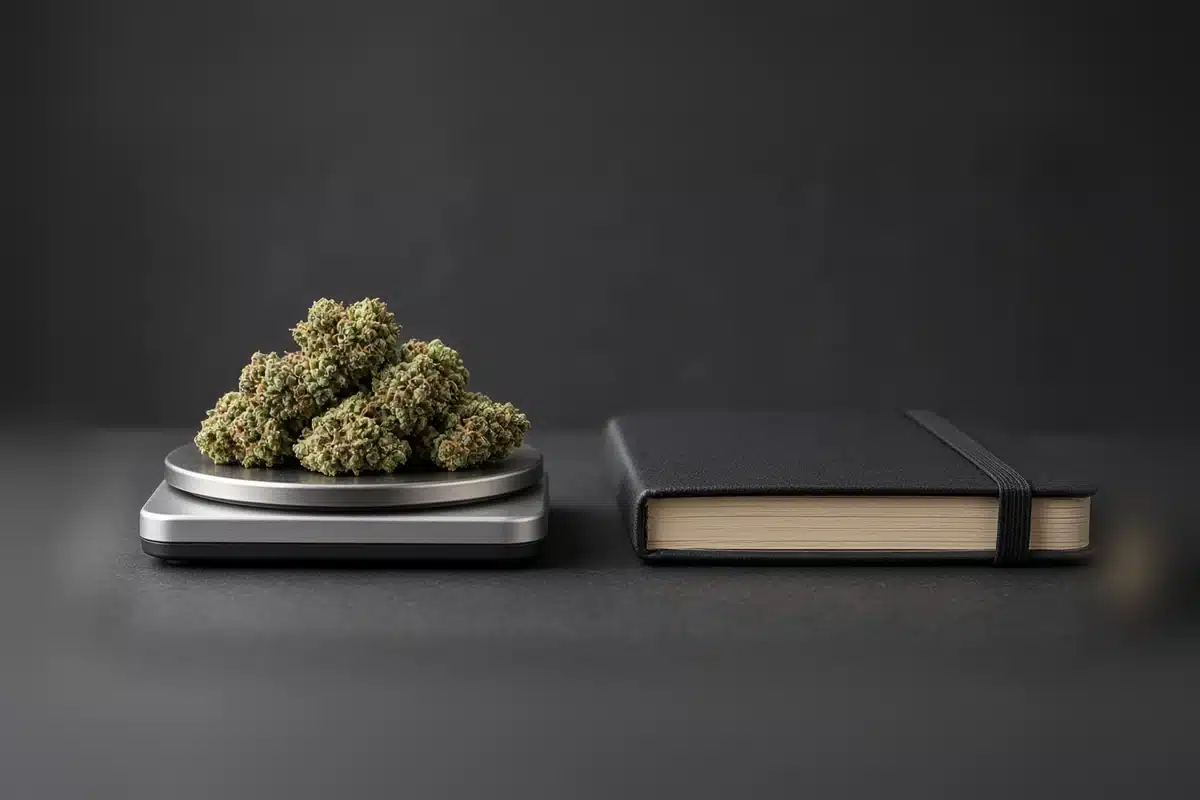
Why detailed grow records are worth it
You get better with every grow
Records show you what worked and what did not. You might notice that one strain wants more or less light than another, or that a certain growing medium gave better results. With that knowledge, you can dial in your technique and grow better plants next time.
You have content to share
Photos, videos and live streams make great content for social media. Share your techniques, the challenges you faced and your thoughts on the strains you grow. Feedback from other growers can help you improve, too.
You can see how far you have come
Looking back through your records shows how much you have learned and where you can still grow. It is a satisfying way to track your progress and stay motivated.
Start your first grow log
Documenting your grow can help you raise your yield, improve quality and sort out problems as they come up. All you need is a camera, a notebook or spreadsheet and a thermometer and hygrometer. If you want a simple first grow to practice logging on, our autoflower seeds are a great place to start.
FAQ
What should I record when growing cannabis?
Log dates for each stage, plant height, node and bud counts, light schedule, temperature and humidity, plus photos of each plant and your equipment.
How do I track germination?
Note the seed source, strain and germination date. If you germinate in paper towels, count the seeds you started, the days they took and the percentage that sprouted.
What tools do I need to document a grow?
A camera, a notebook or spreadsheet, and a digital thermometer and hygrometer to log temperature and humidity.
Why keep records of a cannabis grow?
So every grow becomes a lesson for the next.