
Secondhand Marijuana Smoke: Will It Show on a Drug Test?

Home growers in the USA need to stay informed about the potential implications of secondhand smoke exposure. Knowing the science and the common myths helps you handle places where marijuana is being used and know your rights and responsibilities.
So, will secondhand marijuana smoke show up on a drug test, and worse, will it impact your health negatively? Here is what to know about secondhand smoke and how it affects the body.
Understanding Secondhand Marijuana Smoke
Secondhand marijuana smoke is essentially the residual smoke inhaled or absorbed by individuals who are not directly smoking the substance. Similar to secondhand tobacco smoke, marijuana smoke is produced from two sources: the combustion of the marijuana plant and the exhalation of the smoke by the person smoking. Both sources contain a mix of harmful substances and potentially intoxicating cannabinoids, which, when inhaled, could affect non-smokers.

The Effects of Secondhand Marijuana Smoke on Health
While the risk of failing a drug test due to secondhand marijuana smoke is relatively low, it can still affect your health. Emerging research shows that secondhand marijuana smoke contains many of the same harmful substances found in tobacco smoke, including ammonia and hydrogen cyanide. This could lead to respiratory issues, especially for individuals with pre-existing conditions.
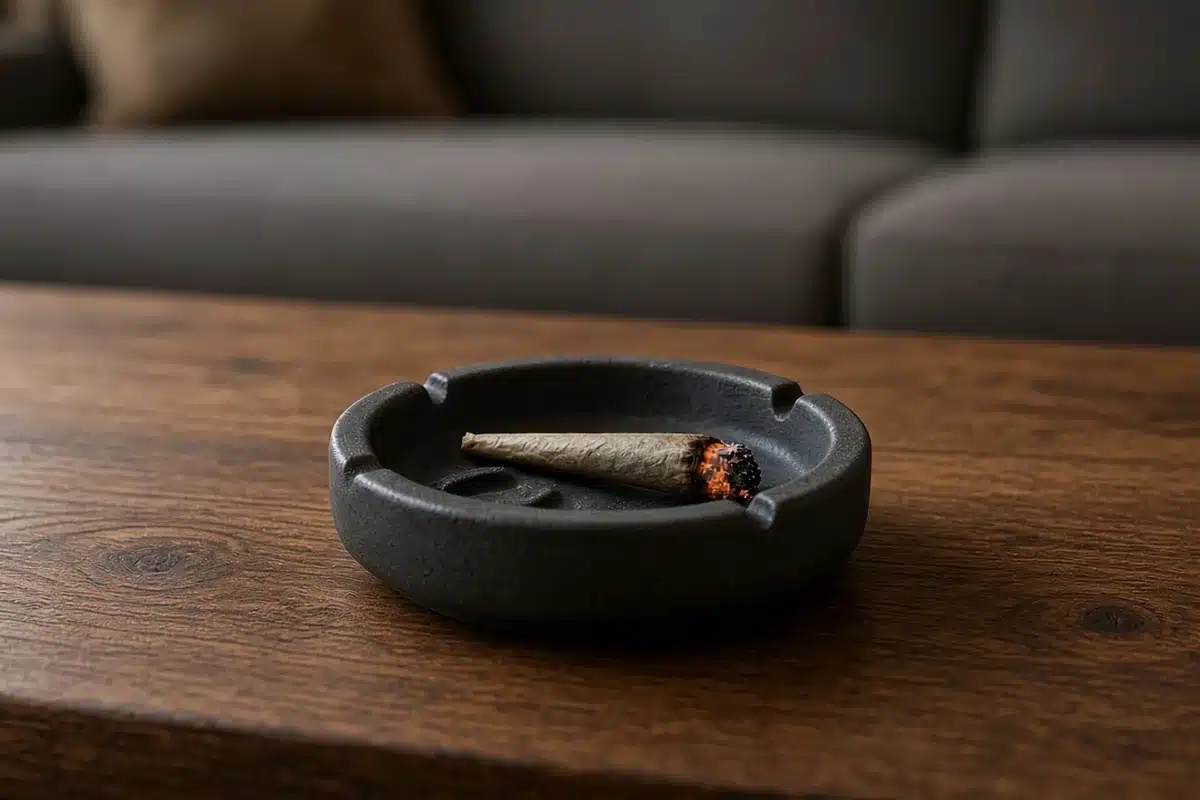
The evidence also suggests that children and pets may be particularly sensitive to secondhand marijuana smoke. This underlines the importance of cautious behavior, particularly in settings where these vulnerable groups may be present.
More research is needed in this area since most studies on secondhand smoke have primarily focused on tobacco. As marijuana use becomes more common, it brings a growing need for further studies on the potential health impacts of secondhand marijuana smoke.
How Drug Tests Detect Marijuana Use
Drug tests often look for the presence of THC (tetrahydrocannabinol), the psychoactive component in marijuana, or its metabolites. Different drug tests, including urine, blood, hair, and saliva tests, vary in their sensitivity to detect these substances.
A urine test is often the most common type of drug test. It can detect marijuana use days or weeks after consumption. Blood and saliva tests tend to identify recent use, but hair tests can indicate marijuana use months after exposure.
The Science Behind Secondhand Smoke and Drug Tests
Though it is theoretically possible for secondhand marijuana smoke exposure to yield a positive drug test, studies have shown that it is unlikely under normal circumstances. Factors like ventilation, proximity, potency, and quantity of marijuana smoked can affect the results, but they would need to be extreme to result in a positive test.
Debunking Common Myths About Secondhand Smoke and Drug Tests
Contrary to popular belief, simply being exposed to secondhand smoke is very unlikely to make you fail a drug test. Most misconceptions stem from misunderstandings or misinformation about how marijuana works in the body and how drug tests detect its use.
There are many misconceptions about secondhand marijuana smoke and drug tests. Many people believe that any exposure to secondhand smoke will automatically result in a positive drug test. While it’s true that exposure to secondhand smoke can lead to the absorption of THC in the bloodstream, the amounts are typically so small that they are unlikely to trigger a positive result on most standard drug tests.
Another common myth is regarding the so-called “contact high,” where some people claim to experience psychoactive effects simply by being in the same room where marijuana is being used. While it is still a topic of ongoing research, most current evidence suggests that experiencing a “contact high” is unlikely under normal circumstances. This is especially true in well-ventilated areas or where the exposure to secondhand smoke is minimal.
It’s also important to debunk the myth that secondhand smoke is harmless. Some may believe that, since it is not inhaled directly, it may not carry the same risks or health effects as actively smoking marijuana. Research disagrees, and shows that secondhand smoke, whether from tobacco or marijuana, contains many of the same harmful and potentially toxic substances. So it’s worth taking steps to minimize exposure.
Preventing Exposure to Secondhand Smoke
There are many simple ways to prevent yourself from being exposed to secondhand smoke. By avoiding environments where marijuana is used and ensuring good ventilation, you can keep yourself from being affected.
For home growers, this may involve certain measures like smoking in a designated area away from non-smokers.
Know Your Rights: Laws About Secondhand Smoke Exposure
Laws regarding secondhand marijuana smoke differ across the United States. Some states have specific regulations to protect non-smokers. It’s always best to know your rights and any potential legal repercussions for both smokers and non-smokers where you live.
Use Cannabis Responsibly
Secondhand marijuana smoke, while unlikely to impact a drug test, remains an important factor to consider for smokers and non-smokers alike. At Kind Seed Co, we want you to feel well-informed about these cannabis-related factors, and we’re happy to provide accurate information and insights related to cannabis, its use, and its cultivation.
Related reading: How to Prevent Weed Odor, What is THC and How It Affects You, THCA and THC: What’s the Difference? and Smoking Weed in a Shisha.
FAQ
Can secondhand smoke cause a failed drug test?
Unlikely in normal, ventilated rooms. Researchers have only seen it with extreme exposure in small, unventilated spaces.
What actually shows on common tests?
Many urine tests look for THC metabolites. Cutoffs and test types differ by employer or lab.
How do I reduce secondhand exposure?
Ventilate, smoke outdoors if legal, and keep kids and unwilling guests out of the plume.
Does vaping change secondhand risk?
Vapor still carries compounds. Courtesy and ventilation still matter.


