Stealth shipping for seeds explained
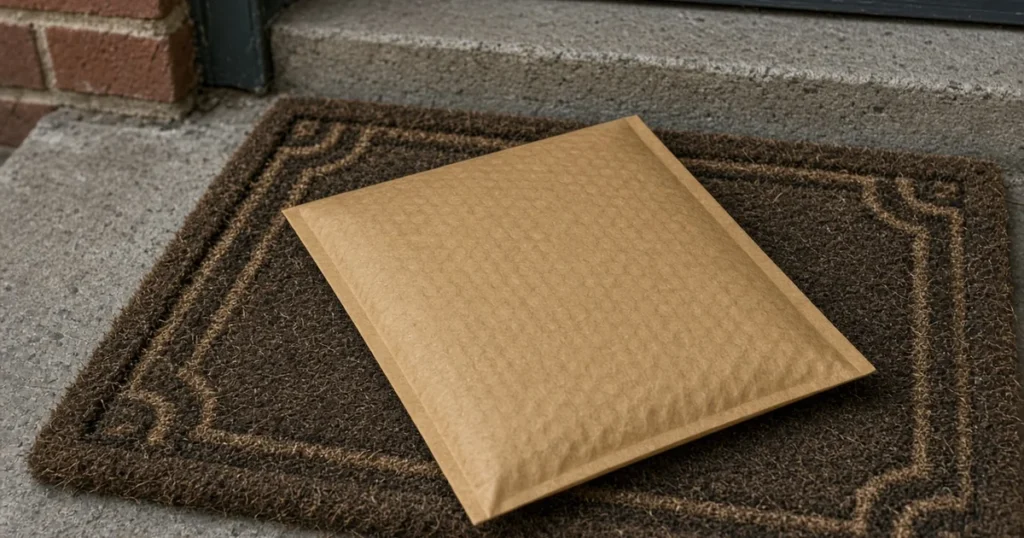
Many seed banks advertise stealth shipping. The phrase sounds dramatic, but in practice it usually means plain, unbranded packaging that does not announce what is inside. Understanding what stealth shipping does, and what it cannot do, helps buyers make sensible choices and avoid false comfort about the law.
What stealth shipping usually means
Stealth shipping, also called discreet shipping, generally includes some mix of these features:
- A plain envelope or box with no cannabis logos or leaf images
- A neutral return address or business name
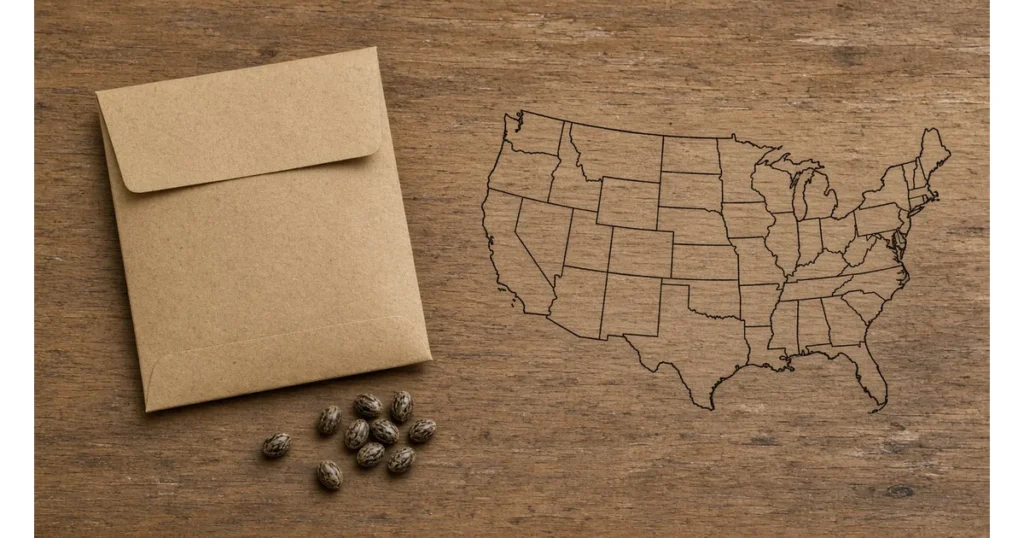
- Seeds placed in a small vial, bag or card sleeve
- Padding to protect seeds from crushing
- Sometimes seeds hidden inside a product such as a T shirt or a pen
The main goals are privacy and protection. Neighbors, roommates and mail carriers do not need to know what you ordered, and seeds are fragile, so good packaging keeps them from being crushed.
What stealth shipping does not do
Stealth shipping does not change whether an order is legal. If seeds are illegal to possess or import where you live, plain packaging does not make them legal. It also does not guarantee delivery. Packages can still be delayed, lost or opened for inspection. Be wary of any seller who suggests that stealth packaging lets you ignore the law.
The legal picture in the United States
For several years, many sellers treated cannabis seeds as hemp under federal law, on the theory that seeds contain very little THC. That view shaped how seeds were sold and shipped across state lines. Federal hemp rules are changing, and new federal seed rules and limits on THC per container take effect on December 11 2026. Read our December 11 2026 seed rule explainer for current detail.
State law also matters. Some states allow adults to own seeds and grow at home, while others do not allow home cultivation at all. Check our guide to the legal requirements for growing weed plants in your state and the official sources in your state before ordering.
Domestic vs international shipping
| Type | Typical transit | Main risks |
|---|---|---|
| Domestic within the US | A few days to two weeks | Carrier delays, loss, changing federal rules |
| From Canada or Europe | One to four weeks or more | Customs inspection, seizure, longer delays |
Domestic orders
Orders shipped within the United States avoid customs, which is why many American buyers prefer a US based seller. Our comparison of seed banks shipping to the USA lists several options.
International orders
Packages crossing a border can be inspected by customs. Seeds may be seized, and the buyer may receive a notice. Sellers often offer a reship if a package is seized, but policies vary. Importing cannabis seeds across a national border raises legal questions beyond domestic rules, so international ordering carries more risk.
Choosing a seller
Clear shipping policy
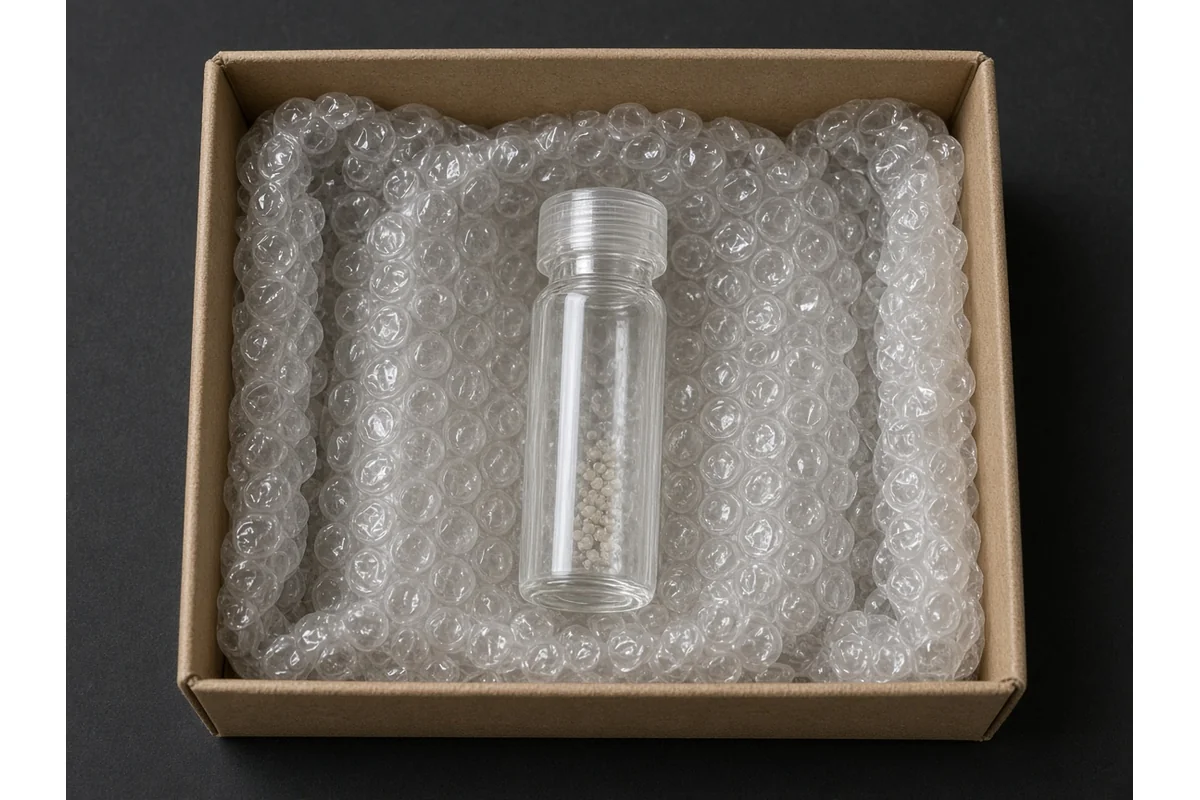
A good seller explains exactly how orders are packed, which carrier is used and what happens if a package is lost or seized. If the policy is vague, ask support before ordering.
Tracking
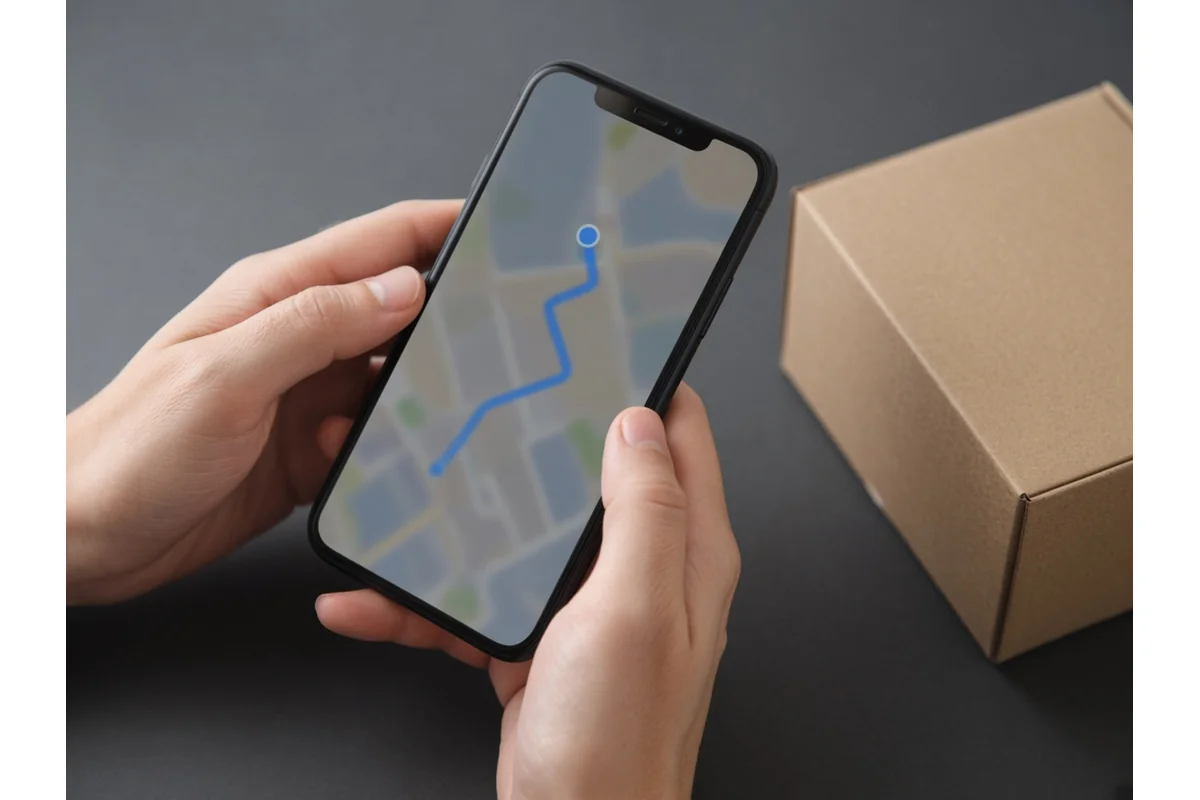
Tracking numbers let you see where an order is and confirm delivery. Some sellers include tracking only for a fee. For valuable orders, tracking is worth it.
Guarantees
Look for a reship or refund policy and a germination guarantee. Read the conditions, since many require you to report problems within a set number of days.
Track record
Check independent reviews and how long the seller has operated. A long history of reliable delivery is a better signal than bold marketing.
Receiving your order
When the package arrives, open it promptly and check the seed count. Store seeds in a cool, dark, dry container. Keep the packaging and order confirmation until you have germinated a few seeds, in case you need to contact support. Our guide on how to germinate cannabis seeds covers what to do next.
Privacy at home
Discreet packaging protects your privacy on the doorstep, but think about what happens after it arrives too. Keep seeds and any plants out of reach of children and away from visitors. If you share a mailbox or a building, a plain package helps, but you are still responsible for following the law and any lease rules.
Common questions about carriers
Buyers often ask which carrier is used. Sellers in the United States commonly use USPS for small envelopes, since seeds are light and fit in flat mailers. Some offer private carriers for faster or tracked delivery. The carrier does not change the legal status of the contents. If you have concerns, read the carrier’s prohibited items rules and the seller’s own policy, and remember that rules may shift after December 11 2026.
Why sellers hide seeds inside products
Some international sellers once hid seeds inside merchandise to reduce the chance of inspection. Many reputable US sellers have moved away from that approach and simply use plain packaging. If a seller’s main selling point is hiding seeds from authorities, treat that as a warning sign rather than a feature. Transparent policies and lawful delivery should matter more than clever packing.
A short checklist before ordering
- Confirm you are 21 or older and that your state allows owning seeds and growing at home.
- Read the seller’s shipping, reship and refund policies in full.
- Choose tracked delivery for larger orders.
- Use an address where you can receive packages promptly, since heat and cold in a mailbox can harm seeds over several days.
Grow legally and responsibly
Home cultivation is only legal in some states, and each state sets its own plant limits, locking rules and rules about whether plants can be visible from a public place. You must be 21 or older to buy seeds from Kind Seed Co, and you should grow only where your state and city allow it. Check your state rules in our guide to the legal requirements for growing weed plants in your state before you plant. Federal treatment of cannabis seeds is also changing, so read our December 11 2026 seed rule explainer before you order. Keep plants and harvested flower locked away from children, pets and visitors, and never drive after using cannabis. This article is general information. It is not legal advice and it is not medical advice.
Frequently asked questions
What is stealth shipping for seeds?
It usually means plain, unbranded packaging with a neutral return address and seeds protected inside, so the contents are not obvious.
Does stealth shipping make buying seeds legal?
No. Packaging does not change the law. Check federal and state rules where you live before ordering.
Can customs seize seeds from another country?
Yes. International packages can be inspected and seized, which is one reason many American buyers prefer domestic sellers.
What should I do if my seed order never arrives?
Check tracking, then contact the seller with your order details. Many sellers offer a reship or refund under set conditions.
Final thoughts
Stealth shipping is mainly about privacy and protecting fragile seeds. It is not a legal shield, and it does not guarantee delivery. Choose a seller with clear policies, tracking and guarantees, prefer domestic shipping if you live in the US, and check the federal rules that change on December 11 2026 along with your state law before you order.
Ready to start
Browse the full range in the Kind Seed Co shop or go straight to kindseed.com. Kind Seed Co sells only to adults 21 and older. Always follow the cannabis laws where you live.