
Why the same strain looks different from two breeders
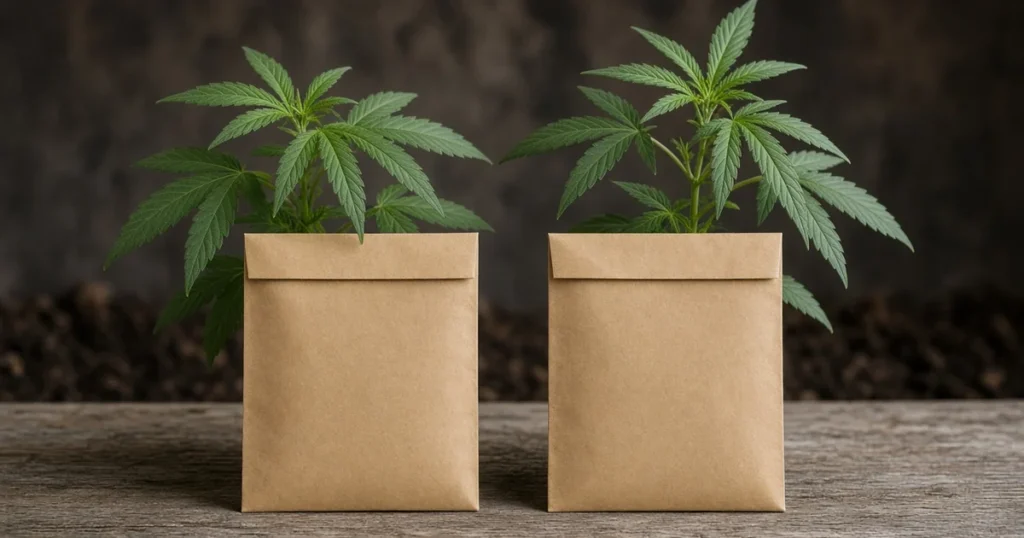
Buy two seed packs with the same strain name from two different breeders, and you may get plants that look, smell and grow quite differently. That surprises many new growers. A strain name feels like a guarantee, but in cannabis it is more like a label that different people have applied to their own versions. This guide explains why the same strain can vary between breeders, what that means for you and how to choose seeds wisely. It is for adults 21 and older in places where home cultivation is legal.
Strain names are not registered
Unlike many crops, cannabis strains have no official registry that controls names. Anyone can call a plant by a famous name. Over the decades, popular strains were passed around as clones and seeds, crossed and recrossed and renamed. Two breeders may each sell a strain under the same name that came from different starting plants.
Different starting plants
Many famous strains started as a single plant or a clone that was shared. When breeders want to sell seeds of that strain, they must make seeds from it, often by crossing it with another plant or reversing it. Each breeder’s choice of partner plant changes the offspring. One breeder might cross the original clone with a sturdy male, while another uses a reversed female. The results can differ.
Different selection choices
Even when two breeders start from similar plants, they make different selections. One might choose plants for aroma, another for yield or a short flowering time. Over a few generations, those choices pull the lines in different directions, even under the same name.
Stability varies
Some breeders work their lines for many generations before selling seeds. Others release seeds sooner. A less stable line can show many phenotypes, so two packs from the same breeder can vary, let alone packs from different breeders.
Environment also plays a role
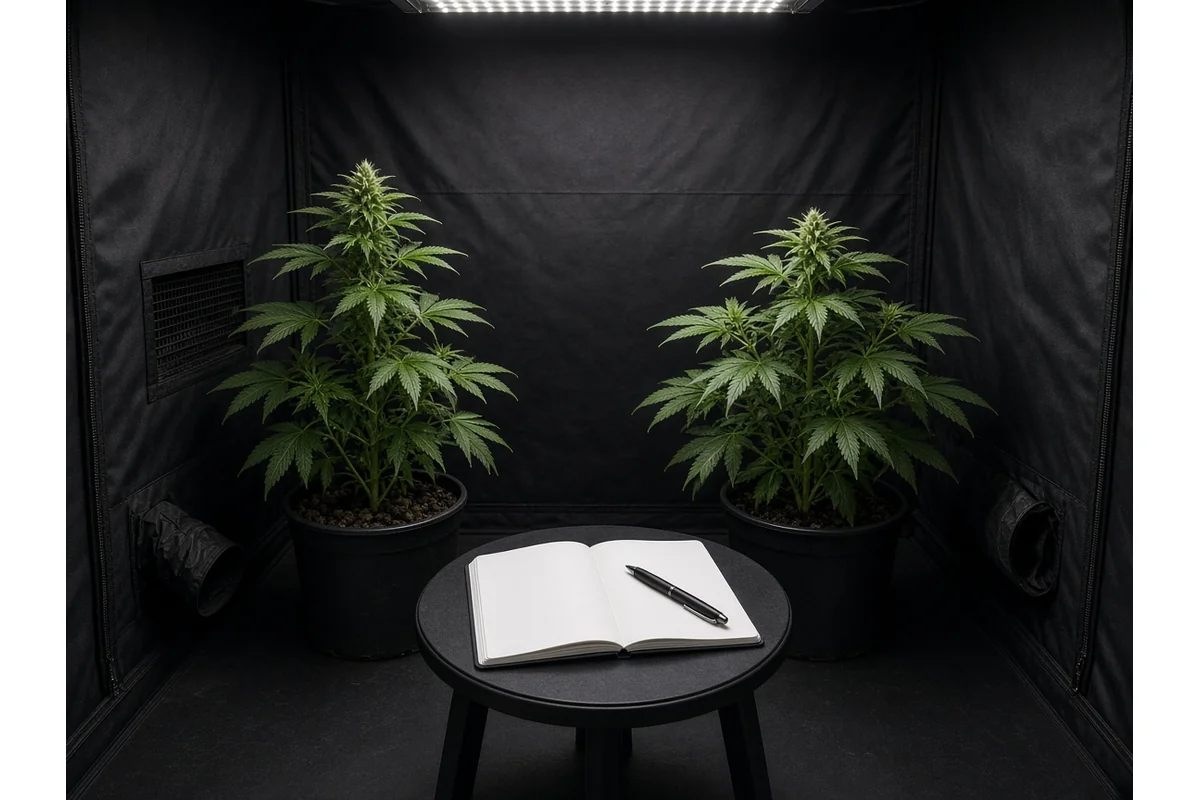
Even identical genetics grow differently in different conditions. Light, temperature, nutrients, pot size and harvest timing all affect the final plant. Two growers with the same seeds may get noticeably different results. When comparing versions, try to grow them side by side in the same conditions.
What can vary
| Trait | Why it differs |
|---|---|
| Aroma and flavor | Different terpene profiles from different parents |
| Height and structure | Different partner plants and selection |
| Flowering time | Selection for speed or longer bloom |
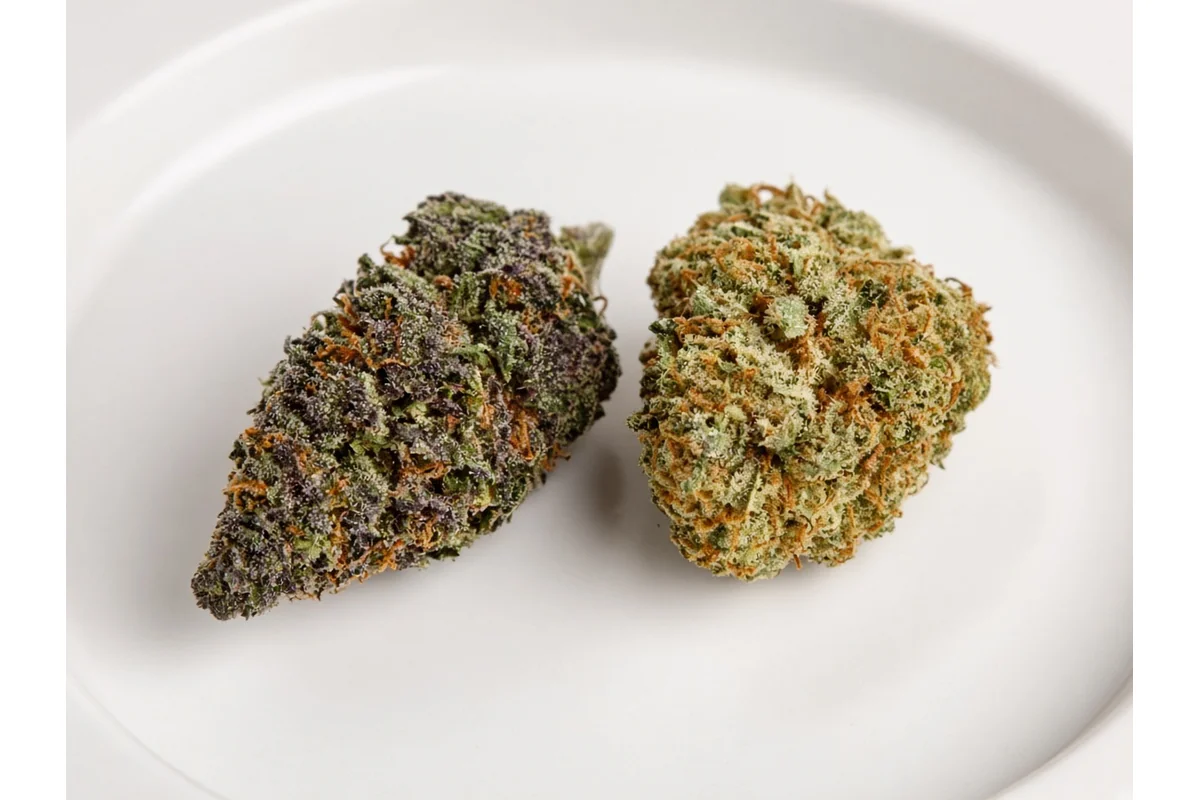
| Color | Genetics plus temperature late in flower |
| Mold resistance | Breeding choices and environment |
| Effects | Different chemical profiles, also personal |
How to choose seeds wisely
- Read the breeder’s description. Look for lineage details, flowering time and growth notes.
- Look for consistency claims. Some breeders describe how stable a line is.
- Read grower reports. Grow diaries and reviews show how plants actually grew.
- Buy from reputable sellers. Established seed banks often carry lines with more history.
- Keep notes. Record which version you grew, so you can compare.
Lab tested flower is not the same as seeds
At a licensed store, a product’s label shows test results for that batch, not for every plant with that name. Seeds of the same name may grow plants with a different profile. Treat a strain name as a starting point, not a promise.
Finding a keeper
If you love a particular version of a strain, the most reliable way to keep it is to take a cutting and keep a mother plant, within your state’s plant limit. That preserves the exact plant you enjoyed, regardless of what other breeders sell under the name.
Learning from the differences
Rather than seeing variation as a problem, many growers enjoy it. Growing two versions of a favorite strain side by side is a fun way to learn how genetics and environment work together. You may even find a version you like better than the one you started with.
Clones versus seeds
Some famous strains are best known as clone only plants, meaning the original plant has been kept alive by cuttings rather than seeds. A clone is a genetic copy, so every cutting of the same clone shares its traits. Seeds are different. Even seeds from the same two parents grow into a range of plants, much as siblings in a family share traits but do not look identical. When a breeder sells seeds of a clone only strain, they are selling the offspring of that clone, not the clone itself.
Reading a seed description
A good description tells you more than the strain name. Look for:
- The parent plants or the lineage.
- Whether the seeds are feminized, regular or autoflowering.
- The expected flowering time.
- The plant height and structure indoors and outdoors.
- The aroma and flavor notes.
- Any notes on stability or phenotypes.
Descriptions that include only a famous name and big claims give you less to go on.
Hunting phenotypes
Many growers grow several seeds of the same strain to find a favorite phenotype. This is called pheno hunting. Plant a few seeds within your state’s plant limit, label each one and take a cutting before flowering. After harvest, compare the plants and keep the clone of the best one. Even within one breeder’s pack you may see two or three distinct types.
A note on names you see at stores
You may see the same strain name on flower from different producers at a licensed store. Each producer may grow a different version, and their growing methods differ too. That is why reading the label and trying small amounts first makes sense, even with a name you know.
Keeping it simple
For a first grow, pick a well described strain from a reputable seed seller and focus on growing it well. Once you have a few harvests behind you, comparing versions from different breeders becomes a rewarding way to learn more about cannabis genetics.
Grow legally and responsibly
Home cultivation is only legal in some states, and each state sets its own plant limits, locking rules and rules about whether plants can be visible from a public place. You must be 21 or older to buy seeds from Kind Seed Co, and you should grow only where your state and city allow it. Check your state rules in our guide to the legal requirements for growing weed plants in your state before you plant. Federal treatment of cannabis seeds is also changing, so read our December 11 2026 seed rule explainer before you order. Keep plants and harvested flower locked away from children, pets and visitors, and never drive after using cannabis. This article is general information. It is not legal advice and it is not medical advice.
Frequently asked questions
Why do strains with the same name grow differently?
Names are not registered, so breeders may use different starting plants, partners and selection choices.
Is a strain name a guarantee of effects?
No. Treat it as a starting point, since chemistry can differ between versions and batches.
How can I keep a version I like?
Take a cutting and keep a mother plant within your state’s plant limit.
How do I compare two versions?
Grow them side by side in the same conditions and keep notes.
Final thoughts
The same strain name can mean different genetics from different breeders, because names are not registered and each breeder makes different crosses and selections. Read descriptions, check grower reports, buy from reputable sellers and keep notes on what you grow.
Ready to start
Browse the full range in the Kind Seed Co shop or go straight to branded. Kind Seed Co sells only to adults 21 and older. Always follow the cannabis laws where you live.