Are cannabis seeds hemp under federal law after December 11 2026
General information only, not legal advice. Kind Seed Co sells only to adults 21 and older.
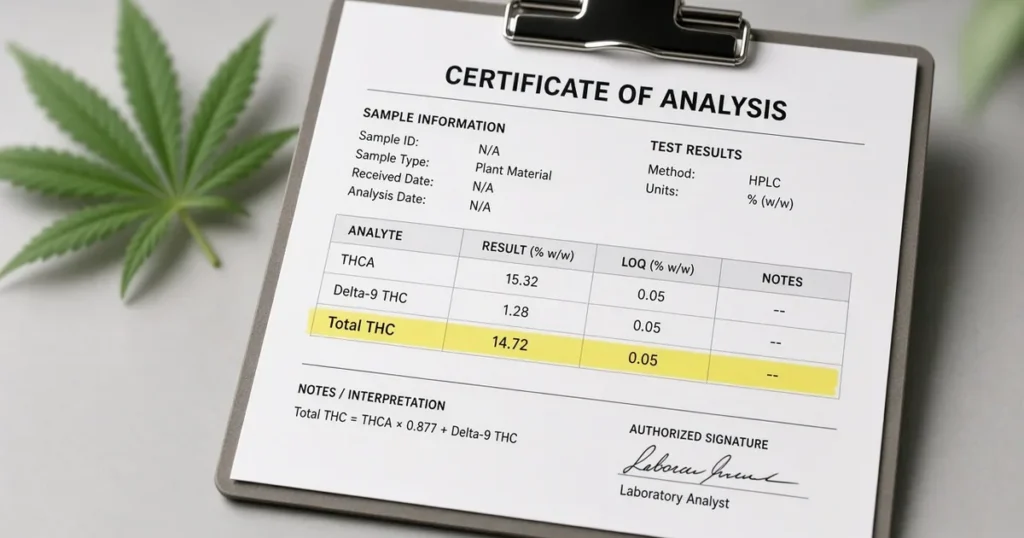
Short answer: No. Unless Congress extends or changes the rule, cannabis seeds will not count as hemp after December 11, 2026. The amended hemp definition at 7 U.S.C. 1639o excludes viable seeds from a Cannabis sativa L. plant that exceeds 0.3 percent total THC, including THCA, on a dry weight basis. Because the test looks at the parent plant, seeds from typical drug type cannabis plants fall outside the hemp definition once the change takes effect. The effective date comes from Public Law 119-103, which delayed this part of the change from November 12 to December 11, 2026.
Why people thought seeds were hemp
Under the 2018 farm bill, hemp meant Cannabis sativa L. and any part of the plant, including seeds, with no more than 0.3 percent delta-9 THC on a dry weight basis. Seeds themselves contain very little THC. In January 2022, a letter from the DEA’s Drug and Chemical Evaluation Section said cannabis seed that met that delta-9 limit fit the hemp definition.
That letter was not a regulation or a statute, but it became the basis for how many seed sellers and buyers understood the law. It is also why people still ask the question today.
What the law says now
Public Law 119-37, Division B, section 781, rewrote the hemp definition in November 2025. The new text adds an exclusion. Hemp “does not include any viable seeds from a Cannabis sativa L. plant that exceeds a total tetrahydrocannabinols concentration (including tetrahydrocannabinolic acid) of 0.3 percent in the plant on a dry weight basis.”
So the answer depends on three facts:
- Is the seed viable? The exclusion covers viable seeds.
- What plant did it come from? The test is on the plant, not the seed.
- What was that plant’s total THC? Total THC counts THCA, not only delta-9 THC.
If the parent plant is above the limit, the seed is outside the hemp definition after the effective date. We explain the total THC measure in what total THC means in the new federal hemp definition.
When it applies
According to the Congressional Research Service (In Focus IF13136), the new definition was originally set to begin on November 12, 2026, 365 days after Public Law 119-37 was enacted. Public Law 119-103, section 2019, then limited what applies before December 11, 2026, to certain products with cannabinoids the plant cannot naturally produce. CRS reads that as moving the seed exclusion to December 11, 2026.
That means the date to know for seeds is December 11, 2026, unless Congress changes it again. CRS lists bills that would delay the definition for two more years and one that would repeal it. None was law when we wrote this.
What “not hemp” means in practice
CRS says items excluded from the hemp definition are treated under the Controlled Substances Act rather than as hemp. The federal definition of marijuana at 21 U.S.C. 802(16) has its own carve outs, including for hemp and for sterilized seed that cannot germinate.
We are not going to walk through how to fit a product into a carve out. That is a job for a lawyer who knows your facts. What we can say plainly is that federal law and state law are separate, and both can apply to you at the same time.
What about states that allow home grow?
State legalization does not change the federal hemp definition. It also works the other way. The federal change does not rewrite your state’s home grow rules, plant counts or age limits. If you live in a state with legal home cultivation, your state law still sets what you may grow at home. Our USA seed law pages give state by state starting points, and your state’s official cannabis agency has the final word.
A quick comparison
| Question | Before Dec 11 2026 | From Dec 11 2026 |
|---|---|---|
| What is measured | Delta-9 THC | Total THC, including THCA |
| Measured on what | The material itself, per the 2022 DEA letter | The parent plant |
| Seed treatment | Widely treated as hemp if under the limit | Viable seeds from plants above the limit are excluded |
This table is a summary of the statute and CRS reading, not legal advice.
Common misunderstandings
“Seeds have almost no THC, so they are still hemp.” The new text does not test the seed. It tests the plant the seed came from.
“My state is legal, so the federal rule does not matter.” Both systems apply. State law cannot override federal law.
“The rule started in November.” For seeds, the scheduled date is December 11, 2026. Read our explainer on the November rumor.
“Hemp is gone.” No. CRS notes the new definition expressly keeps industrial hemp, including hemp grown for fiber, grain and oil.
How to keep up as the law changes
This area of law is moving quickly, so a few habits help.
- Bookmark the primary sources. The U.S. Code text at uscode.house.gov and the CRS reports on congress.gov are updated when the law changes. Blog posts, including this one, can fall behind.
- Watch the bill numbers. CRS lists H.R. 7024, H.R. 7010 and S. 3686 as delay bills and H.R. 6209 as a repeal bill. Searching those numbers on congress.gov shows their current status.
- Check your state agency. State cannabis regulators often post guidance when federal rules shift.
- Get advice before you act. If you are unsure how the rule applies to you, talk to an attorney first.
Sources
- 7 U.S.C. 1639o, as amended by Public Law 119-37, Division B, section 781
- Public Law 119-103, section 2019
- Congressional Research Service, In Focus IF13136 (congress.gov)
- 21 U.S.C. 802(16)
- DEA Drug and Chemical Evaluation Section letter, January 2022
Keep reading
For state rules, visit the Kind Seed Co USA hub. This article is not legal advice.
FAQ
Are cannabis seeds hemp right now?
Until December 11, 2026, the older delta-9 based definition still governs seeds, per CRS. From that date, viable seeds from plants above 0.3 percent total THC are excluded from hemp.
Are hemp seeds you eat affected?
The exclusion is aimed at viable seeds from high THC plants. CRS notes industrial hemp, including hemp grown for grain and oil, stays inside the definition. Check product labels and ask counsel for specific cases.
Does this make home growing illegal in my state?
It does not change your state’s home grow law. It does change how seeds are treated federally. Read your state’s statute and talk to a lawyer if you are unsure.
Could the date move again?
Yes. Bills to delay or repeal the change have been introduced. Check congress.gov for current status.
Who decides what counts as viable?
That is a legal and factual question. A qualified attorney is the right person to ask.