Best hygrometers for cannabis grow tents
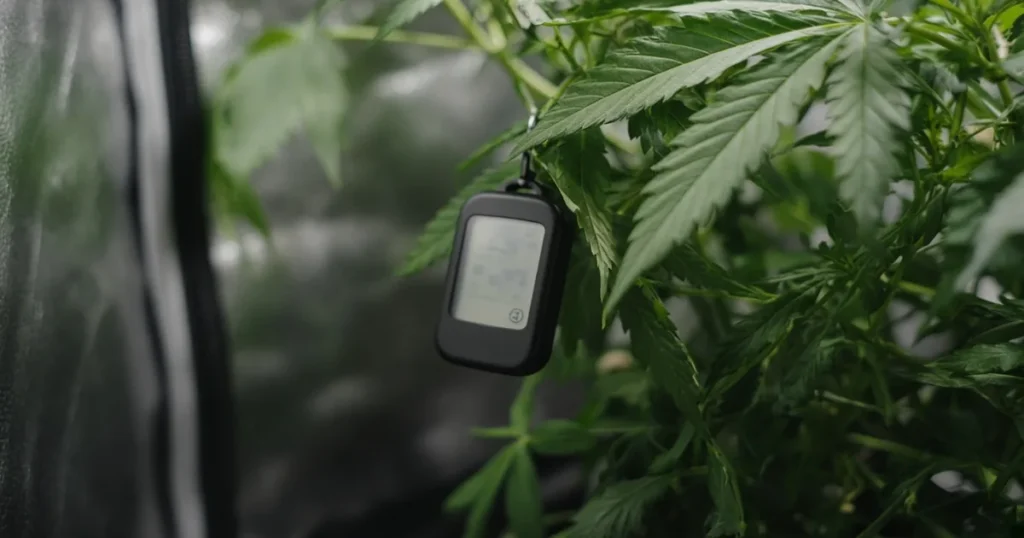
Humidity is one of the most important numbers in a grow tent, and a hygrometer is how you measure it. Too much humidity invites mold and mildew. Too little can stress plants. A good hygrometer helps you spot problems early and adjust fans, humidifiers and dehumidifiers. This guide explains the types of hygrometers, what features matter and how to use one well. It is written for adults 21 and older growing where home cultivation is legal.
What a hygrometer measures
A hygrometer measures relative humidity, or RH. That is how much moisture the air holds compared with the most it could hold at that temperature. Most grow hygrometers also measure temperature, which you need for the full picture.
Types of hygrometers
Basic digital units
Small battery powered units with a screen. They are cheap and easy to read. Many show highs and lows since the last reset.
Wireless and smart sensors
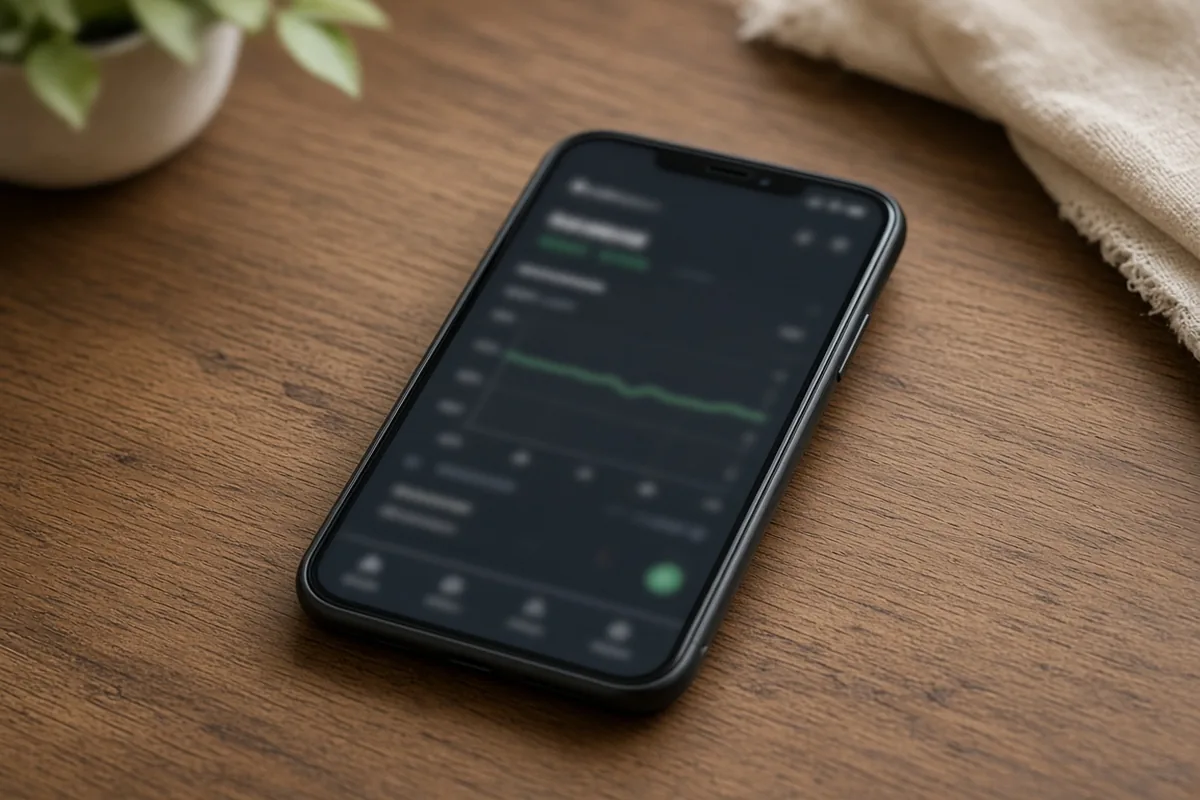
These send readings to a phone app. Many log history, show graphs and send alerts when humidity goes out of range. They are useful if you cannot check your tent often.
Analog dials
Old style dial gauges. They are usually less accurate and harder to read. Most growers now prefer digital.
Controller probes
Some fan controllers and environmental controllers come with built in sensors. These can adjust equipment automatically based on readings.
Common humidity ranges
Many growers aim for ranges like these. Exact targets vary by strain, temperature and grower preference.
| Stage | Common RH range |
|---|---|
| Seedlings and clones | Higher, often 65 to 75 percent |
| Vegetative | Moderate, often 50 to 70 percent |
| Flower | Lower, often 40 to 55 percent |
| Late flower | Lower still, often 40 to 50 percent |
| Drying | Often around 55 to 62 percent |
Features that matter
- Accuracy. Look for a stated accuracy, and plan to check it yourself.
- Min and max memory. Shows what happened overnight.
- Data logging. Graphs reveal patterns you would miss.
- Alerts. Phone alerts help you react fast.
- Probe placement. A remote probe lets you measure at canopy height.
Where to place a hygrometer
Hang it at canopy height, out of direct light. Readings near the floor or right under the light can be off. In a big tent, use two sensors in different spots to check for pockets of damp air.
How to check accuracy
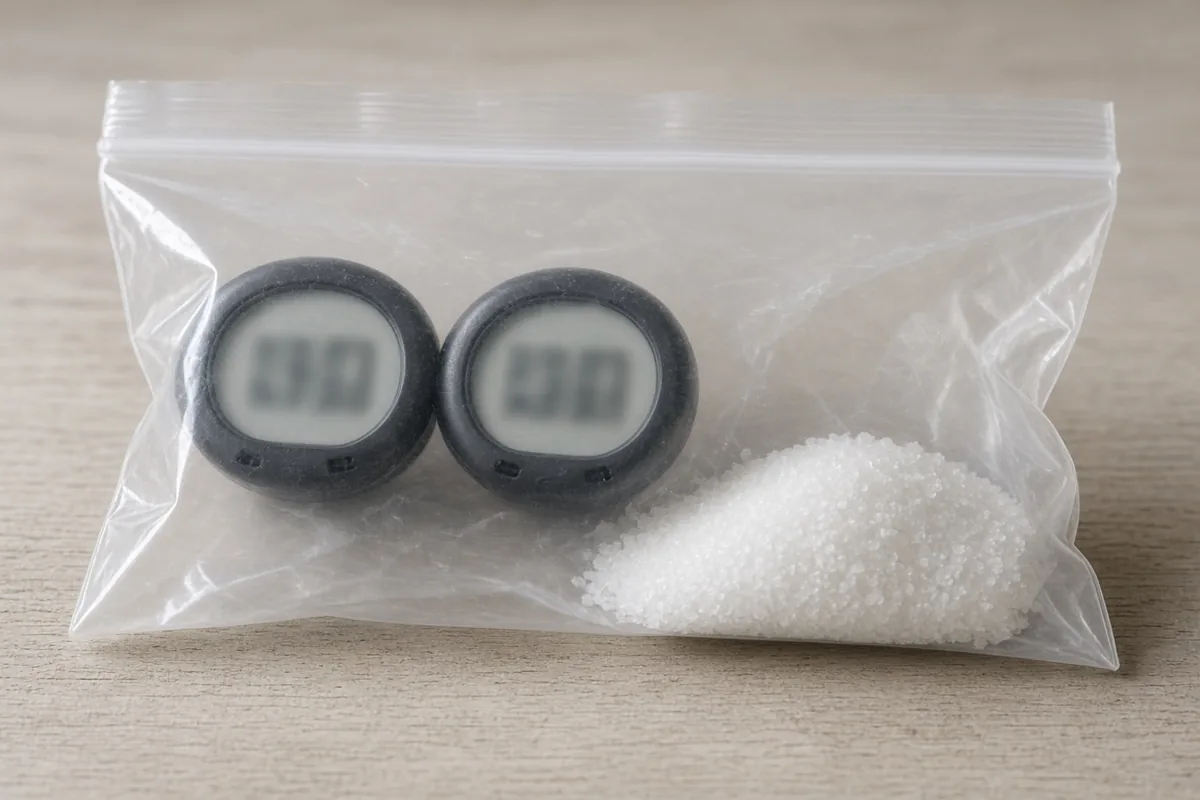
A simple salt test works well.
- Put a small pile of table salt in a cap and add a few drops of water to make a damp paste.
- Seal the cap and the hygrometer together in a zip bag.
- Wait several hours at a steady room temperature.
- The reading should be close to 75 percent. Note the difference and adjust in your head, or calibrate if your unit allows it.
Using humidity data
- If humidity runs high, increase exhaust fan speed, add a dehumidifier or reduce watering.
- If humidity runs low, add a humidifier or lower fan speed.
- Watch overnight lows and highs. Lights off periods often bring humidity spikes.
Humidity and VPD
Some growers go a step further and track vapor pressure deficit, or VPD. VPD combines temperature and humidity into one number that relates to how plants move water. You do not need to chase VPD as a beginner. Keeping humidity and temperature in common ranges is a good start.
Drying and curing
A hygrometer is just as useful after harvest. Many growers dry in a dark space with steady humidity and then cure in jars. Small hygrometers inside jars help you know when buds are ready to seal and when to open them for fresh air.
Common mistakes
- Trusting one cheap sensor. Check it with a salt test or a second unit.
- Placing it in the wrong spot. Measure at canopy height, not on the floor.
- Ignoring overnight readings. Problems often happen with lights off.
- Chasing perfect numbers. Aim for a steady range rather than a single target.
Pairing your hygrometer with other gear
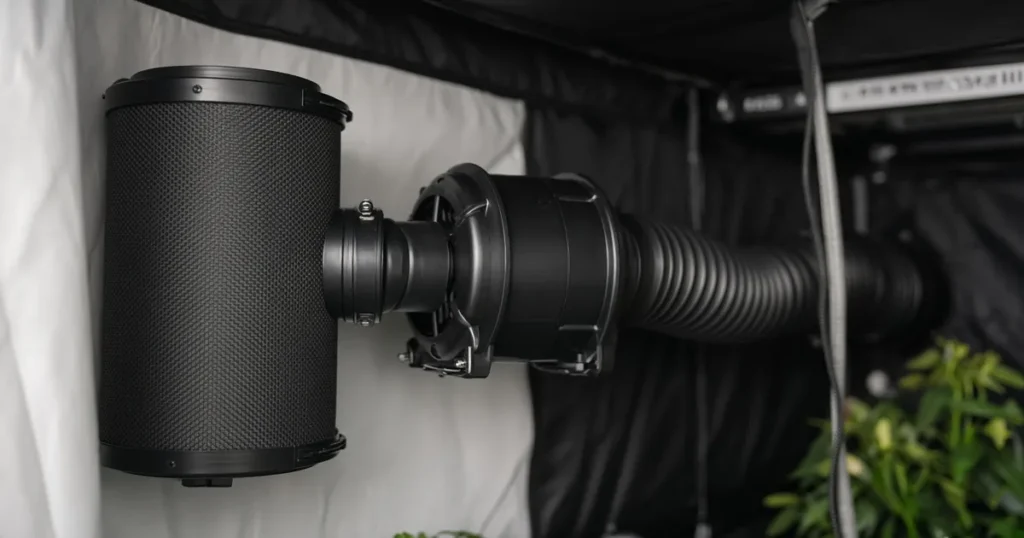
A hygrometer only tells you what is happening. Fans, humidifiers and dehumidifiers fix it. In a small tent, an inline fan with a speed controller is often enough to manage humidity. In a damp basement, a dehumidifier may be needed. A smart sensor that logs data helps you see whether each change worked.
Battery and power tips
Battery powered hygrometers are easy to place, but weak batteries can cause odd readings. Replace batteries on a schedule, such as at the start of each grow. Smart sensors that connect to Wi Fi may need a hub or a strong signal near the tent, so test the connection before you rely on alerts.
How many hygrometers do you need
One good sensor is enough for a small tent. Larger tents, rooms or setups with several tents benefit from one sensor per space. A second cheap unit is also useful as a backup and a quick accuracy check. Many growers keep one extra for drying and curing jars.
Temperature matters too
Humidity and temperature are linked. Warm air can hold more moisture than cool air, so the same amount of water reads as a lower RH when the tent is warm and a higher RH when it cools. This is why humidity often spikes when lights turn off and the tent cools down. Watch both readings together. If nights bring big humidity jumps, a small heater, a dehumidifier on a timer or a higher fan speed at lights off can help.
Seedlings and humidity domes
Seedlings like higher humidity while their roots develop. A clear dome over a seedling tray holds moisture in. Put a small hygrometer under the dome so you know when to vent it, and open the dome a little more each day as seedlings grow.
Picking strains for your climate
Some strains handle humidity better than others. Growers in damp areas often choose genetics known for resisting mold and finishing before wet weather. See our indoor seeds for tent friendly options and the full shop for more.
Final thoughts
A good hygrometer is one of the cheapest tools in a grow and one of the most useful. Pick a digital or smart unit, check its accuracy, place it at canopy height and act on what it tells you.
Grow legally and responsibly
Home cultivation is only legal in some states, and each state sets its own plant limits, locking rules and rules about whether plants can be visible from a public place. You must be 21 or older to buy seeds from Kind Seed Co, and you should grow only where your state and city allow it. Check your state rules in our guide to the legal requirements for growing weed plants in your state before you plant. Federal treatment of cannabis seeds is also changing, so read our December 11 2026 seed rule explainer before you order. Keep plants and harvested flower locked away from children, pets and visitors, and never drive after using cannabis. This article is general information about gardening. It is not legal advice and it is not medical advice.
Frequently asked questions
What humidity should a cannabis tent be in flower?
Many growers aim for roughly 40 to 55 percent in flower, lower in the last weeks.
How do I test hygrometer accuracy?
Use the salt test. A sealed bag with damp salt should read close to 75 percent.
Where should I place a hygrometer?
At canopy height, out of direct light.
Are smart hygrometers worth it?
They help if you cannot check your tent often, since they log data and send alerts.
Ready to start
Browse the full range in the Kind Seed Co shop or go straight to indoor seeds. Kind Seed Co sells only to adults 21 and older. Always follow the home grow laws where you live.