Cannabis leaf symbol history and meaning
Few plant shapes are as instantly recognizable as the cannabis leaf. It shows up on flags, shirts, store signs, album covers and tattoos. Most people know it the moment they see it, but fewer know how it became a symbol or what it has meant to different groups over the years. This article traces the history of the leaf as a symbol, explains the botany behind the shape and looks at how its meaning has shifted from protest to commerce. It is a culture piece for adults 21 and older.
The botany behind the shape
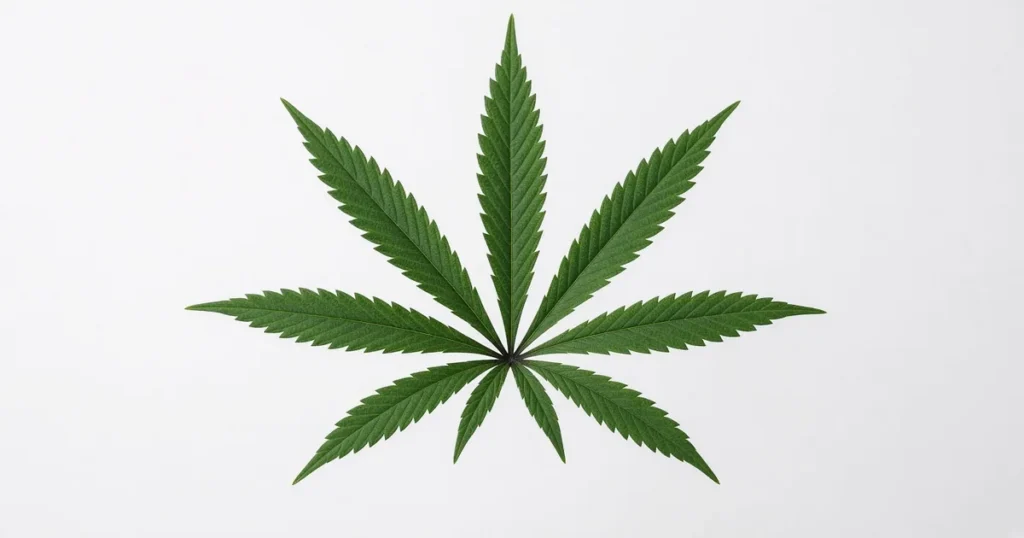
The classic image is a fan leaf, one of the large leaves that grow along the stems of a cannabis plant. Each fan leaf is palmate, which means its leaflets spread out from a single point like fingers from a palm. The leaflets have serrated edges, with small teeth running along each side.
Real plants vary. Seedlings put out leaves with just one or three leaflets at first. Mature fan leaves often have five, seven or nine leaflets, and occasionally more. Plants with broader leaflets are often described as indica leaning, while plants with long, narrow leaflets are often described as sativa leaning, although modern hybrids blur those lines. The seven leaflet version became the standard symbol mostly because it looks balanced and is easy to draw.
Early history
Cannabis has been grown for thousands of years for fiber, seed and resin, and it appears in art and texts from many cultures. For most of that time, though, the leaf was not a symbol in the modern sense. It was simply a familiar crop. Hemp fields were common in many countries, and the leaf would have been as ordinary to farmers as a cornstalk.
Prohibition and a new meaning
In the United States, the federal Marihuana Tax Act of 1937 effectively pushed cannabis out of legal use. Over the following decades the plant became associated with crime in official messaging. Government campaigns and films showed the leaf as a warning sign.
That changed in the 1960s and 1970s. As the counterculture grew, the leaf was reclaimed as a symbol of rebellion, personal freedom and opposition to drug laws. It appeared on posters, buttons and patches. Wearing a leaf in public became a small act of protest.
Music and pop culture
Through the 1970s and beyond, the leaf became tied to music scenes, especially reggae and later hip hop and rock. Album art, concert posters and band shirts helped spread the image around the world. By the 1990s the leaf was a staple of streetwear and skate culture. In each scene the symbol carried a slightly different message, from spiritual practice to party culture to political dissent.
The leaf in advocacy
Reform groups have used the leaf in logos and campaign materials for decades. For advocates, it represents the push to change laws, reduce arrests and allow legal access for adults and patients. Some groups prefer to avoid the leaf, though, because they want to appeal to voters who may associate it with old stereotypes. That tension shows how loaded the symbol has become.
The leaf in the legal market
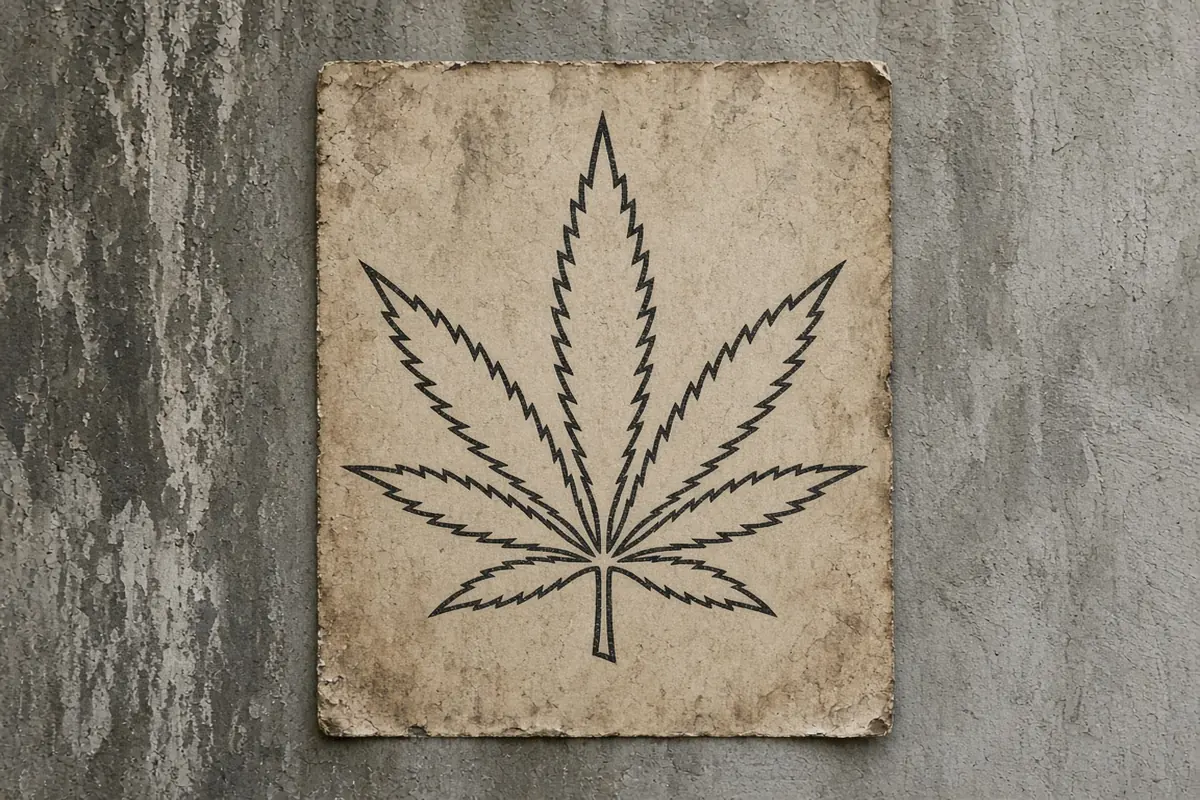
As states legalized, the leaf moved from protest to commerce. Many licensed stores use green crosses, leaf outlines or both. At the same time, some states restrict cannabis advertising, including imagery that might appeal to minors, and some stores use more subtle branding to fit in on main streets. The leaf now sits in an interesting middle ground. It is still a cultural symbol, but it is also a brand element.
Common meanings today
| Context | What the leaf often signals |
|---|---|
| Advocacy | Support for legal reform |
| Retail signage | A licensed cannabis store |
| Fashion and art | Personal identity or style |
| Grow culture | Pride in growing your own |
| Music | Connection to a scene or genre |
The leaf versus the flower
Here is a fun irony. The leaf is the symbol, but the part most people actually use is the flower. Fan leaves are usually removed during trimming and contain very little resin compared with buds. Growers know that healthy fan leaves are important while the plant is alive, though, because they power photosynthesis. Watching your fan leaves is one of the best ways to spot problems early, and our leaf symptom guide to common deficiencies shows what to look for.
Respectful use of the symbol
Context matters. A leaf shirt that is fine at a festival might not be appropriate at work or around children. In some places, displaying cannabis imagery can still draw attention from employers, landlords or schools. Think about your setting before you wear or display the symbol.
The leaf for growers
For home growers, the leaf has a more personal meaning. It is the first sign of life when a seedling opens its first true leaves, and it is the main way the plant tells you how it is doing. Seeing a full canopy of healthy fan leaves is one of the most satisfying parts of growing. Start your next plant with our guide on how to germinate cannabis seeds and watch the iconic shape appear for yourself.
Colors and variations
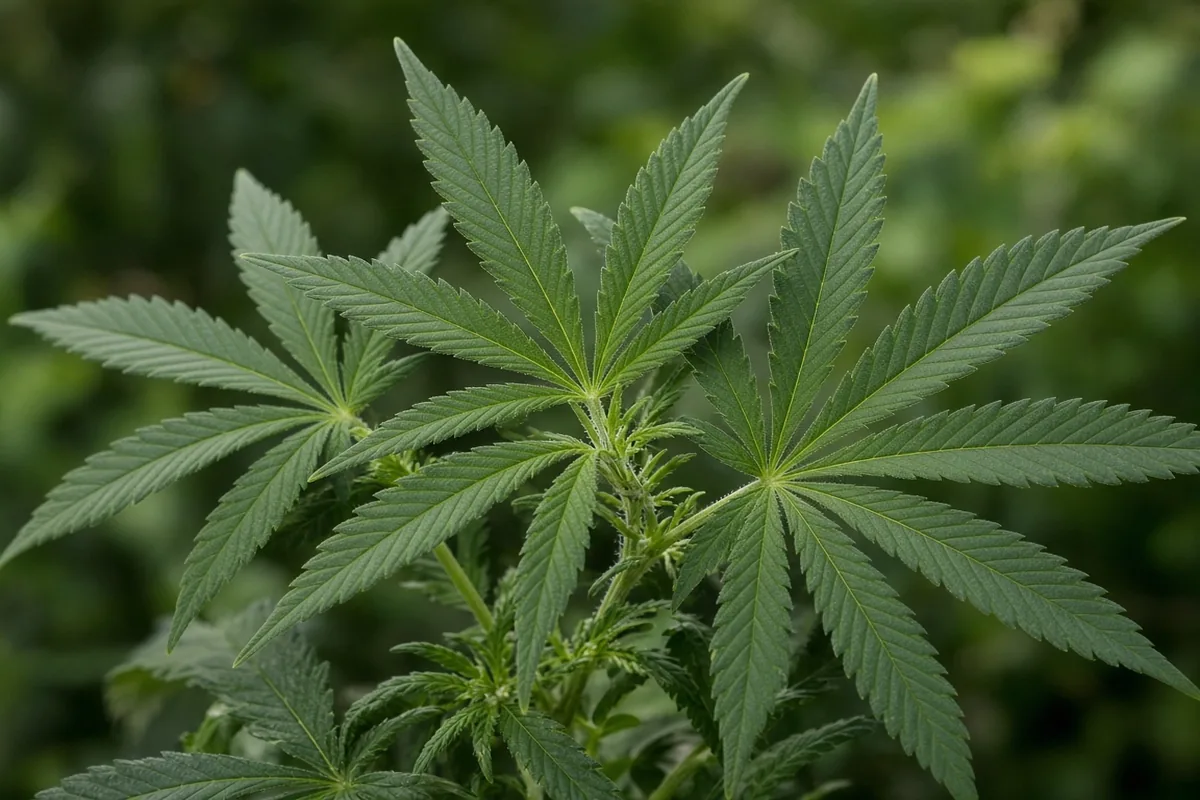
The leaf is almost always shown in green, but real plants can show purple, red or deep burgundy tones late in flower, especially when nights turn cool. Artists sometimes use those colors to give the symbol a fresh look. Rasta red, gold and green is another common pairing that links the leaf to reggae culture. Each color choice adds its own layer of meaning.
Enjoy cannabis culture responsibly
Cannabis is only legal for adults in some states, and the rules on possession, public use and home growing change from place to place. Kind Seed Co sells only to adults 21 and older, and nothing here is an invitation to break the law where you live. If you want to know what is allowed in your state, start with our guide to the legal requirements for growing weed plants in your state. Never drive after using cannabis, keep it away from kids and pets, and respect anyone who chooses not to partake. This article is general information about culture and history. It is not legal advice and it is not medical advice.
Frequently asked questions
Why does the cannabis leaf usually have seven points?
Mature fan leaves often have five to nine leaflets. The seven leaflet version became the standard symbol because it is balanced and easy to draw.
When did the leaf become a protest symbol?
Mostly in the 1960s and 1970s, when the counterculture reclaimed it as a sign of personal freedom and opposition to drug laws.
Is the leaf the part of the plant people use?
Not usually. The flower holds most of the resin. Fan leaves power growth and are trimmed away at harvest.
Can stores use the leaf in signs?
It depends on the state. Some restrict cannabis imagery in advertising, especially anything that could appeal to minors.
Final thoughts
The cannabis leaf has traveled from ordinary farm crop to warning sign to protest symbol to retail brand. Its meaning depends on who uses it and where. For growers, it is also a living signal of plant health and one of the joys of the garden.
Ready to start
Browse the full range in the Kind Seed Co shop or go straight to kindseed.com. Kind Seed Co sells only to adults 21 and older. Always follow the cannabis laws where you live.