The Emerald Triangle and how it shaped US cannabis
Few places are as closely tied to American cannabis as the Emerald Triangle. Three rugged counties in Northern California became famous for outdoor cannabis long before legalization, and the region’s story still shapes how people talk about craft, terroir and sun grown flower. This article looks at the Emerald Triangle and how it shaped US cannabis, from the back to the land era to today’s licensed farms. It is a history piece, not a growing guide. If you love the idea of sun grown plants, our outdoor seeds collection is a good place to start where home growing is legal. Kind Seed Co sells only to adults 21 and older.
Where is the Emerald Triangle?
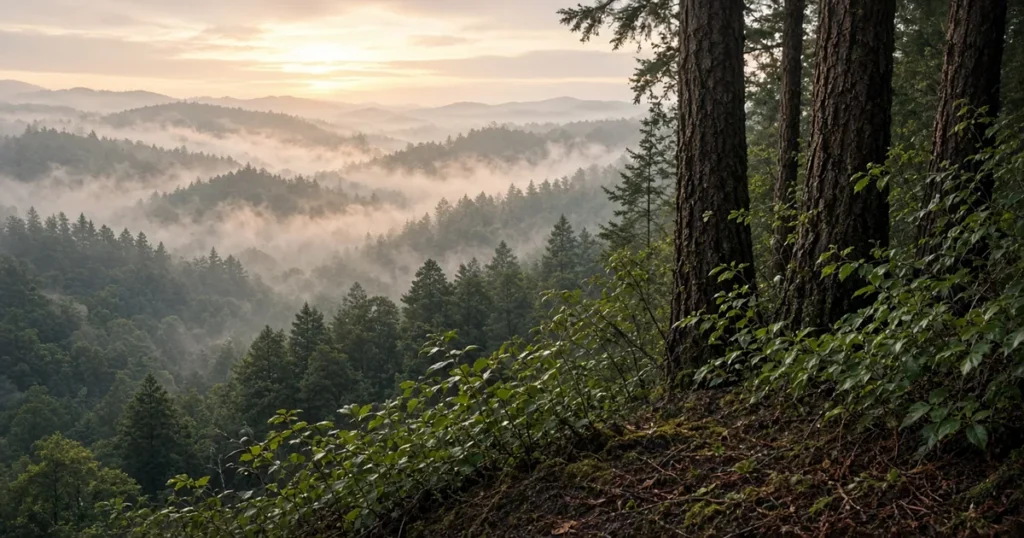
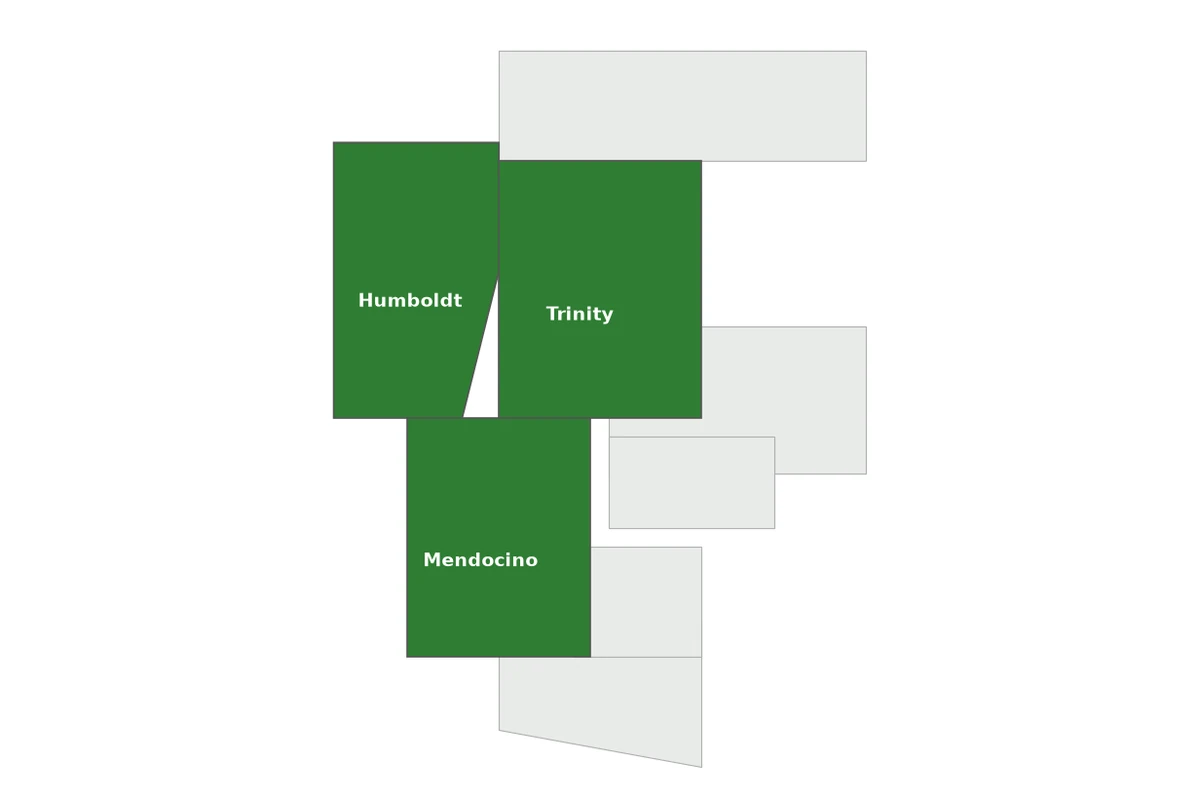
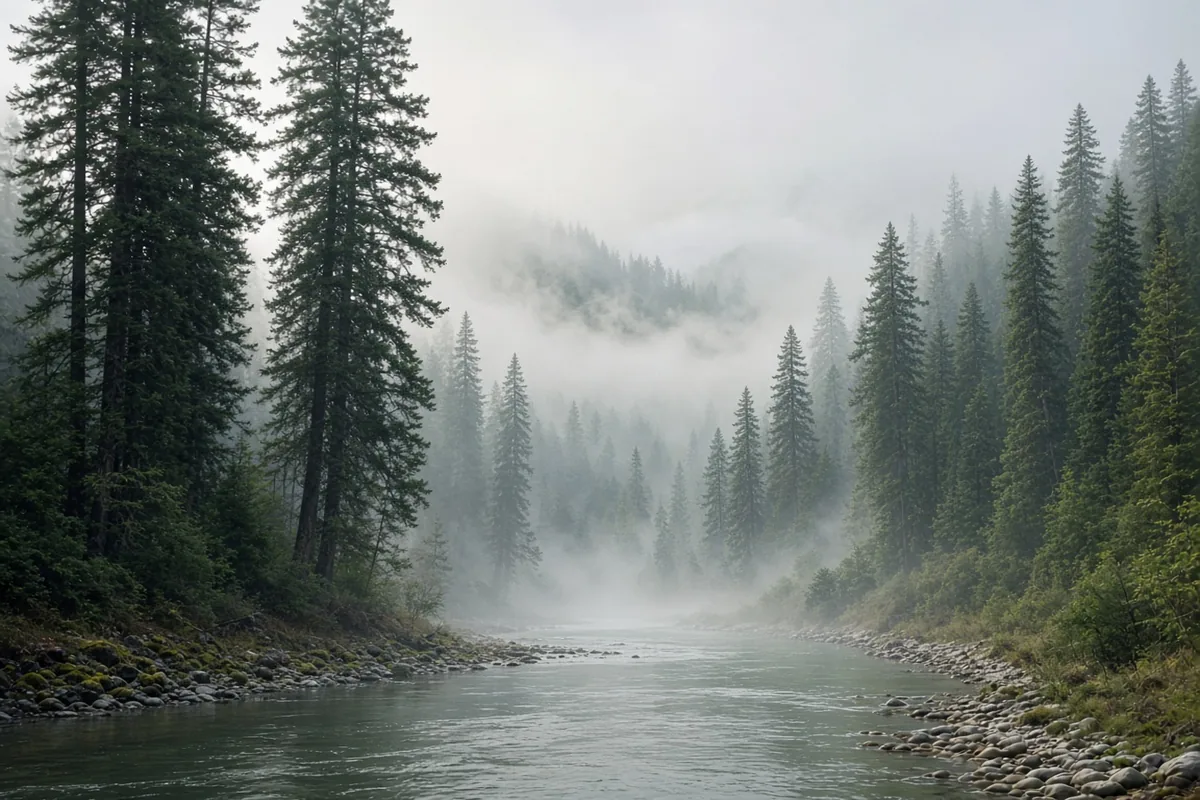
The Emerald Triangle is made up of Humboldt, Mendocino and Trinity counties in Northern California. The region sits between the Pacific coast and the inland mountains, with redwood forests, river valleys and long, dry summers. Its remote roads, small towns and coastal fog gave it a reputation as a place where people could live quietly and independently.
| County | Known for |
|---|---|
| Humboldt | Redwoods, the town of Garberville and the Humboldt name recognized worldwide |
| Mendocino | Coastal towns, wine country and a long history of small farms |
| Trinity | Remote mountains, rivers and some of the most rural land in the state |
The back to the land movement
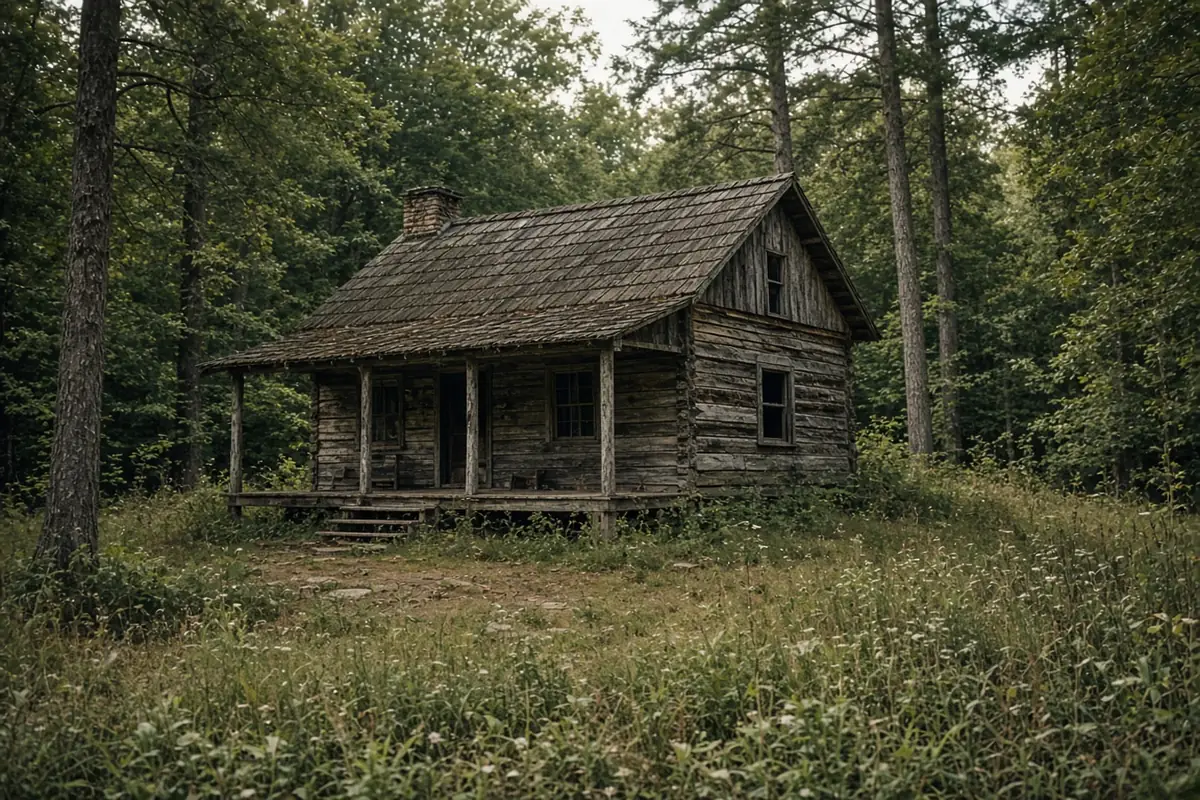
In the late 1960s and 1970s, thousands of young people left cities like San Francisco and moved to the hills of Northern California. Land was cheap because logging had slowed, and many settlers wanted to live off the land, build their own homes and raise families away from mainstream life. Cannabis came with the counterculture, and some settlers began growing small amounts for themselves and friends.
Over time, cannabis became a source of income in an area with few jobs. Growers in the region became known for sinsemilla, a Spanish word meaning without seeds, which describes flower from unpollinated female plants. That focus on seedless, high quality flower helped build the region’s name.
Enforcement and CAMP
As the region’s reputation grew, so did law enforcement attention. In 1983, California launched the Campaign Against Marijuana Planting, known as CAMP. It brought state and federal agencies together for summer raids, often with helicopters flying low over the hills. For many residents, CAMP became a defining memory of the 1980s and 1990s. The raids pushed some growers to hide plants deeper in the forest, while the risks and high prices of the illicit market shaped the local economy for years.
The medical era
In 1996, California voters passed Proposition 215, the Compassionate Use Act. It allowed patients with a doctor’s recommendation to possess and cultivate cannabis under state law. In 2003, Senate Bill 420 created a voluntary state ID card system and guidelines for collectives. Learn more in our article on Prop 215 and the birth of medical cannabis in California.
The medical era opened a gray area. Some Emerald Triangle growers began supplying collectives and dispensaries, while federal law still treated all cannabis as illegal. Prices stayed high for years, and the region’s name became a selling point on dispensary menus across the state.
The Emerald Cup and craft culture
In 2003, local grower and activist Tim Blake founded the Emerald Cup in Mendocino County. It began as a small harvest competition celebrating sun grown flower and grew into one of the best known cannabis events in the world. The Cup helped popularize ideas like regenerative farming, terroir and small batch craft, and gave Emerald Triangle farmers a stage to show their work.
Legalization and change
In 2016, California voters approved Proposition 64, which legalized adult use cannabis for people 21 and older. The state built a licensing system, and the Medicinal and Adult Use Cannabis Regulation and Safety Act of 2017 brought medical and adult use rules together. Counties set their own permit rules.
Legalization brought big changes to the Emerald Triangle:
- Permits and costs. Many farmers struggled with the cost and paperwork of local and state licenses, water rules and environmental reviews.
- Falling prices. As large licensed farms and greenhouses came online across the state, wholesale prices dropped.
- A shrinking community. Some longtime growers stayed and went legal, while others left the industry.
- New identity. Many remaining farms leaned into the region’s reputation, marketing sun grown, small batch and regenerative flower.
Appellations and terroir
California created a system of cannabis appellations, similar to wine regions, that lets farms in defined areas use place names if they meet certain standards. Several Emerald Triangle communities have pursued or discussed appellations. The idea reflects a long held belief in the region that sun, soil and climate give local flower a distinct character.
Trimming season and local life
For decades, the fall harvest brought a wave of seasonal workers to the region to trim flower. Trimming season shaped local businesses, housing and culture. Our article on weed trimming in Humboldt County looks at what that work involves today.
How the Emerald Triangle shaped US cannabis
The region’s influence reaches far beyond Northern California:
- The idea of craft cannabis. Small farms and careful growing gave rise to the craft label used across legal markets.
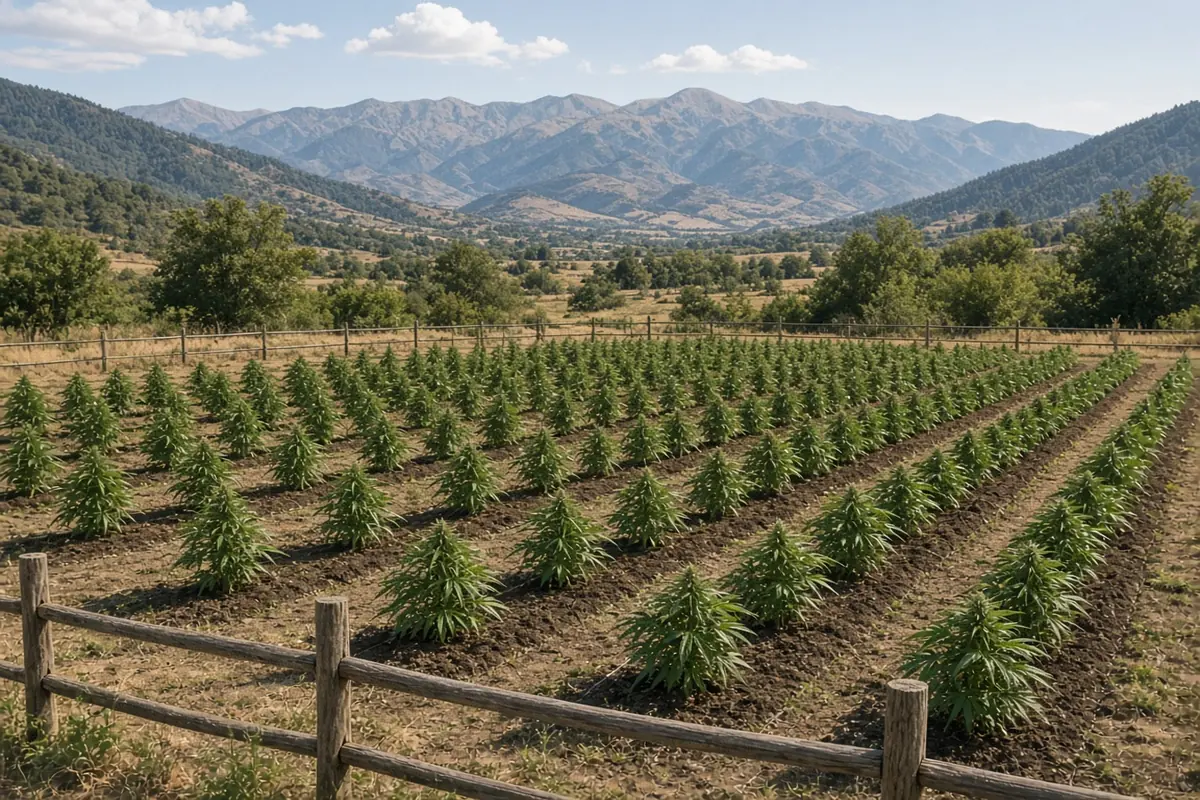
- Sun grown pride. The Emerald Triangle helped make outdoor flower a mark of quality rather than a budget option.
- Genetics. Many well known strains were shared, refined or popularized by growers in the region.
- Culture and media. Films, books and documentaries about Humboldt and Mendocino turned the region into a symbol.
- Policy. Local experience with the medical era and legalization shaped debates over permits, small farm protections and environmental rules.
Visiting the region today
Today, visitors can explore redwood parks, coastal towns and, in some areas, licensed cannabis farm tours and events where state and local rules allow. Always follow state law, buy only from licensed retailers and respect private property.
Bring sun grown style home
Where home growing is legal for adults 21 and older, you can celebrate the sun grown tradition in your own backyard. Our outdoor seeds collection includes strains suited to a range of climates. Classics such as Northern Lights and Critical Mass are popular with outdoor growers. Learn more about the bigger picture in our article on cannabis culture history in North America.
Frequently asked questions
Which counties make up the Emerald Triangle?
Humboldt, Mendocino and Trinity counties in Northern California.
Why is it called the Emerald Triangle?
The name refers to the region’s green forests and its long association with cannabis, with the three counties forming a rough triangle on the map.
When did cannabis growing take off in the Emerald Triangle?
It grew during the back to the land movement of the late 1960s and 1970s, when settlers moved to the area and some began growing cannabis.
What was CAMP?
The Campaign Against Marijuana Planting was a California enforcement program that began in 1983 and conducted summer raids on cannabis farms.
How did legalization affect the region?
Prop 64 brought licensing, higher costs and falling prices. Some farms went legal and leaned into craft and sun grown branding, while others left the industry.
The bottom line
The Emerald Triangle turned a remote corner of California into a global symbol of craft cannabis, shaping ideas about quality, place and sun grown flower that still matter today. If that story inspires you, browse our outdoor seeds or the Kind Seed Co shop. Kind Seed Co sells only to adults 21 and older. Always follow the home grow laws where you live.