
CBG: What Is It?
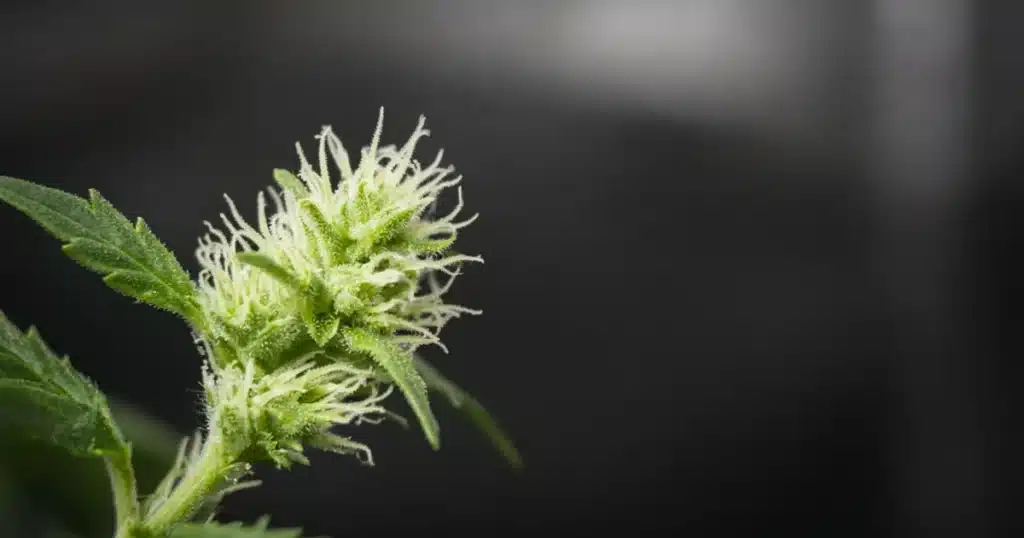
CBG, or cannabigerol, is a lesser-known cannabinoid found in the cannabis plant that is gaining attention from researchers. CBG differs from other cannabis compounds like CBD and THC. Home growers in the USA should learn about potential applications of CBG, cultivation techniques to maximize its content, and the legal and regulatory status of CBG in the country.
How CBG Differs From Other Cannabis Compounds
Often, CBG is referred to as the “mother of all cannabinoids.” This is because other cannabinoids such as CBD and THC originate from cannabigerolic acid (CBGA), the acidic form of CBG. In the plant’s early stages, enzymes convert CBGA into THCA (tetrahydrocannabinolic acid), CBDA (cannabidiolic acid), or CBCA (cannabichromenic acid). These acid forms later become THC, CBD, or CBC respectively, when exposed to heat or light in a process known as decarboxylation.
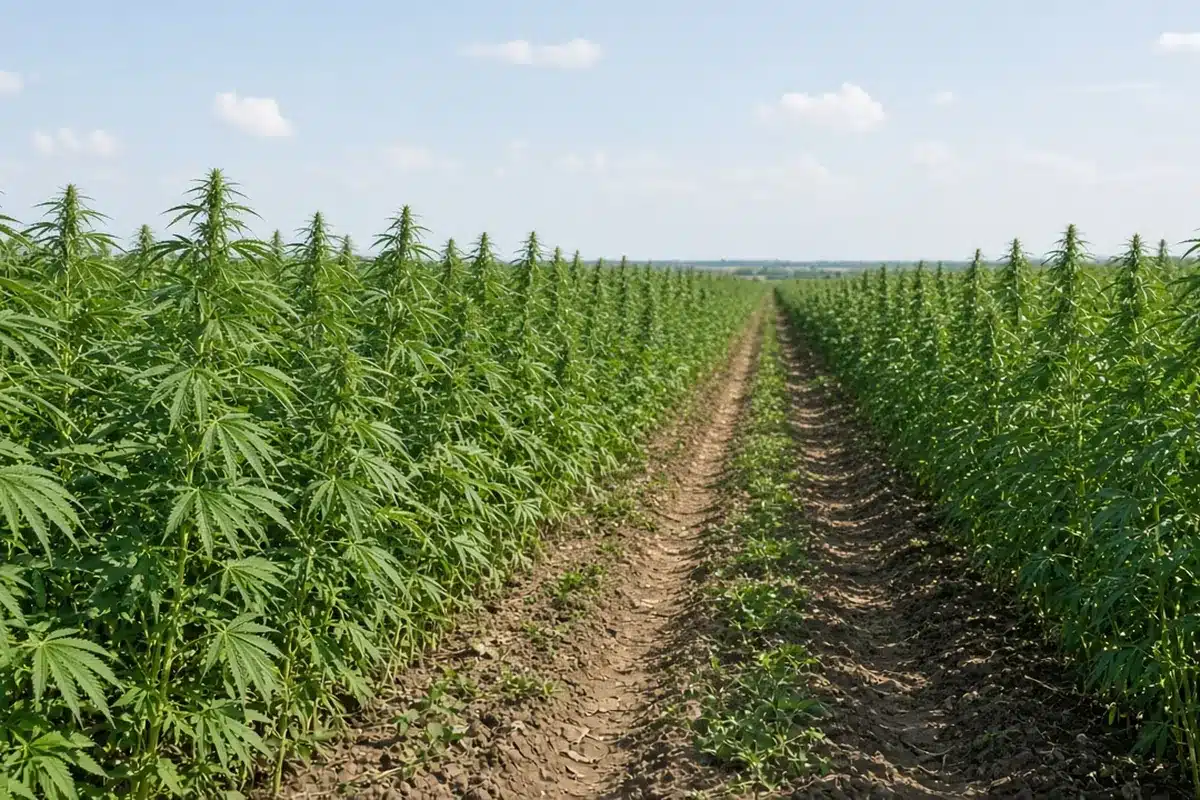
While you typically find CBD and THC in high concentrations in the cannabis plant, CBG is usually present in trace amounts, around 1%. This is because most CBGA converts into other cannabinoids during the plant’s maturation process.
Unique Properties and Potential Benefits of CBG
Apart from its role as a precursor to other cannabinoids, CBG has unique properties that set it apart. Unlike THC, CBG is non-psychoactive, which means it doesn’t produce the “high” commonly associated with cannabis use. While CBD and CBG both offer this advantage, research suggests that CBG may have more potent effects on specific physiological systems due to its direct interaction with cannabinoid receptors in the body.
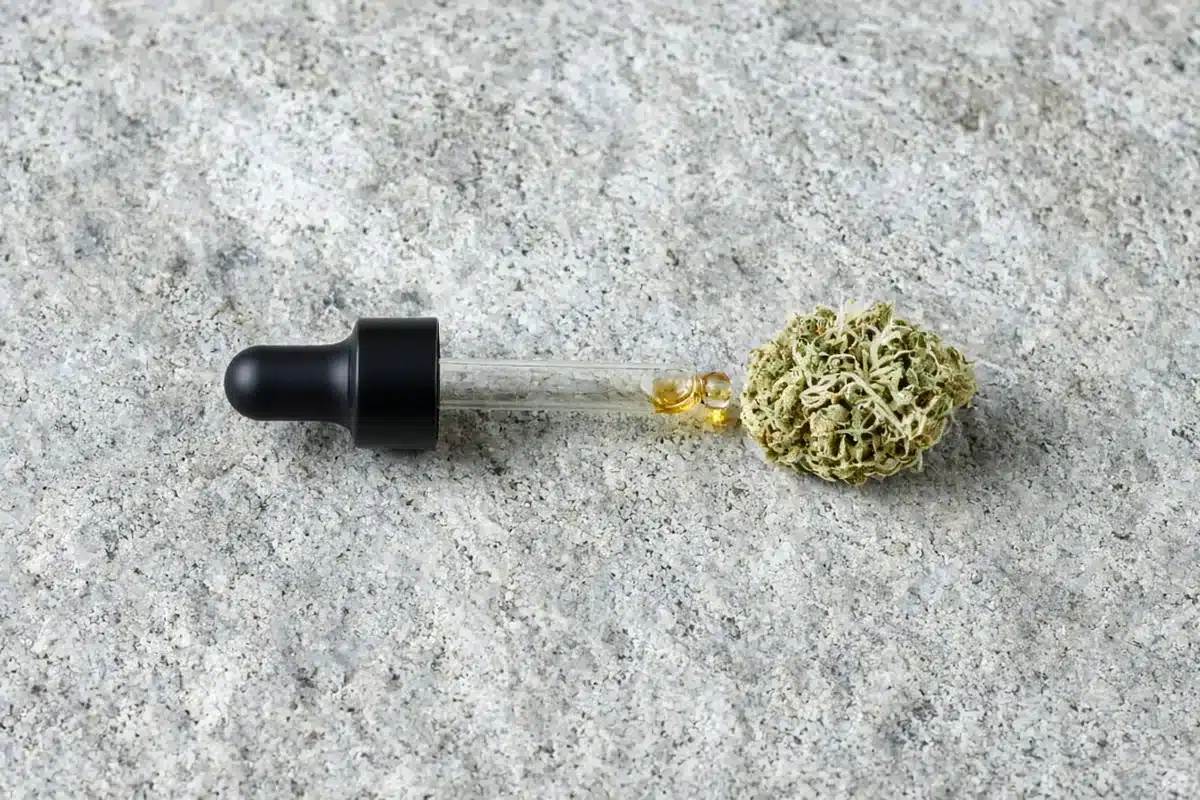
Early lab studies are looking at how CBG works in the body, but none of this shows a proven health benefit. These are early findings, and extensive clinical research is required to validate these claims fully.
Cultivation Techniques to Maximize CBG Content
Cannabigerol production is a fascinating aspect of cannabis cultivation that requires a strategic approach. For starters, CBG is present in higher concentrations in younger cannabis plants, specifically during the sixth week of an eight-week flowering cycle. To maximize CBG content, growers might consider early harvesting.
Specific strains of cannabis are known to possess high CBG content, including Super Glue CBG and White CBG. Looking at these CBG-rich strains can significantly optimize your cultivation efforts.
Incorporating CBG into Homemade Cannabis Products
From tinctures and topicals to edibles and oils, you can infuse CBG into a range of products for personal use. For instance, you can easily produce CBG oil by decarboxylating cannabis flowers, followed by a low-heat infusion into a carrier oil like coconut or olive oil. CBG is also sold in body butters and salves. When it comes to edible cannabis products, CBG can be incorporated in a manner similar to CBD with CBG-infused baked goods, candies, or even beverages serving as excellent options.
Legal and Regulatory Status of CBG in the USA
Cannabigerol, like other cannabinoid compounds, falls under the broader umbrella of cannabis laws, which vary from state to state.
Current Legal Status and Restrictions
Federal law treats hemp and marijuana differently, and Congress changed the federal definition of hemp in November 2025, with the changes taking effect in late 2026.
CBG from marijuana falls under federal controls. Federal law still lists cannabis as a controlled substance. State laws may differ significantly, with some states having more relaxed cannabis laws than others. It’s always advisable for home growers to familiarize themselves with the specific cannabis laws and regulations in their state of residence.
Potential Changes and Implications for Home Growers
Fast-changing cannabis laws in the United States might influence the legal status of CBG in the future. For instance, should cannabis laws change at the federal level, it would likely impact the legality of CBG irrespective of its source.
Descheduling could open up new opportunities for cultivation, product development, and commerce around CBG. However, it might also bring with it increased regulatory oversight and stringent standards, in line with other regulated agricultural commodities.
The Many Benefits of Cannabinoids
In the cannabis cultivation and cannabinoid exploration industries, CBG stands out as a compelling compound with immense potential. Its unique chemical properties, the research around it, and practical applications make it a topic of significant interest for home growers and the wider scientific community. It’s essential to remember that you should view and use CBG, like all other cannabinoids, responsibly.
While CBG offers intriguing possibilities, don’t overlook the wealth of other cannabinoids available in this versatile plant. Each one has its unique strengths, and understanding them in their totality can help you get the most from your home-grown cannabis.
Related reading: CBG Seeds, THC and CBD: What’s The Difference?, THCA and THC: What’s the Difference? and Total Active Cannabinoid Content (TAC) and Why It Matters.
FAQ
What is CBG?
Cannabigerol, a cannabinoid present in smaller amounts in most flower, sometimes higher in specialty cultivars.
Is CBG the same as CBD?
No. Related family, different compound. Labels should list each separately when tested.
Do home growers see much CBG in normal buds?
Usually low unless you chose CBG-forward genetics. Lab tests beat guessing from looks.
Has CBG been proven to help any condition?
No. CBG marketing can outrun the research. Read lab tests and stay skeptical of cure-all language.


