
Total Active Cannabinoid Content (TAC) and Why It Matters

TAC, or total active cannabinoid content, is the combined amount of all the active cannabinoids in a cannabis plant or product. It gives you a single number for overall potency instead of looking at THC alone. Kind Seed Co explains what goes into TAC, what affects it in your grow and how you can use it to make better growing decisions.
What TAC measures
TAC is a collective measure of every active cannabinoid in the plant. These compounds come from the plant’s resin, and together they drive the potency of your harvest.
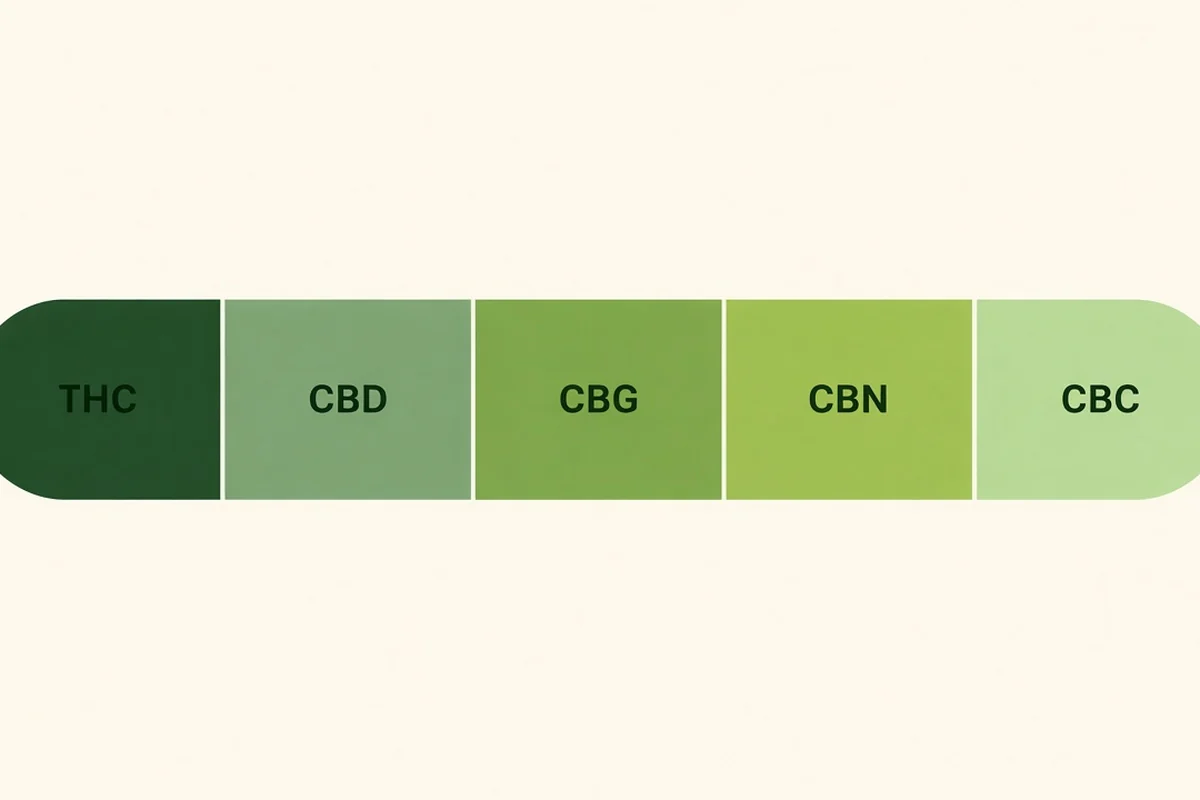
- THC. Tetrahydrocannabinol, the best known cannabinoid.
- CBD. Cannabidiol, the second best known cannabinoid.
- Minor cannabinoids. CBG, CBN and CBC also count toward the total.
To express TAC, you add up the individual percentages of each active cannabinoid. A THC reading on its own tells you part of the story. TAC gives you a fuller view of the plant’s overall cannabinoid content.
Why TAC matters to home growers
Knowing your TAC helps you get the most from your plants. A higher TAC means a more potent plant. Tracking it helps you pick strains with strong potential and dial in the growing methods that bring out the best in them.
What affects TAC levels
Genetics
Different strains have different potential built into their genetics. Your choice of seed sets the ceiling for what your plants can reach. Browse our feminized cannabis seeds to compare strains.
Growing conditions
Lighting, watering and nutrients all shape how many cannabinoids a plant produces. Our guide to grow lights for cannabis is a good place to start with light.
Plant age and maturity
Younger plants generally have lower TAC than mature plants that have been allowed to develop fully. Harvest timing makes a real difference.
The part you harvest
Cannabinoids are most concentrated in the flowers, so the buds carry most of the plant’s TAC. Knowing how and when to harvest helps you keep that total as high as possible.
How TAC is measured
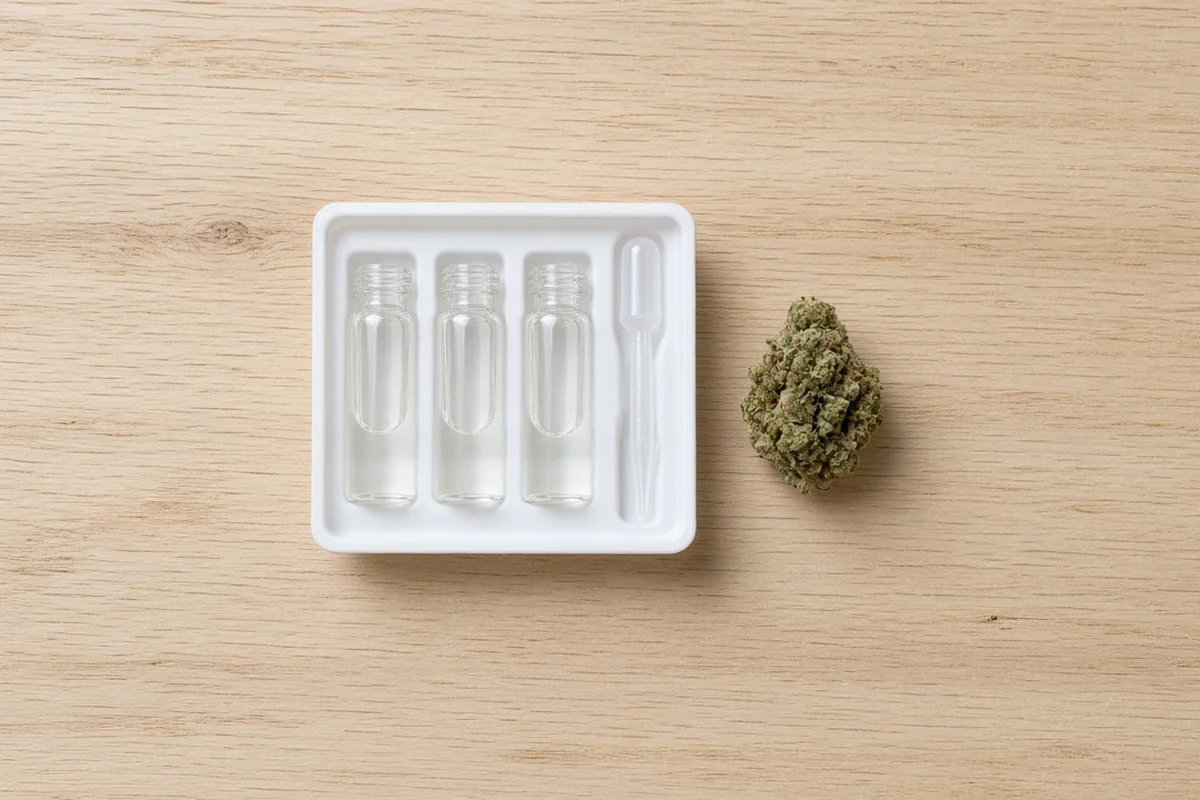
Accurate TAC readings need lab equipment and methods such as gas chromatography and high performance liquid chromatography. Most home growers do not have access to these tools.
Consumer testing kits can give a rough estimate, but an accurate TAC reading needs a lab. Testing regularly through the grow lets you track changes and adjust as you go.
Putting TAC results to work
- Adjust your setup. Use test results to dial in your lighting schedule or nutrient plan.
- Choose strains. Results over several grows show which strains perform best in your space.
- Time your harvest. Harvesting too early or too late can lower cannabinoid content. Our guide to the final weeks of flowering helps you pick the right moment.
- Protect your harvest. Proper curing and storage protect the cannabinoids you worked to grow.
TAC and product quality
Accurate TAC labels tell buyers what they are getting. As more people ask for clear information on cannabinoid content, accurate TAC numbers build trust between growers and the people who buy from them.
TAC describes cannabinoid content, but does not capture every measure of quality. Keep an eye on aroma too. Our guide to maximizing terpenes shows you how.
FAQ
What does TAC stand for in cannabis?
Total active cannabinoid content.
Which cannabinoids count toward TAC?
THC and CBD are the best known, and minor cannabinoids such as CBG, CBN and CBC also count toward the total.
Can you test TAC at home?
Only roughly. Home kits are fine for a ballpark figure, and a lab gives the real number.
What affects TAC levels in a cannabis plant?
Genetics, lighting, watering, nutrients, plant maturity and harvest timing all play a part. Cannabinoids are most concentrated in the flowers.


