How Humboldt County became a cannabis legend
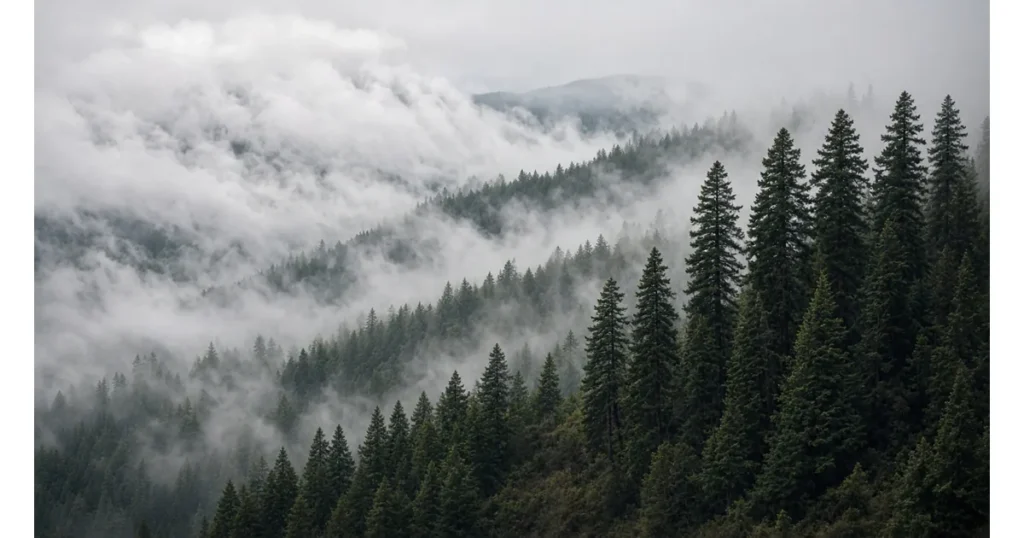
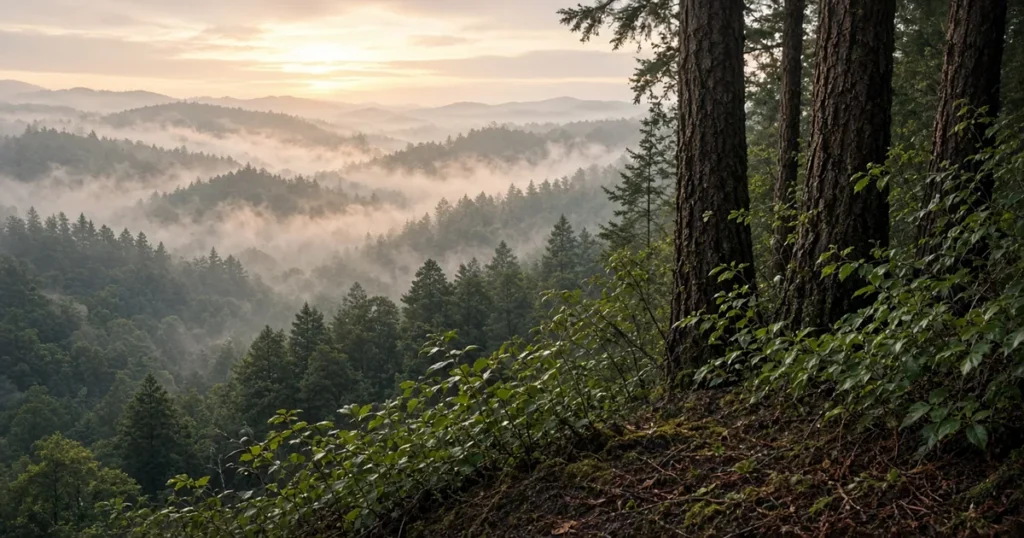
Say “Humboldt” to a cannabis grower anywhere in the world and they will know what you mean. This rugged county on California’s North Coast, along with neighboring Mendocino and Trinity counties, became known as the Emerald Triangle, the most famous cannabis growing region in the United States. Its story runs from hippie homesteaders to helicopter raids, from medical pioneers to the hard economics of legal markets. Here is how a remote county of redwoods and rivers became shorthand for great outdoor cannabis.
Before cannabis: timber and salmon
For most of the twentieth century, Humboldt’s economy ran on logging and fishing. Towns like Eureka, Arcata, Garberville and Scotia grew up around sawmills, and rivers like the Eel and the Mattole supported salmon runs. By the 1950s and 1960s, heavy logging had cut much of the old growth forest and timber jobs began to shrink. Large ranches and logged over parcels in the hills were sold off in pieces, often cheaply.
The back to the land movement
In the late 1960s and 1970s, young people from San Francisco and other cities moved north looking for a simpler life. This back to the land movement brought thousands of newcomers into the hills of southern Humboldt and Mendocino, where cheap land, isolation and a mild climate made homesteading possible.
Many of these settlers grew a little cannabis for themselves. Over time some realized it could help pay the mortgage. The steep hills, long dry summers and remote dirt roads made small gardens hard to find. Growers learned to choose plants that would finish before the autumn rains and to work with the region’s soil, sun and fog.
The rise of sinsemilla
In the 1970s, growers in Northern California popularized sinsemilla, a way of growing in which female plants are kept away from males so they do not make seeds. Seedless flower was more potent and more valuable than the seedy imports common at the time. Combined with genetics brought back from places like Afghanistan, Thailand and Mexico, Humboldt growers developed plants suited to the local climate. By the early 1980s, the region had a reputation for some of the best cannabis in the country.
CAMP and the raid years
That reputation drew attention from law enforcement. In 1983, the state launched the Campaign Against Marijuana Planting, known as CAMP. Helicopters flew over the hills to spot gardens, and armed teams pulled plants and arrested growers. For residents, the sound of helicopters in late summer became part of life for decades.
The raids changed how people grew. Gardens got smaller and more hidden. Some growers moved under cover of trees, and later many moved indoors or into greenhouses with blackout covers. A culture of privacy, cash and silence took hold, and an underground economy supported schools, volunteer fire departments and small businesses.
Medical cannabis and Proposition 215
In 1996, California voters approved Proposition 215, the Compassionate Use Act, making California the first state to legalize medical cannabis. It did not create a regulated supply system, so a gray market grew up around collectives and cooperatives. Humboldt growers supplied much of it. The 2000s were boom years for some, with high prices and a flood of new growers, sometimes called the green rush.
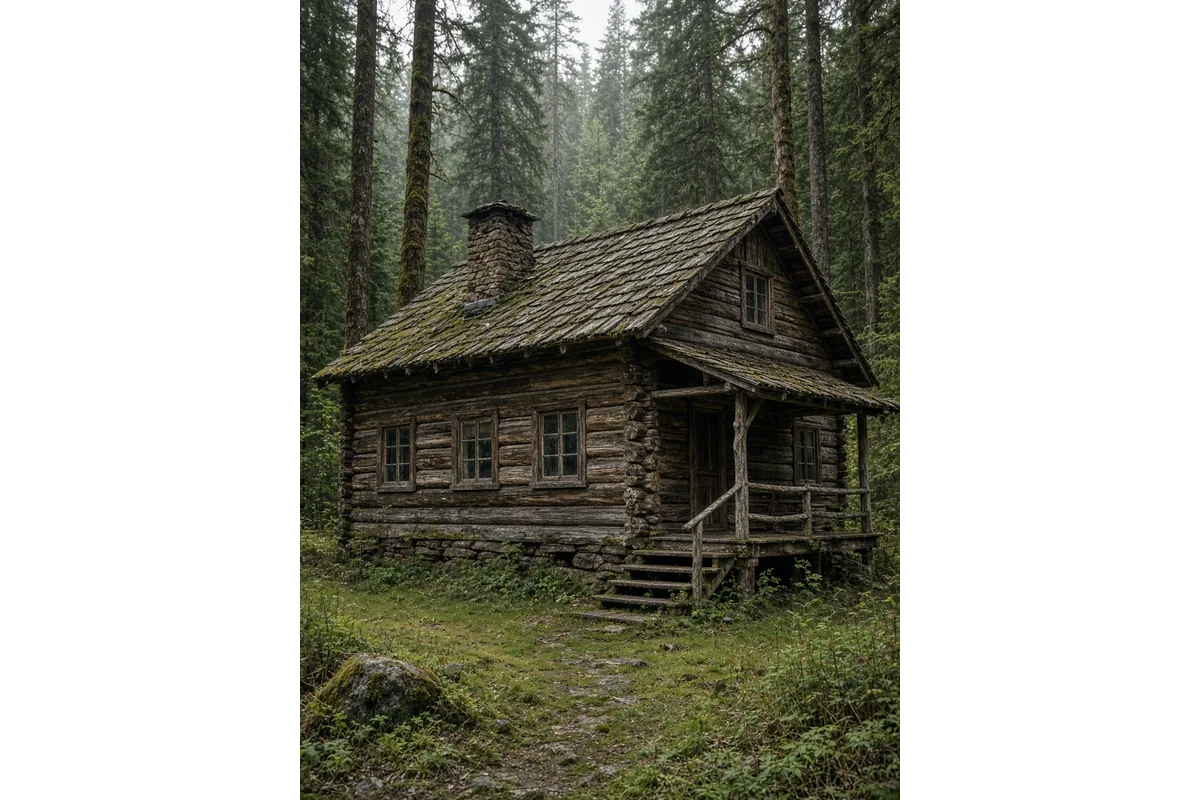
The boom had costs. Some large grows cleared forest, graded hillsides, diverted creeks and used chemicals that harmed rivers and wildlife. Locals and environmental groups pushed back, and the debate over responsible growing became part of the region’s identity.
Legalization and the hard landing
In 2016, voters passed Proposition 64, legalizing adult use cannabis. Licensed sales began in 2018. For Humboldt, legalization brought new challenges. Getting state and county licenses was expensive and slow. Water rules, environmental reviews and taxes added costs. At the same time, large farms elsewhere in California and in other legal states increased supply, and wholesale prices fell sharply.
Many small family farms could not compete. Some joined the legal market, while others quit growing. Towns that had relied on cannabis money saw businesses close. The story of Humboldt after legalization is still being written, with growers betting on craft quality, sun grown branding and appellation programs that tie cannabis to its place of origin, much like wine.
Humboldt’s lasting influence
| Era | What happened | Lasting effect |
|---|---|---|
| 1960s and 1970s | Back to the land settlers arrive | Homestead culture and small gardens |
| 1970s and 1980s | Sinsemilla and adapted genetics | Reputation for quality |
| 1983 onward | CAMP raids | Secrecy, smaller and hidden gardens |
| 1996 | Proposition 215 | Medical supply boom |
| 2016 to now | Adult use legalization | Licensing struggles, falling prices, craft focus |
Lessons for home growers today
Humboldt’s growers learned by trial and error over decades. Their lessons still apply to anyone growing outdoors:
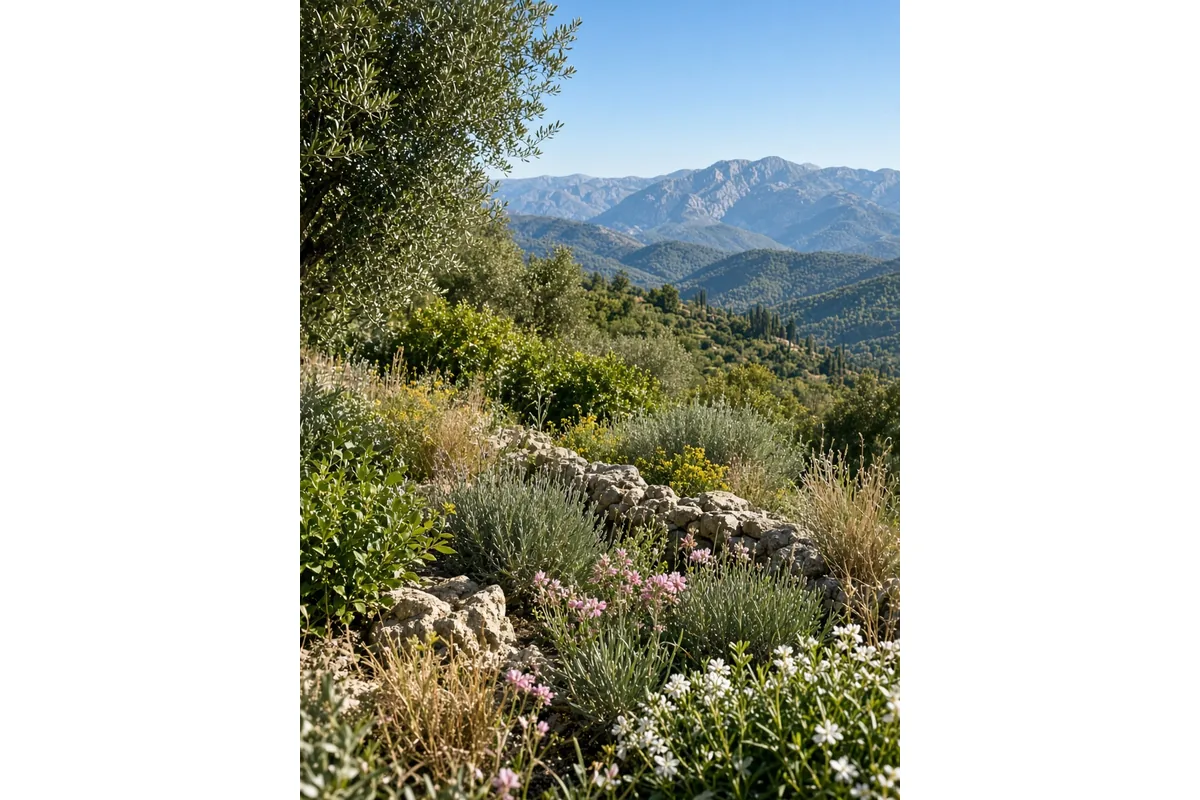
- Fit the plant to the season. Choose strains that finish before your first heavy rain or frost.
- Respect the land. Protect soil and water, and avoid harsh chemicals that end up in creeks.
- Watch for mold. Coastal fog and fall rain bring bud rot, so airflow and timing matter.
- Grow small and well. Quality beats quantity, especially in a crowded market.
If you want to bring a little of that sun grown spirit to your own garden, browse our outdoor seeds for strains bred to thrive under open skies, and always grow within your state’s legal limits.
Visiting Humboldt today
Humboldt is still a beautiful place to visit, with the Avenue of the Giants, Redwood National and State Parks and a rugged coastline. Some licensed farms and stores welcome visitors. Remember that cannabis is banned on federal land, including national parks, and that public use is illegal. Respect private property in the hills, where many farms still value their privacy.
Enjoy cannabis culture responsibly
Cannabis is only legal for adults in some states, and the rules on possession, public use and home growing change from place to place. Kind Seed Co sells only to adults 21 and older, and nothing here is an invitation to break the law where you live. If you want to know what is allowed in your state, start with our guide to the legal requirements for growing weed plants in your state. Never drive after using cannabis, keep it away from kids and pets, and respect anyone who chooses not to partake. This article is general information about culture and history. It is not legal advice and it is not medical advice.
Frequently asked questions
Why is Humboldt County famous for cannabis?
Back to the land settlers, a good climate and decades of skilled outdoor growing gave Humboldt a reputation for high quality sun grown cannabis.
What is the Emerald Triangle?
It is the region formed by Humboldt, Mendocino and Trinity counties in Northern California, long known for growing cannabis.
What was CAMP?
The Campaign Against Marijuana Planting was a state program launched in 1983 that used helicopters and raids to remove illegal gardens.
How did legalization affect Humboldt?
Licensing costs, regulations and falling prices hurt many small farms, while others turned to craft and sun grown branding.
Final thoughts
Humboldt County’s cannabis story spans homesteaders, raids, medical pioneers and a tough legal market. Its growers shaped how the world thinks about outdoor cannabis, and their hard won lessons about climate, land and quality still guide home growers today.
Ready to start
Browse the full range in the Kind Seed Co shop or go straight to outdoor seeds. Kind Seed Co sells only to adults 21 and older. Always follow the cannabis laws where you live.