How to grow the Northern Lights cannabis strain from seed
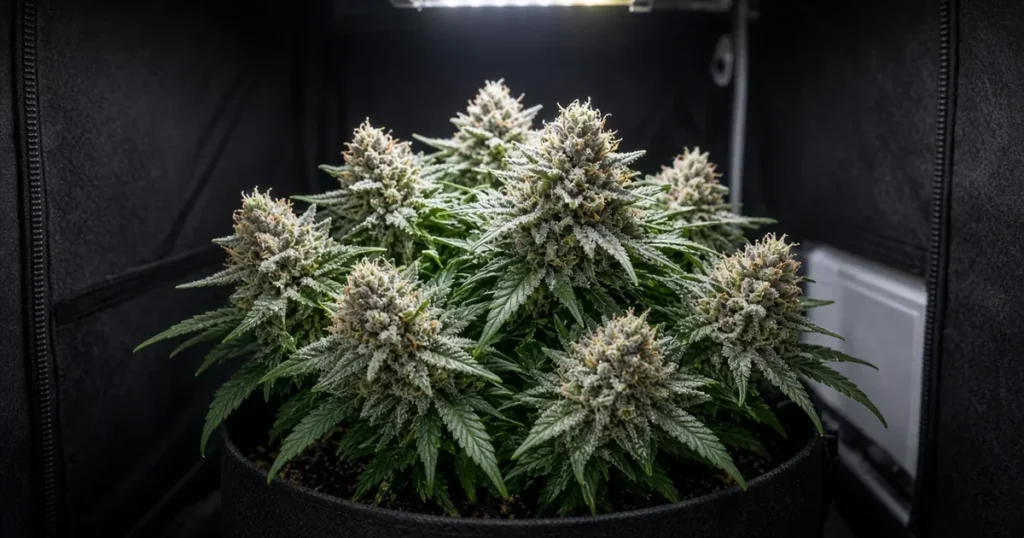
To grow the Northern Lights cannabis strain from seed, germinate a feminized seed, veg the plant under 18 hours of light, shape it with topping or low stress training, then switch to 12 hours of light and 12 of darkness to start flowering, and harvest when the trichomes turn mostly cloudy. Northern Lights #10 feminized seeds are known as one of the most forgiving photoperiod strains, which makes them a great first photoperiod grow for adults 21 and older where home growing is legal.
Meet Northern Lights
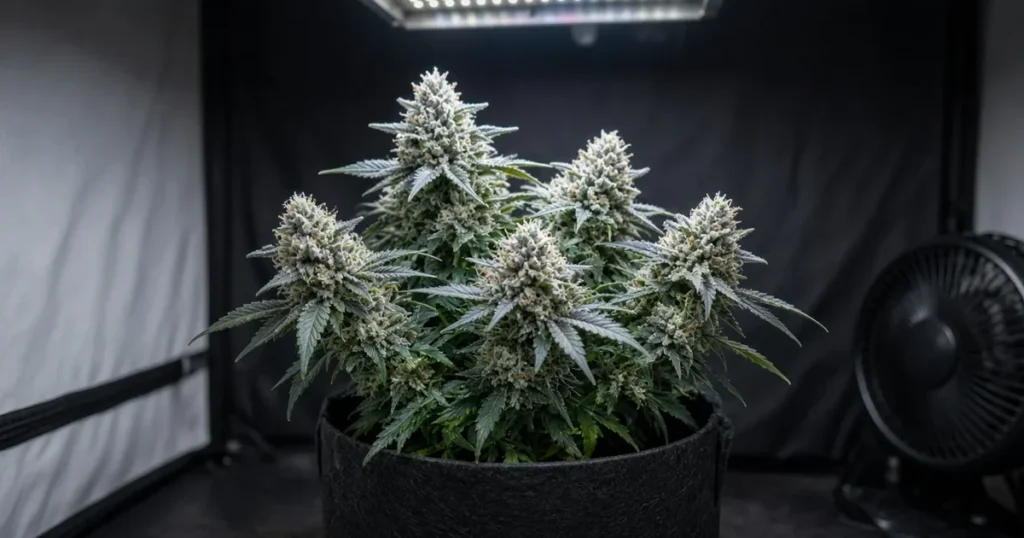
Northern Lights is a legendary name with indica leaning Afghan heritage. It became famous for compact, sturdy plants, dense buds and a reputation for tolerating beginner mistakes. Many modern strains count Northern Lights somewhere in their family tree.
Because it is a photoperiod plant, Northern Lights flowers when nights get longer. Indoors, you control that with a timer. This gives you full control over how big the plant gets before it flowers.
For the breeder’s expected flowering time and size, check the Northern Lights #10 product page.
Photoperiod vs autoflower in one minute
- Photoperiod (like this Northern Lights): grows in veg as long as it gets long days, then flowers when you switch to 12/12. More control, usually more time.
- Autoflower: flowers on its own after a few weeks, regardless of light. Faster and simpler, less control.
What you need
- A tent sized for your plant count, such as 2×4 or 3×3
- A full spectrum LED light
- 3 to 7 gallon fabric pots
- Quality soil or coco
- Exhaust fan with carbon filter, plus a clip fan
- A reliable timer
- pH meter, nutrients and soft plant ties
Check your local laws and stay within your plant limit before you begin.
Step 1: Germination
Germinate in a damp paper towel or plant directly into a moist starter plug. Keep it warm and dark until the taproot appears, then plant it about a quarter to half an inch deep with the root facing down.
Step 2: Seedling care
Photoperiod seedlings can start in small pots and move up later, which saves soil and water early on.
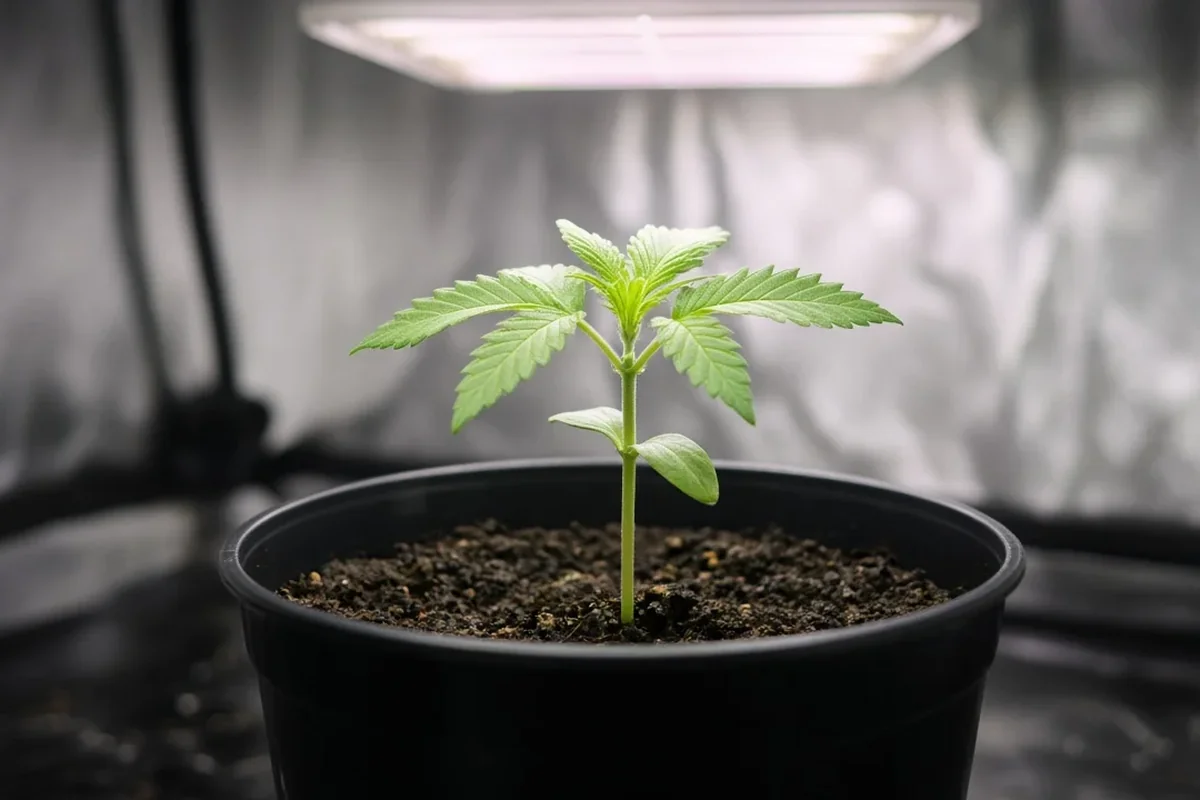
- Run 18 hours of light and 6 hours of dark.
- Keep the light gentle and humidity moderately high.
- Water small amounts around the stem.
Step 3: Transplant
When roots fill the small pot, transplant into a larger container. Water the new pot lightly and give the plant a day or two of gentle light to settle in. Northern Lights is hardy and usually recovers quickly.
Step 4: Vegetative growth and training
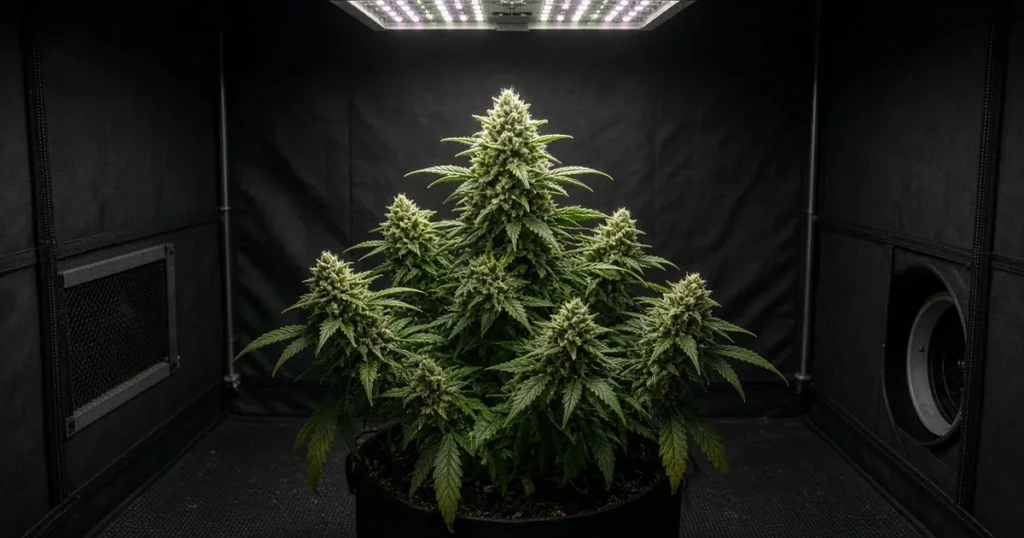
Veg is where photoperiods shine. Northern Lights is naturally compact and bushy, so training helps spread it under the light.
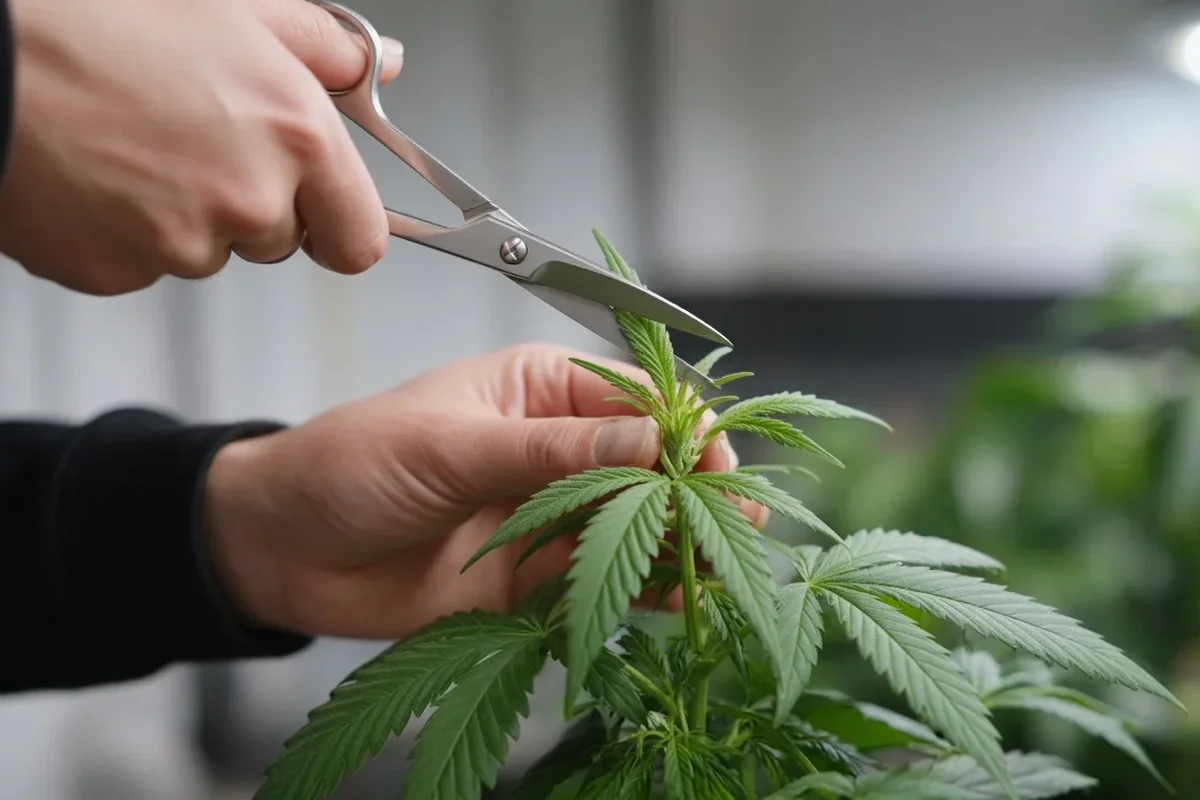
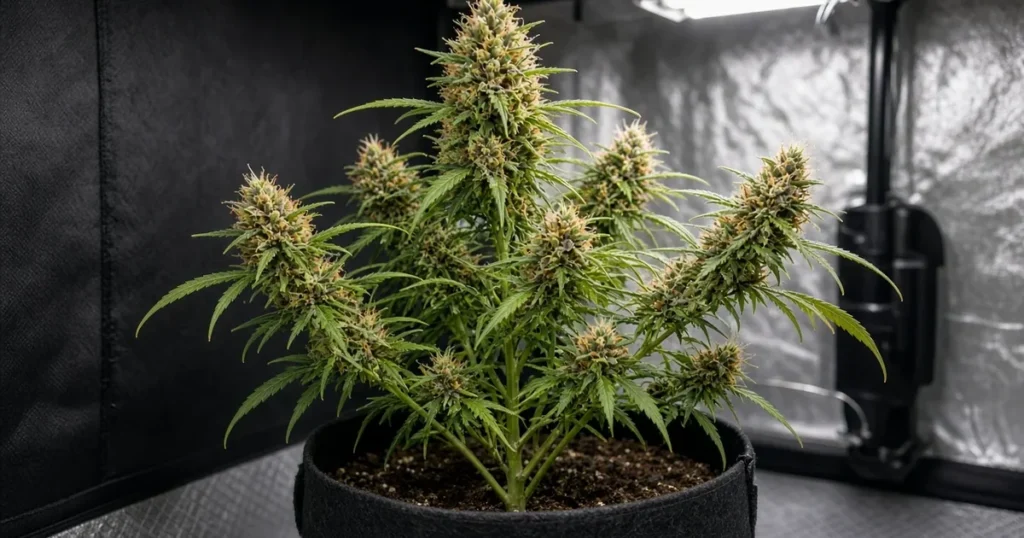
- Topping. Snip the main growing tip above the fourth or fifth node to create two main colas.
- Low stress training. Bend and tie branches outward for an even, flat canopy.
- Screen of green (SCROG). Lay a trellis net over the plant and weave branches through it.
- Defoliation. Remove a few large fan leaves that shade bud sites, but do not overdo it.
Veg as long as you need to fill your space. A good rule is to flip when the plant fills about half to two thirds of the space you want it to occupy, because plants stretch in early flower. Northern Lights usually stretches less than sativa leaning strains.
Step 5: The flip to 12/12
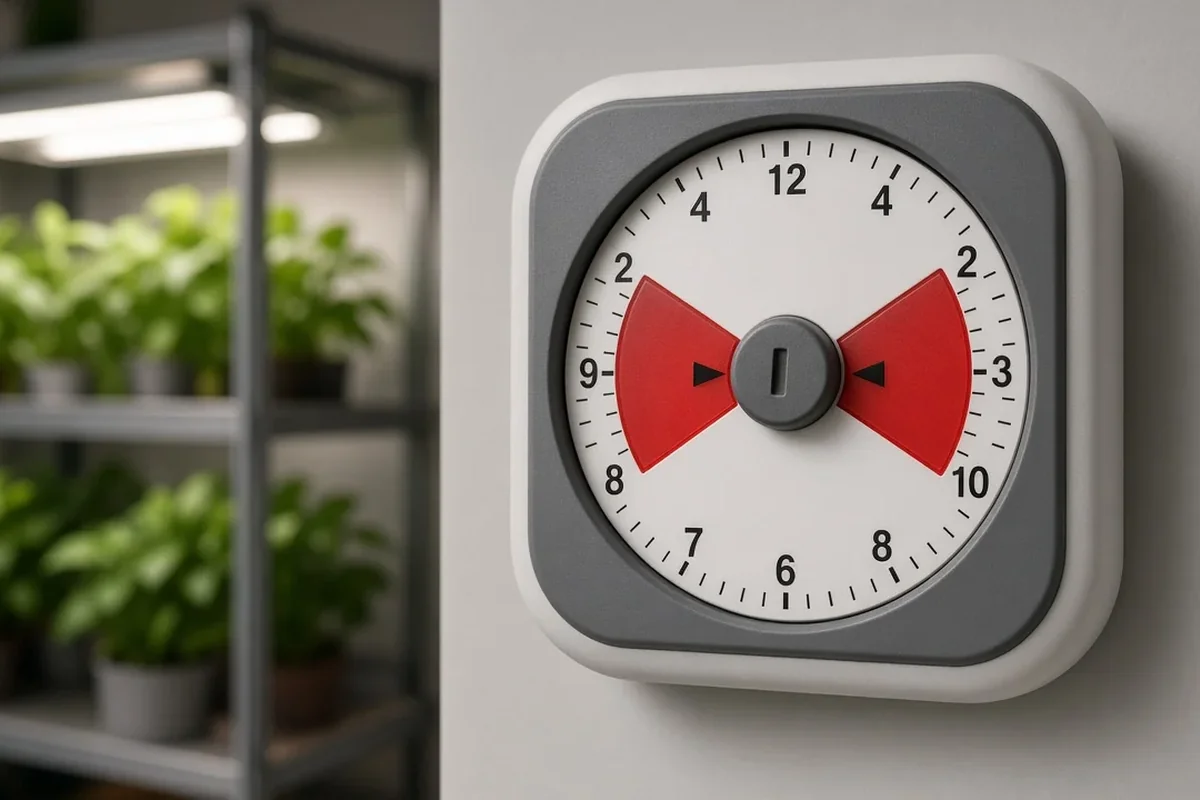
Switch your timer to 12 hours on and 12 hours off. The dark period must be truly dark, so seal light leaks in your tent. Within a week or two, you will see white pistils at the nodes.
Step 6: Flowering
- Feed for bloom. Move toward a bloom formula.
- Lower humidity. Northern Lights buds are dense, so keep humidity down and airflow strong to prevent mold.
- Clean up the lower plant. Remove small, shaded lower growth that will not reach the light.
- Watch odor. A carbon filter keeps things discreet.
Step 7: Harvest
Check trichomes with a loupe. Many growers harvest when most trichomes are cloudy, and some wait for a portion of amber. Use the product page’s flowering time as a guide and the trichomes as the final word.
Step 8: Dry and cure
Hang branches in a dark, cool space with gentle airflow. When small stems snap, trim the buds and jar them. Burp jars daily for the first couple of weeks. Dense Northern Lights buds benefit from a slow, careful dry.
Growing Northern Lights outdoors
Where outdoor growing is legal, Northern Lights’ compact frame and sturdy structure suit many climates. Photoperiods outdoors flower as late summer nights lengthen, so plan for a fall harvest. Its dense buds need protection from heavy fall rain and high humidity. Keep plants secure and out of public view as your state requires.
A sample Northern Lights indoor timeline
Every grow is different, but a typical photoperiod plan looks like this:
| Stage | Light schedule | Main tasks |
|---|---|---|
| Germination | Dark, warm | Wait for the taproot |
| Seedling | 18/6 | Gentle light, light watering |
| Early veg | 18/6 | Transplant, start feeding lightly |
| Late veg | 18/6 | Top, train, fill the canopy |
| Transition | 12/12 | Manage stretch, add support |
| Flower | 12/12 | Bloom nutrients, low humidity |
| Harvest | Lights off | Check trichomes, cut and hang |
The length of veg is up to you. The flowering stage length depends on the genetics, so check the product page.
Keeping a grow journal
Write down the date you germinate, transplant, top and flip, along with feeding amounts and any problems you see. A journal helps you repeat what worked and fix what did not on your next Northern Lights run.
Common Northern Lights mistakes
- Light leaks during the dark period. These can confuse flowering.
- Flipping too late. Plan for stretch, even with a compact strain.
- High humidity in late flower. Dense buds and moisture invite mold.
- Overfeeding a hardy strain. More is not always better.
Frequently asked questions
Is Northern Lights good for beginners?
Yes. Northern Lights is known as one of the most forgiving photoperiod strains, with a compact, sturdy structure.
When should I switch Northern Lights to flower?
Flip to 12/12 when the plant fills about half to two thirds of its intended space, since it will stretch in early flower.
How long does Northern Lights take to flower?
Check the product page for the breeder’s expected flowering time, and confirm harvest by looking at trichomes.
Does Northern Lights need a carbon filter?
It is a good idea. Any flowering cannabis plant has an aroma, and a carbon filter keeps your grow discreet.
Can I grow Northern Lights in a small tent?
Yes. Its compact frame suits small tents, especially with topping and LST.
Kind Seed Co Northern Lights seeds: which version to grow
Kind Seed Co carries Northern Lights in 5 versions. Here is what each product page lists, so you can match the seed to your space and schedule.
Northern Lights Regular Seeds: 8 to 10 weeks of flowering, about 450 to 550g per square meter indoors and 500 to 600g per plant outdoors. Regular seeds can grow into male or female plants. Sex them in the first two weeks of 12/12 and pull males unless you plan to make seeds.
Northern Lights Feminized Seeds: 9 to 10 weeks of flowering, about 450 to 550g per square meter indoors and 500 to 600g per plant outdoors. Feminized photoperiod seeds give you female plants and full control over veg length before you flip to 12/12.
Northern Lights Autoflower Seeds: 9 to 11 weeks of flowering, about 100 to 250g per square meter indoors and 200 to 300g per plant outdoors. Autoflower seeds flower on their own by age, so plant straight into the final pot and run 18/6 or 20/4 the whole way.
Northern Lights #10 Feminized Seeds: 7 to 8 weeks of flowering, about 550g per square meter indoors and 500g per plant outdoors. This is a feminized photoperiod selection of the Northern Lights line, a good pick when you want a slightly quicker finish than the standard feminized version.
Northern Lights Fast Feminized Seeds: 7 to 9 weeks of flowering, about 300 to 400g per square meter indoors and 350 to 450g per plant outdoors. Fast versions are photoperiods bred to finish sooner after the flip, and the product page lists a short plant height.
Yields are the breeder’s ranges for good conditions. Your light, pot size and environment decide what you actually get.
Environment targets for Northern Lights
Northern Lights comes from cool, dry Afghan mountain stock, so it is happiest in a steady, slightly cool room rather than a hot one. Lights on in the mid 70s F with nights 8 to 10 degrees cooler keeps its short, tight internodes from getting crowded with moisture. Because the plant packs leaves close together, airflow matters more than raw humidity numbers: point a clip fan into the interior of the bush, not just across the top, and drop humidity toward the low 40s percent once buds start to fatten. Its stretch after the flip is modest, often well under double, so you can veg a little longer than you would with a sativa and still keep the canopy under a low tent ceiling.
Common Northern Lights problems and fixes
Bud rot. Dense Northern Lights colas hold moisture. Keep late flower humidity around 40 to 45 percent and keep air moving through the canopy.
Short internodes. The plant stays tight, so thin interior growth in late veg so light and air reach inner bud sites.
Nutrient burn. Hardy plants still burn. Start bloom feeds at half strength and raise slowly while watching leaf tips.
Harvest cues for Northern Lights
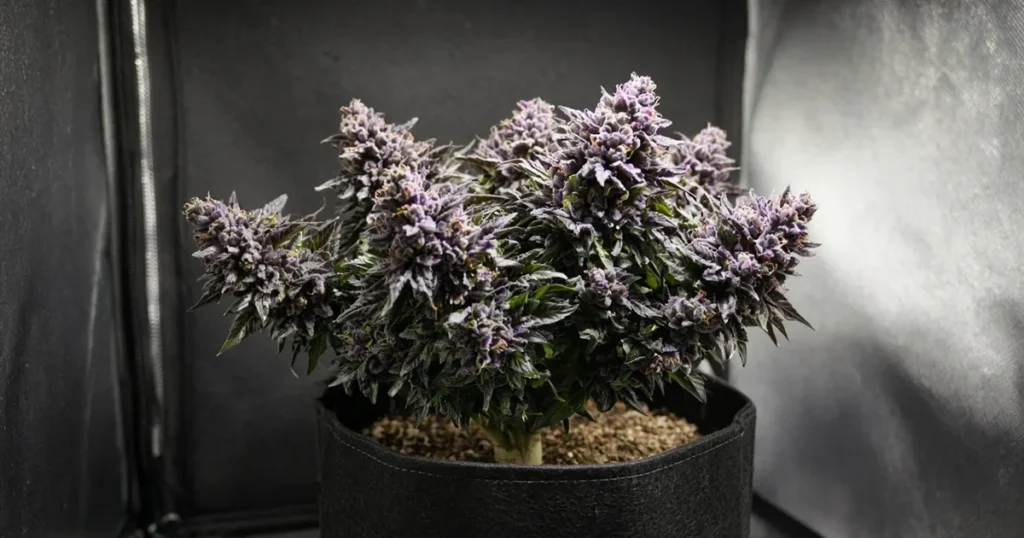
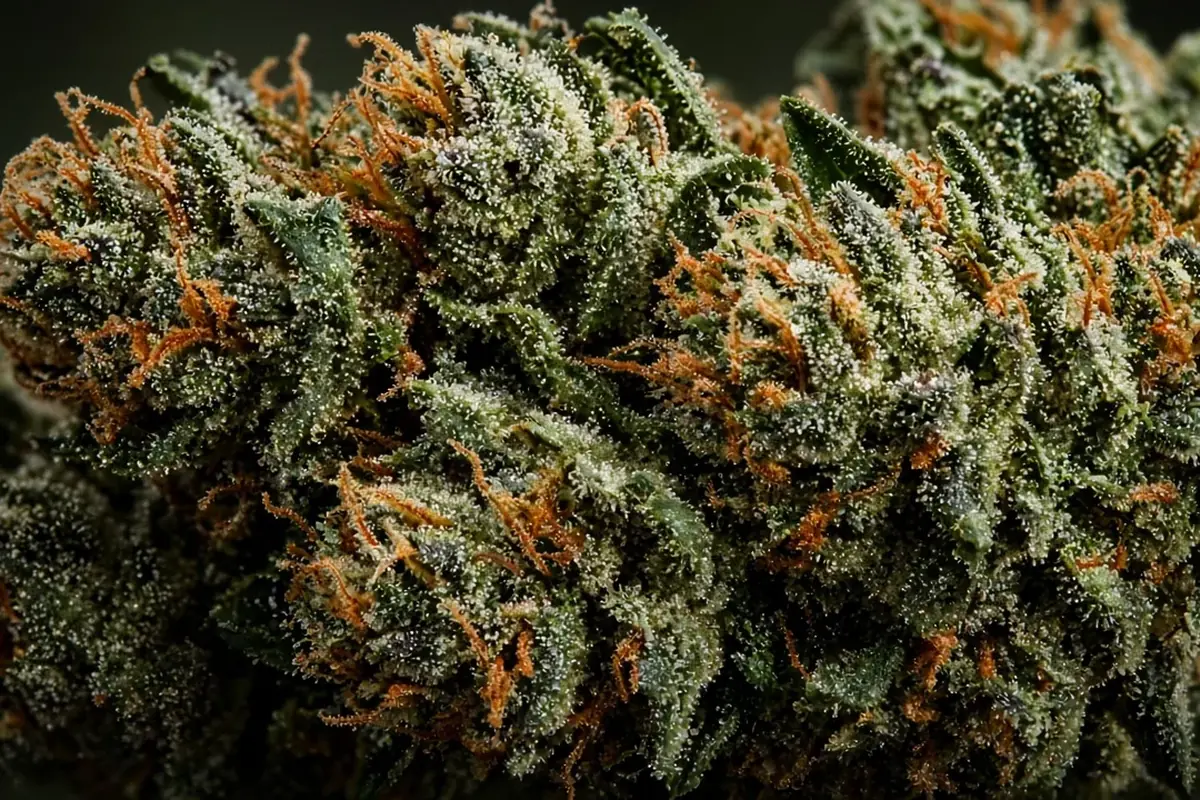
Northern Lights tends to finish in a tidy, predictable way. Pistils go from white to orange and rust and pull tight against the calyxes, and the fat, round colas stop putting on size and start feeling firm when you squeeze them gently. The resin on the sugar leaves is thick and frosty well before the trichome heads turn, so trust the loupe over appearance. Because the buds are so dense, check the inside of a top cola too: if the core still looks clear while the outside is cloudy, give it a few more days. Leaf fade to yellow is common in the last week and is a normal sign it is close.
Start your Northern Lights grow
Northern Lights earned its legendary status by being sturdy, compact and forgiving. It is an ideal first photoperiod for home growers. Pick up Northern Lights #10 feminized seeds from Kind Seed Co and enjoy full control from seed to harvest. For more indoor options, see our indoor seeds collection.