How to take good bud photos for grow forums
A good photo is the difference between a forum post that gets ten helpful replies and one that gets a single comment asking for a better picture. Growers judge ripeness, pests, mold and leaf problems almost entirely from images. If the photo is blurry, tinted purple by grow lights or shot from six feet away, nobody can help you. The good news is that a modern phone is more than enough. You need a little light control, a steady hand and a plan for what you want people to see.
This guide covers the gear that matters, how to handle grow light color, framing for different kinds of questions and the privacy steps to take before you upload anything.
Turn off the grow light first
Full spectrum and blurple LEDs throw color that confuses both your camera and your readers. Yellow leaves look green, green leaves look gray and trichomes look clear when they are cloudy. Switch the grow light off or to its lowest setting during the light period and use a neutral white light instead. A desk lamp with a daylight bulb works. Natural window light on an overcast day works even better. Never photograph with lights on during the dark period of a flowering plant, since that interrupts the cycle.
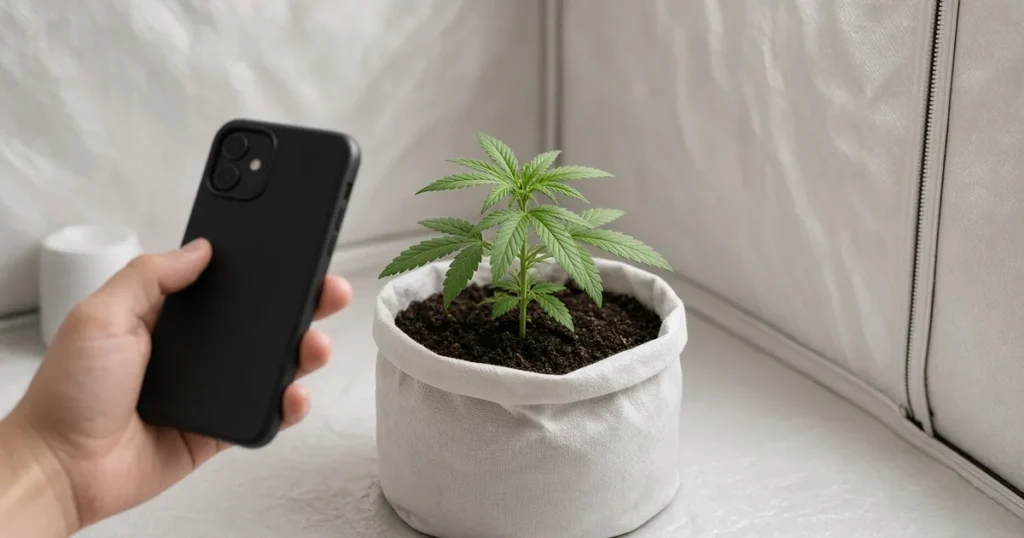
If you cannot turn the light off, set the camera white balance manually. Many phones let you lock white balance in pro mode. Shoot a sheet of white paper under the light, set balance from it and then shoot the plant.
Gear that is worth it
| Item | Why it helps | Rough cost |
|---|---|---|
| Phone with a decent camera | Enough for nearly every forum photo | You already own it |
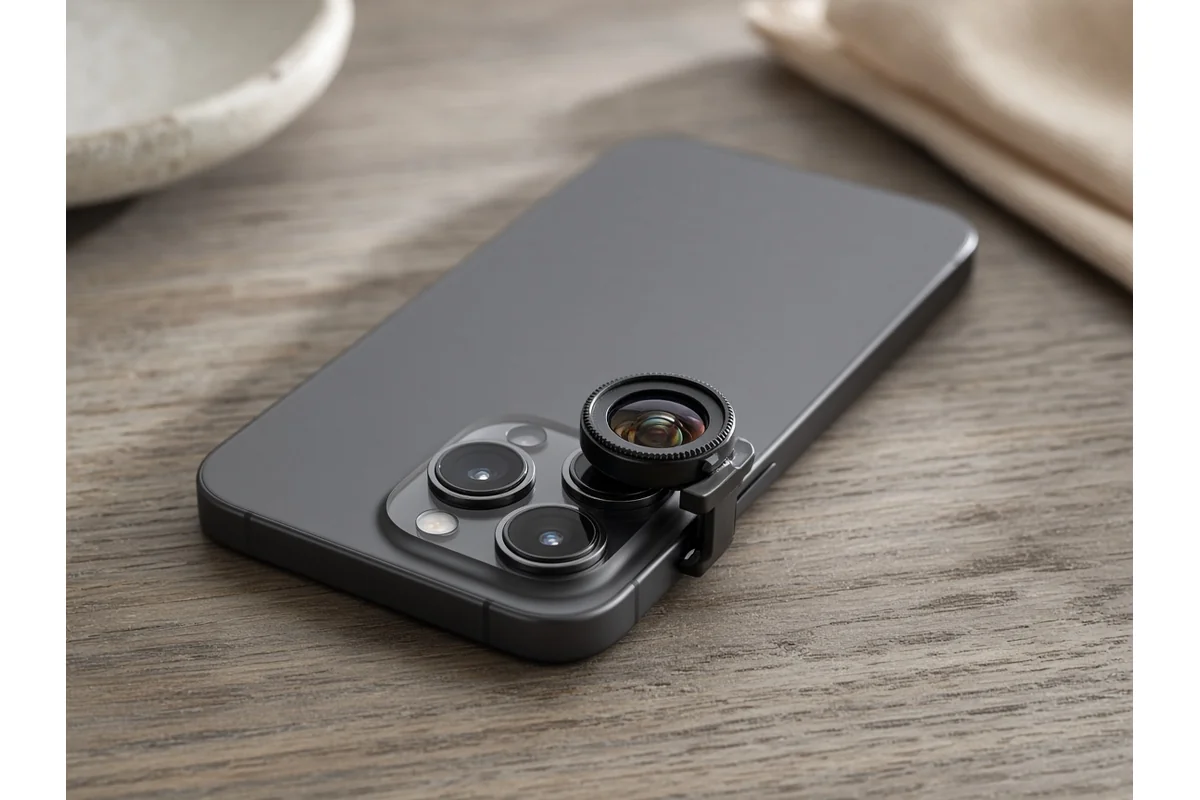
| Clip on macro lens | Shows trichome heads and pests | Low |
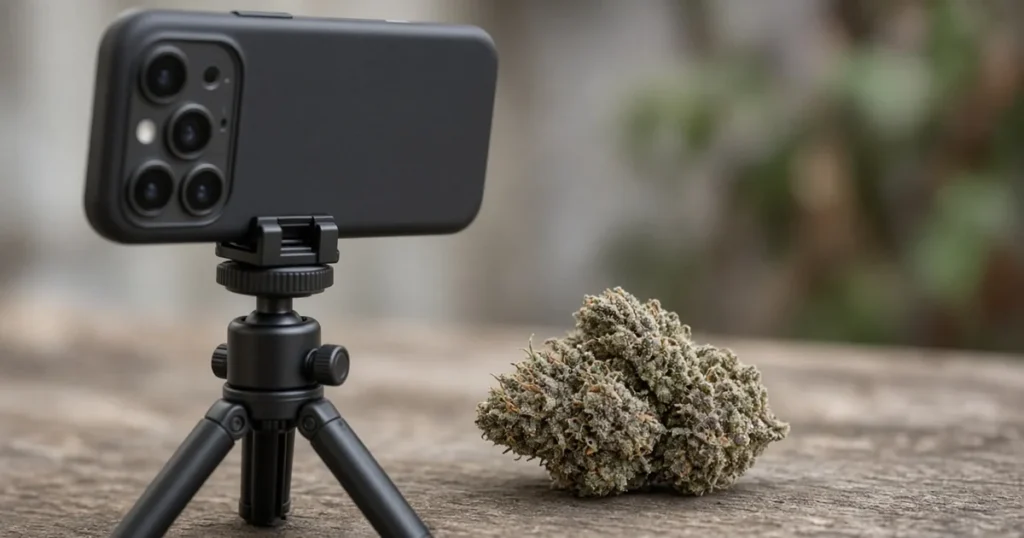
| Small tripod or clamp | Removes shake in low light | Low |
| Daylight bulb or LED panel | Neutral color | Low |
| Black or white card | Clean background | Almost free |
| Jeweler loupe | Check what you saw in the photo | Low |
You do not need a dedicated camera. A mirrorless camera with a macro lens gives beautiful results, but it is not needed for diagnosis.
Framing for the question you are asking
Different questions need different shots. Think of it like a doctor asking for specific views.
For ripeness, take a close macro of the calyxes and sugar leaves, not the fan leaves. Get several angles. Trichomes on sugar leaves often look further along than those on the calyx, so say which you photographed.
For leaf problems, shoot a whole plant photo first so people can see where on the plant the symptom sits. Then shoot the top and bottom of one affected leaf. Lower leaf versus new growth tells helpers a lot about mobile and immobile nutrients. Pair the photos with our leaf symptom guide to common deficiencies.
For pests, get as close as you can to the underside of a leaf. Spider mites, thrips and their damage are tiny. A macro lens matters most here.
For mold or bud rot, gently open the suspect bud and photograph inside under bright light. Gray or brown fuzz at the core is what helpers look for.
Focus and steadiness
Tap to focus on the exact spot you care about. Phones like to focus on the nearest high contrast object, which is often a leaf tip. Hold your breath and press the shutter gently, or use a timer. For macro shots, move the phone slowly in and out rather than relying on autofocus, since the depth of field is razor thin. Take ten shots and pick the sharpest.
Backgrounds and scale
Clutter distracts. Slide a black or white card behind a cola and suddenly its shape is easy to read. Include something for scale in at least one shot, such as a coin or a ruler, so people can judge size. Avoid shiny backgrounds that reflect light into the lens.
Editing without lying
Crop to the subject and straighten the frame. Small exposure fixes are fine. Do not push saturation or apply filters on a diagnostic photo. If you used heavy editing for a show off shot, say so. Communities quickly lose trust in growers who post filtered photos.
Privacy before you post
Photos carry metadata, including location on many phones. Strip it before uploading. Most phones have a setting to remove location when sharing, and many forums strip it on upload, but do not count on it. Look at the edges of every frame for faces, mail, windows with street views, license plates, tattoos and anything with your name. If your state limits plant counts, think about whether you want a full room shot online at all.
Writing the caption
A great photo still needs context. List strain or seed type, week of flower or veg, medium, light, feeding and the environment numbers you know. Say what you already tried. Helpers answer faster when they do not have to ask for basics.
Building a photo routine
Shoot the same plant from the same spot each week. Use the same light and the same distance. Over a full grow this becomes a time lapse you can compare across runs, and it makes any change easy to spot. Label files with the date and the week so you never wonder which photo came first.
Show off shots
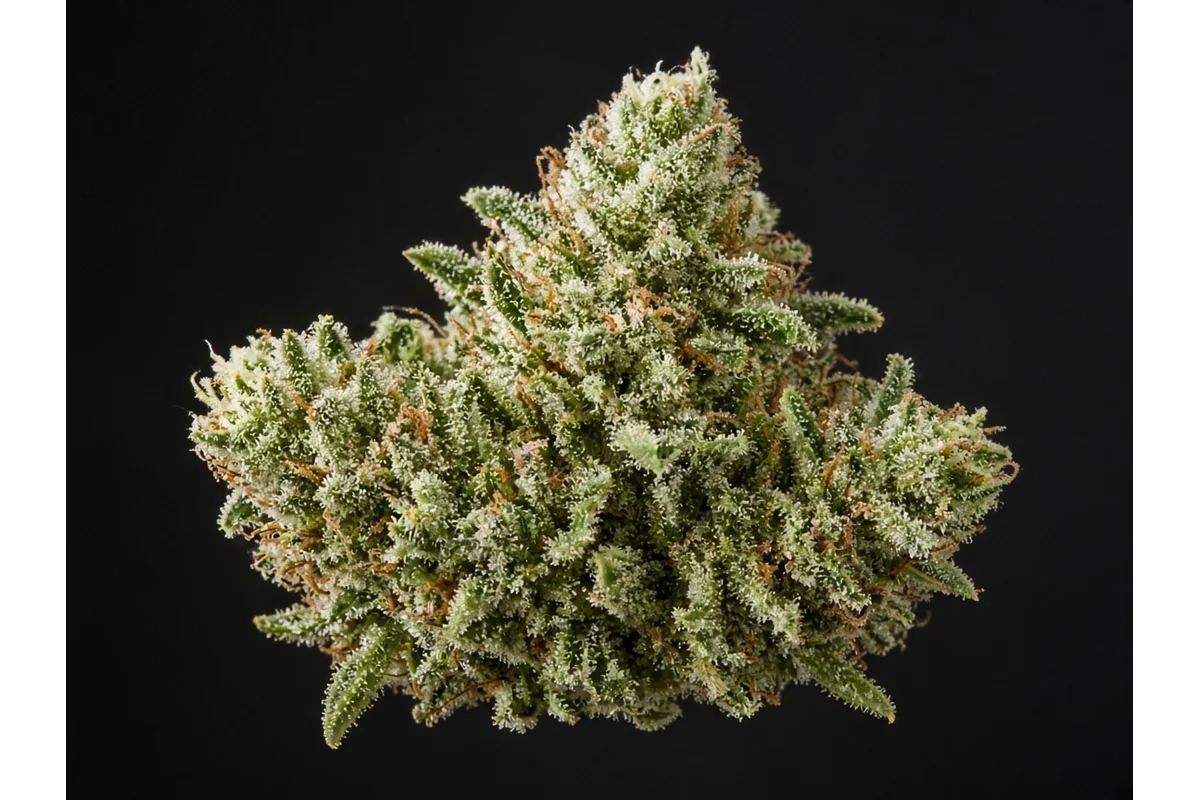
When the harvest is done and you want a beauty photo, go slower. Use two lights, one from the side and one softer from the front. Shoot against black for drama. Try a dried bud on a plain plate, lit from the side to show texture. These images are for joy, not diagnosis, and that is fine too.
Grow legally and responsibly
Home cultivation is only legal in some states, and each state sets its own plant limits, locking rules and rules about whether plants can be visible from a public place. You must be 21 or older to buy seeds from Kind Seed Co, and you should grow only where your state and city allow it. Check your state rules in our guide to the legal requirements for growing weed plants in your state before you plant. Federal treatment of cannabis seeds is also changing, so read our December 11 2026 seed rule explainer before you order. Keep plants and harvested flower locked away from children, pets and visitors, and never drive after using cannabis. This article is general information. It is not legal advice and it is not medical advice.
Frequently asked questions
What is the best light for photographing buds?
Neutral white light, such as daylight from a window or a daylight bulb. Turn grow lights off or down during the light period to avoid color shifts.
Do I need a macro lens?
For ripeness and pest questions it helps a lot. A low cost clip on lens is enough for most phones.
How do I remove location data from photos?
Use your phone’s share setting that removes location, or a metadata stripping app, before you upload.
How many photos should I post?
Usually three to five. One whole plant shot, a few close ups of the problem and one with something for scale.
Final thoughts
Good forum photos come from neutral light, steady focus, a clean background and a clear caption. Get those right and the community can actually help you.
Ready to start
Browse the full range in the Kind Seed Co shop or go straight to award winning seeds. Kind Seed Co sells only to adults 21 and older. Always follow the cannabis laws where you live.