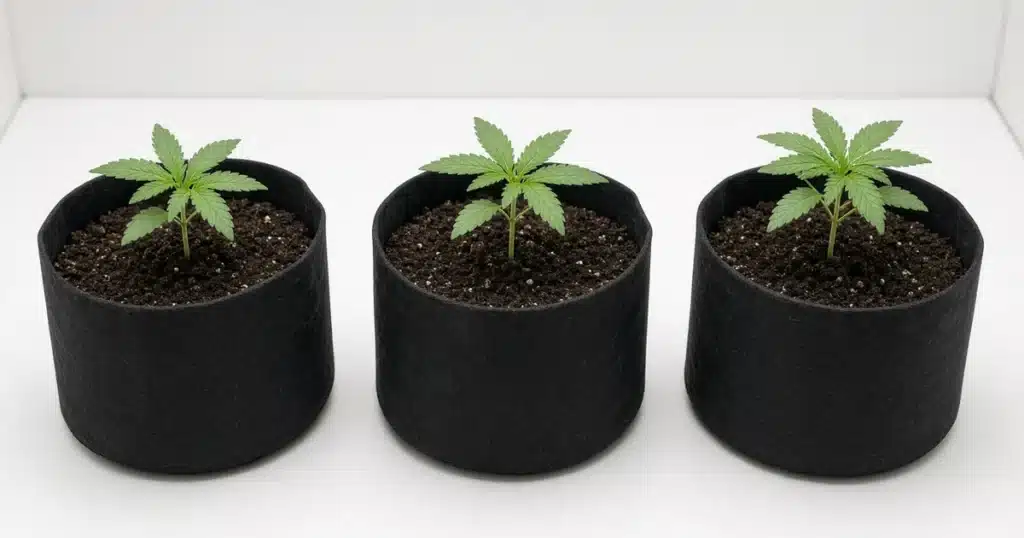
Hydroponic Diffuser Plate vs Air Stones: Fine Bubbles for Roots
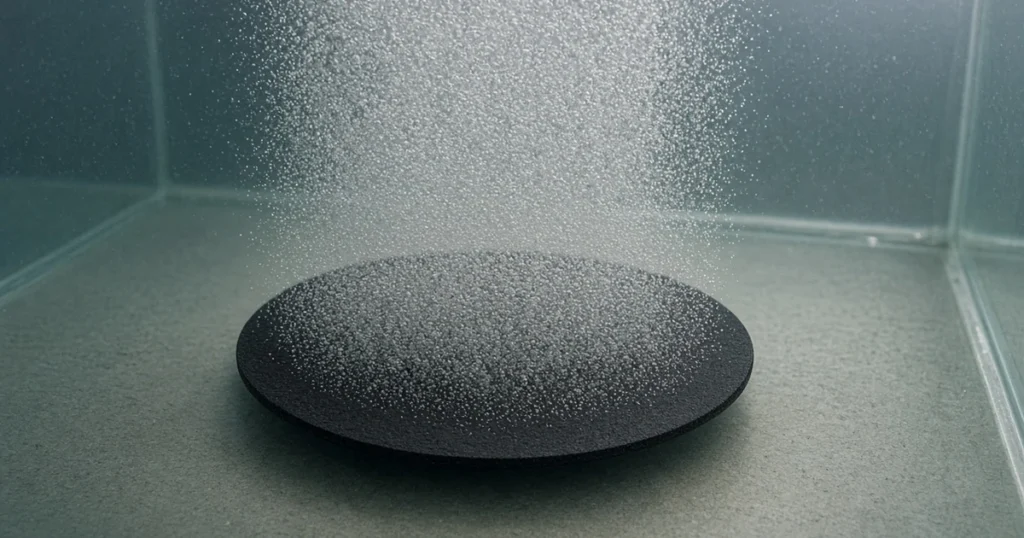
A hydroponic diffuser plate is a flat aerator that sits on the floor of a reservoir and releases fine bubbles across its surface. An air stone does this from a smaller block. Both connect by tubing to an air pump, and both add air to the nutrient solution.
The short answer
Choose an air stone for a single bucket or a small tub. A diffuser plate suits a wide, shallow reservoir where you want bubbles spread across more of the floor. Either way, run the pump steadily and clean or swap the plate when the flow drops.
What is a diffuser plate?
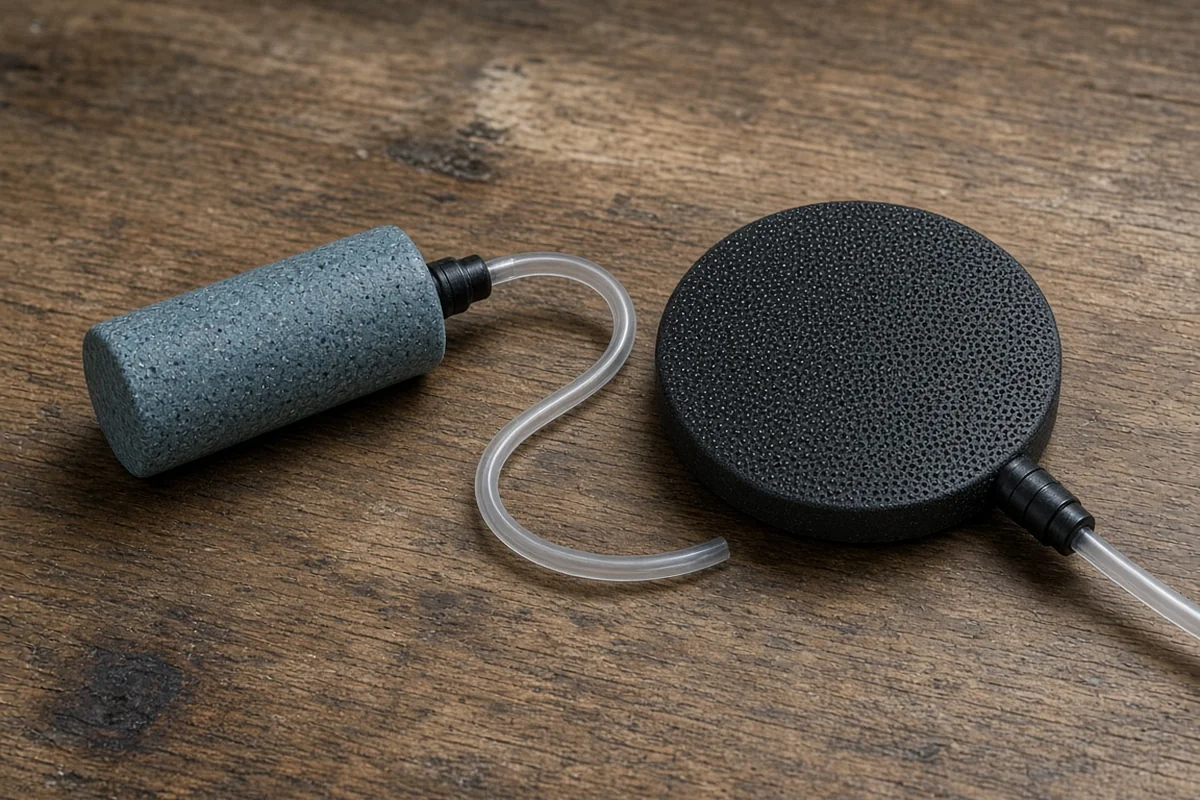
Virginia Cooperative Extension notes that in smaller deep water systems an air pump with an attached air line and diffuser can help move the nutrient solution. A diffuser plate is that diffuser built as a flat disc or panel. The University of Minnesota Extension describes the air stone as a porous synthetic stone joined through tubing to an outside pump. Air pushed through its porous build leaves as tiny bubbles. Routine checks are in caring for your hydroponic system.
Are diffuser plates better than air stones?
Neither wins every time. Oregon State University Extension says deep water culture needs effective aeration because there is little water movement and low air exchange. It names pumps and air stones as the common source. A plate spreads bubbles over a wider area, which helps in a long or wide tub. An air stone is cheap, small and easy to swap. Minnesota suggests an airstone when you grow several plants with different root lengths. Compare layouts in indoor marijuana grow systems.
How do you clean a diffuser plate?
Lift the plate out at each solution change, rinse it and scrub off any film with a soft brush. Run the pump with the plate in a bucket of clean water to check that bubbles come from the whole surface. Oregon State lists regular checks on aeration equipment as routine upkeep, along with pH and nutrient levels.
Diffuser plate or air stone
| Need | Diffuser plate | Air stone |
|---|---|---|
| Reservoir | Wide or shallow | Bucket or small tub |
| Bubble spread | Across a wider floor | From one point |
| Swap | Less often | Cheap and easy |
| Upkeep | Rinse and scrub | Rinse or replace |
Sources: Virginia Cooperative Extension, University of Minnesota Extension, Oregon State University Extension.
How to: step by step
- Measure the floor of the reservoir.
- Choose a plate for wide tubs or a stone for buckets.
- Set the plate flat on the floor.
- Run tubing from the pump to the plate.
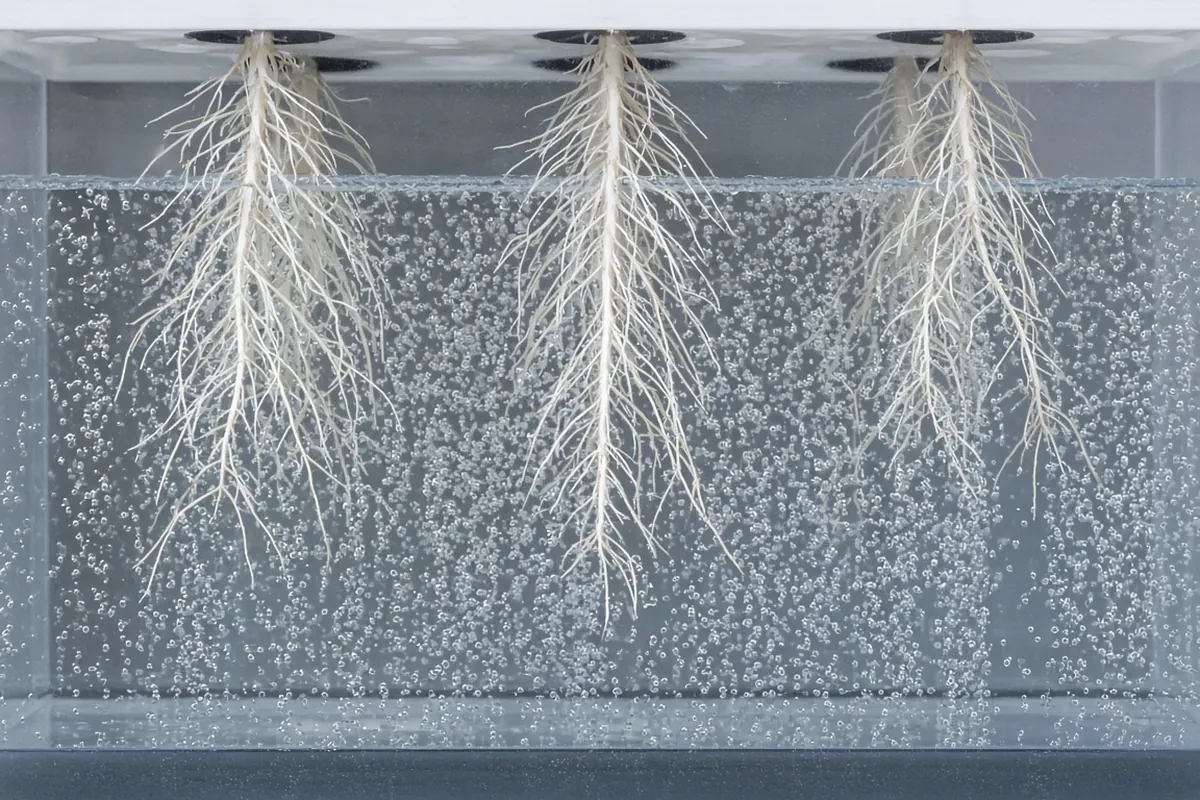
- Start the pump and check for bubbles across the surface.
- Rinse the plate at each solution change.
Troubleshooting
Bubbles at only one edge: a tilted plate, so set it flat.
Weak bubbles: the plate surface is clogged. Rinse and scrub it.
Plate floats up: air under the plate lifts it. Weigh it down or use a heavier model. Room setup notes are in hydro setup environment, and media options are in hydroponic in different mediums.
Kind Seed Co shares these notes for growers who run wide reservoirs.
Sources
- Hydroponic production of edible crops: deep water culture (DWC) systems (SPES 464), Virginia Cooperative Extension
- Small scale hydroponics, University of Minnesota Extension
- Hydro hints: deep water culture (EM 9455), Oregon State University Extension
FAQ
What does a diffuser plate do?
It releases fine bubbles across a flat surface on the reservoir floor. It adds air to the nutrient solution the same way an air stone does.
Do diffuser plates replace air stones?
They can in wide reservoirs. In a single bucket an air stone is usually enough.
Why does deep water culture need aeration?
Oregon State University Extension says deep water culture has little water movement and low air exchange, so it needs effective aeration.
How do I know the plate is clogged?
Bubbles get weak or come from only part of the surface. Rinse and scrub it.
Can a diffuser help move the solution?
Yes. Virginia Cooperative Extension says an air pump with an air line and diffuser can help move the nutrient solution in smaller systems.