Medical cannabis caregiver grow rules by state

In many states a registered medical cannabis patient can name a caregiver, a trusted adult who helps them buy, prepare or grow cannabis under the program. Caregiver grow rules are some of the most detailed in medical cannabis law. They set who can serve, how many patients one caregiver can help, where plants can be grown and what records must be kept. Breaking them can cost both the caregiver and the patients their registrations.
This guide explains the common building blocks of caregiver grow rules and how to find the exact version in your state. It is about access and paperwork, not about what cannabis does.
Who can be a caregiver
Most states require caregivers to be adults, often 21 or older. Many require a background check and bar people with certain convictions. Some states let a patient’s family member serve without some of the limits that apply to unrelated caregivers. A caregiver usually must register with the state agency and carry a card. In most programs the patient designates the caregiver through the agency, and the designation can be changed.
Patient caps
States limit how many patients one caregiver can serve. Some allow only one unless the patients are family. Others allow five or more. Hawaii raised its cap to five patients in 2025. A few states allow larger caregiver operations under a separate license. Always check the current cap with your agency.
Plant count rules for caregivers
| Rule type | How it works in some states |
|---|---|
| Per patient | Caregiver may grow a set number of plants for each patient |
| Combined cap | Total plants at one location cannot exceed a ceiling |
| Mature versus immature | Separate counts by stage |
| Canopy limit | Square footage instead of plant count |
| Shared location | Patient and caregiver grows at one address may be combined |
The details matter. In some states a caregiver serving three patients may grow three times the per patient number. In others a location cap stops at a fixed total no matter how many patients. Read our sibling post on patient plant count limits for the patient side.
Where plants can be grown
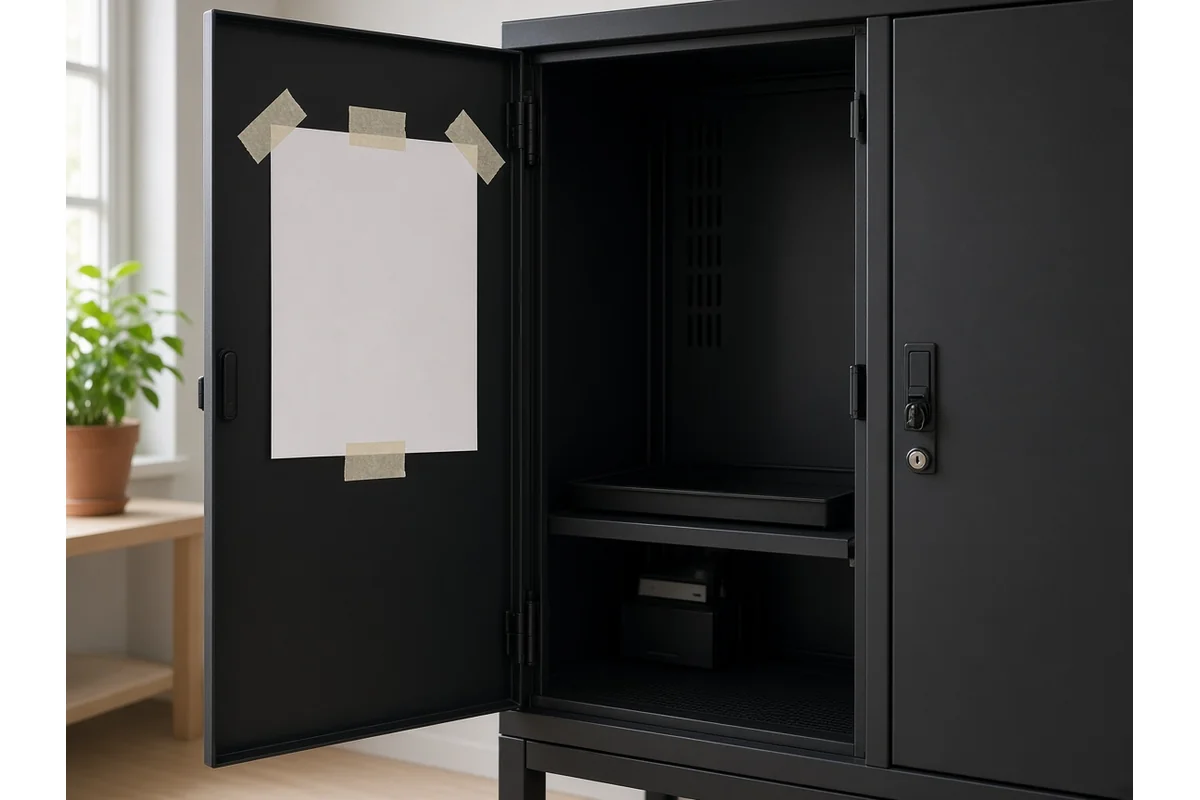
Many states require caregiver grows to be in an enclosed, locked space not visible from public places. Some limit grows to the caregiver’s or patient’s residence. Some prohibit growing within a set distance of schools. Some require the grow address to be registered. Some local governments add zoning rules. Renters need landlord permission in many places.
Records and labels
Caregivers often must keep records of which plants belong to which patient, what was harvested and what was transferred. Some states require tags on plants or posted registration at the grow site. Keep copies of every patient designation, card and renewal.
Transfers and compensation
Caregivers usually can give cannabis only to their registered patients. Some states allow reimbursement for costs. Others ban any payment. Selling to anyone else is illegal and can lead to criminal charges and loss of registration.
When a state changes the rules
Rules shift often. Hawaii repealed a ban on caregiver grows in 2025 and set a future cultivator license requirement starting in 2028. Other states have moved from plant counts to canopy limits or added background checks. Sign up for agency notices and check the rules before each grow cycle.
Common mistakes
Growing for a patient whose card expired. Exceeding the location cap when several caregivers share a house. Transferring to an unregistered friend. Failing to update the agency when a patient changes caregivers. Keeping plants where they can be seen from the street.
Finding your state’s rules
Start with the program agency, often the health department or a cannabis control board. Look for caregiver pages, FAQs and the rule text. Read the statute for definitions like mature plant and enclosed locked facility. If anything is unclear, ask the agency in writing and keep the answer.
Ending a caregiver relationship
If a patient moves, changes caregivers or leaves the program, the caregiver usually must stop growing for that patient and may need to destroy or transfer plants under state rules. Notify the agency promptly. Keep records showing the date the designation ended.
Practical setup tips
Label each patient’s plants clearly. Use a lockable tent or room. Keep a binder or digital folder with each patient’s current card and designation. Set calendar reminders for every renewal date. A tidy system protects everyone if an inspector visits.
A caregiver record template
Keep one page per patient. List the patient name or registry number, card expiration date, date of designation and the plant tags assigned to that patient. Add a running log of harvests with dates and dry weights, and a log of every transfer to the patient with date and amount. Note any agency contact and keep a copy of the reply. Store a copy of the current rule text in the same folder. Review the folder once a month and update expiration dates.

Talking with patients about the rules
Set expectations early. Explain how many plants you can grow for them, how long a harvest takes and what you can and cannot accept as reimbursement in your state. Agree on how you will hand off cannabis and how you will handle a missed renewal. Put the basics in writing so both of you can refer back to it. Clear agreements prevent most disputes and protect both registrations if anyone asks questions later.
When an inspector or officer visits
Stay calm and polite. Show your caregiver card, the patient designations and your plant log. Point out the plant tags and the locked space. Do not guess about rules you are unsure of. A clean record is your best support in any review of the grow.
Program access, age and the law
This guide compares how state medical programs handle access. It does not describe what cannabis does for any condition, and it is not a substitute for a licensed practitioner. Every figure here can change after a session or a new rule, so confirm the current number on your state agency’s own website before you apply, pay or plant. Federal law still treats cannabis outside a state medical license as a controlled substance, and seeds have their own federal rules, so read our December 11 2026 seed rule explainer before ordering. Kind Seed Co sells only to adults 21 and older. Our guide to the legal requirements for growing weed plants in your state lists what each state allows. This article is general information. It is not legal advice and it is not medical advice.
Frequently asked questions
How many patients can a caregiver grow for?
It varies by state, from one to five or more. Some states allow more for family members. Verify the current cap with your agency.
Do caregivers need their own registration?
In most states, yes, often with a background check and a fee.
Can a caregiver sell extra cannabis?
No. Transfers are usually limited to registered patients, and some states ban any payment.
What happens when a patient’s card expires?
The caregiver generally must stop growing for that patient until the card is renewed.
Final thoughts
Caregiver grow rules reward careful records. Know your cap, your location rules and your patients’ renewal dates, and confirm every detail with the agency.
Ready to start
Browse the full range in the Kind Seed Co shop or go straight to usa. Kind Seed Co sells only to adults 21 and older. Always follow the cannabis laws where you live.