Medical marijuana patient plant count limits by state
If you are a registered patient in a state that allows home cultivation, the first rule to learn is how many plants you can have. It sounds simple. In practice states count plants in different ways, set separate limits by growth stage, cap households and sometimes replace plant counts with canopy size. Getting the count wrong is one of the most common ways patients run into legal trouble.
This guide explains how states count plants, how patient and household limits interact and how to find the exact figure for your state. It is about rules and access only.
Not every program allows home grow
Some medical programs do not allow patients to grow at all. Others allow it only if you live far from a dispensary or get a special permit. Georgia’s 2026 law, for example, still does not allow home cultivation. Check first whether your program permits home grow.
How plants are counted
| Method | What it means |
|---|---|
| Total plants | Every plant counts, seedlings included |
| Mature plants only | Only flowering plants count toward the main cap |
| Mature plus immature | Separate caps for each stage |
| Canopy | Limit on square feet of growing area |
| Weight based | Limit tied to possession of harvested cannabis |
Definitions matter. A state may define mature as a plant showing flowers, or as one over a certain height. Clones and seedlings may or may not count. Read the statute definitions carefully.
Household caps
Many states cap plants per household regardless of how many patients live there. Two patients in the same home might not be allowed to double the count. Some states allow a higher household cap if more than one patient lives there. Caregiver grows at the same address may count against the same cap. See our caregiver grow rules post for details on that side.
Typical ranges
Patient limits commonly range from about four to a dozen mature plants, with some states allowing more immature plants. A few states allow larger amounts with a practitioner’s recommendation for higher need. These ranges are only for orientation. Verify the exact number with your state agency.
Possession limits still apply
Even within your plant limit, the harvested amount may exceed what you can legally possess. Many states set a separate limit for usable cannabis at home. Some allow a larger home amount for the harvest from legal plants. Know both limits.
Security and visibility
Plant limits usually come with rules requiring an enclosed, locked space not visible to the public. Some states ban growing outdoors or require fences. Local ordinances can add more.
Registration of the grow
Some states require patients to register their grow address or choose between growing and buying from dispensaries. Others require a separate home grow permit. Check whether you must tell the agency before planting.
Changes over time
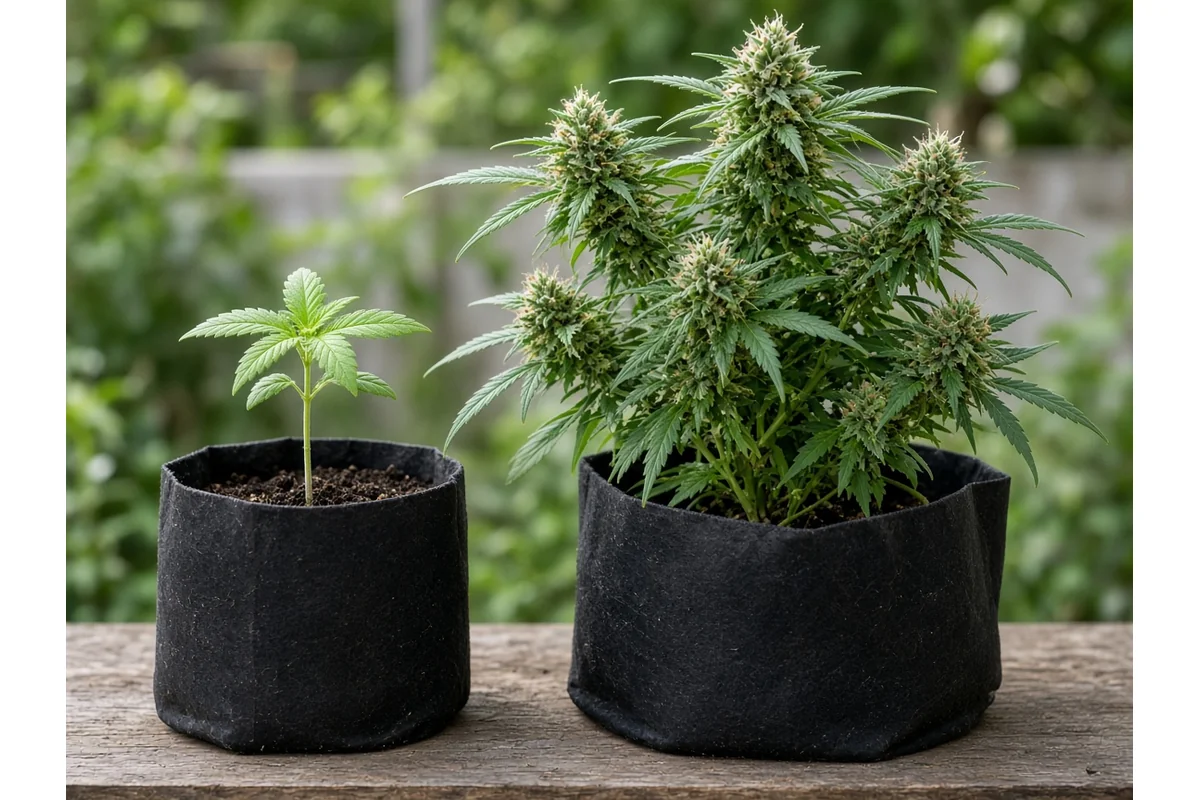
States revise limits after sessions. Some have moved from plant counts to canopy or raised limits for patients. Hawaii changed caregiver rules in 2025. Recheck each year.
Staying within the limit
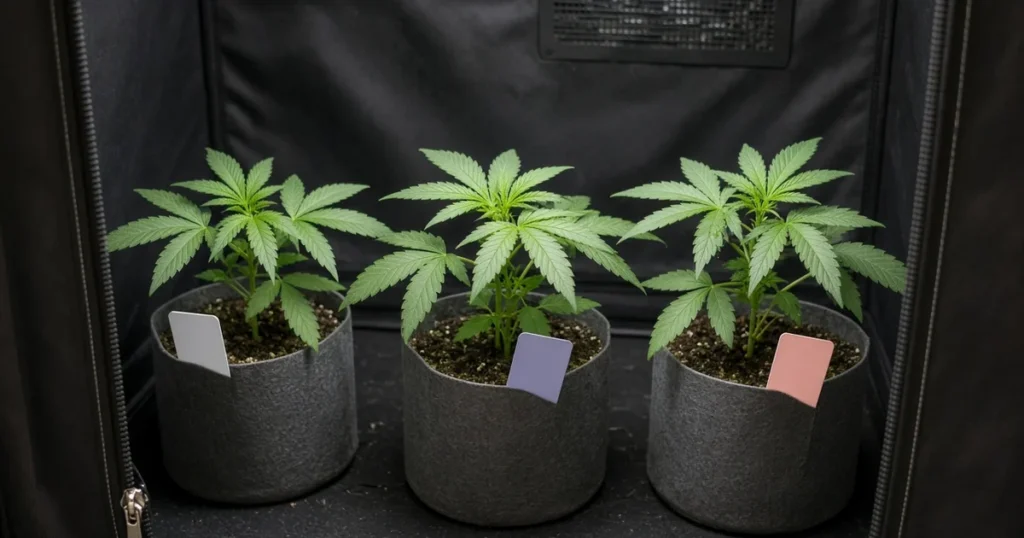
Tag each plant with a number and the date it entered flower. Keep a simple log of plant counts. Do not start extra seedlings as backups if they would push you over the limit. Remove males and runts promptly where they count. Our seeds or clones guide can help you plan a grow that fits a small count.
Renters and landlords
Even when state law allows patient grows, a lease can ban them. Some states protect patients from discrimination in housing but still let landlords ban cultivation. Read your lease and ask in writing.
Travel and moving
Plant limits do not travel with you. Moving to a new state means new rules, and a card from your old state usually does not authorize growing in the new one.
How to find your number
Go to your state program agency’s website. Find the home cultivation or patient FAQ page. Read the rule text for definitions. If unsure, email the agency and save the reply.
Planning a grow around a small limit
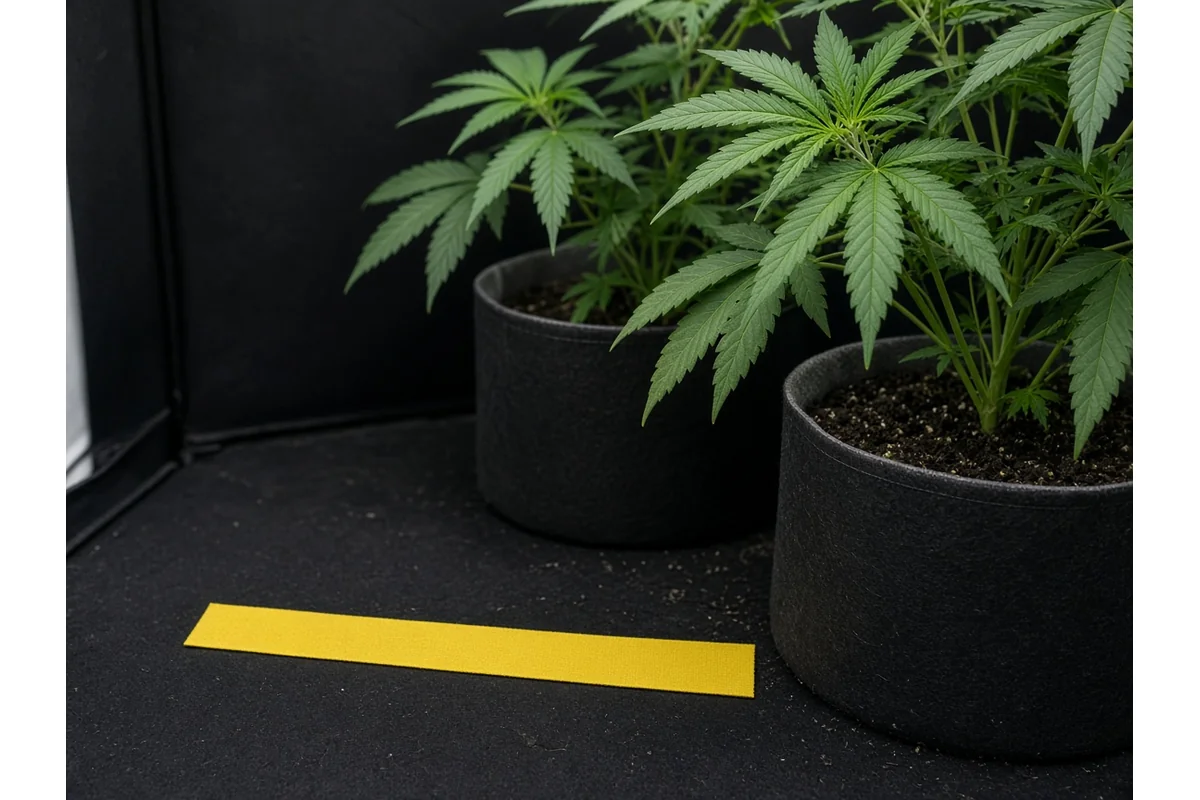
A low plant count pushes many patients toward fewer, larger plants. Training methods like topping and low stress training spread a plant’s canopy so one plant fills more of the tent. Longer vegetative time grows bigger plants, though it also stretches the cycle. Autoflowers stay small and finish fast, which suits patients who want several short runs a year within the count. Photoperiod plants give more control over size. Pick an approach that fits the limit and your space.
Counting during transitions
Be careful at the moments when counts change. When seedlings move into flower, they may switch from the immature to the mature count. When you start clones or seeds for the next run while the current run is still flowering, both groups may count at once. Plan the overlap so you stay under every cap. Harvested plants usually stop counting as plants once cut, but the dried cannabis then falls under possession limits. Write the rule for each stage at the top of your grow log.
Keep proof at the grow site
Many states expect a patient to show a valid card if anyone asks about the plants. Keep a copy of your card, your grow registration if your state requires one and a short plant log near the grow. If a caregiver also grows at your address, keep their designation there too. Update the paperwork as soon as anything changes, such as a renewal or a new caregiver. Simple paperwork makes questions short and easy.
Program access, age and the law
This guide compares how state medical programs handle access. It does not describe what cannabis does for any condition, and it is not a substitute for a licensed practitioner. Every figure here can change after a session or a new rule, so confirm the current number on your state agency’s own website before you apply, pay or plant. Federal law still treats cannabis outside a state medical license as a controlled substance, and seeds have their own federal rules, so read our December 11 2026 seed rule explainer before ordering. Kind Seed Co sells only to adults 21 and older. Our guide to the legal requirements for growing weed plants in your state lists what each state allows. This article is general information. It is not legal advice and it is not medical advice.
Frequently asked questions
How many plants can a medical patient grow?
It depends on the state, often around four to a dozen mature plants. Some states do not allow home grow. Verify the current limit with your agency.
Do seedlings count toward my plant limit?
In some states yes, in others only mature plants count. Check your statute definitions.
Can two patients in one house double the limit?
Not always. Many states set a household cap. Check your state rules.
Do I need to register my home grow?
Some states require a grow registration or permit. Others do not. Ask your agency.
Final thoughts
Know how your state counts plants, whether a household cap applies and what you can possess after harvest. Then confirm it with the agency and tag every plant.
Ready to start
Browse the full range in the Kind Seed Co shop or go straight to usa. Kind Seed Co sells only to adults 21 and older. Always follow the cannabis laws where you live.