Outdoor cannabis grow calendar by month
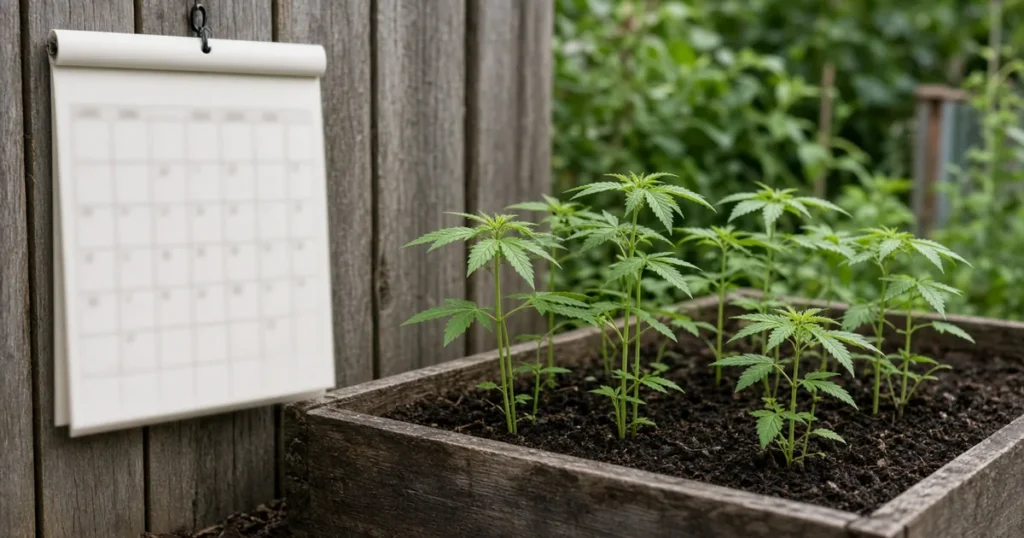
An outdoor cannabis grow follows the sun. Plants grow through the long days of early summer, start flowering as nights lengthen in late summer and finish in fall. Knowing what to do each month keeps you ahead of the season instead of reacting to it. This calendar covers a typical outdoor grow in most of the continental United States. It is written for adults 21 and older who grow where home cultivation is legal.
Your local frost dates matter more than any calendar. Warm southern areas can run a few weeks ahead, and northern or mountain areas can run a few weeks behind. Use this as a framework and adjust it to your climate.
The season at a glance
| Month | Main focus |
|---|---|
| January | Plan and research |
| February | Order seeds and supplies |
| March | Prep soil, start early seeds in warm zones |
| April | Start seeds indoors, harden off in the south |
| May | Main planting month in many areas |
| June | Finish planting, early training |
| July | Peak veg, support and pest scouting |
| August | Flowering begins |
| September | Bud development, mold watch |
| October | Harvest for most photoperiods |
| November | Dry, cure and clean up |
| December | Review notes and rest the soil |
January
Winter is planning time. Check your state and local rules on home growing. Pick your spot by watching where the sun falls, keeping in mind that summer sun is higher than winter sun. Look up your average last spring frost and first fall frost. The gap between them is your season.
February
Choose your genetics. Match each strain’s expected flowering window to your season length. Photoperiods suit long seasons. Autoflowers suit short seasons or a quick early crop. Browse our outdoor seeds and order early so seeds arrive in time. Gather pots, soil, compost and stakes.
March
Prepare beds by mixing in compost. Test your soil pH if you can. In warm southern areas, start seeds indoors late in the month. Store seeds cool and dry until you are ready.
April
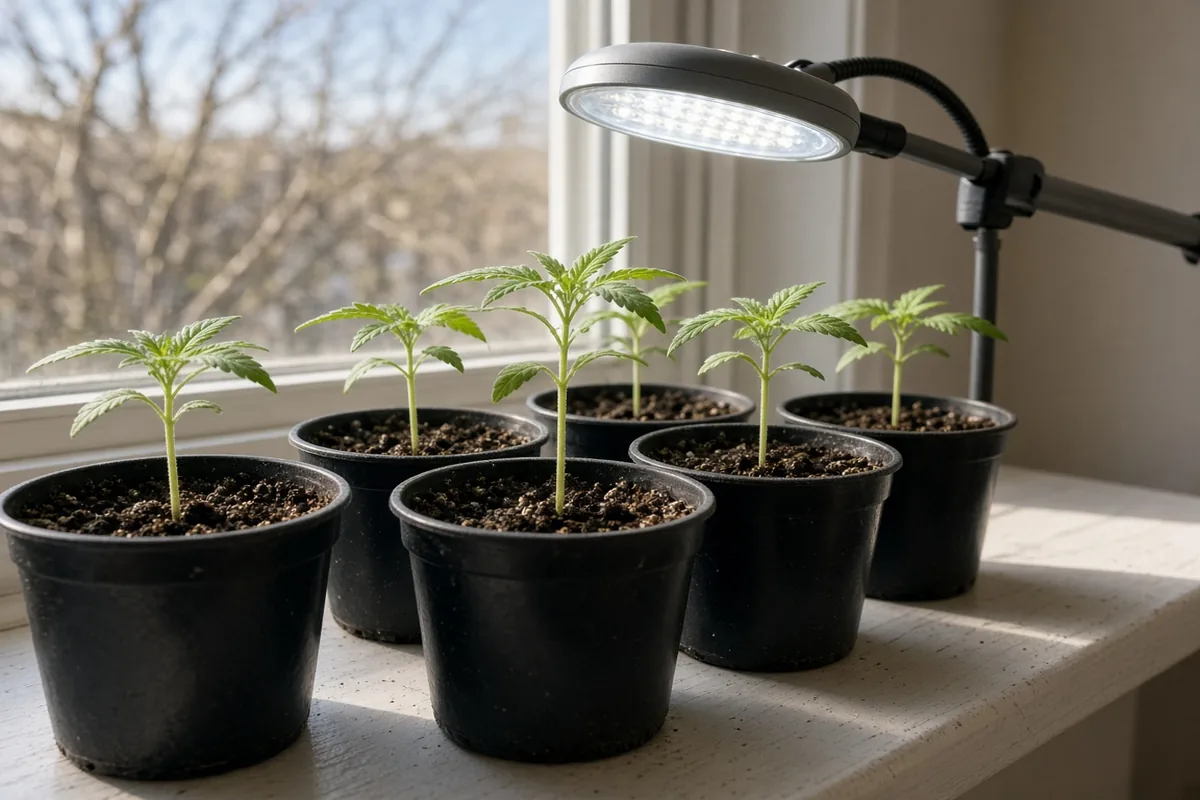
Start seeds indoors in most areas, about four to six weeks before your planting date. Give seedlings bright light and gentle airflow. In warm areas, begin hardening off seedlings by setting them outside for a few hours each day.
May
May is the main planting month in much of the country. Wait until frost danger has passed and nights stay above about 50 degrees. Harden off for about a week, then plant on a calm, cloudy day if possible. Water in well and mulch the soil.
June
Finish planting photoperiods early in the month in most areas. Autoflowers can still go in. Start training with low stress bends or topping to spread the canopy. Begin regular feeding as plants pick up speed.
July
Plants grow fast in July. Add stakes, cages or trellis netting before branches get heavy. Water deeply, especially in heat waves. Scout the undersides of leaves for pests like spider mites and caterpillars. Prune lower growth that gets little light to improve airflow.
August
Photoperiod plants start flowering as nights lengthen. Switch to bloom feeding. Stop heavy training once flowers form. Keep watching for pests, since caterpillars love buds.
September
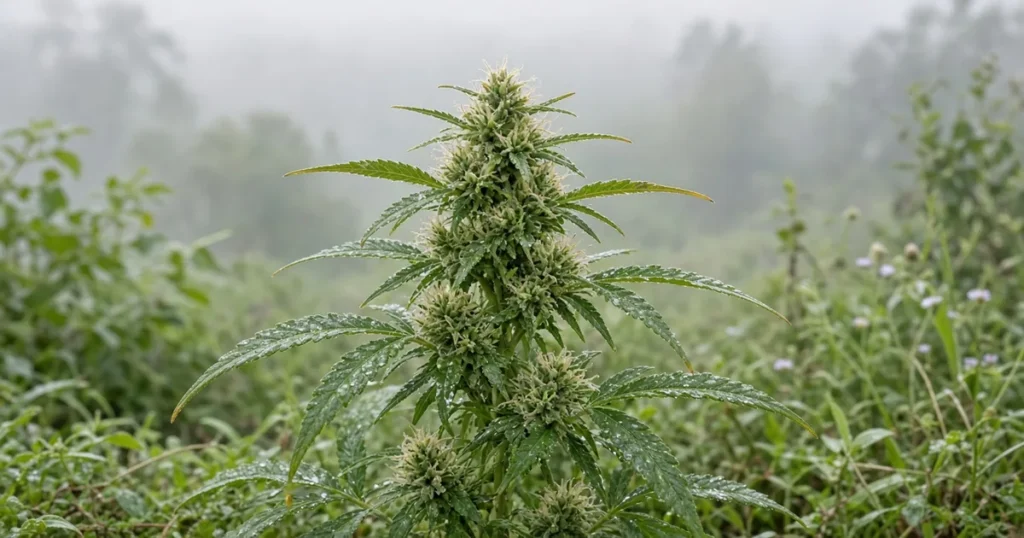
Buds swell and resin builds. Watch the forecast closely. Cool, damp nights raise the risk of bud rot. Shake off rain after storms and keep airflow open. Fast strains and autoflowers may be ready to harvest.
October
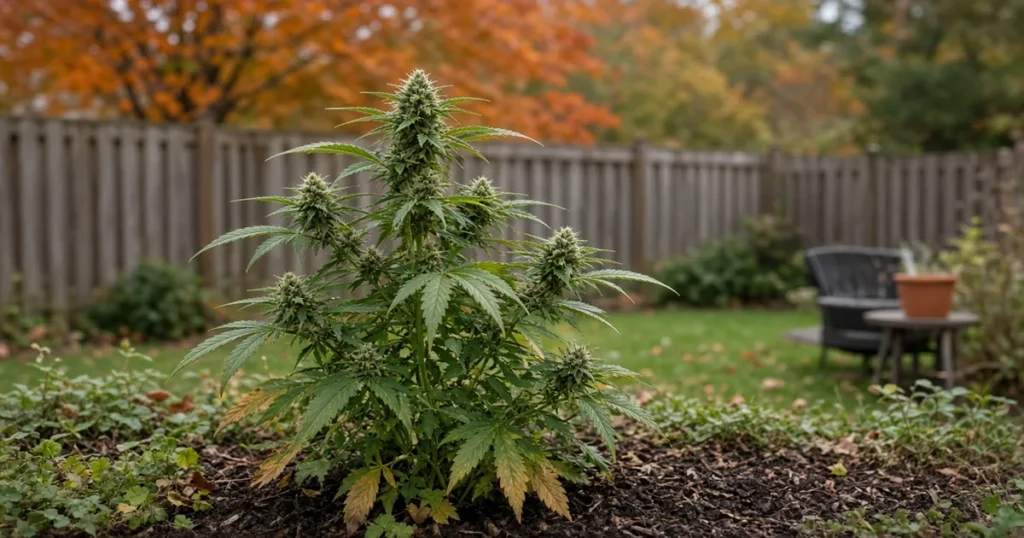
Most photoperiod plants finish in late September through October. Check trichomes with a magnifier. Harvest before long cold rains or a hard frost if possible. A slightly early harvest beats losing buds to mold.
November
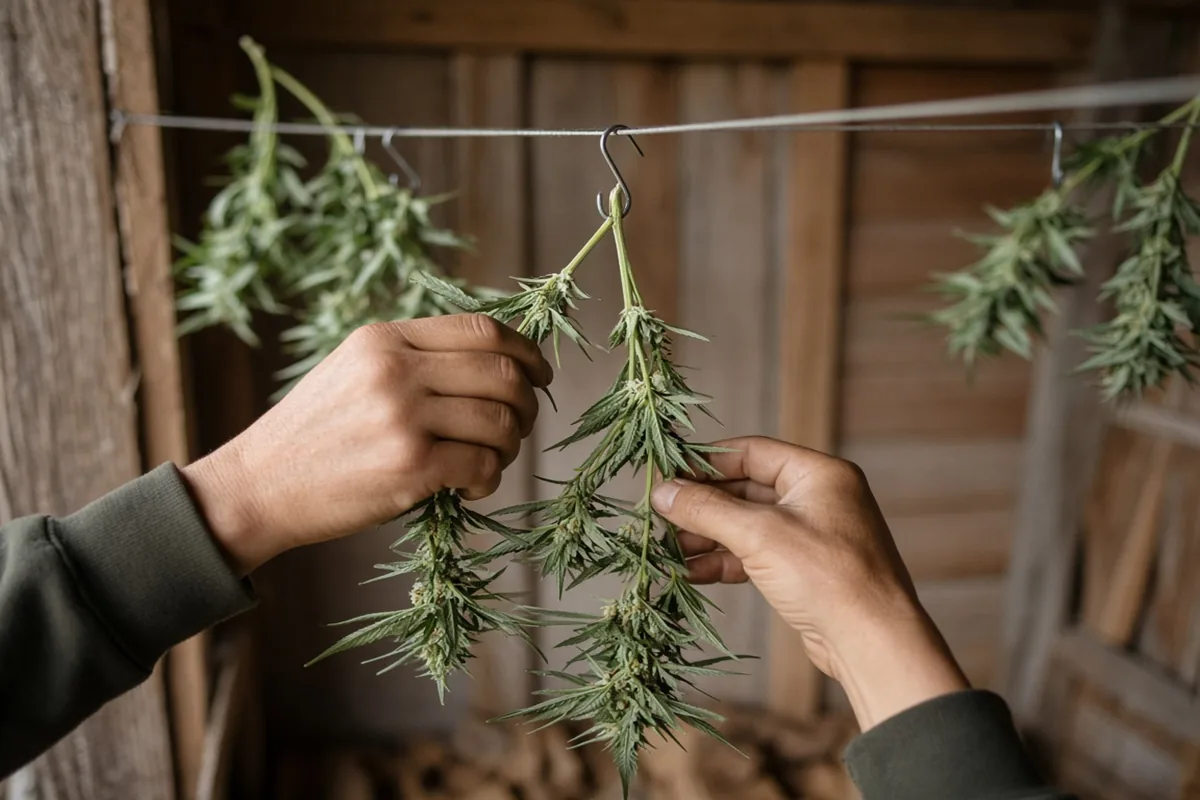
Hang branches to dry in a dark, cool space with gentle airflow. Many growers aim for around 60 degrees and 60 percent humidity. Once stems snap rather than bend, trim and move buds to jars to cure. Open jars briefly each day at first. Clean and store pots and tools.
December
Write down what worked and what did not. Note planting dates, harvest dates, pest problems and which strains did best. Add compost or a cover crop to rest your beds for next year.
Region notes
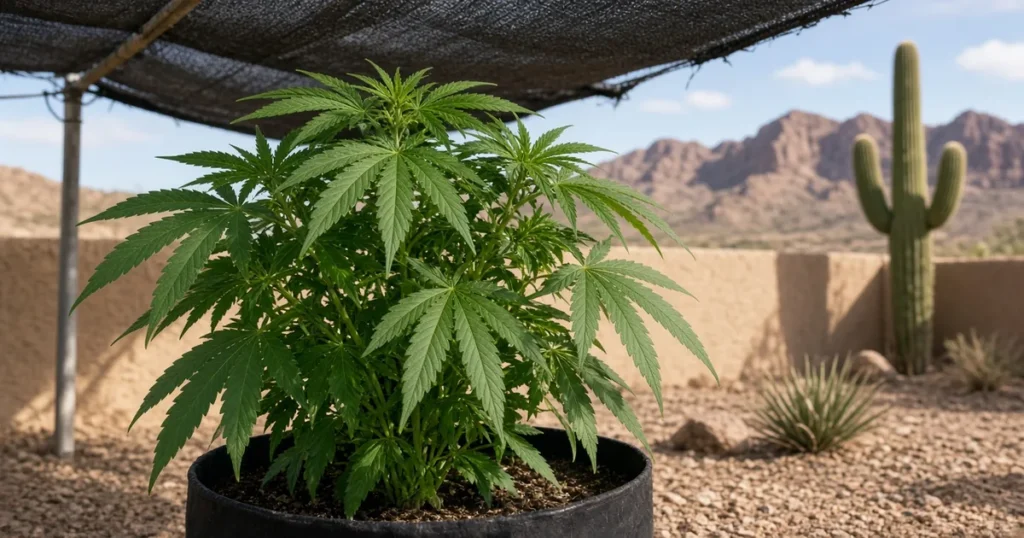
- South and Southwest. Long seasons allow early planting, but heat calls for shade and deep watering.
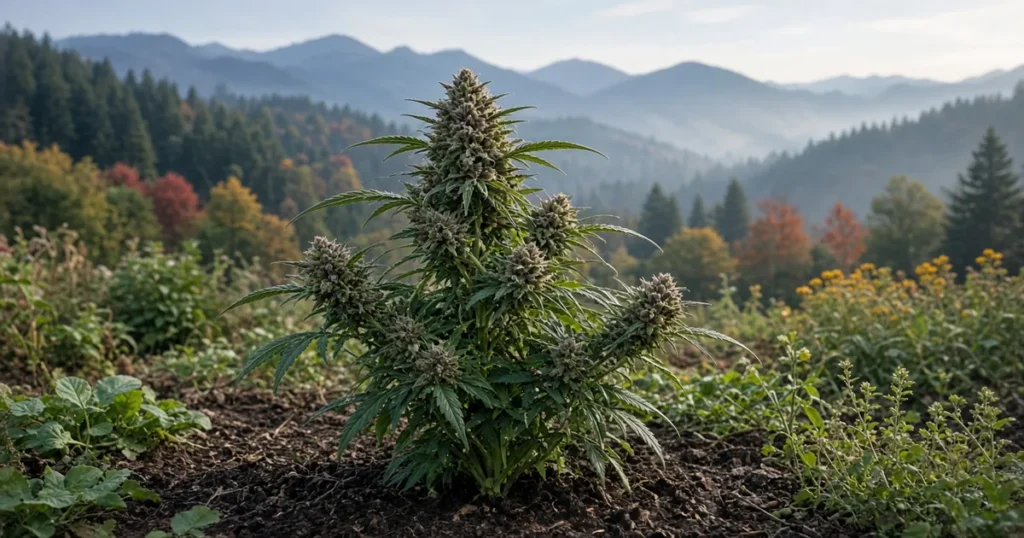
- Pacific Northwest. Mild summers and wet falls make fast finishing strains a smart pick.
- Midwest and Northeast. Shorter seasons and humid falls favor early strains and good airflow.
- Mountain areas. Late and early frosts make autoflowers and greenhouses helpful.
For more detail, see our state guides on when to plant cannabis outdoors in California, Michigan, Ohio, New York and Oregon.
Watering through the season
Watering needs change a lot across the calendar. In spring, young plants in cool soil need only light watering, and overwatering is the bigger risk. By July, large plants in full sun can drink heavily, and containers may need water every day in a heat wave. In late flower, many growers cut back slightly so soil is not soggy during cool nights. Check soil moisture by feel a couple of inches down rather than watering on a fixed schedule.
Feeding through the season
Feed lightly after planting out and increase as plants grow. Nitrogen supports leafy growth in early summer. As flowering starts, many growers switch to a bloom formula with more phosphorus and potassium. Compost and slow release organic feeds can carry plants a long way in good soil. Stop heavy feeding in the last couple of weeks, especially in containers.
Pest calendar
Aphids and spider mites often show up in early summer heat. Caterpillars arrive in mid to late summer and target buds in flower. Slugs and snails can hit seedlings in spring. Scout weekly, check leaf undersides and remove pests by hand when you can. Beneficial insects and approved organic sprays used before flowering can help.
Running two autoflower crops
In warm areas with long seasons, some growers fit two autoflower crops into one year. Plant the first in spring as soon as nights stay mild, harvest in early summer and plant the second right away. The second crop finishes before fall weather turns. This works best where summers are long and fall stays dry.
Final thoughts
An outdoor grow rewards planning. Pick genetics that fit your season, plant after frost, support plants through summer and harvest before fall weather turns. Keep notes each month so next year’s calendar fits your garden even better.
Grow legally and responsibly
Home cultivation is only legal in some states, and each state sets its own plant limits, locking rules and rules about whether plants can be visible from a public place. You must be 21 or older to buy seeds from Kind Seed Co, and you should grow only where your state and city allow it. Check your state rules in our guide to the legal requirements for growing weed plants in your state before you plant. Federal treatment of cannabis seeds is also changing, so read our December 11 2026 seed rule explainer before you order. Keep plants and harvested flower locked away from children, pets and visitors, and never drive after using cannabis. This article is general information about gardening. It is not legal advice and it is not medical advice.
Frequently asked questions
When should I plant cannabis outdoors?
In many areas, May is the main planting month, after the last frost once nights stay above about 50 degrees.
When is outdoor cannabis harvested?
Most photoperiod plants finish from late September through October in much of the US.
Can I grow autoflowers outdoors?
Yes. They finish quickly and suit short seasons or a second crop in warm areas.
Should I start seeds indoors?
Many growers start seeds indoors four to six weeks before planting out.
Ready to start
Browse the full range in the Kind Seed Co shop or go straight to outdoor seeds. Kind Seed Co sells only to adults 21 and older. Always follow the home grow laws where you live.