Best cannabis strains for Southeast humidity
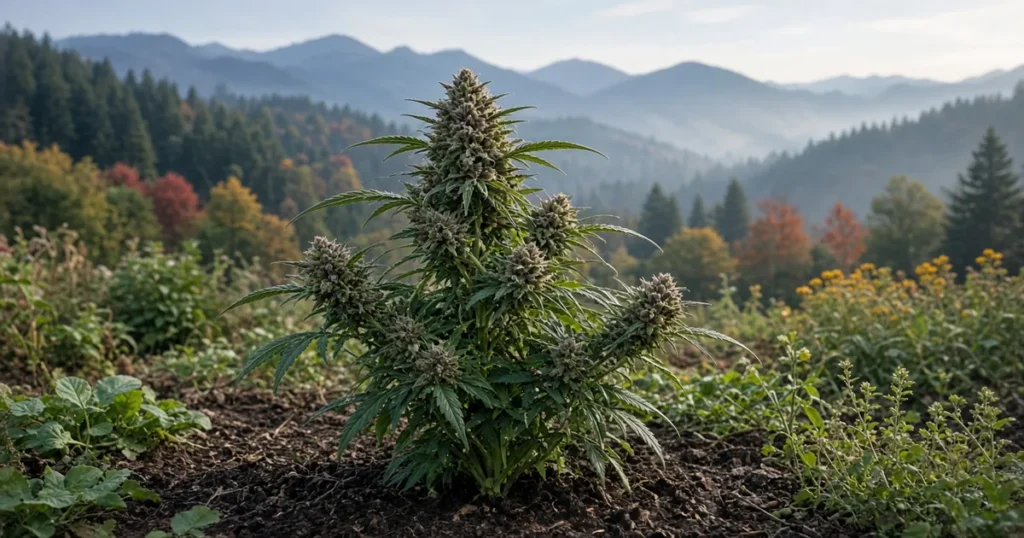
The best cannabis strains for Southeast humidity are mold resistant lines with airy, loose buds, sativa leaning or hybrid structure, open branching and a fast finish before the wettest late season weather. Fast flowering photoperiods and autoflowers that finish in summer can dodge the heavy dew and storms of fall. Avoid very dense, chunky buds in humid regions, since they hold moisture and are prone to bud rot. Strain choice is only half the plan. Spacing, pruning and airflow matter just as much. This guide is for adults 21 and older choosing mold resistant strains. Many Southeast states restrict or ban home cultivation, so check your local law before you plant.
Why the Southeast is tough for cannabis
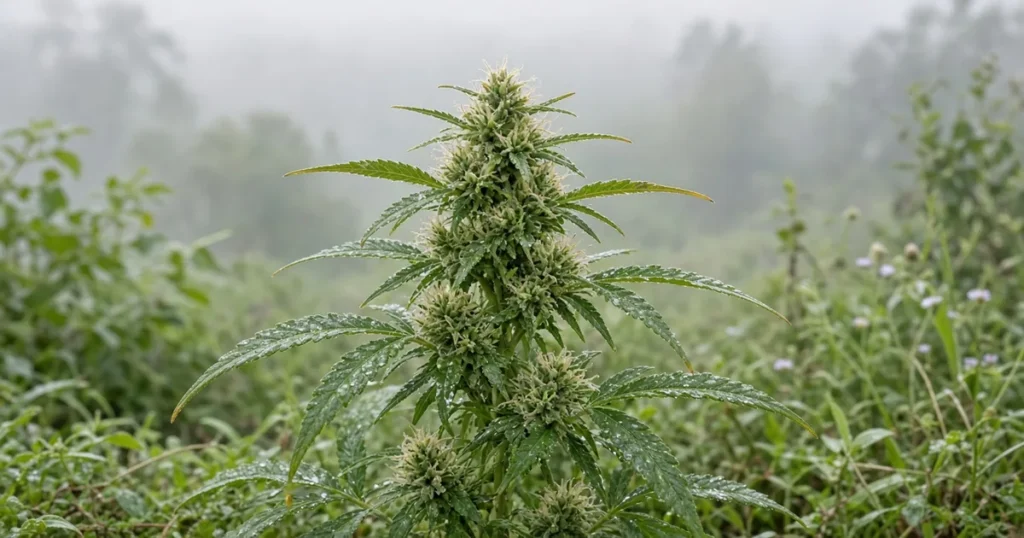
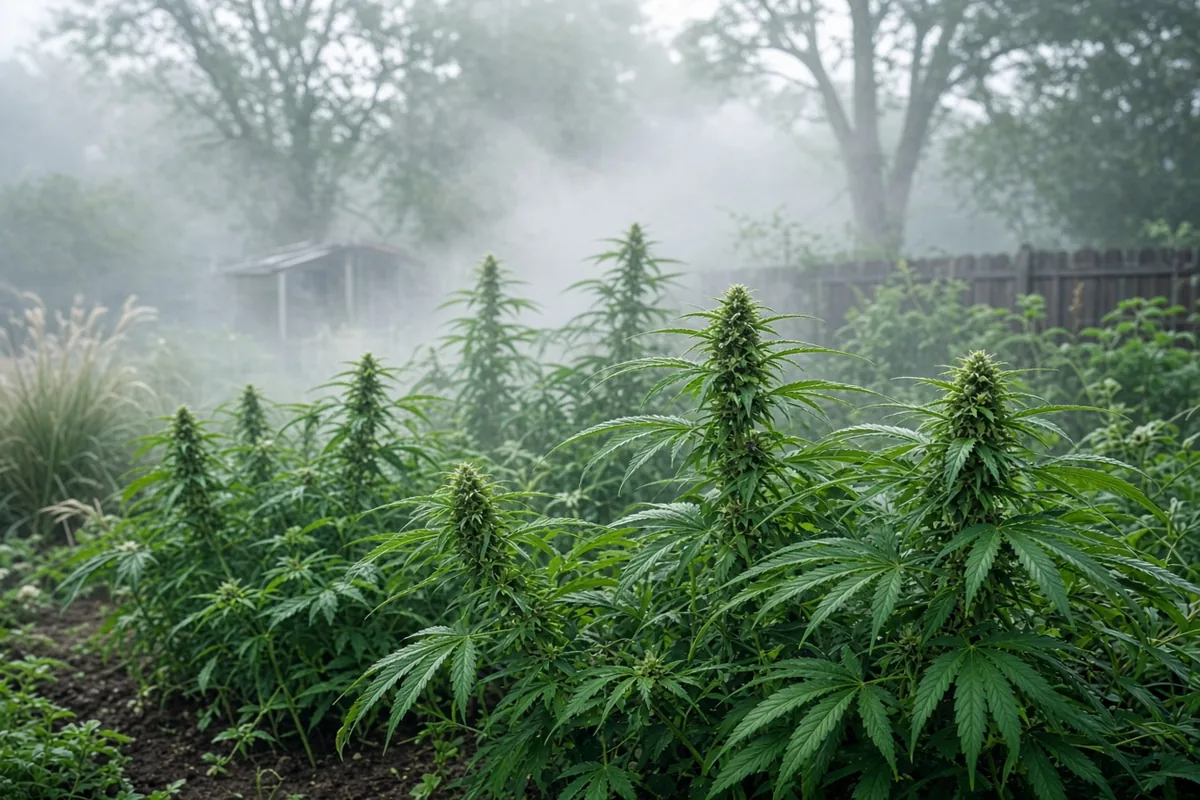
The Southeast United States has long, warm, humid summers, frequent thunderstorms and heavy morning dew. High humidity combined with warm nights creates ideal conditions for powdery mildew and bud rot, especially late in flowering when buds are dense. Read our guide to white mold on cannabis to learn how mildew starts.
Traits to look for
Mold resistance
Look for breeders who describe a line as mold or mildew resistant, ideally with outdoor test notes from humid regions. Treat these claims as a guide, not a guarantee.
Airy bud structure
Looser buds dry faster after rain and dew. Many sativa leaning plants grow longer, more open colas.
Open branching
Plants with space between branches let air move through. Bushy, tight plants trap moisture.
Fast finish
Strains that finish by late September avoid much of the wet October weather in many areas. Autoflowers planted in spring can finish in early summer.
Vigor
Vigorous plants recover faster from stress and pest pressure.
Strain types that tend to do well
| Type | Why it can work | Watch out for |
|---|---|---|
| Sativa leaning hybrids | Airy buds, open structure | Long flowering in some lines |
| Fast flowering photoperiods | Finish before fall storms | Smaller plants |
| Autoflowers | Can finish in summer, multiple runs | Heat stress midsummer |
| Mold resistant bred lines | Selected for humid conditions | Claims vary by breeder |
Types that can struggle
- Very dense, heavy indica dominant buds
- Long flowering sativas that finish in November
- Plants with very tight node spacing
These can still be grown with careful pruning and preventive care, but they carry more risk.
Growing tips for humid climates
Space plants widely
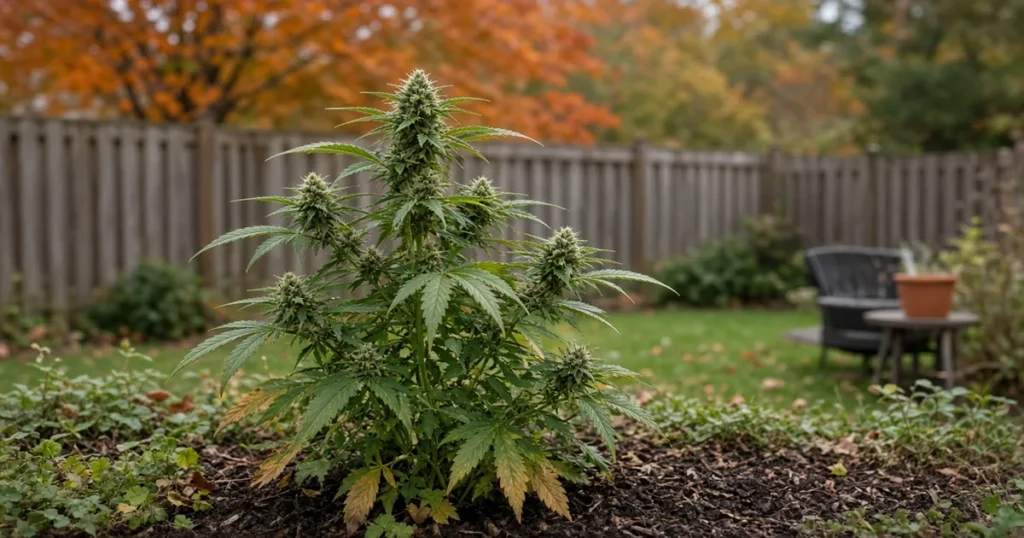
Give each plant room for air to pass. Avoid planting against walls or fences that block breezes.
Prune for airflow
Remove lower branches that will not get light and thin inner leaves. Our guide to low stress training explains how to open a plant.
Plant where morning sun hits
Early sun dries dew faster. Avoid low spots where cold, wet air collects.
Water at the base, early in the day
Keep leaves dry and let the soil surface dry by evening.
Inspect buds often
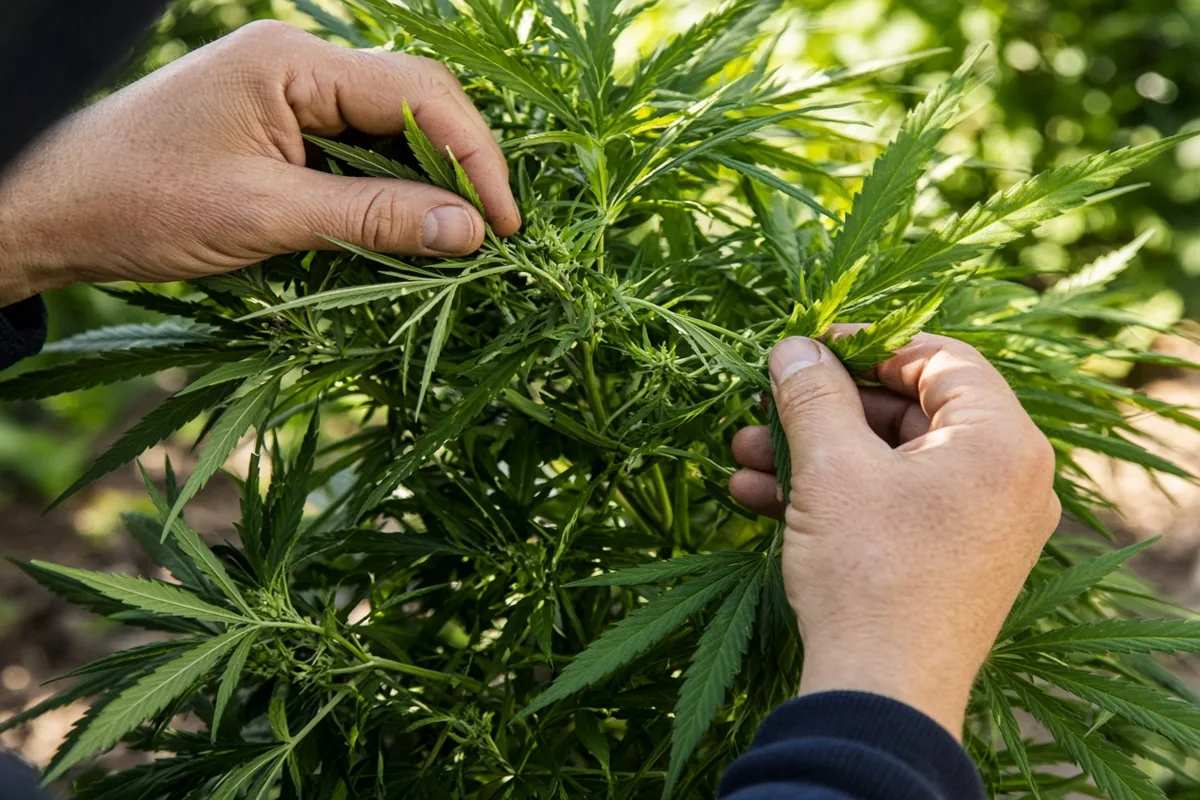
Check inside dense colas late in flowering. Remove any brown or gray spots right away and discard affected material away from the garden.
Consider harvest timing
If a big storm system is coming near harvest, some growers harvest a little early to avoid losing buds to rot.
Using a greenhouse or hoop house
A covered structure keeps rain off buds. Add fans and roll up the sides on dry days so humidity does not build inside.
Drying in humid climates
Harvest is not the end of the risk. Dry in a room with controlled humidity and gentle airflow. See drying temperature and humidity.
Indoor control
If outdoor grows are too risky or not legal, indoor rooms let you control humidity directly. Read humidity control for cannabis.
Timing your season
In much of the Southeast, the last frost comes early, so outdoor plants can go out in spring. Photoperiod plants will flower as days shorten in late summer. Choose strains whose stated flowering window ends before your usual wet season peaks. Local weather records help you pick a target harvest date. If hurricane season is a concern, plan for an earlier harvest or a backup cover.
Soil and drainage
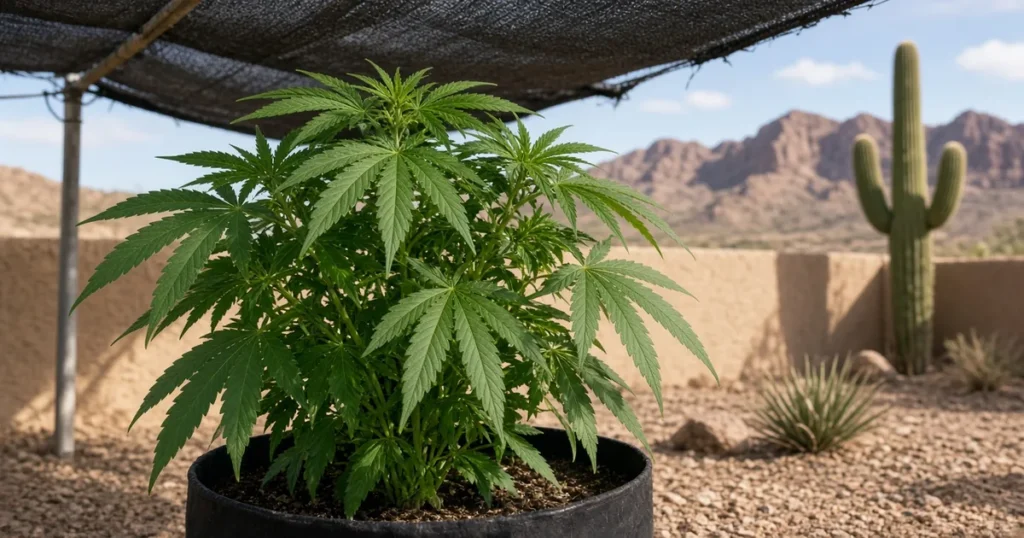
Heavy clay soil common in parts of the region holds water. Use raised beds or large fabric pots with a well draining mix. Good drainage keeps roots healthy and reduces humidity right around the plant.
Preventive care through the season
Many growers in humid regions build a routine. Early in the season they remove weak growth and keep the area around plants clear of weeds and debris. In midseason they thin leaves again after big growth spurts. Late in flowering they shake water off branches after storms and check the inside of every large cola with clean hands. A small fan can even help in a sheltered backyard. None of these steps is complicated, but doing them on schedule makes a big difference when the air stays wet for weeks.
Pest pressure
Warm, humid climates also bring caterpillars, which chew into buds and leave openings for rot. Inspect for droppings and holes, and remove pests by hand.
Keeping records
Note which strains held up and which rotted. Over a few seasons, your own records will be the best guide to what works in your yard.
Grow legally and responsibly
Home cultivation is only legal in some states, and each state sets its own plant limits, locking rules and rules about whether plants can be visible from a public place. You must be 21 or older to buy seeds from Kind Seed Co, and you should grow only where your state and city allow it. Check your state rules in our guide to the legal requirements for growing weed plants in your state before you plant. Federal treatment of cannabis seeds is also changing, so read our December 11 2026 seed rule explainer before you order. Keep plants and harvested flower locked away from children, pets and visitors, and never drive after using cannabis. This article is general information about gardening. It is not legal advice and it is not medical advice.
Frequently asked questions
What are the best cannabis strains for humid climates?
Mold resistant lines with airy buds, open branching and a fast finish tend to do best.
Are autoflowers good for the Southeast?
They can be, because they can finish in early or mid summer before fall storms.
Why do buds rot in humid weather?
Dense buds hold moisture, and warm, wet conditions let mold grow inside them.
Do sativas handle humidity better than indicas?
Many sativa leaning plants have airier buds, which helps, but long flowering times can be a risk.
How can I reduce mold risk outdoors?
Space plants, prune for airflow, water early at the base and inspect buds often.
Is it legal to grow cannabis in the Southeast?
Many Southeast states restrict or ban home grows. Check your state and local law before planting.
Ready to start
Browse the full range in the Kind Seed Co shop or go straight to mold resistant cannabis strains. Kind Seed Co sells only to adults 21 and older. Always follow the home grow laws where you live.