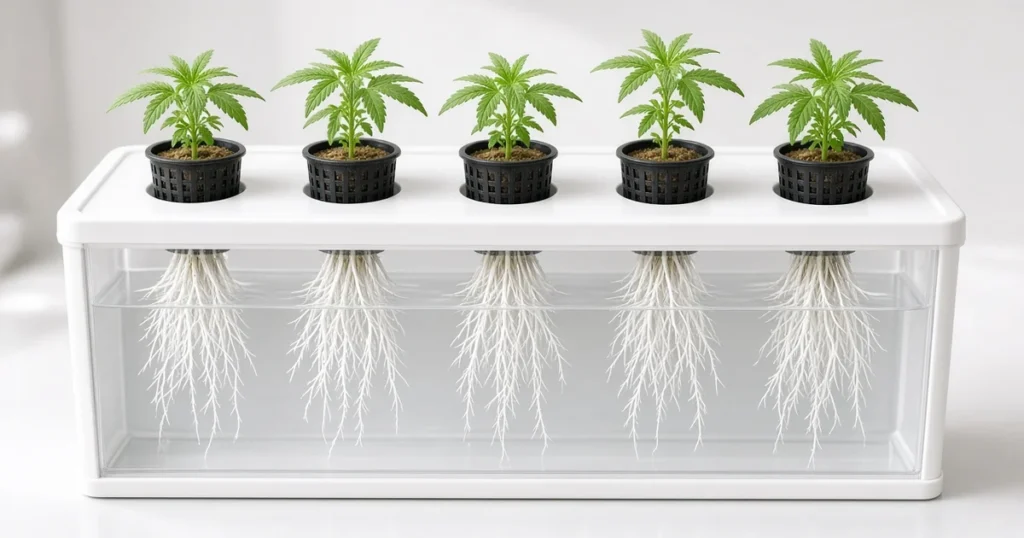
What Are Mycorrhizae?
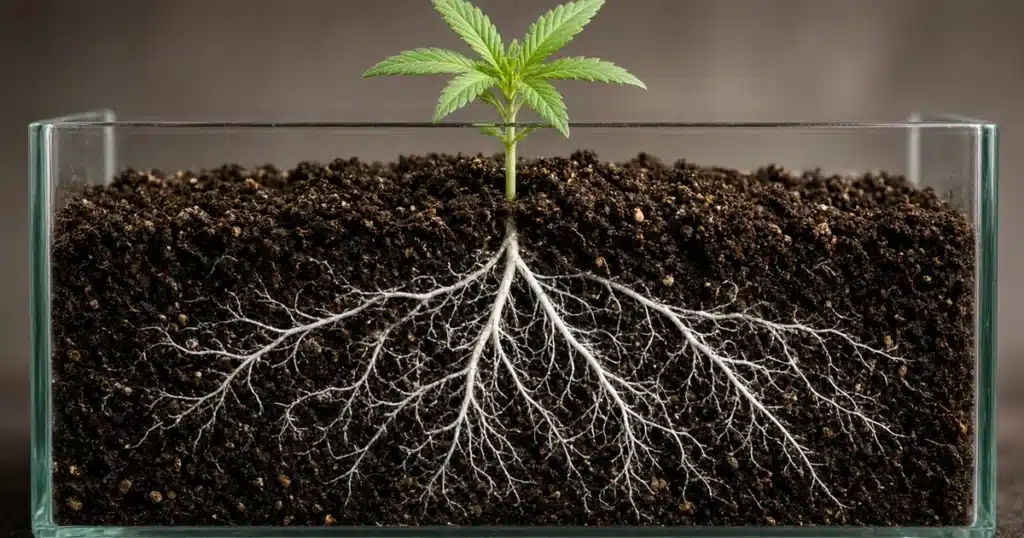
Mycorrhizal fungi for cannabis work the same way they do for most garden plants. WSU Extension says the fungi colonize roots and share phosphate, other nutrients and water with the plant. Their long, thin hyphae explore soil better than roots can. In return, the plant feeds the fungi sugars.
The word itself means fungus root. Here Kind Seed Co answers four questions: what the fungi do, whether you need to add them, how to protect the ones already in your soil and what to expect from a packaged inoculant. The sources are general garden and landscape guidance rather than cannabis studies. For the plant side of the partnership, read about the role roots play in cannabis.
What Mycorrhizae Do in the Soil
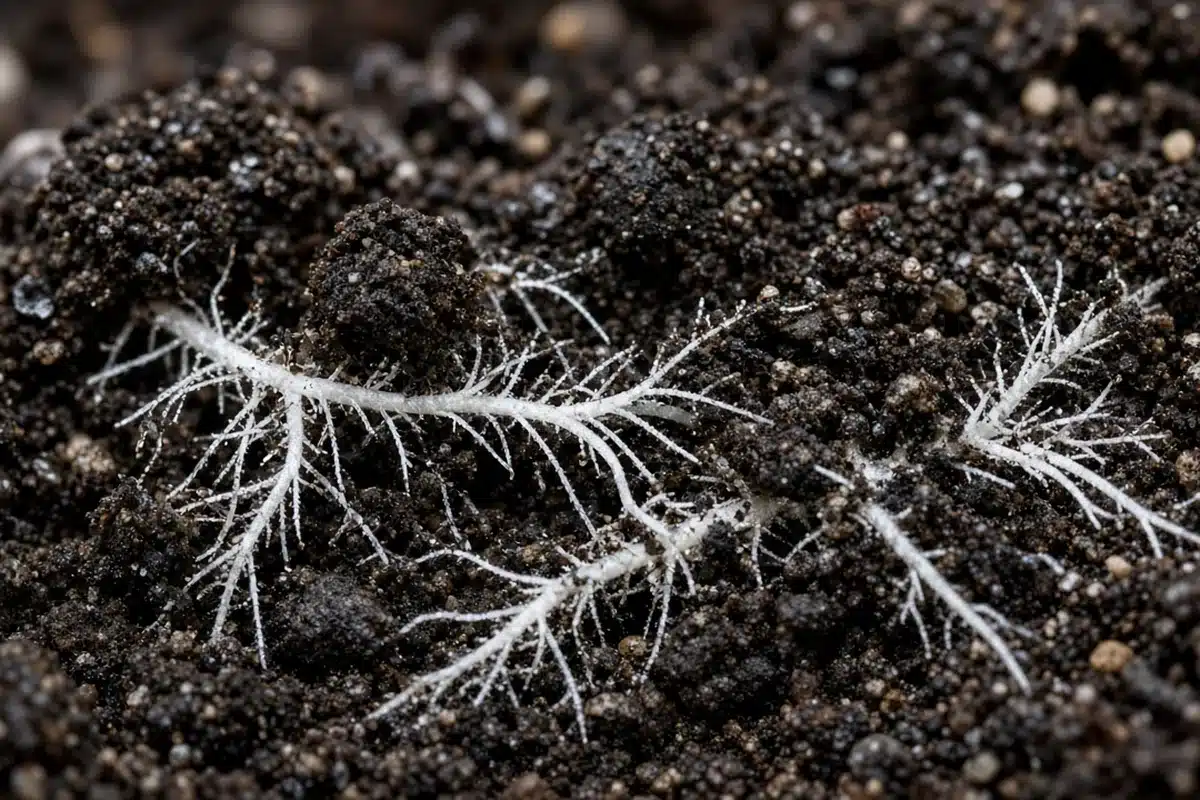
Mycorrhizae extend the reach of a plant into the soil. WSU Extension says the thin fungal threads, called hyphae, reach water and nutrients in soil that plant roots cannot.
WSU describes the fungi as especially good at pulling phosphate from soil, where it is often immobile. Arizona Cooperative Extension adds that mycorrhizae can improve phosphorus uptake when phosphorus is low, and that the plant gives the fungus carbohydrates in return.
| Partner | What it gives | Source |
|---|---|---|
| Fungus | Phosphate, other nutrients and water | WSU Extension |
| Plant | Sugars and other compounds | WSU and Arizona Extension |
Types of Mycorrhizae
There are two main groups, split by how the fungus meets the root. WSU and Arizona both describe ectomycorrhizae, which grow around the outside of root cells, and endomycorrhizae, which enter them.
Arizona notes that endomycorrhizae are also called vesicular arbuscular mycorrhizae, or VAM. WSU adds that ectomycorrhizae are common on tree and shrub roots. Neither source names a type for cannabis, so this page names none either.
For a grower the split matters less than it sounds. What decides whether the partnership forms in your pots is the soil itself: how much phosphate it holds, how wet and packed it stays, and whether native fungi are already present. The sections below cover each of those in turn.
Do You Need to Add Mycorrhizae?
Usually not. University of California ANR (UC ANR) reports that most soils already contain mycorrhizal fungi, and plants form the partnership in most soils without an added inoculant.
The same UC ANR article says inoculants sold in potting mixes and fertilizers are often unproven, and it cites research finding that over half the products tested were not viable. It also corrects a common belief: adding the fungi does not remove the need to fertilize, because the fungi help a plant take up nutrients the soil already holds.
Arizona Extension cites WSU literature reviews with two themes. Undisturbed soils in good condition already carry the fungi, so adding more is a waste. And where soils are too damaged for native fungi to survive, an amendment alone will not fix them.
| Belief | What UC ANR says |
|---|---|
| Poor soil needs added fungi | Most soils already have them |
| Inoculants always contain live spores | Over half of products tested were not viable |
| Inoculating replaces fertilizer | The fungi only help uptake of nutrients already in the soil |
| Adding fungi brings dead soil to life | Fungi need good soil conditions to grow |
What Harms Mycorrhizal Fungi
Too much phosphate is the biggest threat. WSU Extension says unnecessary fertilizers, especially ones with phosphate, are by far the most damaging factor for the fungi.
WSU adds that compost rich in nutrients and many soilless potting mixes can also hold them back when they carry moderate to high phosphate, because a plant with enough phosphate becomes less receptive to the fungi. UC ANR lists compacted, flooded or contaminated soils as harmful too.
How to Protect Mycorrhizae in Your Soil
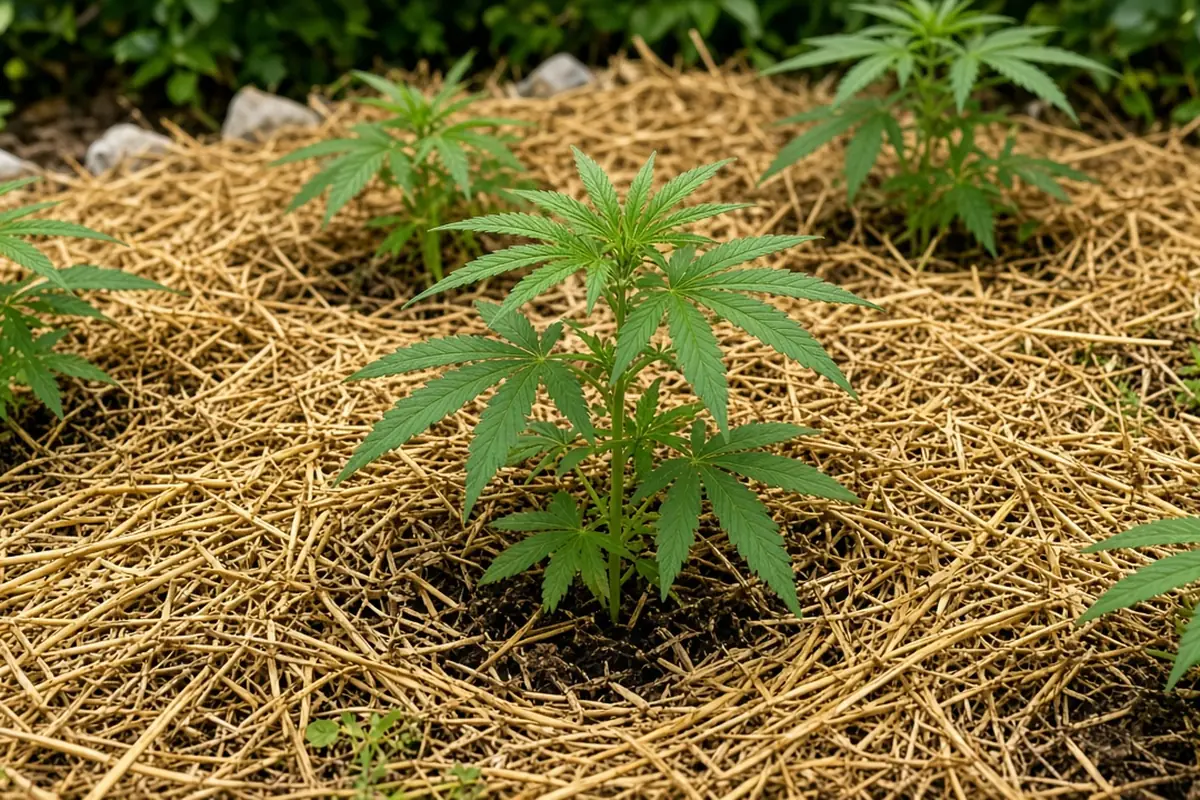
These steps follow the sustainable practices that Arizona and WSU describe. The bulk of the job is avoiding the things that hold the fungi back.
- Go easy on phosphorus. WSU calls unnecessary phosphate fertilizer the most damaging factor. Our page on organic and synthetic fertilizer covers feed choices.
- Use an organic mulch. Arizona lists organic mulch among its sustainable practices, and WSU notes spores rest in coarse organic matter near the surface.
- Water on time. Arizona names adequate, timely irrigation. Avoid soaking the soil, since UC ANR lists flooded soil as harmful.
- Keep soil loose. UC ANR names compacted soil as harmful to the fungi.
- Keep biology in the soil. A soil full of life gives the fungi the conditions UC ANR says they need. Learn more about living soil for cannabis.
- Reuse soil from a clean crop. Undisturbed soil usually already holds native fungi, Arizona notes. Our guide to reusing old soil explains how.
- If you buy an inoculant, keep expectations modest. Arizona notes makers suggest adding it to young plants or to the soil before planting. Check that it is fresh, since UC ANR found many products were not viable.
Troubleshooting
When a fungi plan does not seem to work, the cause is usually phosphate, the soil itself or the product. Find your case below.
You added an inoculant and saw no change. That matches UC ANR, which says most soils already have the fungi and many products were not viable.
Roots look thin in a soilless mix. WSU notes many soilless mixes with moderate to high phosphate hold the fungi back. Check the mix label and the feed.
You use a high phosphorus feed. WSU calls unnecessary phosphate the most damaging factor. Feed only what the plants need.
The soil stays wet or packed down. UC ANR lists flooded and compacted soils as harmful. Loosen the mix and water less often.
You want to reuse soil from a crop that had root trouble. Start with a fresh mix instead, since the fungi need good soil conditions to grow.
Sources
- Washington State University Extension, FS269E A Gardener’s Primer to Mycorrhizae: Understanding How They Work and Learning How to Protect Them: https://wpcdn.web.wsu.edu/wp-ecommerce/uploads/sites/2/product-3286-sku-FS269E.pdf
- University of Arizona Cooperative Extension, Backyard Gardener #105 Mycorrhizae in the Landscape: https://extension.arizona.edu/sites/extension.arizona.edu/files/attachment/Mycorrhizae.pdf
- UC ANR (University of California), Topics in Subtropics, Mycorrhizal Inoculants: https://ucanr.edu/blog/topics-subtropics/article/mycorrhizal-inoculants
What are mycorrhizae, and which types are used with cannabis?
They are fungi that partner with plant roots. WSU and Arizona Extension split them into ectomycorrhizae, which grow around root cells, and endomycorrhizae, which enter them. Neither source names a type for cannabis, so check what a product contains and keep expectations modest.
Do cannabis plants need added mycorrhizal fungi?
Usually not. UC ANR reports that most garden soils already contain mycorrhizal fungi, and plants form the partnership on their own without an added inoculant. Arizona Extension cites reviews finding that adding packaged fungi to undisturbed soil is a waste of money.
How and when should I apply mycorrhizal fungi to cannabis plants?
Arizona Extension says makers suggest adding inoculants to young plants or to the soil before planting. Follow the label, and keep phosphorus low, since WSU says high phosphate makes plants less receptive. UC ANR found many products were not viable, so buy a fresh product or skip it.
What can harm mycorrhizal fungi in cannabis soil?
Too much phosphate. WSU Extension calls unnecessary phosphate fertilizer by far the most damaging factor, and says many soilless potting mixes with moderate to high phosphate also hold the fungi back. UC ANR adds that compacted, flooded or contaminated soils are harmful too.
Do mycorrhizal inoculants work in cannabis potting mix?
Results are mixed. UC ANR says inoculants sold in potting media are often unproven, and WSU warns that many soilless mixes carry enough phosphate to make plants less receptive to the fungi. If you try one, choose a low phosphate mix and feed lightly.