What changed in the Georgia medical marijuana program in 2026

Georgia spent a decade running a program built around a single product type. Since 2015 registered patients could possess low THC oil, defined as no more than five percent THC, but for years there was no legal way to buy it in the state. Licensed production and dispensing only began in 2023 under the Georgia Access to Medical Cannabis Commission. In 2026 lawmakers went further with Senate Bill 220, which reshapes the program from a narrow low THC oil registry into a broader medical program.
Here is what SB 220 changes, how it sits next to the old rules, what patients should check and what is still limited. This is program and access information, not legal or medical advice.
The program Georgia had
Haleigh’s Hope Act, passed in 2015, let registered patients possess up to 20 fluid ounces of low THC oil. The Department of Public Health ran the registry and issued cards. Hope Act amendments in 2019 created the commission and allowed limited in state production. Two production licenses were issued first, then more, and in 2023 the Board of Pharmacy began permitting independent pharmacies to dispense low THC oil. Raw flower, vaping and smoking stayed illegal.
What SB 220 changes
| Area | Earlier law | Under SB 220 |
|---|---|---|
| Program frame | Low THC oil registry | Full medical cannabis program |
| THC cap | five percent oil | Percentage cap removed for program products |
| Possession | 20 fluid ounces of oil | Limit tied to 12 grams of THC |
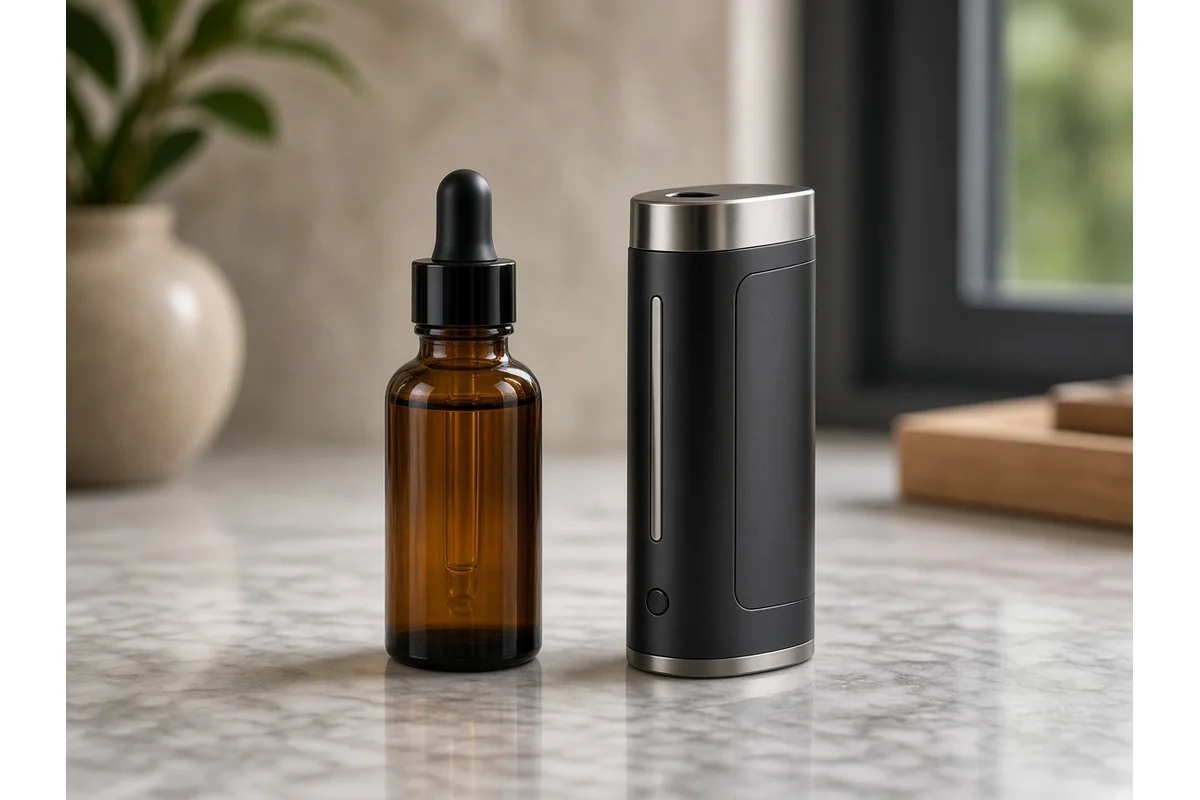
| Vaporization | Not allowed | Allowed for patients 21 and older |
| Conditions | Fixed list | Expanded list under the new law |
| Smoking | Not allowed | Still not allowed |
Removing the oil only frame is the biggest structural change. A possession limit based on total THC rather than fluid volume lets the commission approve more product types. Vaporization brings Georgia closer to its neighbors with broader programs, though smoking stays banned. SB 220 was signed May 12 2026 and took effect July 1 2026.
Timing
Large program changes need new rules from the commission and the Department of Public Health. Patients should expect phased implementation, with product types appearing as producers get approvals. Check the commission site before assuming a specific product is available.
Who issues cards
The Department of Public Health continues to handle patient registration through a physician certification. Cards are issued through county health offices. If you already hold a low THC registry card, check whether you need to renew or update under the new program, since the department may set a transition period.
Where products come from
Licensed producers grow and manufacture products in Georgia, and dispensing happens through licensed dispensaries and permitted pharmacies. The commission oversees licensing and inspection. The Board of Pharmacy oversees pharmacy dispensing.
What stays the same
Georgia still has no adult use law. Home cultivation is still illegal for everyone. Out of state patients cannot use Georgia dispensaries. Federal law still applies to federal property, and carrying products across state lines is still a federal issue.
Hemp and federal context
Georgia regulates consumable hemp products separately through the Department of Agriculture. The federal hemp changes arrive in late 2026, with the synthetic cannabinoid exclusion effective Nov 12 2026 and THC and container limits plus a seed provision effective Dec 11 2026. At the federal level, marijuana under a state medical license moved to Schedule III through a final rule effective April 28 2026, with broader hearings that began June 29 2026. Georgia’s state rules still control what patients can buy and carry inside Georgia.
A patient checklist for 2026
Confirm your card status with the Department of Public Health. Ask your physician whether you fall under the expanded conditions. Find a licensed dispensary or pharmacy near you on the commission site. Keep product in original packaging with your card when traveling inside Georgia. Do not take products across state lines.
What to watch
Watch commission rulemaking on new product forms, the number of dispensing locations, how possession limits are enforced in practice and whether the 2027 session revisits home grow or adult use. For other states, see our legal requirements for growing weed plants in your state.
How Georgia got here
Georgia’s path was slow. In 2015 lawmakers allowed possession but not sales, which meant patients had a card but no legal store. In 2019 the Hope Act created the commission and production licenses. Legal challenges from losing applicants then delayed production for years. The first licensed products reached patients in 2023, through two producers and a small number of dispensaries, and later through independent pharmacies permitted by the Board of Pharmacy. By 2025 patient registrations had grown, but complaints continued about the oil only limit, product prices and the small number of locations. SB 220 responds to those complaints by widening product types and conditions.
Questions to ask your dispensary
Ask which product forms are approved under the new rules, how the 12 gram THC possession limit is calculated for different products, whether delivery is available in your county and how your card will be updated during the transition. Ask for the lab certificate for any product you buy. Keep receipts with your card so you can show legal purchase if asked.
Employment and housing
SB 220 does not create broad job protections. Employers in Georgia can still enforce drug free workplace policies, and landlords can still ban use on their property. If you work in a safety sensitive role or hold a federal job or license, check with your employer before you register.
Program access, age and the law
This guide covers how the Georgia program works and who can access it. It does not describe what cannabis does for any condition, and it is not a substitute for a conversation with a licensed practitioner. Rules can change after a legislative session or a new agency rule, so confirm every detail with the Georgia Access to Medical Cannabis Commission and the Department of Public Health before you act. Federal law still treats cannabis outside a state medical license as a controlled substance, and seeds have their own federal rules, so read our December 11 2026 seed rule explainer before ordering. Kind Seed Co sells only to adults 21 and older, and buying seeds is never a substitute for following the home grow rules in your state. Our guide to the legal requirements for growing weed plants in your state lists what each state allows. This article is general information. It is not legal advice and it is not medical advice.
Frequently asked questions
What is SB 220 in Georgia?
A 2026 law that replaces Georgia’s low THC oil registry with a broader medical cannabis program.
Can Georgia patients vape now?
SB 220 allows vaporization of program products for patients 21 and older. Smoking is still not allowed.
Is there still a five percent THC cap in Georgia?
SB 220 removes the five percent cap for program products and uses a 12 gram THC possession limit.
Can Georgia patients grow at home?
No. Home cultivation remains illegal in Georgia.
Final thoughts
Georgia’s 2026 change is structural. SB 220 moves the state from an oil only registry to a medical program with vaporization and a THC based possession limit. Rules and product approvals will phase in, so check the commission and the Department of Public Health before relying on any new option.
Ready to start
Browse the full range in the Kind Seed Co shop or go straight to marijuana seeds georgia. Kind Seed Co sells only to adults 21 and older. Always follow the cannabis laws where you live.