What changed in the Utah medical marijuana program in 2026
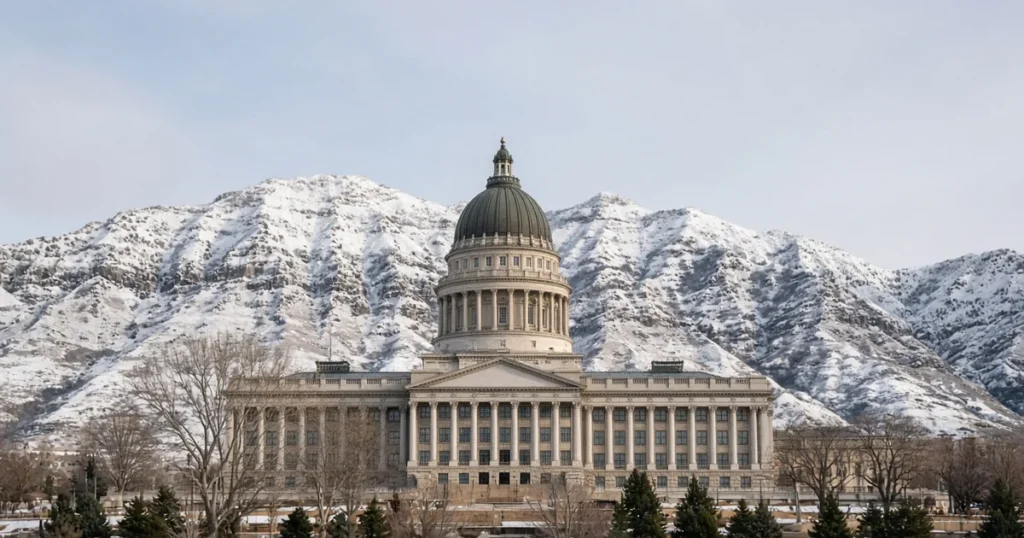
Utah’s medical cannabis program has been reshaped by the legislature almost every year since the 2018 compromise that created it. The 2026 session brought two bills that change who runs the program and how some patients pay. House Bill 389 and Senate Bill 121 move the program to the Utah Department of Agriculture and Food, create a monthly voucher for certain low income and older cardholders, accept tribal identification and let some low THC products be sold at medical cannabis pharmacies. This post explains each change and what patients should do. It is program and access information only, not legal or medical advice.
The agency move
| Function | Before | After the 2026 bills |
|---|---|---|
| Patient cards | DHHS Center for Medical Cannabis | Utah Department of Agriculture and Food |
| Pharmacies | DHHS | UDAF |
| Cultivation and processing | UDAF | UDAF |
| Timing | Not applicable | By Jan 1 2027, some steps possibly from July 1 2026 |
UDAF already licensed cultivators and processors. Moving cards and pharmacies there puts the whole program in one agency. The change is administrative, but patients may see new portal links, contact numbers and forms. During the transition, check both the DHHS Center for Medical Cannabis site and UDAF for which agency handles your renewal.
Monthly vouchers
The bills create a monthly voucher of about 150 dollars for cardholders enrolled in Medicaid or Medicare, to help with the cost of products bought at licensed pharmacies. Cost is a frequent complaint in Utah, where products are not covered by insurance. Watch for rules on how to enroll, how the voucher is applied at checkout and what funds it.
Tribal identification
Applicants can now use tribal identification when applying for a card. Utah is home to several tribal nations, and some members found the earlier ID rules a barrier. Tribal ID acceptance aligns card applications with other state services.
Low THC products at medical cannabis pharmacies
The bills allow certain low THC products, under 0.3 percent THC and made by licensed processors, to be sold at medical cannabis pharmacies. Ask the pharmacist which items qualify.
What stays the same
Home cultivation is still banned, a choice made in HB 3001 in 2018 when the Prop 2 home grow clause was removed. Smoking combustible flower is still not allowed. Purchases are still tracked in the state system with 30 day supply limits. Qualified medical providers still issue recommendations, and limited medical providers still have caps on patient numbers. Guest cards for visitors remain available for short periods.
How the federal change fits
The DOJ final rule effective April 28 2026 placed marijuana under a state medical license in Schedule III, and a broader hearing began June 29 2026. Utah’s program is built around pharmacists and state tracking, so federal changes may matter most for licensee taxes and banking. Federal hemp changes take effect Nov 12 2026 for the synthetic exclusion and Dec 11 2026 for THC and container limits plus a seed provision, which may affect low THC products sold outside medical pharmacies.

Patient checklist
Note your card expiration date. Before renewing, confirm whether DHHS or UDAF is handling renewals. If you have Medicaid or Medicare, ask your pharmacy about the voucher. If you use tribal ID, keep it ready for applications. Ask a medical cannabis pharmacy whether it stocks qualifying low THC products.
What to watch
Watch UDAF rulemaking during the transition, voucher enrollment rules and 2027 session bills. Our legal requirements for growing weed plants in your state compares other states.
A recap of earlier Utah changes
The program has shifted often since 2018. Early sessions adjusted how many patients a provider could recommend for, created limited medical provider roles and changed pharmacy counts. Later sessions changed card renewal terms, allowed some non Utah residents to get guest cards and adjusted flower packaging rules. In 2024 and 2025 lawmakers tweaked product forms and pharmacy licensing. The 2026 bills follow this pattern of yearly fine tuning, but the agency move is the largest structural change since the program opened in 2020.
What the agency move may mean day to day
Expect new email addresses, phone lines and possibly a new online portal for cards. Existing cards should stay valid through their expiration date, but confirm this with the agency. Pharmacies will report to UDAF, and inspection teams may change. If you have a pending application during the transition, keep copies of your submission and receipt. Patients who rely on caregivers should check that caregiver registrations carry over to UDAF without a gap.
Cost and access in rural Utah
Utah has a small number of licensed medical cannabis pharmacies, so many rural patients rely on home delivery. The voucher and low THC products at medical cannabis pharmacies are both meant to ease cost and distance. Ask about delivery fees and schedules when you plan a renewal.
Providers and recommendations
Qualified medical providers must register with the state and complete training. Some can recommend for an unlimited number of patients, while limited providers have caps. A recommendation is entered in the state system, and the patient then completes the card application online. Renewal timelines depend on the card type, so check your record. Utah also requires that patients under 21 go through an extra review by a state compassionate use board before receiving a card, which remains in place under the 2026 bills.
Program access, age and the law
This guide covers how the Utah program works and who can access it. It does not describe what cannabis does for any condition, and it is not a substitute for a conversation with a licensed practitioner. Rules can change after a legislative session or a new agency rule, so confirm every detail with the Utah Department of Agriculture and Food and the Center for Medical Cannabis before you act. Federal law still treats cannabis outside a state medical license as a controlled substance, and seeds have their own federal rules, so read our December 11 2026 seed rule explainer before ordering. Kind Seed Co sells only to adults 21 and older, and buying seeds is never a substitute for following the home grow rules in your state. Our guide to the legal requirements for growing weed plants in your state lists what each state allows. This article is general information. It is not legal advice and it is not medical advice.
Frequently asked questions
Who will run the Utah medical cannabis program?
The Utah Department of Agriculture and Food, which takes over cards and pharmacies by Jan 1 2027 under HB 389 and SB 121.
What is the new Utah voucher?
A monthly voucher of about 150 dollars for cardholders enrolled in Medicaid or Medicare. Watch for enrollment rules.
Can Utah patients use tribal ID?
Yes. The 2026 bills accept tribal identification for card applications.
Did Utah allow home grow in 2026?
No. Home cultivation is still not allowed.
Final thoughts
Utah’s 2026 changes consolidate the program at UDAF, help some patients with cost and add low THC products at medical cannabis pharmacies. Home grow and smoking stay banned. Confirm which agency handles your card before each renewal.
Ready to start
Browse the full range in the Kind Seed Co shop or go straight to marijuana seeds utah. Kind Seed Co sells only to adults 21 and older. Always follow the cannabis laws where you live.