What changed in the South Dakota medical marijuana program in 2026
South Dakota is unusual in two ways. Its medical cannabis program came from voters, through Initiated Measure 26 in November 2020, and it is one of the few programs in the region that lets some patients grow at home. In 2026 the main legislative change touched privacy and prescribing rather than product access. Senate Bill 90 directs that registry cardholder information be shared with the state’s prescription drug monitoring program, known as the PDMP. This post covers what SB 90 does, how the program works, the home cultivation rules and what stays unchanged. It is program and access information only, not legal or medical advice.
How IM 26 became law
Voters approved IM 26 on the same ballot as Amendment A, an adult use measure. Amendment A was later struck down by the state Supreme Court on a single subject ground. IM 26 survived and took effect July 1 2021. The legislature then adjusted it through follow up bills, and the Department of Health wrote rules for cards, dispensaries and cultivation. Dispensary sales began in 2022.
SB 90 and the PDMP
| Item | Detail |
|---|---|
| Bill | SB 90 (2026) |
| Effect | Registry cardholder information goes to the PDMP |
| Effective date | July 1 2026, signed March 25 2026 |
| Who sees it | Prescribers and pharmacists with PDMP access, under PDMP rules |
| Purpose | Lets clinicians see medical cannabis status alongside controlled substance prescriptions |
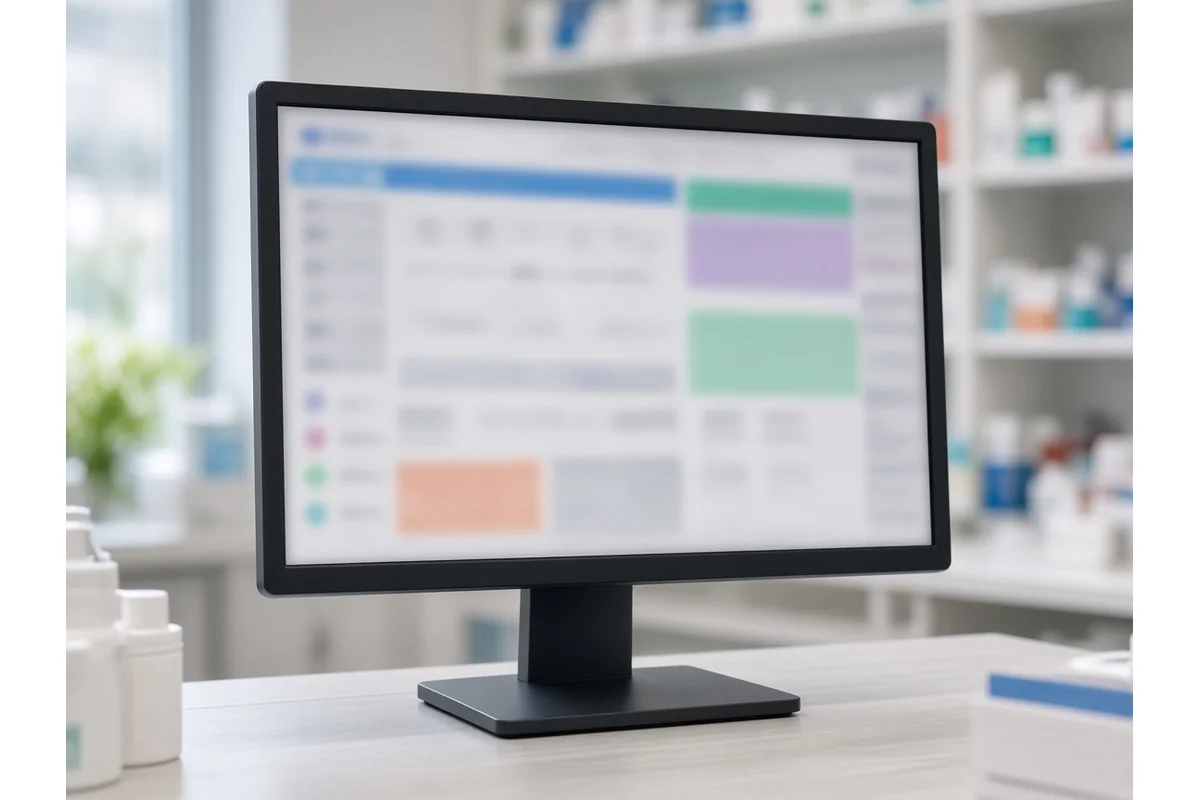
The PDMP is a database prescribers check before writing certain controlled substance prescriptions. Adding medical cannabis status means a physician or pharmacist may see that a patient holds a card. Supporters say it improves safety review. Names and birth dates were already reported to the PDMP, and critics raised privacy concerns about adding addresses and card numbers. Patients who want details on access rules should ask the Board of Pharmacy, which runs the PDMP.
Home cultivation designation
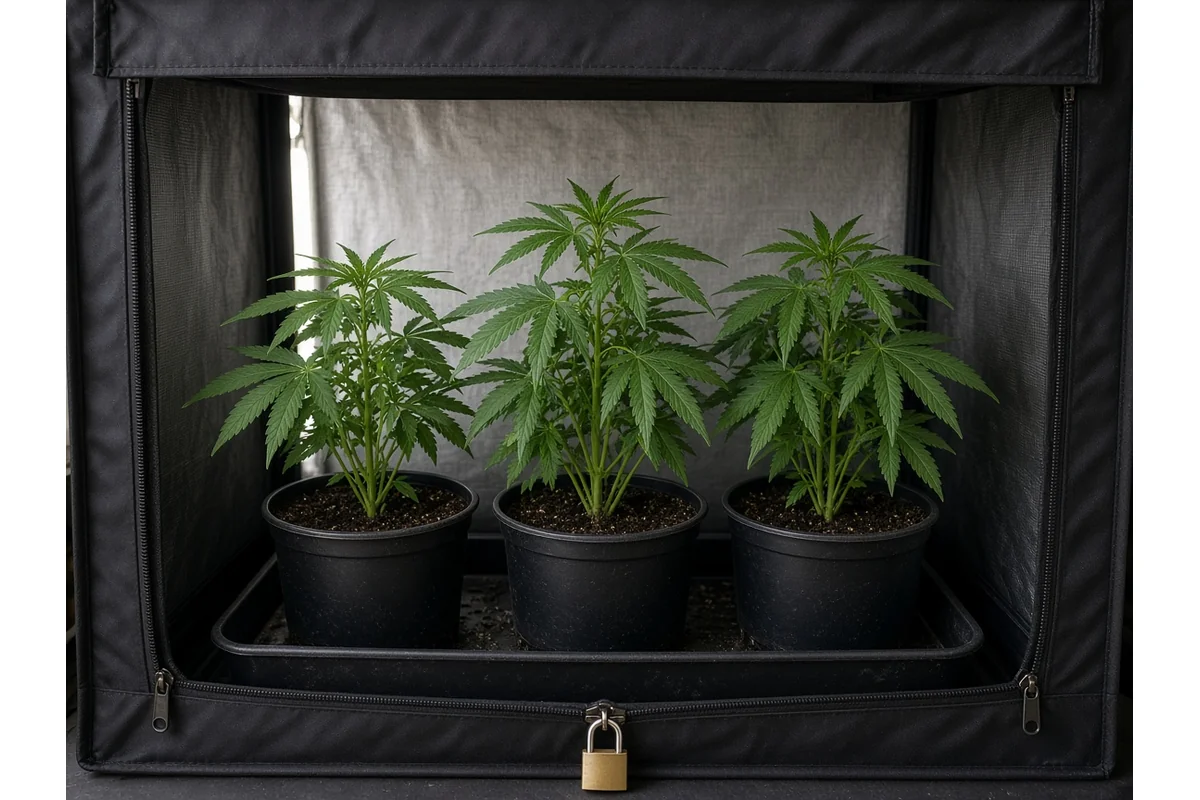
South Dakota lets a cardholder apply for a home cultivation designation on the registry card. A cardholder whose registry card allows cultivation may grow two flowering plants and two plants that are not flowering, under SDCL 34-20G-1. Plants must be in an enclosed, locked space not visible from public view. Local zoning may add rules. Renters need landlord permission. Keep the card with the designation where you grow.
How the program works
A practitioner certifies a debilitating condition. The patient applies online with the Department of Health and pays a fee. Cards are valid for a set term. Patients may possess up to 3 ounces of cannabis and buy from licensed dispensaries. Tribal programs, including the Oglala Sioux Tribe’s program on the Pine Ridge Reservation, operate under tribal law, and the state has had disputes with tribes over recognition of tribal cards.
What did not change in 2026
Possession limits, home grow rules and product forms stayed in place. Adult use is still illegal under state law. Smoking is allowed in private but not in public. Dispensaries are licensed by the state and also need local approval in many cities and counties.
Federal and hemp context
The DOJ final rule effective April 28 2026 placed marijuana under a state medical license in Schedule III, with a broader hearing that began June 29 2026. That may affect how prescribers view PDMP data over time. Federal hemp changes also arrive, with the synthetic exclusion on Nov 12 2026 and THC and container limits plus a seed provision on Dec 11 2026.
Patient checklist
Confirm your card term and renewal date. If you grow, keep your designation current and plants locked. Ask your prescriber how PDMP information is used if you are concerned. Keep products in labeled packaging.
What to watch
Watch for Board of Pharmacy guidance on PDMP access, any 2027 bills on home grow limits and Department of Health rule changes. Our legal requirements for growing weed plants in your state compares other states.
Growing under a designation, practical notes
South Dakota summers are short and winters are harsh, so most home growers with a designation work indoors. A small locked tent or closet meets the enclosed space rule and keeps plants away from children and visitors. Keep to two flowering and two non flowering plants, but keep a log of every plant from seed so the count is easy to show. Our complete grow tent setup guide explains a compact indoor setup, and our guide to how to germinate cannabis seeds covers the first week. A carbon filter helps with odor in apartments and shared housing.
Qualifying conditions in IM 26
The measure lists debilitating conditions and symptoms, including cancer, HIV and AIDS, ALS, multiple sclerosis, Crohn’s disease, epilepsy, post traumatic stress disorder and chronic conditions that produce cachexia, severe pain, severe nausea, seizures or persistent muscle spasms. The Department of Health can add conditions through a petition process. These are eligibility categories, and a practitioner decides whether a patient qualifies.
Reciprocity
South Dakota recognizes out of state cards for possession, within the same limits, and has issued rules for nonresident registration that allow dispensary purchases. Visitors cannot grow under an out of state card. Check the department site for the current nonresident steps before traveling.
Card terms and fees
Cards are issued for a set term, and the department charges an application fee with reduced fees for some low income patients. Renew before the card expires to avoid a gap in purchases and home grow rights.
Program access, age and the law
This guide covers how the South Dakota program works and who can access it. It does not describe what cannabis does for any condition, and it is not a substitute for a conversation with a licensed practitioner. Rules can change after a legislative session or a new agency rule, so confirm every detail with the South Dakota Department of Health before you act. Federal law still treats cannabis outside a state medical license as a controlled substance, and seeds have their own federal rules, so read our December 11 2026 seed rule explainer before ordering. Kind Seed Co sells only to adults 21 and older, and buying seeds is never a substitute for following the home grow rules in your state. Our guide to the legal requirements for growing weed plants in your state lists what each state allows. This article is general information. It is not legal advice and it is not medical advice.
Frequently asked questions
What does SB 90 do in South Dakota?
It expands the cardholder information sent to the prescription drug monitoring program to name, physical address, date of birth and registry card number, effective July 1 2026.
Can South Dakota patients grow at home?
Yes, with a cultivation designation on the card: two flowering and two non flowering plants.
Who runs the South Dakota program?
The South Dakota Department of Health.
Is adult use legal in South Dakota?
No. Amendment A from 2020 was struck down by the state Supreme Court.
Final thoughts
South Dakota’s 2026 change is about records, not access. SB 90 links registry status with the PDMP. Home cultivation rules and possession limits stay the same. Keep your card and designation current and follow Department of Health updates.
Ready to start
Browse the full range in the Kind Seed Co shop or go straight to marijuana seeds south dakota. Kind Seed Co sells only to adults 21 and older. Always follow the cannabis laws where you live.