When to plant cannabis outdoors in California
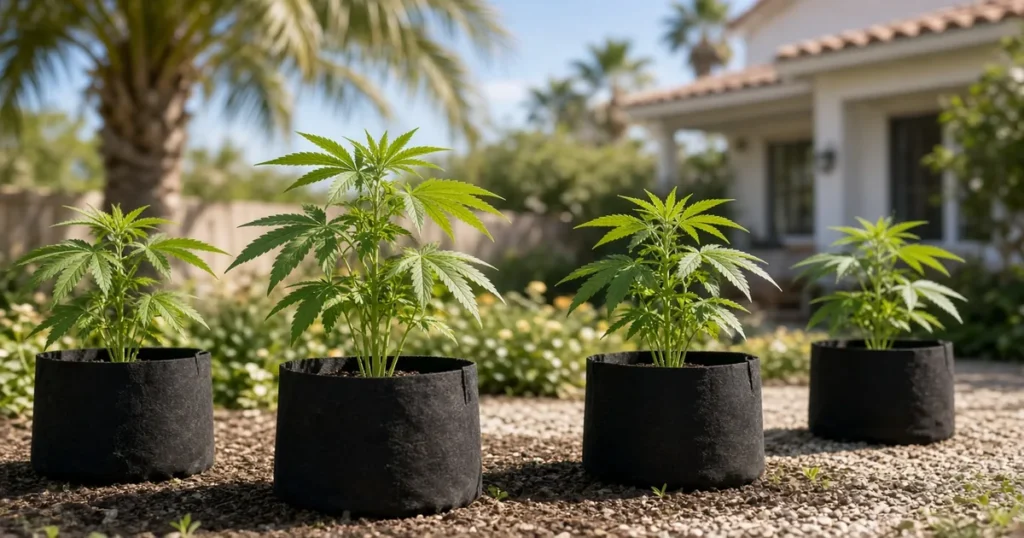
When to plant cannabis outdoors in California depends on where you live in the state, what kind of seed you grow and how your local fall weather behaves. California has some of the best outdoor growing weather in the country, but the state is huge. A grower on the foggy coast faces very different conditions than one in the hot Central Valley or the cool northern mountains. This guide breaks down planting windows by region, a simple month by month plan and tips for getting plants to harvest. It is written for adults 21 and older who grow where home cultivation is legal.
California home grow rules at a glance
Adults 21 and older may grow up to 6 plants per private residence under state law. Cities and counties can add rules, and some limit or ban outdoor grows, so check your local code. Laws change, so confirm the current rules with official state sources before you plant.
The basic rule for outdoor planting
Most growers wait until the danger of frost has passed and nights stay above about 50 degrees. Cannabis is a warm season plant. Cold soil slows roots, and frost can kill young plants. A second rule matters for photoperiod plants. They flower when nights grow long in late summer, so planting earlier gives them more time to grow before flowering starts. The goal is to plant as early as is safe, not as early as possible.
Planting windows by region
Southern California and the inland valleys
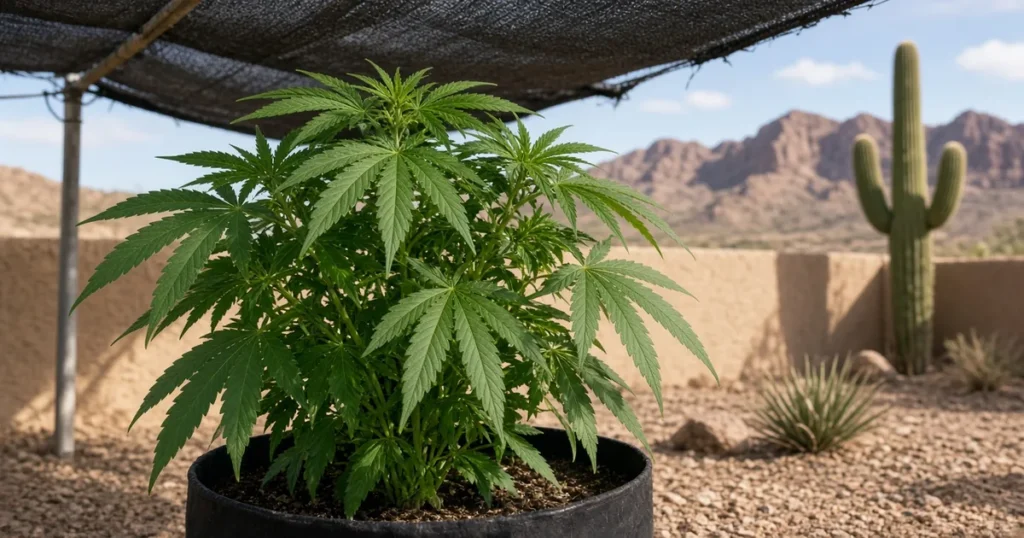
Frost is rare in many low areas, so the season can start early. Many growers plant photoperiod clones or seedlings outdoors from April into May, once nights stay mild. Long, hot summers mean shade cloth and deep watering matter more than frost dates. Be careful planting too early, because short spring days can push young photoperiod plants into early flowering before they size up.
The Central Valley and Sierra foothills
Summers are hot and dry. Most growers plant from late April through May after the last frost. Harvest often lands in late September or October. Heat waves above 100 degrees can stress plants, so mulch and afternoon shade help.
The Bay Area and Central Coast
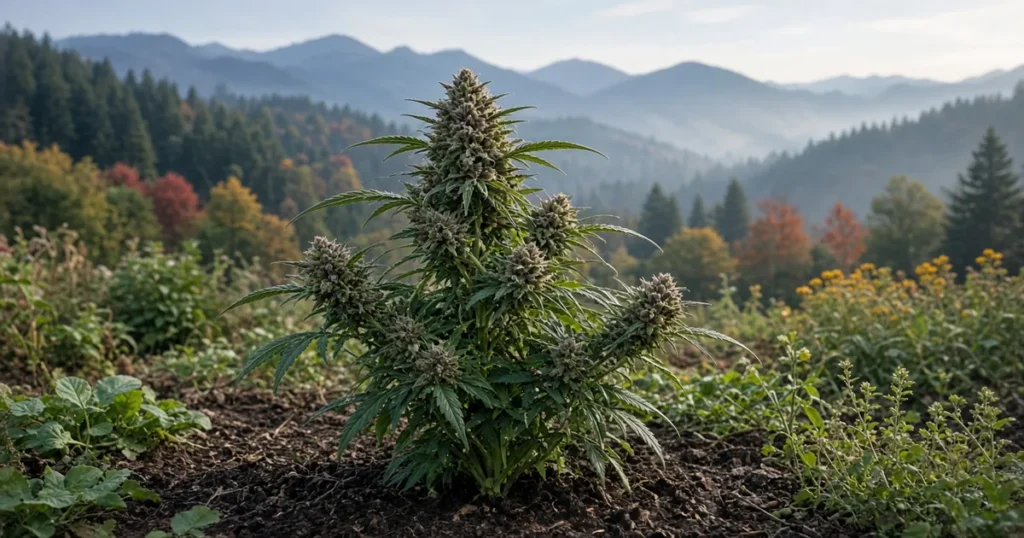
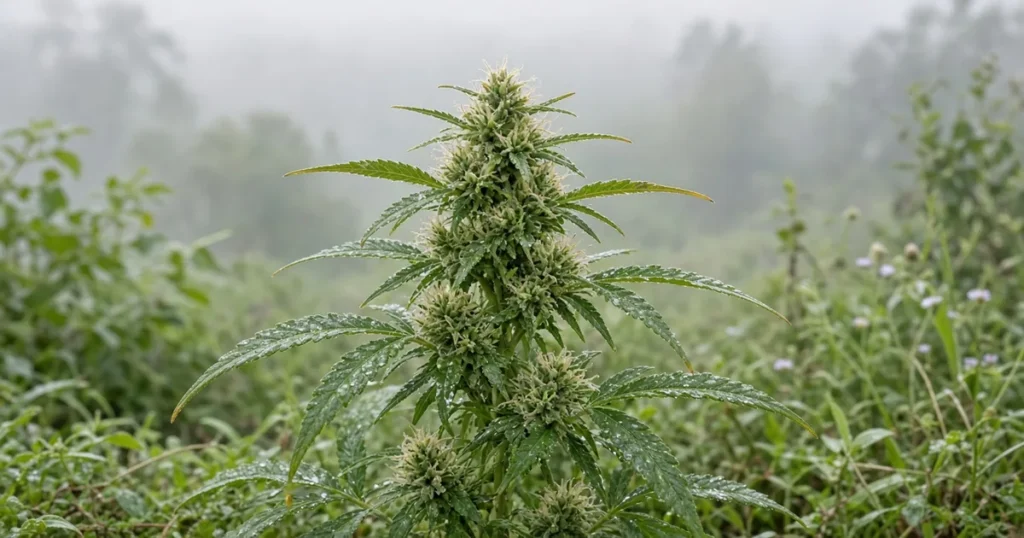
Fog keeps summers cooler and damper. Many growers plant in May once soil warms. Morning fog and cool nights in fall raise the risk of bud rot, so fast finishing strains and good airflow are smart choices.
The Emerald Triangle and far north
Hills and valleys vary a lot. Many growers plant in May or early June after frost danger passes. Fall rains can arrive in October, so many choose strains that finish by early October.
Month by month plan
| Month | Tasks |
|---|---|
| March | Start seeds indoors, prep soil and beds |
| April | Harden off seedlings, plant in warm southern areas |
| May | Main planting window for many regions |
| June | Last planting for photoperiods, autoflowers still fine |
| July and August | Peak veg into early flower, water deeply |
| September and October | Harvest window for most photoperiods |
These are general windows. Your own frost dates and microclimate can shift them by a few weeks.
Photoperiods vs autoflowers
Photoperiod plants flower based on day length. In California, that usually means flowering starts in late July or August, no matter when you planted. Plant them early enough to size up first. Autoflowers flower based on age, usually a few weeks after sprouting. That makes them flexible. You can plant them after the main window, run a quick crop in a short season or even fit two crops into one summer in warmer areas.
Starting seeds indoors first
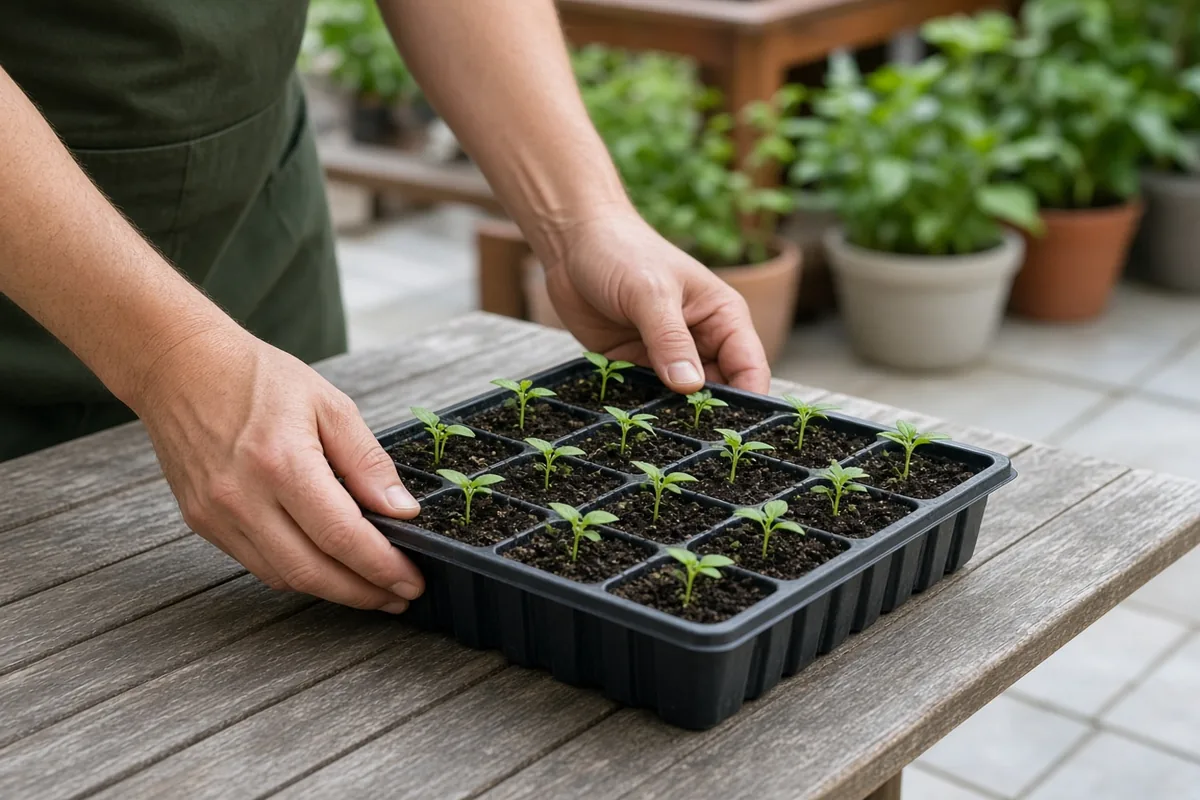
Many California growers start seeds indoors a few weeks before planting out. A sunny window or a small light works. Seedlings get a head start, and you can plant sturdier young plants once the weather is right. Harden them off for about a week by setting them outside for a few hours a day and lengthening the time slowly.
Weather risks to plan for
Wildfire smoke and heat can affect plants in late summer and fall. Drought rules can limit outdoor watering in some areas, so check local water restrictions. Gophers and deer are common pests in rural yards.
Picking a spot
- Sun. Aim for at least six hours of direct sun, more if possible.
- Airflow. Open spots with a breeze dry leaves faster after rain.
- Drainage. Raised beds or large fabric pots help in heavy soil.
- Privacy and security. Follow state rules on keeping plants out of public view.
Choosing genetics for California
Pick strains whose expected harvest window ends before your local fall weather turns. Breeders list flowering times as ranges, so plan around the longer end. Growers in damp areas often favor strains known to handle humidity. Browse our California marijuana seeds page and the wider outdoor seeds collection for options that fit your region.
Soil and watering tips
Prepare beds with plenty of compost a few weeks before planting. Water deeply and less often so roots grow down. Mulch keeps soil moist and cool during hot spells. Feed lightly in early growth and switch to bloom support as flowering starts.
Watching for harvest
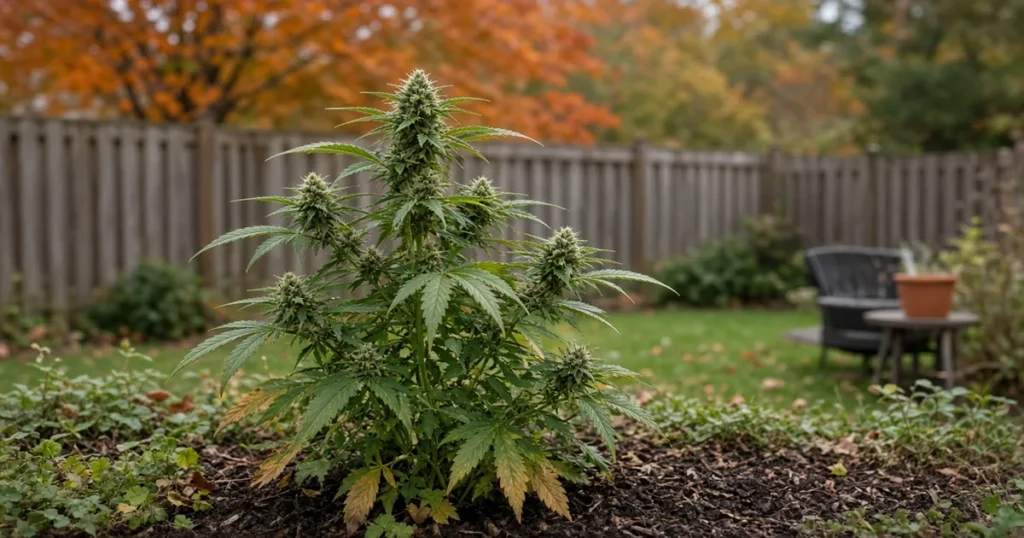
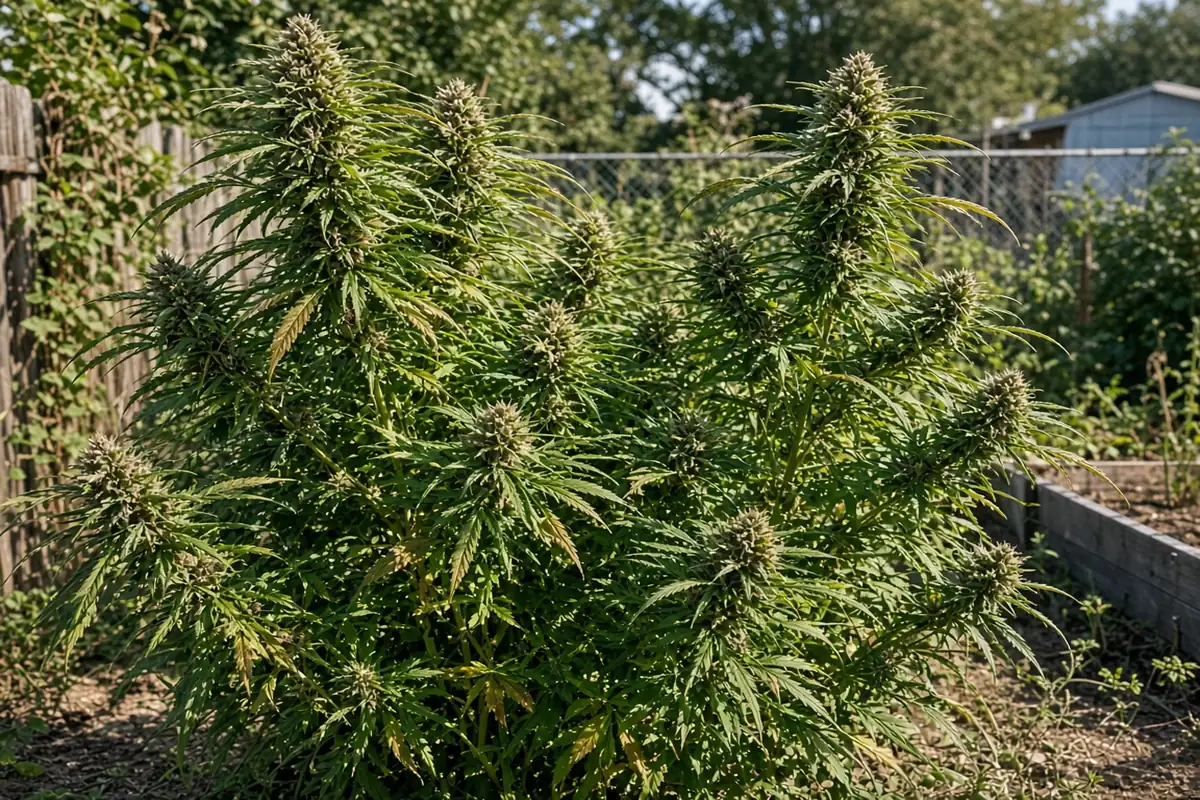
As fall arrives, check plants often. Look at pistils and trichomes with a small magnifier. Watch the forecast, and be ready to harvest a little early if a long cold rain or hard frost is coming. A slightly early harvest is better than losing a crop to mold.
Common planting mistakes
- Planting photoperiods too early. Short spring days can trigger early flowering, then a stressed return to veg.
- Planting too late. Small plants have little time to grow before flowering begins.
- Ignoring local frost dates. Use your own area’s averages, not the state average.
- Crowding plants. Tight spacing traps moisture and raises mold risk.
Final thoughts
The best time to plant cannabis outdoors in California is usually after your last frost, once nights stay mild, with enough season left for your strain to finish. Start seeds indoors, harden them off, plant in a sunny, airy, private spot and pick genetics that fit your local climate.
Grow legally and responsibly
Home cultivation is only legal in some states, and each state sets its own plant limits, locking rules and rules about whether plants can be visible from a public place. You must be 21 or older to buy seeds from Kind Seed Co, and you should grow only where your state and city allow it. Check your state rules in our guide to the legal requirements for growing weed plants in your state before you plant. Federal treatment of cannabis seeds is also changing, so read our December 11 2026 seed rule explainer before you order. Keep plants and harvested flower locked away from children, pets and visitors, and never drive after using cannabis. This article is general information about gardening. It is not legal advice and it is not medical advice.
Frequently asked questions
When should I plant cannabis outdoors in California?
Most growers plant after the last frost once nights stay above about 50 degrees. In much of California that falls in May, with regional differences.
When is it too late to plant cannabis outdoors in California?
Many growers treat late June as a practical cutoff for photoperiod plants. Autoflowers can still be planted into July in many warm areas.
How many plants can I grow at home in California?
Adults 21 and older may grow up to 6 plants per private residence under state law. Confirm current rules before planting.
Should I start seeds indoors first?
Many growers do, a few weeks before planting out, then harden seedlings off for about a week.
Ready to start
Browse the full range in the Kind Seed Co shop or go straight to marijuana seeds california. Kind Seed Co sells only to adults 21 and older. Always follow the home grow laws where you live.