
Where to Put a Greenhouse for Cannabis: Sun, Drainage and Wind
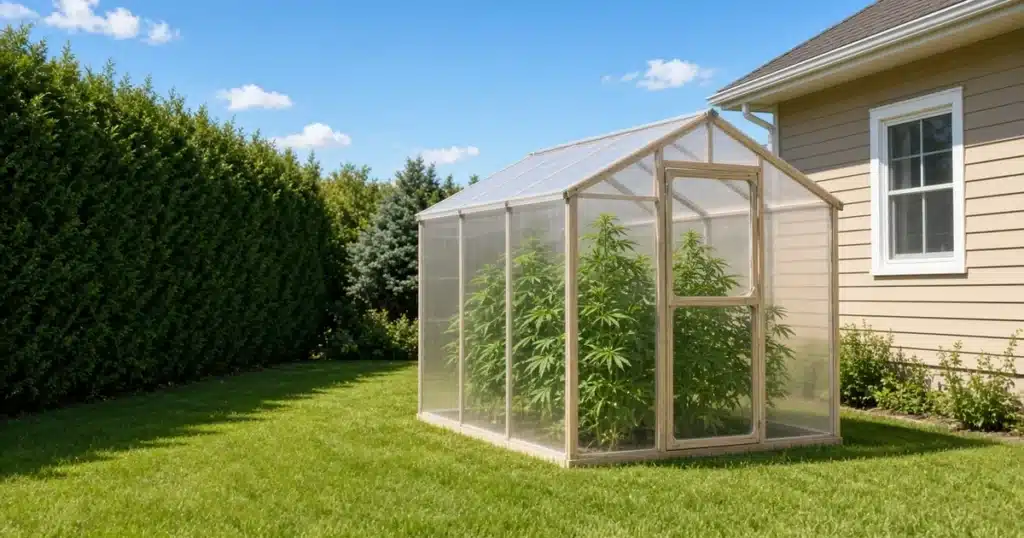
Quick answer: Put a cannabis greenhouse where it gets the most sun, especially in winter, on level ground that drains well and away from strong wind. Oklahoma State Extension ranks the south or southeast side of a house as the first choice, then the east side, then the southwest and west, with the north side the least desirable. University of Alaska Fairbanks Extension calls sun exposure the most important factor and suggests at least 8 hours a day, ideally 12 or more. Both point to wind shelter and good drainage. Close access to water and power makes daily care much easier.
Why Does Greenhouse Location Matter for Cannabis?
A greenhouse cannot move once it is built, so the spot you pick sets the limits for every crop that follows. Shade, poor drainage or a windy hilltop cost light, heat and money for years.
The University of Alaska Fairbanks guide to greenhouses for home gardeners says plainly that sun exposure matters more than any other site factor. Cannabis needs strong light to grow well, so the sunniest spot in the yard is usually the right one.
This differs from picking a garden bed. Choosing among the best places to grow outdoors means thinking only about open ground plants, while a greenhouse also has to suit a structure, its utilities and your daily path to it.
How Much Sun Does a Cannabis Greenhouse Need?
Alaska Extension recommends at least 8 hours of sun a day, and ideally 12 or more. That is a sensible target when you choose a site.
Winter sun matters most if you plan to grow into fall or start early in spring. The sun sits low in those months, so trees, fences and buildings cast long shadows. Walk the site in late fall if you can, or picture where shadows will fall when the sun drops.
The Oklahoma State hobby greenhouse fact sheet allows for some summer shade, when less light can help. It warns against heavy shade, though, and reminds growers that falling limbs from nearby trees can damage the roof.
For more on how light changes through the year, read our page on understanding sunlight with your cannabis plants.
Which Side of the House Is Best?
Oklahoma State gives a clear ranking for greenhouses near a home:
- South or southeast side, in a sunny spot, as the first choice.
- East side second, since it catches the most sun from November through February.
- Southwest and west sides next.
- North side last.
An attached greenhouse has its own perks. The Oklahoma State sheet says placing one against a door, window or basement entry lets house heat flow in, improves access and saves on building costs. The home heating bill will rise noticeably, though. An L shaped house can save the cost of two walls if the greenhouse fits in the corner.
Alaska Extension adds that attached houses are limited by available wall space and may not get the sunniest spot. Moisture, heat, dirt and insects can also move into the home through a shared door. For cannabis, a freestanding house is often the better call, since you can choose the best spot for light, drainage and wind shelter.
Should a Greenhouse Run East to West?
Alaska Extension notes a common recommendation that greenhouses in northern climates run with the long side east to west to catch more sunlight. It also admits that for home greenhouses with few site options, other factors often decide the direction.
Oklahoma State goes further and says wind protection may matter more than whether the house runs north to south or east to west. If you have a choice, an east to west layout suits cold climates, but do not sacrifice sun or shelter for it.
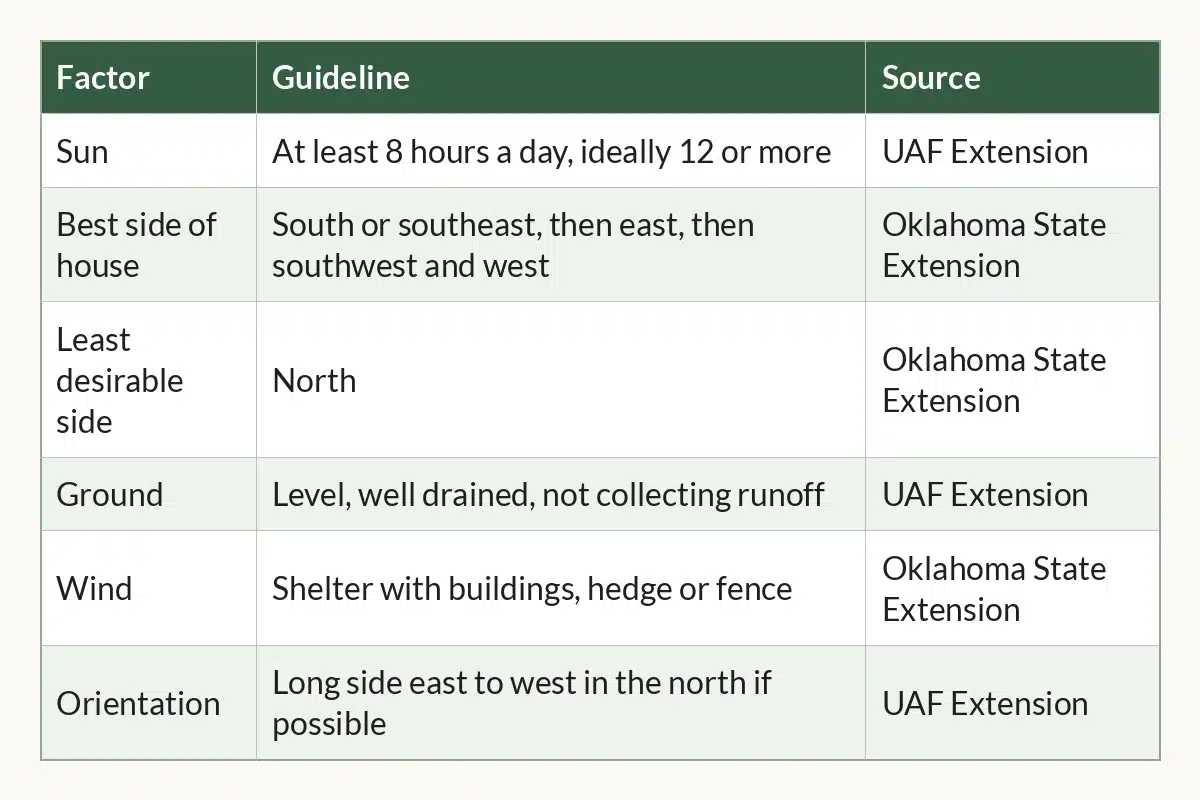
Greenhouse Site Factors at a Glance
| Factor | Guideline | Source |
|---|---|---|
| Sun | At least 8 hours a day, ideally 12 or more | UAF Extension |
| Best side of house | South or southeast, then east, then southwest and west | Oklahoma State Extension |
| Least desirable side | North | Oklahoma State Extension |
| Ground | Level, well drained, not collecting runoff | UAF Extension |
| Wind | Shelter with buildings, hedge or fence | Oklahoma State Extension |
| Orientation | Long side east to west in the north if possible | UAF Extension |
How Important Is Drainage?
Very important. Alaska Extension lists level ground, well drained soil and a spot where runoff from nearby land will not gather as key factors for any building. Oklahoma State describes the ideal site as well drained and nearly level, sloping slightly to the south.
A greenhouse in a low spot gathers runoff after every storm. That means soggy floors, extra humidity and roots sitting in cold, wet soil. Cannabis hates wet feet, so stay away from hollows and the bottom of slopes.
If you must build on heavy ground, raise the floor with gravel or build up the base so water drains away from the walls.
How Do You Protect a Greenhouse From Wind?
Alaska Extension points out that greenhouses suffer wind damage more easily than many other buildings. Light hoop frames in particular need firm anchoring.
Oklahoma State suggests placing the greenhouse where existing buildings block the prevailing wind, or planting a hedge or putting up a fence as a windbreak. The ideal site has a windbreak on the side the wind usually comes from.
Keep the windbreak far enough away that it does not shade the house. A hedge on the north or northwest side, for example, blocks winter wind without stealing low winter sun.
Wind also pulls heat from a greenhouse in cold weather, so shelter saves on heating as well as repairs. Our green house growing basics explain how heat and airflow work under cover.
Does Soil Under the Greenhouse Matter?
If you plan to grow cannabis in ground beds inside the house, the native soil becomes part of the decision. Dig a few test holes before you commit. Look for dark, crumbly soil that drains within a day after you fill the hole with water. Heavy clay, buried rubble or a high water table all argue for raised beds or containers instead.
Even if you grow in pots, the ground under the house still shapes the floor. Firm, level soil holds a gravel or paver floor in place, while soft fill settles and tilts benches over time.
What About Water, Power and Access?
Alaska Extension notes that freestanding greenhouses need separate water, power and sometimes heat lines from the house, which adds cost. Access can also be harder in winter.
Cannabis needs daily checks, so a spot close to a hose bib and an outdoor outlet saves time and trouble. Think about the path from the house in rain or snow, and leave room around the greenhouse to work on the walls and roof.
How to Pick a Greenhouse Spot for Cannabis
- Map the sun. Note where light falls through the day and in winter.
- Favor the south or southeast. Follow Oklahoma State’s ranking of house sides.
- Check for shade sources. Look for trees, fences and buildings, and overhanging limbs.
- Test drainage. Watch where water pools after rain and avoid those spots.
- Look for wind shelter. Use a building, hedge or fence on the prevailing wind side.
- Consider orientation. Run the long side east to west if the site allows.
- Plan utilities. Measure distance to water and power.
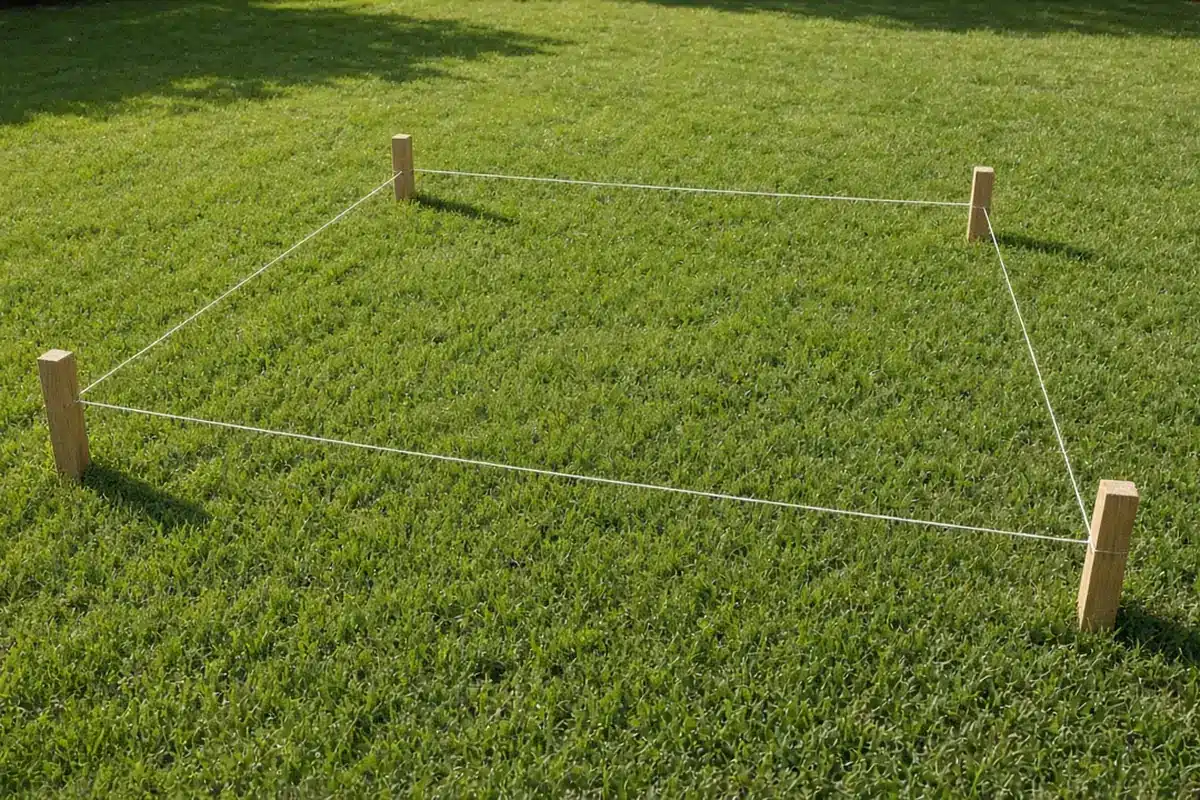
- Stake it out. Mark the footprint and leave a few days before deciding.
Troubleshooting Greenhouse Site Problems
Plants stretch toward one side. Shade blocks part of the house. Trim trees or move tall plants.
Floor stays wet after storms. The site collects runoff. Add a drain or raise the base.
Film tears in storms. The house sits exposed to wind. Add a windbreak and anchor the frame.
Winter heating costs climb. Wind and shade both play a part. Shelter the windward side.
Watering feels like a chore. The hose is far away. Run a line or add a rain barrel nearby.
Sources
- University of Alaska Fairbanks Cooperative Extension, Greenhouses for Home Gardeners in Alaska (HGA 00337): https://www.uaf.edu/ces/publications/database/gardening/greenhouses-home-gardeners-alaska.php
- Oklahoma State University Extension, The Hobby Greenhouse: https://extension.okstate.edu/fact-sheets/the-hobby-greenhouse-2.html
FAQ
What side of the house should a greenhouse go on?
Oklahoma State ranks the south or southeast side first, then the east side, then the southwest and west. The north side comes last.
How many hours of sun does a greenhouse need?
Alaska Extension suggests at least 8 hours, ideally 12 or more.
Can a greenhouse go in partial shade?
Light summer shade can help, but heavy shade limits what grows.
Is orientation important?
An east to west layout helps in the north, but sun and wind shelter matter more.
Is an attached greenhouse a good idea for cannabis?
It saves on building costs, but a freestanding house can sit on the best site.


