Beneficial Bacteria Hydroponics Guide: What Inoculants Claim and What Research Shows
The short answer
Beneficial bacteria hydroponics products, often called inoculants, add microbes to a system to support root growth. Research on lettuce found some strains improved growth in studies. Reviews note that results vary by crop, strain and system. Think of them as an option to try on a small scale, not a fix for poor conditions.
Inoculants have become a common shelf item. The research behind them is real but still young, so it helps to know what the studies actually found.
What are hydroponic inoculants?
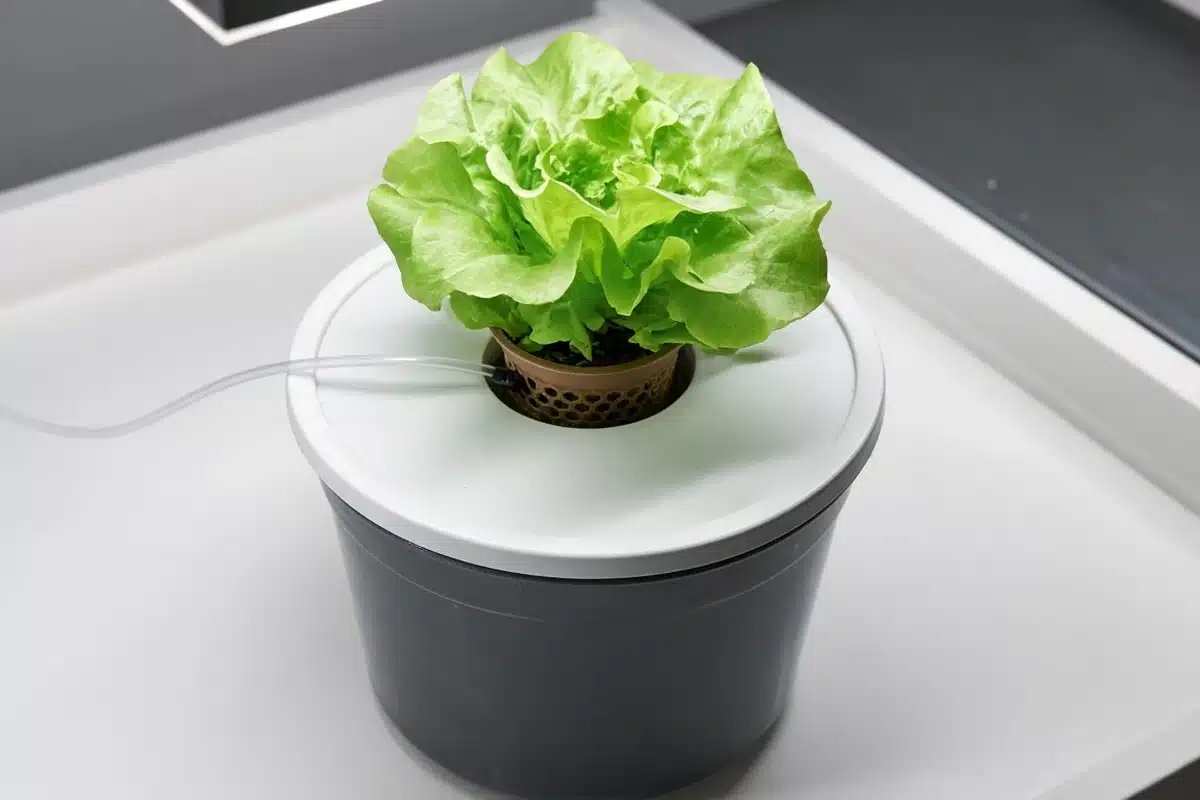
An inoculant is a product that adds live microbes to the root zone. In hydroponics, it goes into the reservoir or onto starter plugs.
Most products use bacteria from a few groups. Bacillus species are common, and some products add fungi as well.
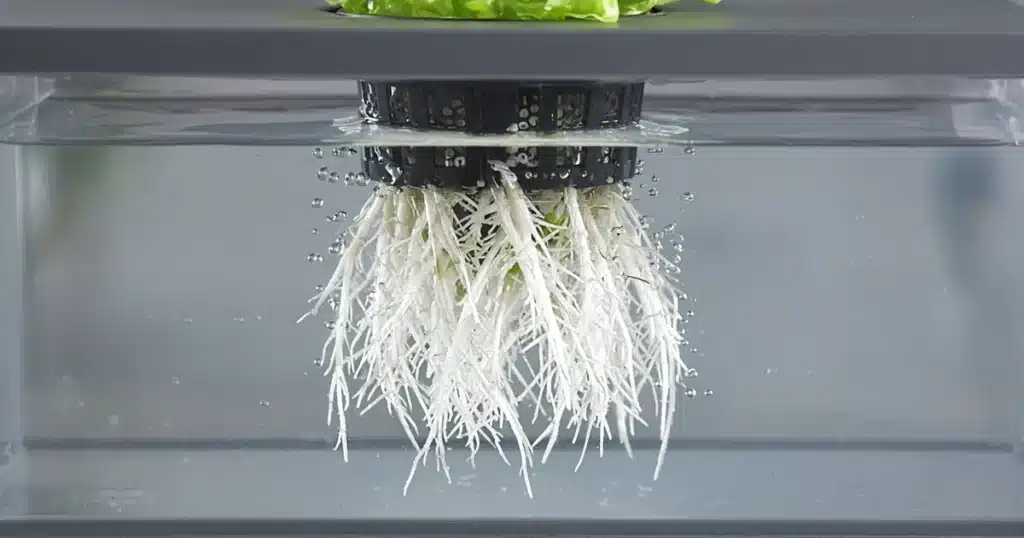
Scientists call helpful root bacteria plant growth promoting bacteria, or PGPB. The review of PGPB in hydroponic growth in Plants, via PubMed Central describes how these microbes may help. Some make nutrients easier for roots to take up, and some produce compounds that affect root growth. Some take up space on roots that other microbes might use.
Compared with soil, a new hydroponic system begins with fewer microbes. That is part of the appeal of adding helpful strains on purpose.
What does research show?
The review found many studies with positive results. It also found wide variation. A strain that helped one crop in one system didn’t always help another.
A lettuce study offers a closer look. The Frontiers in Plant Science study on lettuce and Bacillus subtilis in hydroponics added this bacterium to a hydroponic system. The researchers measured yield, leaf nutrition and gas exchange. Some measures improved with the inoculant compared with plants grown without it.
That is promising, but it’s one crop, one strain and one set of conditions. Results in a home setup may differ.
| Study | Crop | Finding |
|---|---|---|
| PGPB review, Plants | Many hydroponic crops | Many positive results, but outcomes vary by strain and system |
| Bacillus subtilis study, Frontiers | Lettuce | Some yield and leaf measures improved with inoculation |
| Water sanitation guide, University of Hawaii | Greenhouse systems | Water cleaning methods affect microbes in the system |
Sources: Plants via PubMed Central, Frontiers in Plant Science, University of Hawaii CTAHR.
Why do results vary so much?
Microbes are living things. They need the right temperature, oxygen and food to survive. A strain suited to warm soil may not thrive in cool, aerated water.
The system matters. Recirculating systems carry microbes past every plant. Static systems hold them in one place.
Cleaning tools play a role. The University of Hawaii CTAHR guide to greenhouse and nursery sanitation covers UV, filters and other ways to clean irrigation water. These tools reduce microbes in water. They do not pick only the unwanted ones. A UV unit will kill added bacteria as they pass the lamp.
The starting point matters too. If the system already has good conditions, there may be less room for a product to help.
How should home growers try them?
Get the basics right first. A clean system, steady pH and EC and cool, well aerated water matter more than any additive. Our post on caring for your hydroponic system covers that routine.
Good products list the strains and the count of live microbes. Vague labels make it hard to know what you bought.
Run a simple side by side comparison. Give one group of plants the product and leave a second group without it. Hold everything else the same.
Compare over a full crop. Look at growth, root color and how well plants hold up through warm spells.
Roots tell you a lot. Our post with six tips to understand the cannabis root zone explains what healthy roots look like.
How do you add an inoculant?
More isn’t better with live products.
Add the product to fresh solution after you adjust pH. Some strains don’t like a large pH change right after mixing.
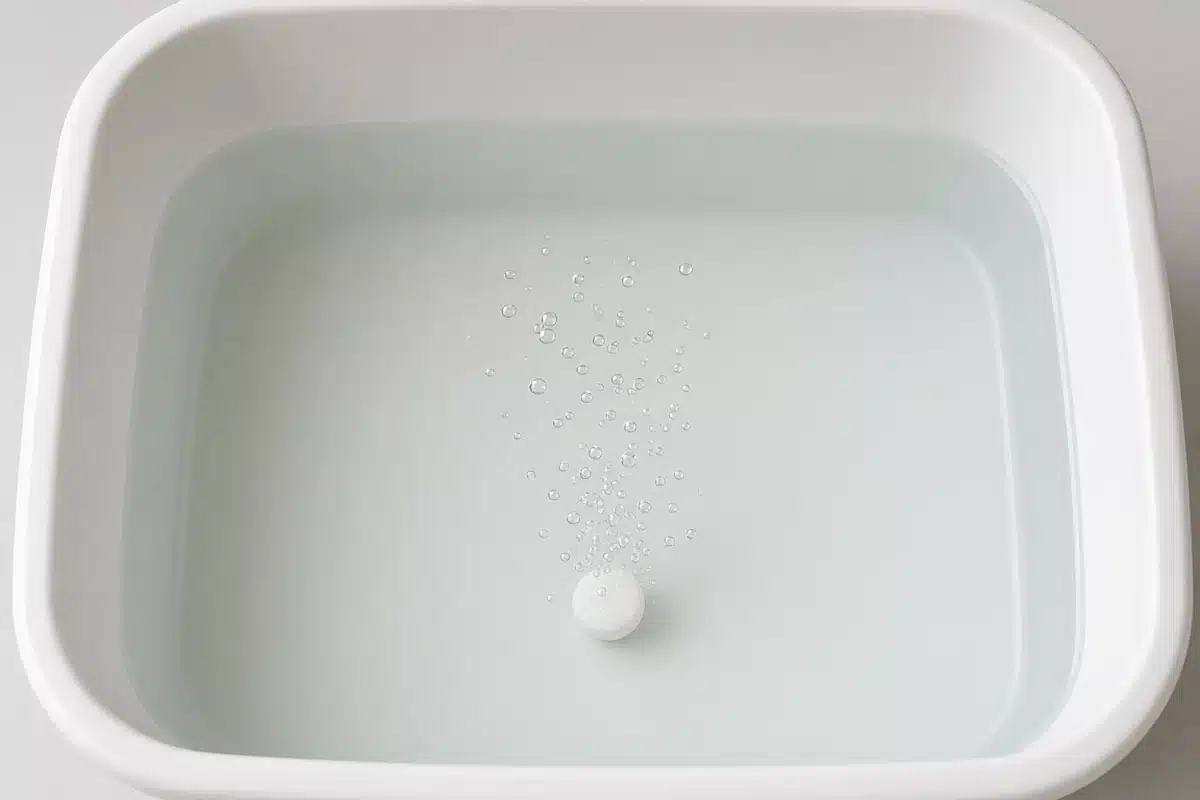
Make sure water stays cool and well aerated. Most helpful bacteria need oxygen, as roots do.
Heat and long storage can lower the count of live microbes before you open the bottle.
How to: step by step
- Get the basics right first: clean system, steady pH and EC.
- Check which strains the product lists.
- Try one product on part of your plants.
- Leave a second group without it for comparison.
- Note that UV or sterilizers can kill added microbes.
- Compare growth and root health over a full crop.
Soil growers lean on microbes in a different way. Our post on living soil and plant resilience explains how a rich soil food web supports roots.
Troubleshooting
No difference seen. The strain or system may not match. Try another product or skip it.
Cloudy solution. The product or a bacterial bloom is clouding the water. Clean and restart.
Results fade. Microbes aren’t surviving. Check UV use and water temperature.
Slimy roots. Conditions favor unwanted microbes. Cool the water and raise aeration.
Foam on the reservoir. Some products foam with heavy aeration. Lower air flow slightly.
Inoculants are worth trying with clear expectations. Kind Seed Co shares more garden ideas in outdoor growing.
Sources
- The use of PGPB to promote plant hydroponic growth, Plants (MDPI), via PubMed Central, The use of PGPB to promote plant hydroponic growth
- Yield, nutrition and leaf gas exchange of lettuce in a hydroponic system in response to Bacillus subtilis inoculation, Frontiers in Plant Science, Yield
- Greenhouse and nursery sanitation: irrigation water and equipment (PD-119), University of Hawaii CTAHR, Greenhouse and nursery sanitation
FAQ
Do beneficial bacteria prevent root rot?
They are not a guarantee. Cool, well aerated water and a clean system matter most for healthy roots.
Can you use them with UV sterilizers?
UV kills microbes passing the lamp, including added ones. Most growers choose one approach or the other.
Are inoculants needed for home systems?
No. Many home systems grow well without them. They are an optional extra.
How long do microbes last in a reservoir?
It varies by strain, temperature and system. Many products suggest adding more at each solution change.
Should I use more than one product?
Start with one so you can see its effect. Mixing products makes results hard to read.