Best cannabis podcasts for home growers
Podcasts are one of the easiest ways to learn about growing while you work in the garden. You can listen while watering, trimming or mixing nutrients, and pick up ideas from growers, breeders, scientists and lawyers. The trouble is that there are hundreds of cannabis shows, and quality varies a lot. Shows also start, stop and change names often. Instead of a list that will be out of date in months, this guide explains the main types of cannabis podcasts, what makes a good one and how to build a listening rotation that actually improves your grow. It is for adults 21 and older.
Why podcasts work for growers
Growing involves many small, repetitive tasks. Podcasts turn that time into learning time. Long interviews let experienced growers explain their thinking in detail, which is something short videos often skip. Hearing several people describe the same problem, such as root rot or a calcium deficiency, helps you recognize patterns.
The main types of cannabis podcasts
| Type | What you get | Best for |
|---|---|---|
| Grow question shows | Hosts answer listener questions about specific problems | Troubleshooting and beginners |
| Breeder interviews | Long talks with breeders about genetics and selection | Choosing seeds and understanding strains |
| Science and research | Researchers discuss plant biology, soil and lighting | Growers who like the why behind methods |
| Industry and business | News, market trends and regulation | Following the legal market |
| Policy and law | Updates on state and federal changes | Staying current on rules |
| Culture and history | Stories, music and history of the plant | Background and fun |
A good rotation mixes at least two types. A grow question show keeps you practical, while a science or breeder show deepens your understanding.
What makes a good grow podcast
Look for these signs.
- The hosts explain why a method works, not just what to do.
- Guests have clear, verifiable experience.
- The show admits uncertainty and says when something is opinion.
- Advertising is clearly separated from advice.
- The show talks about legal limits and does not encourage breaking the law.
- Episodes come out on a steady schedule.
Red flags to watch for
Be cautious with shows that promise miracle yields, push one product in every episode or make medical claims about cannabis. Advice that sounds too good to be true usually is. Also be careful with old episodes. A show from several years ago may discuss laws that have changed or gear that has been replaced by better options. Federal seed rules in particular are changing in late 2026.
Matching shows to your grow
If you grow indoors in a tent, look for shows that discuss lighting, airflow and small spaces, then compare their advice with our complete grow tent setup guide. If you grow outdoors, seasonal shows about pests, weather and timing are more useful. If you grow in soil, look for episodes on living soil and composting. If you grow in coco or hydro, look for episodes on feeding, pH and runoff, and check our guide to pH for cannabis for the basics.
Turning listening into results
The real value comes from testing ideas. Keep a notebook or a notes app. When you hear a tip that makes sense, write it down with the episode and date. Try one change at a time on one plant, and compare results. Over a few grows, you will build a set of methods that work in your space, not just in someone else’s.
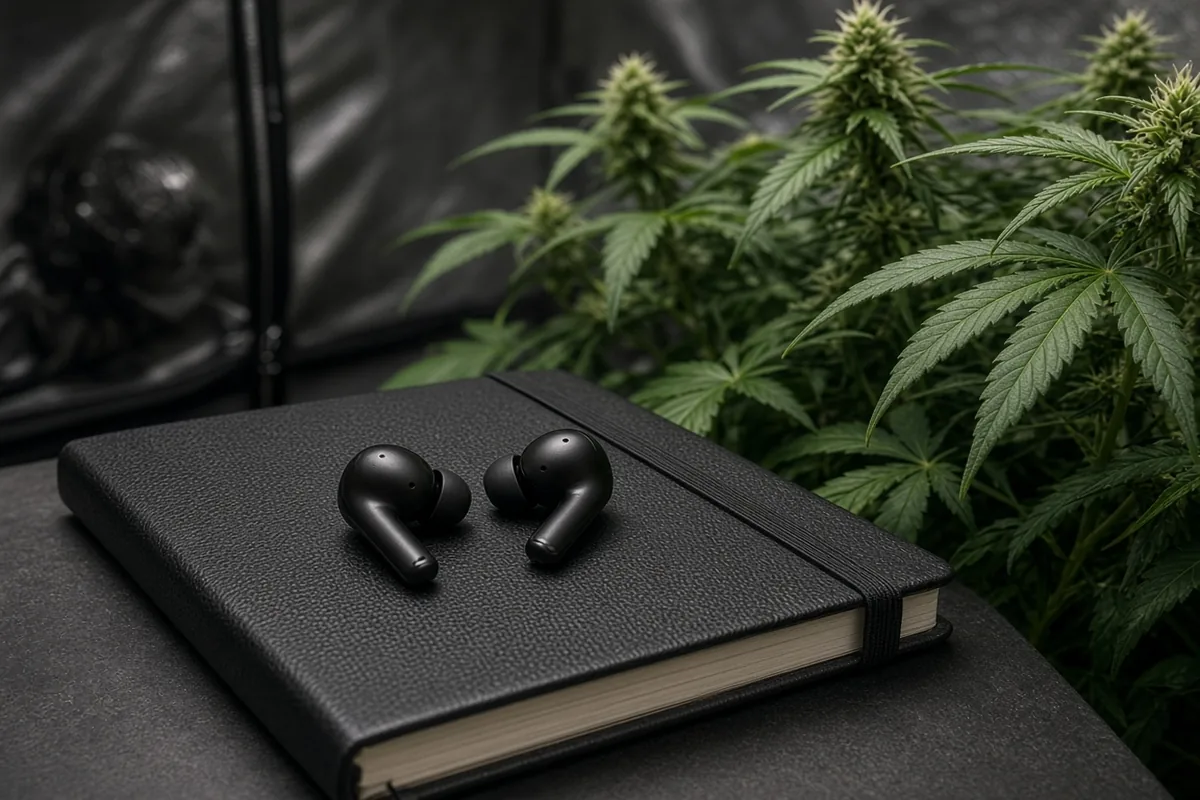
Listening critically to breeder interviews
Breeder interviews are fun, but remember that breeders are often promoting their own lines. Enjoy the stories, and judge seeds by results in your garden. Consistency, germination rates and how plants handle your conditions matter more than hype.
Community and call in shows
Some podcasts take live calls or answer messages from listeners. These can be a great way to get help with a specific problem. Be careful about sharing personal details or location information, and remember that public advice is not a substitute for knowing your local law. Stay neutral and respectful in comments and community spaces tied to shows.
Finding new shows
Search your podcast app for terms such as home grow, cannabis cultivation, living soil or plant science. Read episode titles to see whether the show matches your level. Try two or three episodes before deciding. Ask friends who grow what they listen to. Grow forums and local clubs often share recommendations too.
Balancing podcasts with other learning
Podcasts are great for ideas and context, but they are not always the best way to learn a hands on skill. Pair them with written guides you can return to, such as our guide on how to germinate cannabis seeds, and with careful observation of your own plants. Audio is good for why, while written guides and hands on practice are better for exactly how.
Building a weekly rotation
A simple rotation might look like one troubleshooting episode early in the week, one breeder or science episode midweek and one policy update on the weekend. That mix keeps you practical, curious and current without overwhelming your schedule. Drop shows that stop teaching you anything new and leave room for something fresh.
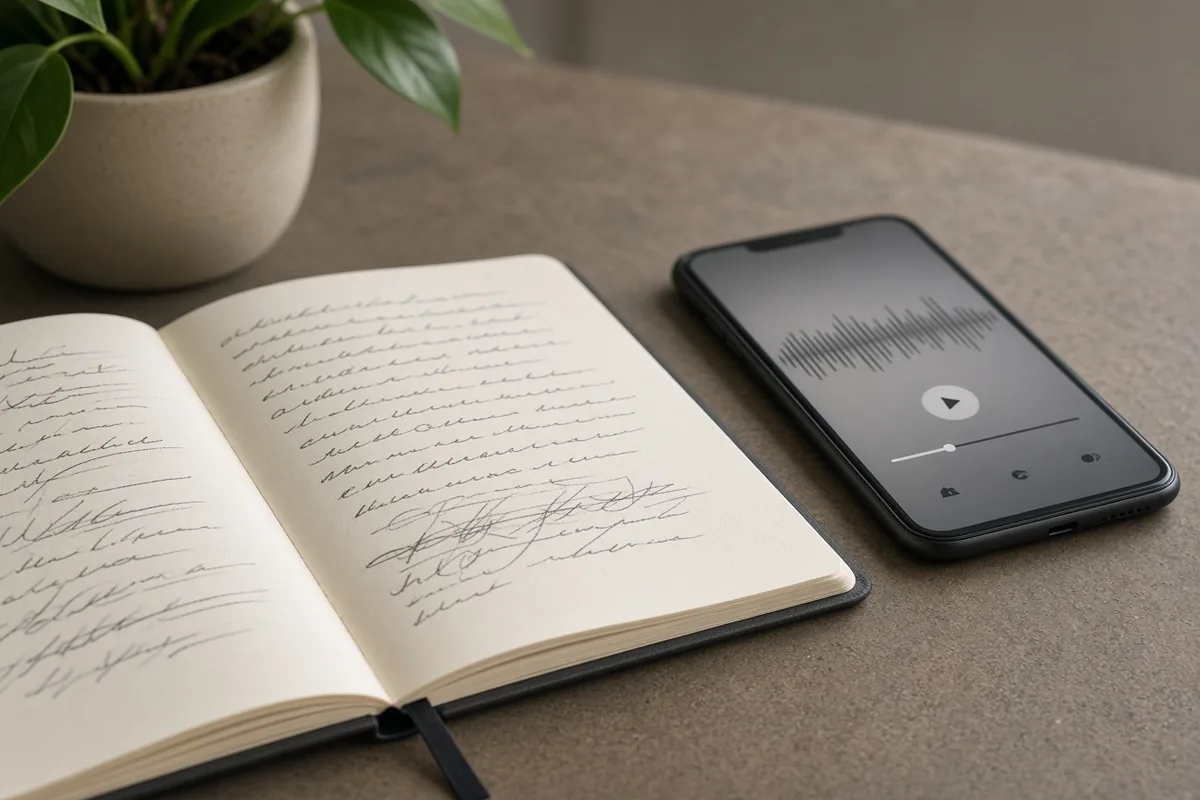
Listening through the grow cycle
Your needs change as the grow moves along. During germination and seedling weeks, episodes about early watering and light distance are most useful. In veg, look for training and feeding topics. In flower, focus on humidity, pests and ripeness. Around harvest, drying and curing episodes pay off the most. Matching episodes to your stage means the advice lands when you can actually use it.
Safety in the grow room
Earbuds are convenient, but keep the volume low enough to hear fans, pumps and timers. Unusual sounds can be an early sign of a failing fan or a leak. Keep phones and chargers away from water. A short pause between episodes is also a good moment to look over each plant closely before you move on.
Enjoy cannabis culture responsibly
Cannabis is only legal for adults in some states, and the rules on possession, public use and home growing change from place to place. Kind Seed Co sells only to adults 21 and older, and nothing here is an invitation to break the law where you live. If you want to know what is allowed in your state, start with our guide to the legal requirements for growing weed plants in your state. Never drive after using cannabis, keep it away from kids and pets, and respect anyone who chooses not to partake. This article is general information about culture and history. It is not legal advice and it is not medical advice.
Frequently asked questions
Are there podcasts just for beginner growers?
Yes. Grow question shows are often the most beginner friendly, since hosts walk through common problems step by step.
How do I know a podcast is trustworthy?
Look for hosts who explain their reasoning, guests with verifiable experience, clear ad separation and no medical claims.
Are old episodes still useful?
Many are, especially on plant basics. Be careful with old episodes about laws and gear, which change quickly.
Should I follow every tip I hear?
No. Test one change at a time on one plant and compare results before adopting a new method.
Final thoughts
The best cannabis podcast for you depends on how and where you grow. Mix a practical grow question show with a science or breeder show, listen critically, take notes and test ideas one at a time. Your garden is the final judge.
Ready to start
Browse the full range in the Kind Seed Co shop or go straight to kindseed.com. Kind Seed Co sells only to adults 21 and older. Always follow the cannabis laws where you live.