Best dry herb vaporizers for home grown cannabis
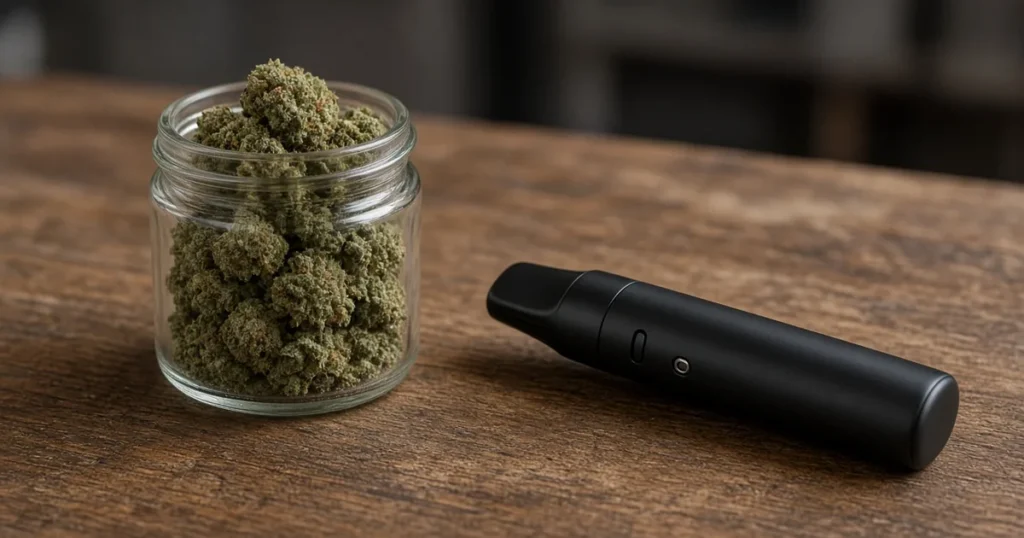
You spent months growing, drying and curing your own flower. The device you use to enjoy it deserves the same care. A dry herb vaporizer heats ground flower without burning it, so you taste more of the aroma you worked to keep during the cure. This guide is for adults 21 and older in states where home growing and adult use are legal. It walks through the main types of dry herb vaporizers, the features that matter most for home grown flower, and how to match a device to the way you actually use it.
We do not name specific brands or models here. Lineups change every year, prices move constantly and a model that was great last season can be replaced next month. Instead, this guide gives you a checklist you can take to any shop, review or product page.
Quick comparison of vaporizer types
| Type | Best for | Trade offs |
|---|---|---|
| Portable conduction | Quick sessions, simple controls, lower price | Flavor can fade as the bowl browns, stirring helps |
| Portable convection | Flavor focused users who want on demand draws | Usually higher price, may need more draw technique |
| Hybrid portable | People who want a bit of both heating styles | More complex, prices vary a lot |
| Desktop | Home use, sharing with other adults, big bowls | Needs a wall outlet, not travel friendly |
| Manual or flame heated | Hobbyists who enjoy the ritual, no battery | Learning curve, a torch or lighter is needed |
How dry herb vaporizers work
Every dry herb vaporizer has three basic parts: a heater, a chamber that holds ground flower and a path that carries vapor to the mouthpiece. The main difference between devices is how heat reaches the flower.
Conduction heating
In a conduction device, the flower touches a heated surface, usually the walls of the chamber. Heat moves directly into the material. Conduction devices tend to warm up fast, have fewer moving parts and cost less. Many people stir the bowl halfway through a session so the flower in the middle gets an even heat.
Convection heating
In a convection device, hot air passes through the flower. The material is heated by the air rather than by contact with a hot wall. Many convection devices are built for on demand use, where you draw only when you want vapor and the device does little heating between draws. Convection devices often cost more and can take a few sessions to learn.
Hybrid heating
Hybrid devices combine both approaches, usually by warming the chamber walls while also pulling heated air through the bowl. They aim to balance speed and flavor.
Features that matter for home grown flower
Temperature control
Some devices offer a handful of preset levels. Others let you pick an exact temperature in single degree steps. Many users find that lower settings give a lighter, more flavorful vapor and higher settings give denser clouds. If you grow several strains, precise control lets you explore how each one tastes. If you want simplicity, presets are fine.
Chamber size
Chamber size decides how much flower you load per session. A small chamber suits solo use and helps you get the most from a limited harvest. A large chamber suits longer sessions or sharing with other adults. Some devices accept a reducer or small dosing capsule so one device can do both.
Session versus on demand
A session device heats continuously for a set time once it reaches temperature. It works well when you want to sit with a full bowl. An on demand device heats only while you draw, which suits quick moments. Neither style is better. Think about how you usually use your harvest.
Battery and charging
For portable devices, look at how many sessions a full charge gives you, whether the battery is removable and whether the device charges by a common cable. Removable batteries let you swap in a spare during a long day. A device that can be used while charging is handy at home.
Vapor path materials
The vapor path is everything the vapor touches between chamber and mouthpiece. Many flavor focused users prefer glass, ceramic or stainless steel paths because they find the taste cleaner. Check what the manufacturer lists and read independent reviews.
Ease of cleaning
Resin builds up in every vaporizer over time, and it affects flavor and draw. Look for a device with a removable mouthpiece, a chamber you can reach easily and parts that are simple to take apart. Our guide on how and why to clean your vaporizer covers the routine.
Warranty and parts
Screens, seals and mouthpieces wear out. A device with easy to find replacement parts and a clear warranty will last longer. Check how long the warranty runs and whether the battery is covered.
Matching a vaporizer to your routine
The solo evening user
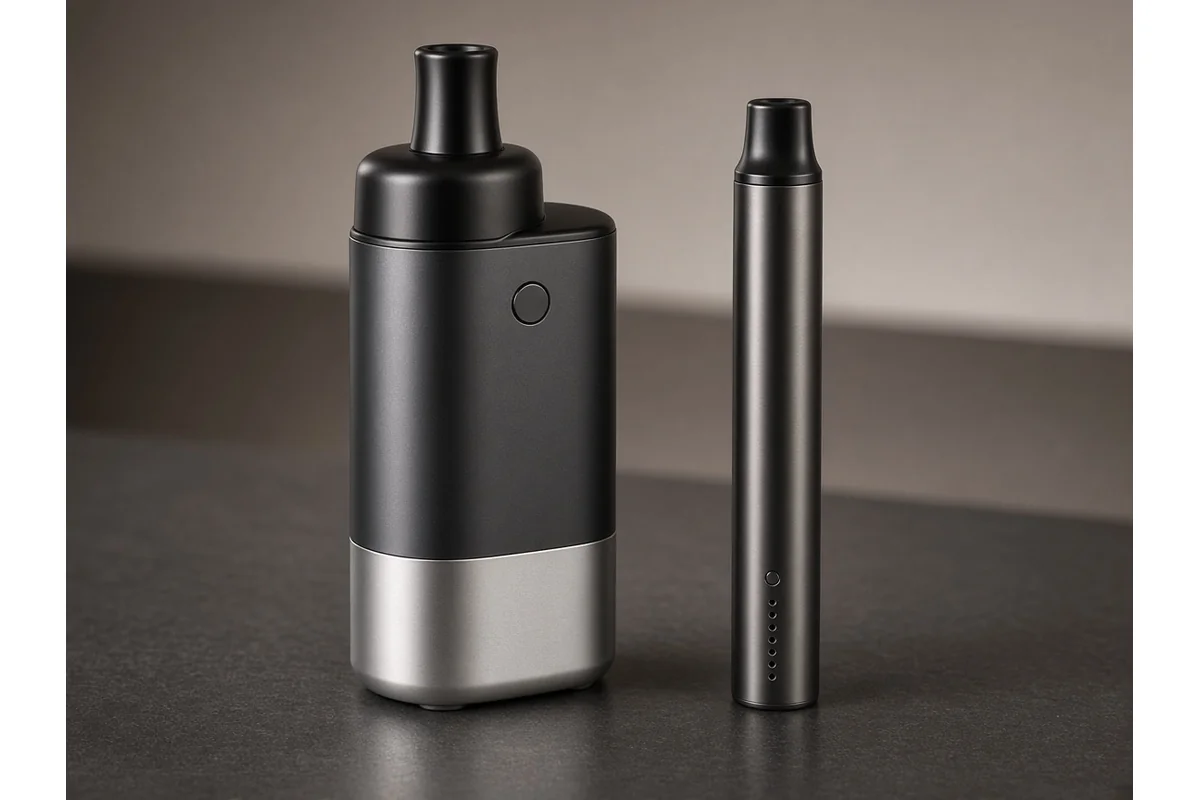
If you mostly use a small amount at home in the evening, a portable conduction device with a small chamber and a few presets is a simple, budget friendly choice. If flavor matters most, consider a portable convection device.
The flavor chaser
If you grow several strains and want to taste the difference your cure made, look for convection or hybrid heating, precise temperature control and a glass or ceramic vapor path.
The host
If you often share with other adults at home, a desktop device with a large chamber and a balloon or whip attachment keeps everyone comfortable. Desktop units stay plugged in, so battery life is not a concern.
The tinkerer
If you enjoy hands on gear, a manual or flame heated device gives full control and needs no battery. Expect a learning curve and practice runs before you dial it in.
Getting the most from home grown flower in a vaporizer
Dry and cure properly
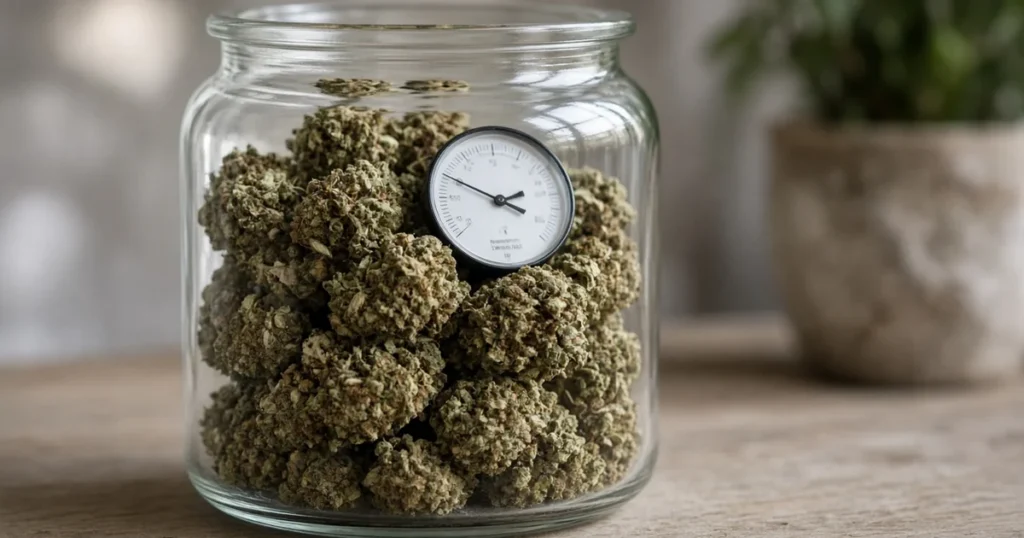
Flower that is too wet vaporizes unevenly and can clog screens. Flower that is too dry crumbles and burns through flavor quickly. A slow dry and a patient cure in jars give the best results. See our cannabis drying temperature and humidity guide and our tips for curing and storing cannabis flowers.
Grind to the right size
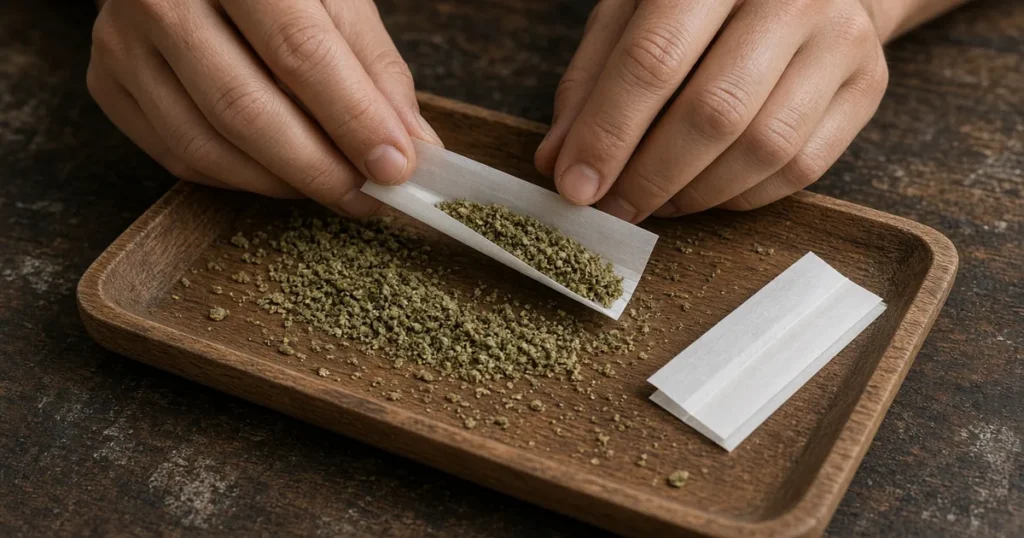
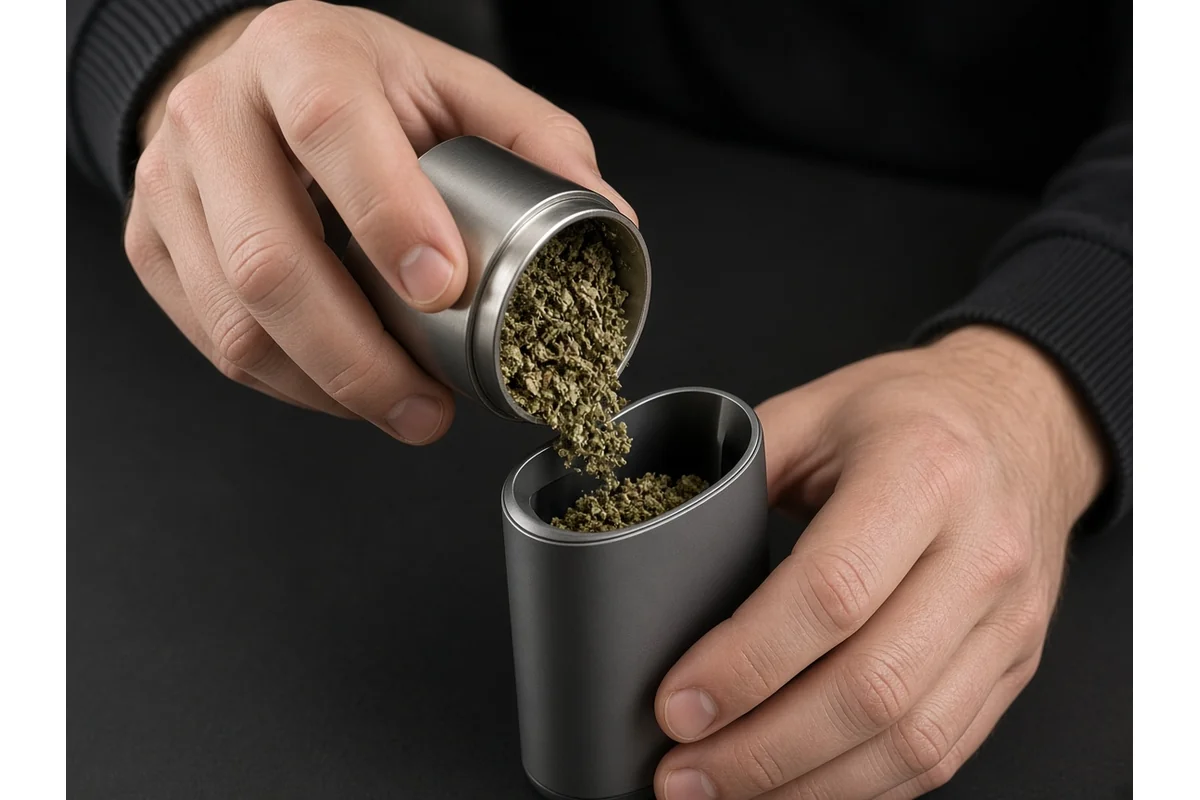
Most vaporizers work best with a medium grind, finer than a joint but not powder. Too fine and small particles can pass through screens. Too coarse and heat cannot reach the center. Our guide on what a cannabis grinder does explains the options.
Pack to suit the heating style
Conduction devices often perform best with a firm, even pack so the flower contacts the walls. Convection devices usually prefer a looser pack so air can flow through. Check the manual for your device.
Save spent material
Spent flower from a vaporizer is often called already vaped bud. Some adults keep it for cooking projects. Check our post on decarboxylating cannabis for background on why heat matters in the kitchen.
Budget tiers
Rather than chasing a single best device, set a budget and look for the best feature set within it.
- Entry level portables usually offer conduction heating, a few presets and a fixed battery
- Mid range portables often add precise temperature control, better vapor path materials and removable batteries
- Premium portables and desktops often offer convection or hybrid heating, app control and longer warranties
Price does not always track quality. Read several independent reviews, look for complaints about the same part failing and check how responsive the brand is to warranty claims.
Buying tips
- Buy from authorized sellers so the warranty is valid
- Read the manual before the first session and run a cleaning cycle if the maker recommends one
- Keep the original packaging until the return window passes
- Store the device and your flower out of reach of children and pets
A bit of history
Vaporizers are not new. Simple heating devices have been around for decades, and portable designs became popular in the 2010s. Our history of vaporizers traces how the category grew.
Grow legally and responsibly
Home cultivation is only legal in some states, and each state sets its own plant limits, locking rules and rules about whether plants can be visible from a public place. You must be 21 or older to buy seeds from Kind Seed Co, and you should grow only where your state and city allow it. Check your state rules in our guide to the legal requirements for growing weed plants in your state before you plant. Federal treatment of cannabis seeds is also changing, so read our December 11 2026 seed rule explainer before you order. Keep plants and harvested flower locked away from children, pets and visitors, and never drive after using cannabis. This article is general information. It is not legal advice and it is not medical advice.
Frequently asked questions
What is the difference between conduction and convection vaporizers?
Conduction devices heat flower through contact with a hot surface. Convection devices pass hot air through the flower. Hybrids combine both.
Do I need precise temperature control?
Not always. Presets are fine for simple use. Precise control helps if you like to explore how different home grown strains taste.
How should I grind flower for a vaporizer?
Most devices work best with a medium grind. Check the manual, since some convection devices prefer a slightly coarser grind.
Why are no brands named in this guide?
Lineups and prices change quickly. A feature checklist stays useful longer than a list of models.
Final thoughts
The best dry herb vaporizer for home grown cannabis is the one that fits your routine. Decide between conduction, convection or hybrid heating, choose a chamber size that matches how much you use, and look for easy cleaning and a solid warranty. Pair the device with well dried, well cured and evenly ground flower, and you will taste the work you put into your harvest. Adults 21 and older only, and always follow the laws where you live.
Ready to start
Browse the full range in the Kind Seed Co shop or go straight to smoking and gear. Kind Seed Co sells only to adults 21 and older. Always follow the cannabis laws where you live.