When to plant cannabis outdoors in Alaska
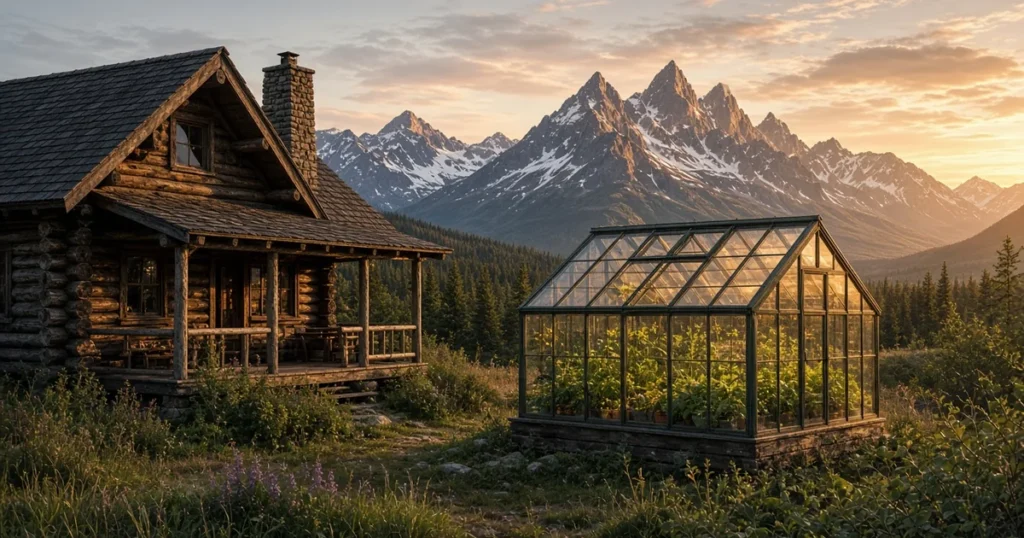
Alaska turns the usual outdoor cannabis rules upside down. In most states, growers worry about long, hot summers and early fall rain. In Alaska, the summer is short and cool, but the days are so long that photoperiod plants may not get the darkness they need to flower until the season is nearly over. Getting the timing right in Alaska means managing both frost and light.
What Alaska law allows
Adults 21 and older in Alaska may grow up to 6 plants, with no more than 3 mature and flowering at once. A single dwelling may hold no more than 12 plants, with no more than 6 mature, no matter how many adults live there. Plants must not be visible to the public without binoculars or other optical aids, must be secured from unauthorized access, and must be grown on property you lawfully possess or with the owner’s consent. Check AS 17.38 and the Alcohol and Marijuana Control Office for updates.
Alaska growing regions
| Region | Typical last frost | Typical first fall frost | Summer daylight |
|---|---|---|---|
| Southcentral and Anchorage | Mid to late May | Mid to late September | About 19 hours at the solstice |
| Mat Su Valley (Palmer, Wasilla) | Late May | Mid September | About 19 hours |
| Kenai Peninsula | Late May to early June | Mid September | About 18 to 19 hours |
| Interior and Fairbanks | Late May to early June | Late August to early September | About 22 hours |
| Southeast (Juneau, Ketchikan) | Early to mid May | Early October | About 17 to 18 hours, very wet |
The daylight problem
Photoperiod cannabis starts flowering when nights grow long, roughly 10 to 12 hours of darkness. In much of the lower 48, that happens in August. In Anchorage, nights do not get that long until mid to late September. In Fairbanks, it is later still. By then, frost is often on the way.
That is why many Alaska growers skip photoperiod strains outdoors entirely, or manage the light themselves.
Autoflowers
Autoflowers ignore day length and flower on their own timeline, usually 8 to 11 weeks from seed. Under Alaska’s long days they grow fast. Sow them indoors in early May, move them out in late May or early June, and harvest in August. This is the simplest and most reliable plan for most Alaskans.
Light deprivation
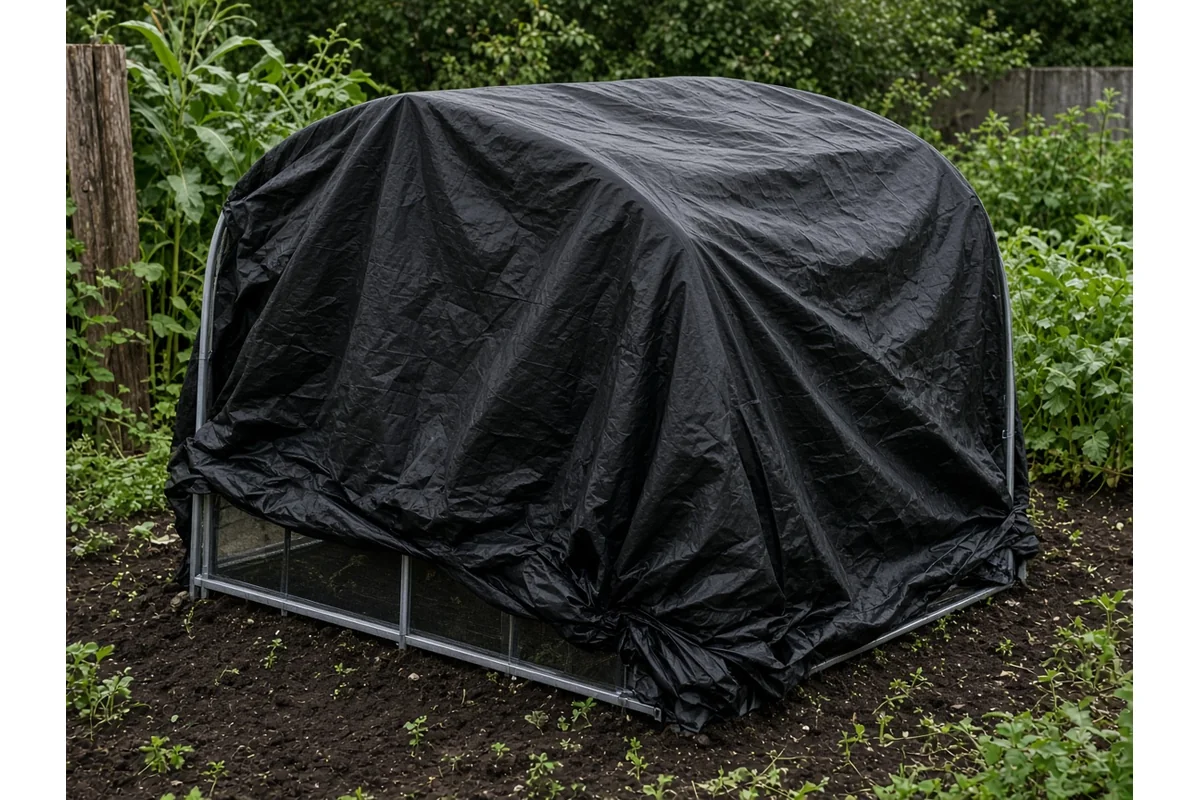
Some growers cover a greenhouse with a blackout tarp each evening to give photoperiod plants 12 hours of darkness. Starting this in late June or July triggers flowering weeks early, so plants finish in August or early September. It takes daily work, but it lets photoperiod strains finish before frost.
When to plant out
In Southcentral and the Mat Su Valley, set plants outside or into an unheated greenhouse in late May to early June, once frost risk has passed and soil has warmed. Use our soil temperature guide for planting cannabis as a guide. In the Interior, wait until early June. In Southeast, plants can go out in mid to late May, but the rain is the bigger challenge than cold.
Start seeds indoors three to five weeks before planting out. Our guide on how to germinate cannabis seeds covers the method.
Greenhouses do most of the work
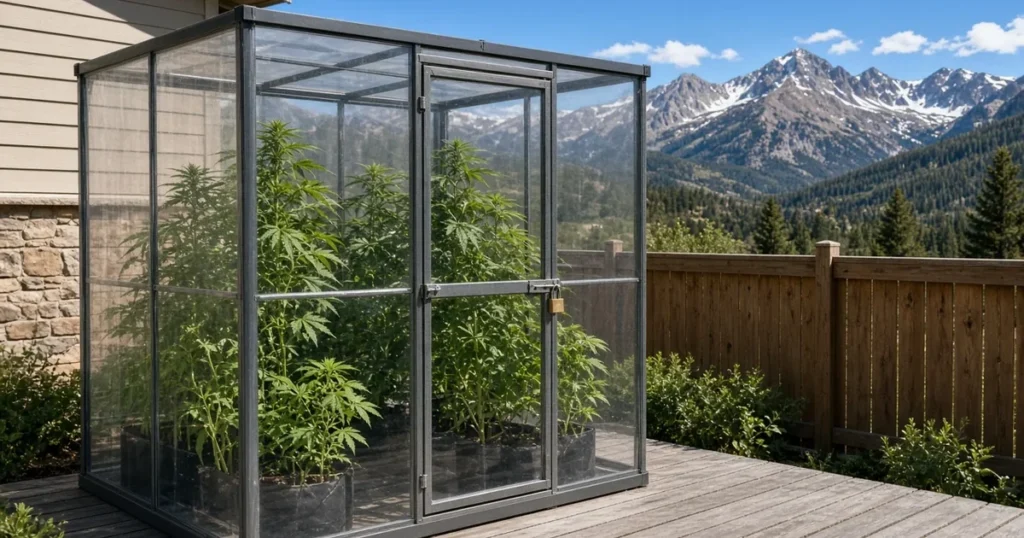
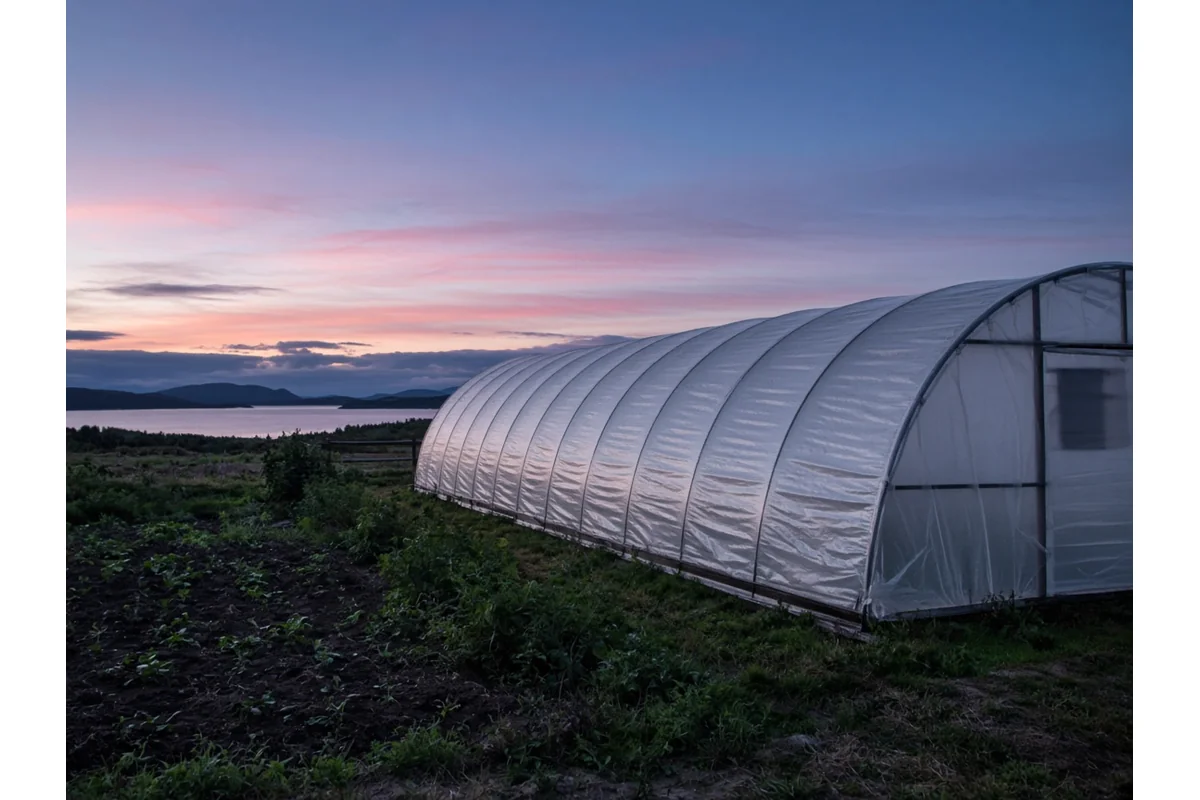
A greenhouse or hoop house is close to essential in most of Alaska. It adds warmth, protects from wind and rain, and keeps plants out of public view, which the law requires. It also lets you use light deprivation if you choose. Ventilate on sunny days, since even a cool Alaska afternoon can overheat a closed greenhouse.
Wet Southeast vs dry Interior
Southeast
Juneau and Ketchikan get heavy rain through much of the summer and fall. Outdoor flowers left uncovered often grow mold. A covered greenhouse with fans is the main defense.
Interior
Fairbanks summers can be surprisingly warm, sometimes into the 80s, with dry air. But frost can return by late August, so speed matters. Autoflowers or light deprived plants are usually the only practical choice.
Wildlife
Moose will eat garden plants, and they are not shy. A fence or greenhouse protects plants and keeps them out of view. Bears are attracted to some fertilizers, especially fish and bone meal, so store them securely.
Harvest and frost
Plan to harvest most outdoor or greenhouse crops in August or early September. Our guide on when to harvest outdoor cannabis explains how to judge ripeness, and our guide to frost damage on cannabis covers what to do when the first cold night arrives early. For general timing principles, see our guide on when to plant cannabis seeds outdoors.
A sample Mat Su calendar
| Date | Task |
|---|---|
| Late April | Clean and repair the greenhouse, check the cover |
| Early May | Germinate autoflower seeds indoors under a light |
| Late May | Harden off seedlings over a week of short outdoor visits |
| Early June | Move plants into the greenhouse or final containers |
| Late June | Start blackout tarps for any photoperiod plants |
| August | Watch trichomes, harvest autoflowers |
| Early September | Harvest light deprived plants before frost |
Drying in a cool climate
Alaska’s cool late summer is actually helpful for drying. A spare room around 60 to 65 degrees with moderate humidity dries buds slowly and keeps flavor. In wet Southeast, a small dehumidifier keeps the drying room from getting too damp. Hang branches with space between them and check daily for any sign of mold. Once stems snap rather than bend, the buds are ready to cure in sealed jars, which you open briefly each day for the first couple of weeks.
Containers and soil
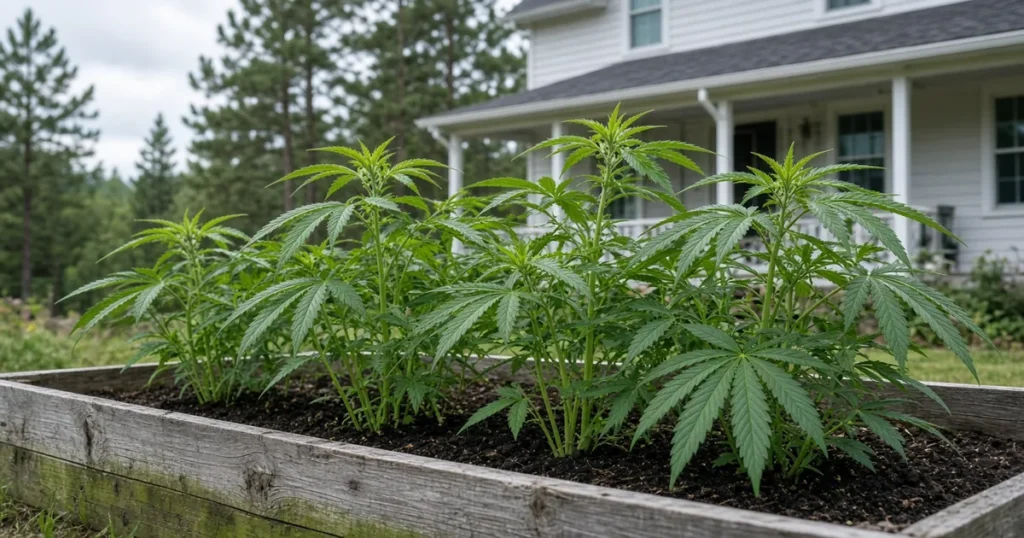
Cold soil slows roots, so many Alaska growers use dark fabric pots or raised beds, which warm faster than ground soil in spring. Mix in compost and a little perlite for drainage. Water in the morning so leaves and soil surface dry before cool evenings. Feed lightly, because a short season leaves little time to correct overfeeding, and cold roots take up nutrients slowly.
Grow legally and responsibly
Home cultivation is only legal in some states, and each state sets its own plant limits, locking rules and rules about whether plants can be visible from a public place. You must be 21 or older to buy seeds from Kind Seed Co, and you should grow only where your state and city allow it. Check your state rules in our guide to the legal requirements for growing weed plants in your state before you plant. Federal treatment of cannabis seeds is also changing, so read our December 11 2026 seed rule explainer before you order. Keep plants and harvested flower locked away from children, pets and visitors, and never drive after using cannabis. This article is general information. It is not legal advice and it is not medical advice.
Frequently asked questions
How many cannabis plants can I grow in Alaska?
Adults 21 and older may grow 6 plants with no more than 3 mature. A dwelling may hold up to 12 plants with no more than 6 mature.
Why do photoperiod strains struggle outdoors in Alaska?
Long summer days delay flowering until nights reach about 10 to 12 hours, which often happens close to the first frost.
Are autoflowers a good choice in Alaska?
Yes. They flower regardless of day length and can finish by August when started in May.
When should I plant cannabis outdoors in Anchorage?
Late May to early June, after the last frost, ideally in a greenhouse or hoop house.
Final thoughts
Alaska outdoor growing is all about the light and the short summer. Autoflowers are the simplest path, and light deprivation lets photoperiod strains finish before frost. Plant out from late May to early June, use a greenhouse for warmth and privacy, protect plants from moose and rain, and stay within 6 plants per adult and 12 per dwelling.
Ready to start
Browse the full range in the Kind Seed Co shop or go straight to marijuana seeds alaska. Kind Seed Co sells only to adults 21 and older. Always follow the cannabis laws where you live.