California cannabis home grow rules for 2027
This article is general information, not legal advice. Laws change, so check the current statute and your city and county rules before you grow. You must be 21 or older to grow cannabis in California.
In California, adults 21 and older may grow up to six living cannabis plants per private residence for personal use. The plants must be kept in a locked space on the grounds of the residence and must not be visible by normal unaided vision from a public place. Cities and counties can add rules and may ban outdoor growing, but they cannot completely ban indoor growing inside a home or a fully enclosed and secure accessory structure. Below we walk through each rule, where it comes from and how to stay within it in 2027.
Where California’s home grow law comes from
California voters approved Proposition 64, the Adult Use of Marijuana Act, on November 8, 2016. It added home grow rights to the Health and Safety Code. The key sections are:
- HSC 11362.1, which lists what adults 21 and older may lawfully do, including growing up to six living plants.
- HSC 11362.2, which sets the conditions for personal cultivation and the limits on local bans.
- HSC 11362.3, which lists what is still not allowed.
- HSC 11362.45, which preserves certain rights for others, including property owners.
Read these sections directly, as they are the final word.
Rule 1: You must be 21 or older
Home cultivation under Prop 64 is for adults 21 and older. Medical cannabis patients have a separate set of rules that this article does not cover.
Rule 2: Six living plants per private residence
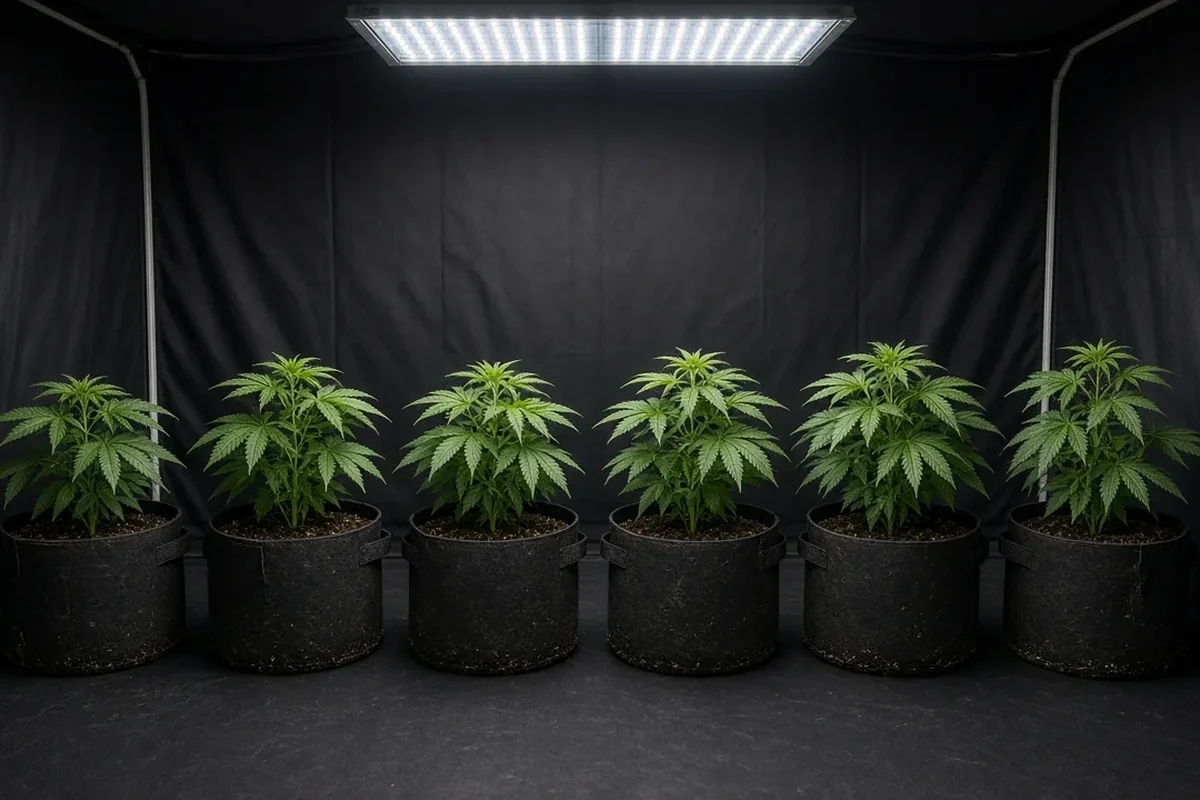
The limit is six living plants per private residence, not per person. Two adults sharing a house still share a single six plant limit under state law. The statute defines a private residence as a house, an apartment unit, a mobile home or a similar dwelling.
Practical tips:
- Count every living plant, including seedlings and clones.
- If you run autoflowers in waves, plan so the total never goes over six.
- Keep a simple log of when each plant was started and harvested.
Rule 3: Plants must be in a locked space
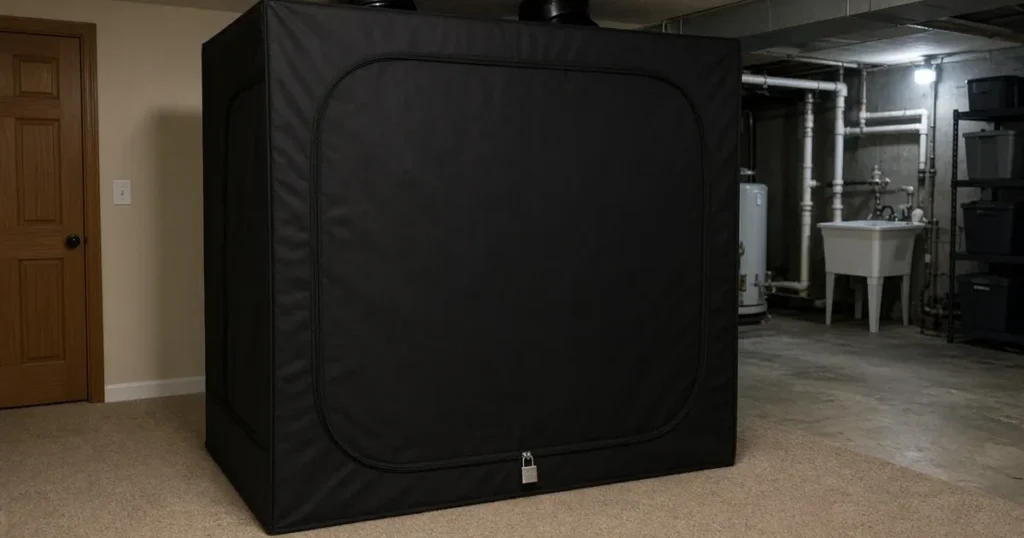
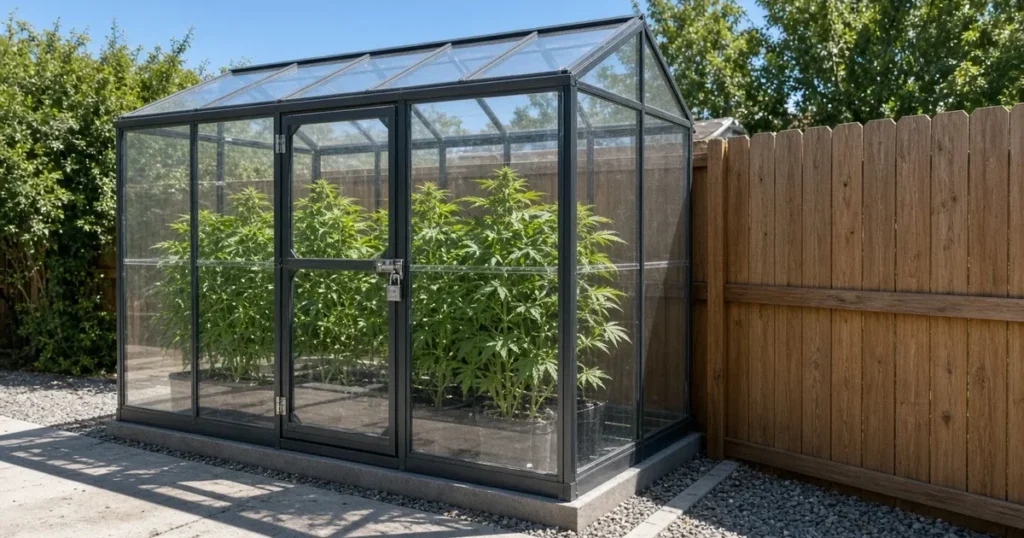
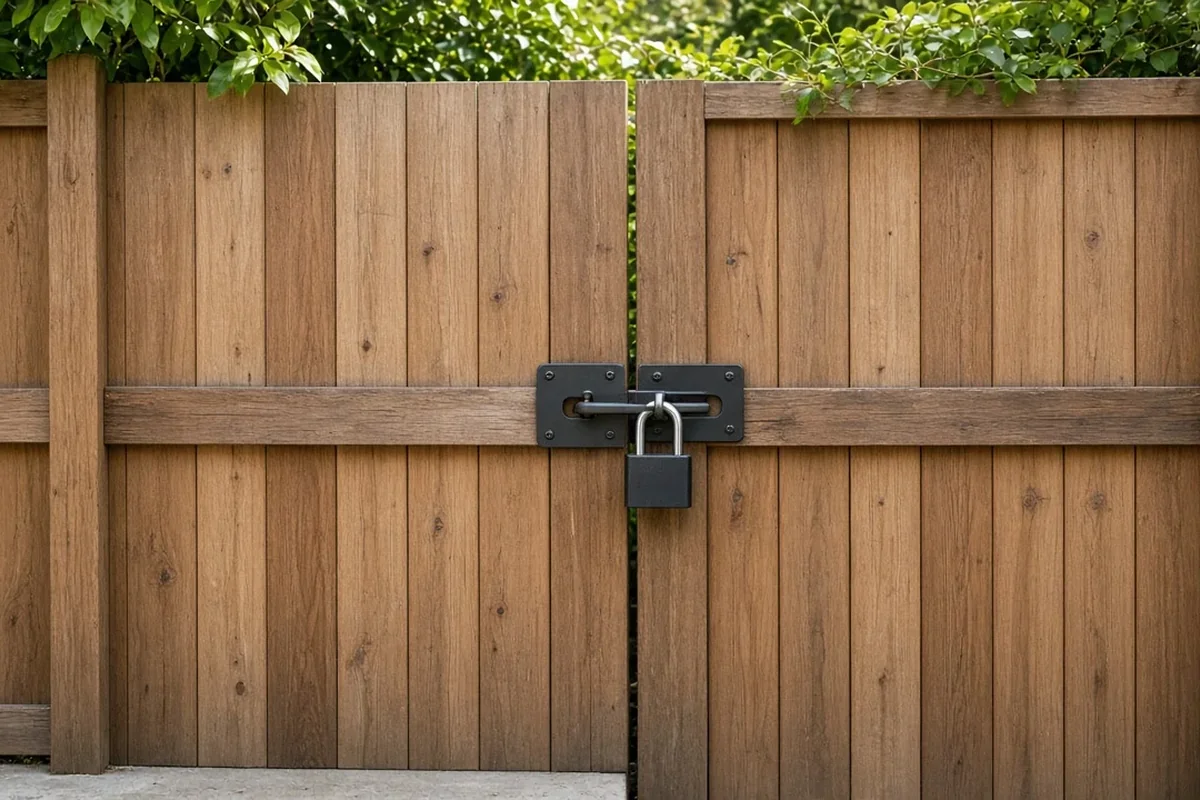
Under HSC 11362.2, plants must be grown in a locked space on the grounds of the private residence. A locked grow tent inside a home, a locked room, a locked greenhouse or a fenced yard with a locked gate are common ways growers approach this. Confirm what your city or county expects.
Rule 4: Plants must not be visible from a public place
Plants must not be visible by normal unaided vision from a public place. That means passersby on the street, sidewalk or a public park should not be able to see them. Fences, hedges, greenhouses and indoor tents help.
Rule 5: Harvested cannabis over the carry limit stays home and locked
Adults 21 and older can generally possess up to 28.5 grams of cannabis and up to 8 grams of concentrate. Under HSC 11362.2, cannabis you produce from your plants above 28.5 grams must be kept at the private residence, or on its grounds, in a locked space and not visible from a public place.
Rule 6: Local governments can add rules
This is where many growers get caught out. Under HSC 11362.2, cities and counties may reasonably regulate home cultivation. They may:

- Ban outdoor personal cultivation entirely, or require permits.
- Set rules on setbacks, odor, fencing or structures.
They may not completely ban indoor cultivation inside a private residence or inside an accessory structure on the property that is fully enclosed and secure. Even where outdoor growing is banned, indoor growing is still protected at the state level, subject to reasonable rules.
Action step: Search your city or county code for “personal cultivation” or “cannabis” before you plant.
Rule 7: Landlords and property owners can restrict growing
HSC 11362.45 preserves the right of property owners to prohibit or restrict cannabis cultivation on their property. If you rent, read your lease and talk to your landlord. A lease that bans growing can be enforced.
What is still not allowed
California home grow is personal. Under state law, you generally may not:
- Sell homegrown cannabis without a state license.
- Grow more than six living plants per residence.
- Use volatile solvents like butane to make concentrates without a license.
- Let anyone under 21 access your plants or harvest.
- Consume cannabis in public places where it is prohibited.
How to set up a compliant California home grow
- Check local rules. Confirm whether your city or county allows outdoor growing and whether it requires a permit.
- Pick your space. A lockable grow tent indoors is the simplest way to meet the locked and out of view rules.
- Plan your count. Six living plants per residence. Many growers run fewer, bigger plants.
- Secure it. Use a lock, keep keys away from anyone under 21 and keep plants out of public view.
- Control odor. A carbon filter keeps neighbors happy and helps with local odor rules.
- Choose genetics for your space. Compact strains suit tents. See our California seeds page and our guide to the best strains to grow outdoors in California if outdoor growing is allowed where you live.
Is anything changing in 2027?
Cannabis laws change often. As of October 29, 2026, the six plant limit and the locked, out of view rules in HSC 11362.1 and 11362.2 are the core of California home grow law. Local ordinances change more often than state law, so check your city and county rules each season. Federal law is separate from state law and is also changing, so stay informed.

Choosing seeds for a California home grow
Six plants go further when you choose well.
- Small indoor tent: compact autoflowers like Blue Dream Auto fit neatly and finish fast.
- Bigger indoor space: a trained photoperiod like Gelato 41 can fill a tent with fewer plants.
- Outdoor, where allowed: match the strain to your region, coastal or inland.
Frequently asked questions
How many cannabis plants can I grow in California?
Adults 21 and older may grow up to six living plants per private residence under HSC 11362.1. The limit is per residence, not per person.
Can I grow cannabis outside in California?
State law allows it if the plants are in a locked space and not visible from a public place. However, cities and counties may ban outdoor cultivation, so check your local rules.
Can my city ban home grow completely?
No. Cities and counties may regulate home cultivation and may ban outdoor growing, but HSC 11362.2 says they cannot completely ban indoor growing inside a private residence or a fully enclosed, secure accessory structure.
Can I grow cannabis in a rental in California?
Only if your lease and landlord allow it. Property owners may prohibit or restrict cultivation on their property.
Can I sell or give away cannabis I grow?
You cannot sell it without a state license. Adults 21 and older may give limited amounts to other adults 21 and older without payment, within state possession limits. Check the statute for details.
Do I need a permit to grow at home in California?
The state does not require one for personal cultivation, but some cities and counties do. Check local rules.
Grow legally and confidently in California
Stay at six plants per residence, keep them locked and out of public view and follow your local rules. When you are ready, browse the Kind Seed Co California seeds page for genetics that suit your space.
Not legal advice. Sources: California Health and Safety Code sections 11362.1, 11362.2, 11362.3 and 11362.45, accessed October 29, 2026. Verify current law before you grow. 21+ only.