Colorado cannabis home grow rules for 2027
Colorado was the first state where adults could legally grow cannabis at home for recreational use, and the rules have been refined several times since voters approved Amendment 64 in 2012. Most of what matters to a home grower comes down to four things: how many plants your household can keep, where those plants can be, who can see them and what you can do with the harvest. This guide walks through each one for adults 21 and older planning a 2027 grow. It is general information, not legal advice, and it is worth checking the current statute before you put seeds in soil.
The plant count, explained the way growers actually count
Under the Colorado Constitution, each adult 21 or older may possess, grow and process up to six cannabis plants, and no more than three of those may be mature and flowering at the same time. That sounds simple until you live with other growers.
State law caps any single residence at 12 plants total, no matter how many adults live there. Two adults reach that cap together. A third adult in the same house does not add six more plants. This cap is set in state statute, not by individual cities, so it applies in Denver, Colorado Springs, Grand Junction and everywhere in between. Some cities set even lower limits, so the state cap is a ceiling, not a guarantee.
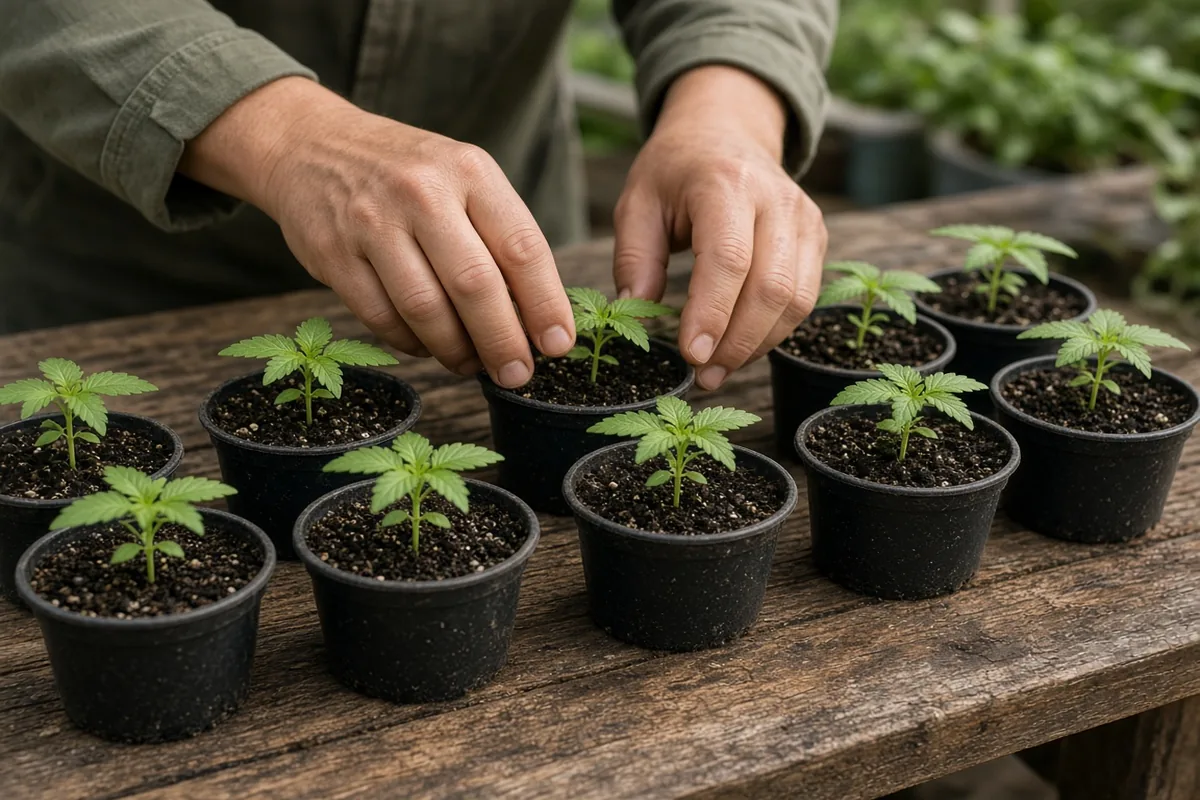
Growers often ask whether seedlings and clones count. The safest reading is yes. A rooted clone in a cup is still a plant. If you are running a perpetual setup with a mother, a few clones and a flowering tent, write your plant list on paper and keep it near the grow. When you are near the cap, a one in, one out rule keeps things clean.
Where plants can live
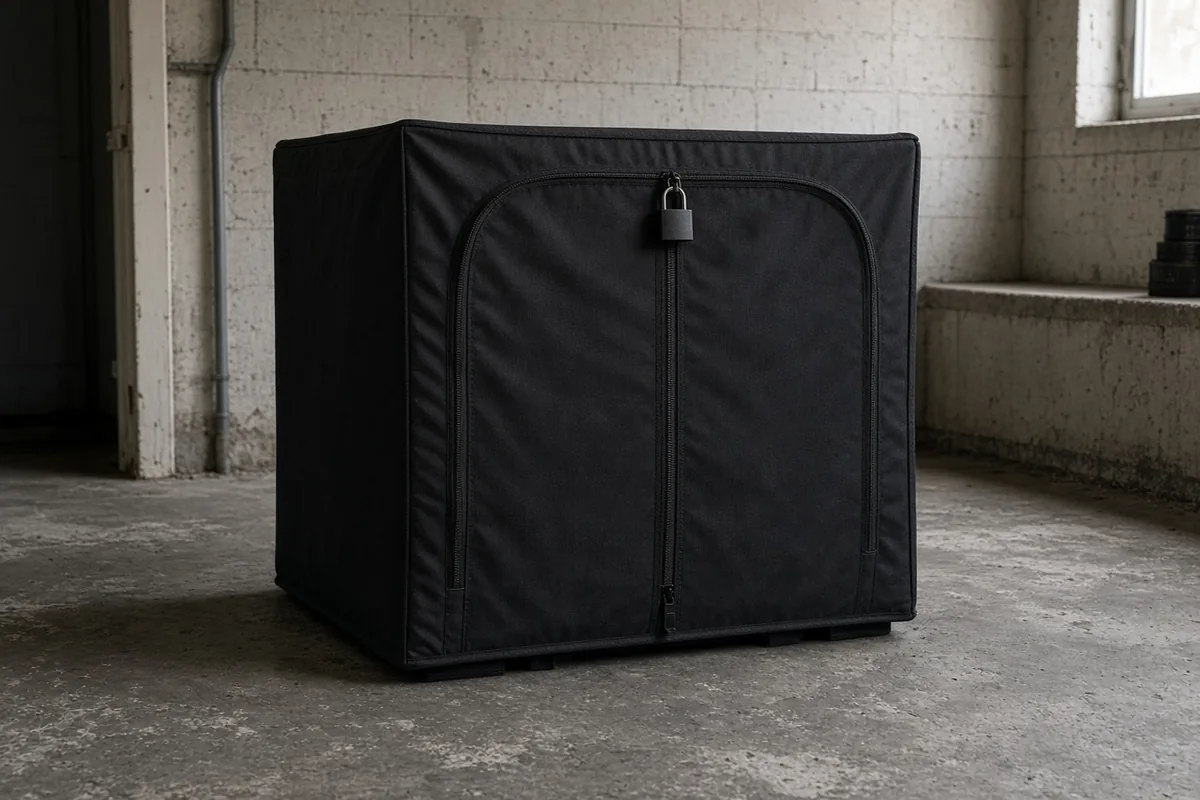
Colorado requires that home grows take place in an enclosed and locked space, and that cultivation is not conducted openly or publicly. In practice this means:
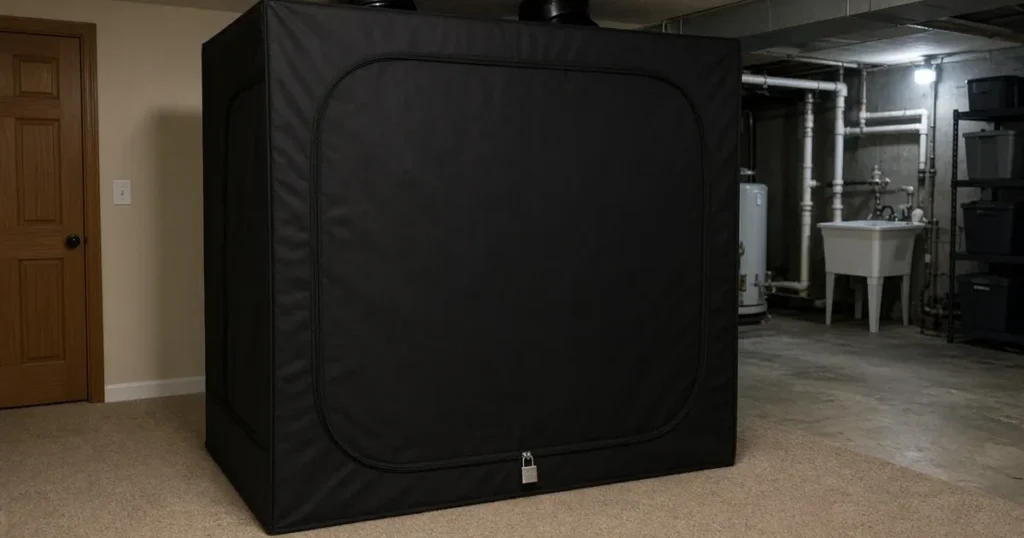
- An indoor grow in a tent, closet or room with a lock on the door or the tent zipper.
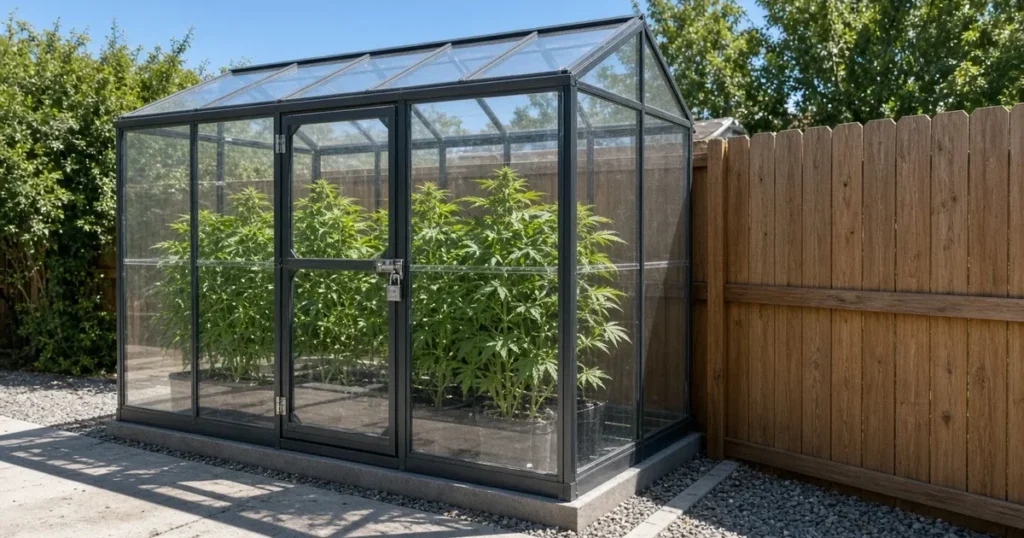
- A greenhouse with a locking door.
- An outdoor garden inside a fenced and locked yard where plants cannot be seen from the street, sidewalk or a neighbor’s public area.
Many Colorado cities add their own conditions. Some ban outdoor growing outright in residential zones, some limit odor that crosses property lines and some restrict grows in multifamily buildings. Before you buy a greenhouse, check your city code and your county code if you live outside city limits.
Buying, possessing and keeping your harvest
Adults in Colorado can buy up to one ounce of flower at a time from a licensed store and possess up to two ounces. Home growers often harvest more than two ounces from a single plant, so the law treats your harvest at the place where it was grown differently from what you carry in public. The constitution allows you to keep the cannabis produced by your own plants on the premises where they were grown, as long as it stays there. Moving large amounts off the property is where people get into trouble.
Store your dried harvest in sealed jars in a locked cabinet or room. That protects quality, keeps odor down and keeps the harvest away from kids and guests.
Gifting is legal, selling is not
Adults can give up to one ounce to another adult 21 or older as long as nothing is exchanged. No cash, no trade for services, no “donation” bundled with a purchase. Selling any home grown cannabis without a state license is a crime. The same applies to selling clones.
Renters, HOAs and roommates
Colorado gives landlords the right to ban cannabis cultivation and use on their property. If your lease is silent, ask in writing before you set up a tent. Homeowners associations may also have rules about outdoor structures, smells and visible plants. Roommates should agree on who owns which plants, because the residence cap is shared.
Medical patients and caregivers
Registered medical patients may qualify for higher plant counts with a physician recommendation, but those extended counts have their own registration rules and local limits. This guide focuses on adult use. If you hold a red card, check the Colorado Department of Public Health and Environment guidance for your situation.
Practical setup ideas that fit the rules
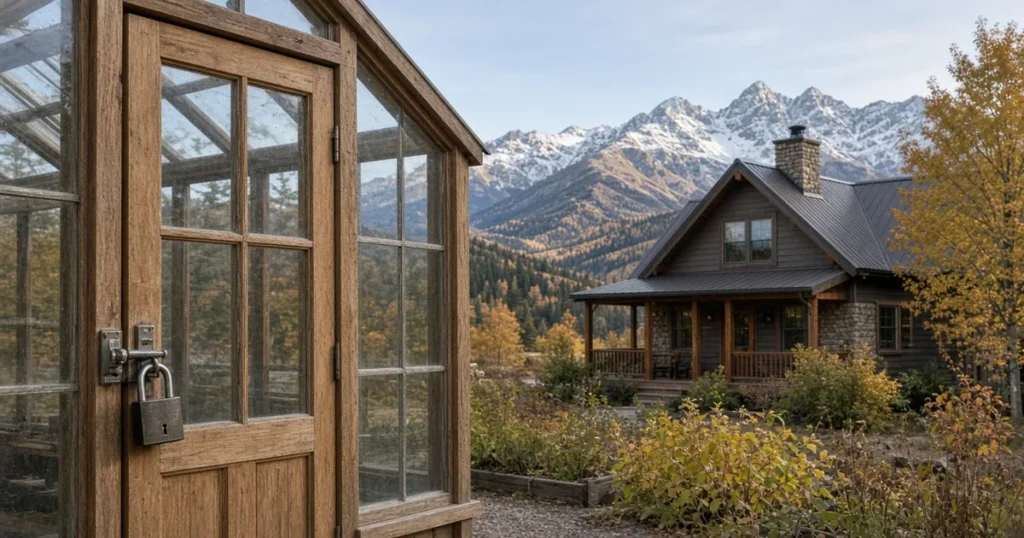
The Front Range has dry air, strong sun and early frosts, which shape how people grow within the law. A locked 4×4 tent in a basement holds three flowering plants comfortably and keeps odor contained with a carbon filter. A small locked greenhouse lets outdoor growers extend the season past the first September frost. If you are new to tents, start with our complete grow tent setup guide and keep your plant list taped to the tent frame.
Short season growers in the mountains often choose autoflower seeds because they finish fast. Fewer, larger plants trained with low stress training also help you stay under the three flowering plant limit while still filling a space.
What to watch heading into 2027
Colorado lawmakers revisit cannabis rules most sessions, and the Marijuana Enforcement Division updates regulations for licensed businesses. Changes to home grow limits are less common but not impossible, and local governments change their codes more often. Before a 2027 grow, check three things: the state statute on plant counts, your city code and your lease. Federal treatment of hemp and cannabis seeds is also changing, which we cover in our seed rule explainer below.
A quick compliance checklist
- Count every plant, including clones.
- No more than three flowering plants per adult.
- No more than 12 plants in the residence.
- Locked, enclosed and not visible to the public.
- Harvest stays where it was grown.
- Gifts only, never sales.
- Lease and city code checked.
Colorado’s home grow law is generous by national standards but strict on the details. Keep your count honest, keep the space locked and keep the harvest at home, and you can grow with confidence. Browse our Colorado marijuana seeds for genetics that suit the state’s altitude and short season.
Grow legally and responsibly
Home cultivation is only legal in some states, and each state sets its own plant limits, locking rules and rules about whether plants can be visible from a public place. You must be 21 or older to buy seeds from Kind Seed Co, and you should grow only where your state and city allow it. Check your state rules in our guide to the legal requirements for growing weed plants in your state before you plant. Federal treatment of cannabis seeds is also changing, so read our December 11 2026 seed rule explainer before you order. Keep plants and harvested flower locked away from children, pets and visitors, and never drive after using cannabis. This article is general information about gardening. It is not legal advice and it is not medical advice.
Frequently asked questions
How many plants can I grow at home in Colorado?
Each adult 21 or older can grow up to six plants with no more than three flowering, and state law caps a single residence at 12 plants total.
Can I grow cannabis outdoors in Colorado?
State law allows it in a locked, enclosed area that is not open to public view, but many cities ban or restrict outdoor grows. Check your city code first.
Can I keep more than two ounces from my harvest?
Cannabis produced by your plants may generally be kept on the premises where it was grown. Possession limits apply when you take cannabis outside that property.
Can my landlord stop me from growing?
Yes. Colorado landlords can prohibit cultivation on their property.
Ready to start
Browse the full range in the Kind Seed Co shop or go straight to marijuana seeds colorado. Kind Seed Co sells only to adults 21 and older. Always follow the home grow laws where you live.