
Cannabis Cultivar vs Strain: What Is the Difference?
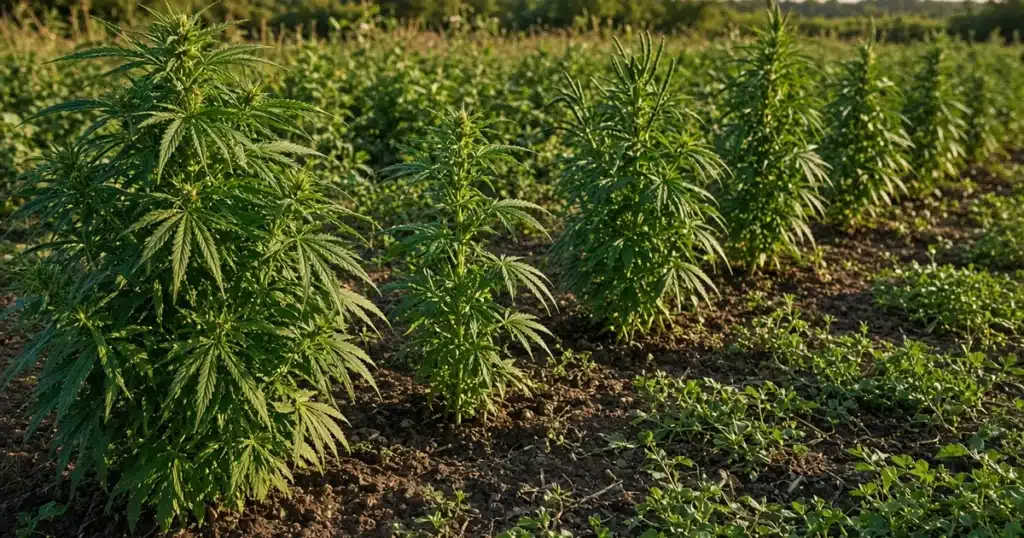
In the cannabis cultivar vs strain question, strain is the everyday word for a named variety, while cultivar is the formal term for a cultivated variety selected for distinct, uniform and stable traits. NC State Extension calls strain ambiguous, and a 2021 study found samples sharing a name often differed as much as samples with different names.
What Is a Cannabis Cultivar?
Cultivar is short for cultivated variety. Iowa State University Extension explains that a cultivar is a variety selected by people and kept going in cultivation (Iowa State University Extension). NC State Extension quotes the international code for cultivated plant names, the ICNCP, which defines a cultivar as a group of plants selected for a trait or set of traits that is distinct, uniform and stable, and that keeps those traits when propagated (NC State Extension). The cannabis terms explained post gives a short definition, and this post adds the formal one.
Why Do Horticulturists Avoid the Word Strain?
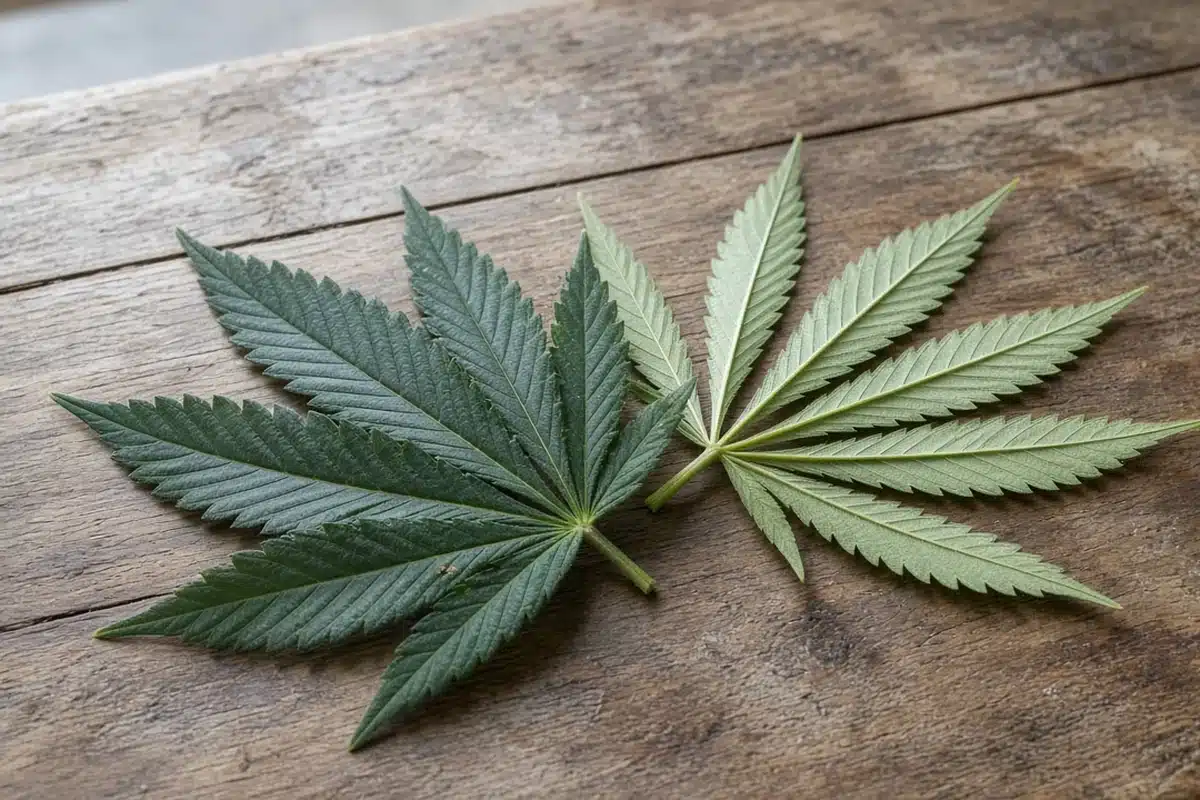
NC State Extension says calling cultivars strains is ambiguous and should be avoided (NC State Extension). In cannabis, strain stuck as the everyday word, and seed shops, growers and dispensaries still use it. Both words point to a named variety in conversation, but cultivar carries the formal meaning of selected, uniform and stable.
Cultivar, Strain and Chemovar
| Term | What it groups by | Where you see it |
|---|---|---|
| Strain | Everyday name for a variety | Seed shops and dispensaries |
| Cultivar | Cultivated variety with stable traits | Botany and breeding |
| Chemovar | Chemical profile | Lab and research use |
| Phenotype | One plant’s visible traits | Grow rooms |
Do Strain Names Match Genetics?
Not reliably. A 2021 study in Nature Plants of 297 cannabis samples from Dutch sources found that pairs of samples with the same cultivar name were often as genetically and chemically distant as pairs with different names. It also found Sativa and Indica labels did not accurately reflect genetic relatedness (Watts et al. 2021). That is one reason the formal idea of a stable cultivar matters. The guides to types of marijuana and indica vs sativa cover other labels.
How Does Chemovar Fit In?
Chemovar is short for chemical variety. It groups plants by their chemical profile, such as their main cannabinoids and terpenes, instead of by name or ancestry. The Nature Plants finding that samples sharing a name could differ in chemistry shows why a chemical grouping can help. Chemovar sits beside cultivar, not in place of it. A cultivar is about selected, stable traits, while a chemovar is about what a lab finds in the plant.
Choosing your next variety? Browse feminized seeds and autoflower seeds by the traits that matter to you.
Sources
Sources below are extension horticulture guides and one peer-reviewed cannabis study. The ICNCP definition is quoted through NC State Extension.
- NC State Extension Gardener, The Nomenclature of Horticultural Plants: An Explanation (cites ICNCP)
- Iowa State University Extension, What is the difference between a cultivar and a variety?
- Watts et al. 2021, Nature Plants, Cannabis labelling is associated with genetic variation in terpene synthase genes
Extension and published research shaped these naming notes, which Kind Seed Co keeps to general information.
FAQ
Is a clone a cultivar?
A clone copies the genetics of one plant, so clones of a selected plant can carry its traits forward. Under the ICNCP definition quoted by NC State Extension, a cultivar must keep its traits when propagated, and cloning is one way to do that. A cultivar names the group, not a single plant.
Why do seed shops still use strain?
Strain is the everyday word in seed shops and dispensaries, so shops and growers keep using it. NC State Extension calls strain ambiguous for cultivated plants, but everyday cannabis language grew up around it. Many listings use strain to mean a named variety. The listing details tell you more than the word itself.
Can two cultivars share a name?
In practice, yes. There is no central register for cannabis variety names, and two listings can use the same or similar names. The 2021 Nature Plants study found pairs of samples with the same name were often as genetically and chemically distant as pairs with different names. A name alone does not prove shared genetics.
Does the word change what you buy?
Not directly. The seeds are the same whether a listing says strain or cultivar. The words matter for how you read a listing. Treat a name as a starting point, then look at the traits, the parents and any lab data. A seed line sold under a name may not meet the formal cultivar standard.


