Cannabis Schedule III vs legalization explained

Schedule III and legalization are often used as if they mean the same thing. They do not. Scheduling is about where a drug sits inside federal drug law. Legalization is about whether it sits inside federal drug law at all, or about what a state chooses to allow on its own. In 2026 part of the cannabis market moved to Schedule III, and that move left most of the bigger questions open.
This explainer walks through how the federal schedule system works, what Schedule III means in plain terms, how descheduling would differ and where state laws fit.
The five schedules
The Controlled Substances Act of 1970 sorts regulated drugs into five schedules. Placement depends on medical use, abuse potential and dependence risk.
| Schedule | Plain meaning | Examples |
|---|---|---|
| I | No accepted medical use, high abuse potential | Heroin, adult use marijuana |
| II | Accepted use with severe restrictions | Oxycodone, fentanyl |
| III | Accepted use, moderate potential | Ketamine, anabolic steroids, state medical marijuana |
| IV | Lower potential | Many sleep and anxiety drugs |
| V | Lowest potential | Some cough preparations |
Every schedule is still controlled. Making, distributing or dispensing any scheduled drug requires federal registration, and possession outside a valid prescription or registration is a federal offense.
What moved in 2026
A Department of Justice final rule effective April 28 2026 placed FDA approved marijuana products and marijuana held under a state medical license into Schedule III. Everything else, including adult use marijuana and illicit marijuana, stayed in Schedule I. A broader proceeding on moving all marijuana went to hearing from June 29 to July 15 2026. It was stayed in September, and reply briefs are due November 5 2026. No decision date is set.
What Schedule III does
Schedule III recognizes that a drug has medical use. It opens a path for research with fewer barriers. It ends the 280E tax penalty for businesses whose activity is covered, since that penalty reaches only Schedules I and II. It brings federal registration requirements, which state licensees can pursue under an expedited process in the rule.
What Schedule III does not do
It does not make retail sales to adults federally legal. It does not make possession without a prescription legal. It does not allow interstate commerce in state market products. It does not override state laws that ban cannabis. It does not create a federal right to grow at home.
What legalization would mean
Legalization at the federal level usually means descheduling, which removes cannabis from the Controlled Substances Act entirely, like alcohol and tobacco. Congress would then likely build a separate regulatory system for taxes, labeling and interstate trade. Descheduling requires either an act of Congress or a finding that cannabis does not meet the criteria for any schedule. Neither has happened.

| Feature | Schedule III | Descheduling |
|---|---|---|
| Still a controlled substance | Yes | No |
| 280E penalty | Ends for covered activity | Ends for all |
| Adult retail federally legal | No | Would depend on new law |
| Interstate commerce | No | Possible under new law |
| Prescriptions | Required for possession | Not needed for adults |
Where state laws fit
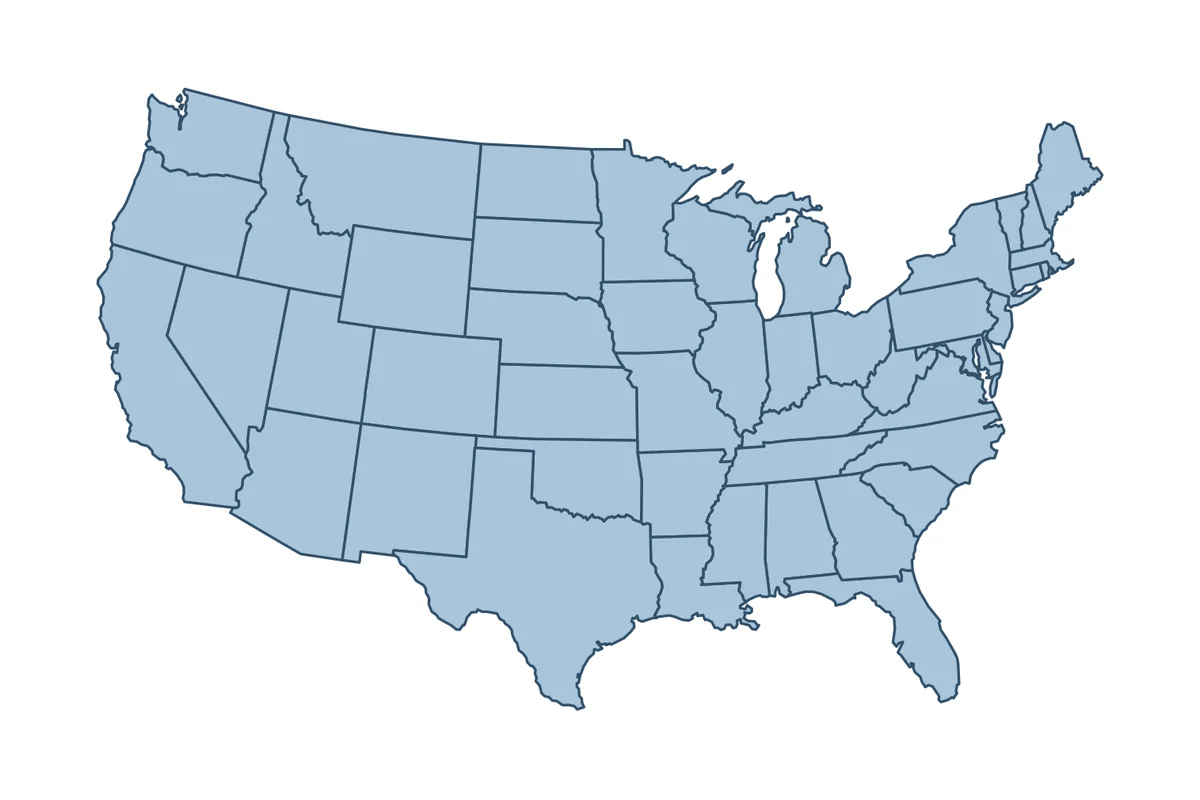
States make their own choices. Two dozen or so allow adult use, and most allow medical use. Those state laws work by declining to punish conduct under state law. They have never made anything federally legal. That stays true under Schedule III. A state with no program, such as Idaho or Indiana, still bans cannabis under its own law no matter where the federal schedule sits.
Why the words matter
When a company advertises that cannabis is now legal federally, it is wrong. When a friend says Schedule III means nothing, they are also wrong. The change matters most to licensed medical businesses and researchers. For consumers and growers, state law is still the rule that applies day to day.
How the next steps could unfold
After the November briefs, the judge issues a recommended decision to the DEA Administrator. The Administrator then decides and publishes a final rule. Courts may review that rule. Separately, the D.C. Circuit is hearing challenges to the April 2026 order, which it declined to pause on September 9. Congress could also act at any time, though no descheduling bill has passed either chamber.
A quick history of cannabis scheduling
Cannabis was placed in Schedule I when the Controlled Substances Act passed in 1970. Petitions to move it were filed and denied several times over the following decades. In 1996 California passed the first state medical law, and state programs spread from there. In 2012 Colorado and Washington approved adult use. In 2022 the President asked federal agencies to review cannabis scheduling. The health review recommended Schedule III in 2023, and the 2026 rule moved the medical and FDA approved portion while the broader question went to a hearing.
Common myths
One myth says Schedule III makes cannabis like ketamine for consumers. In practice state markets do not run through pharmacies, so the comparison breaks down. Another myth says states must now change their laws. They do not have to, though some may choose to. A third myth says employers can no longer test for cannabis. Workplace rules are set by employers, states and federal agencies, and many testing policies continue.
Where to read the primary sources
The final rule appears in the Federal Register. Hearing orders are posted on the DEA docket. State laws are on each legislature’s website. Reading these directly helps you tell real changes from marketing claims.
Words to use carefully
Say rescheduled when you mean moved to a different schedule. Say descheduled when you mean removed from the Act. Say legal under state law when a state allows something. Clear words keep readers from making costly mistakes. Precise language also helps when you talk with lawmakers.
Grow legally and responsibly
Home cultivation is only legal in some states, and each state sets its own plant limits, locking rules and rules about whether plants can be visible from a public place. You must be 21 or older to buy seeds from Kind Seed Co, and you should grow only where your state and city allow it. Check your state rules in our guide to the legal requirements for growing weed plants in your state before you plant. Federal treatment of cannabis seeds is also changing, so read our December 11 2026 seed rule explainer before you order. Keep plants and harvested flower locked away from children, pets and visitors, and never drive after using cannabis. This article is general information. It is not legal advice and it is not medical advice.
Frequently asked questions
Is Schedule III the same as legalization?
No. Schedule III keeps cannabis a controlled substance. Legalization at the federal level would usually mean descheduling by Congress or by agency finding.
What moved to Schedule III in 2026?
FDA approved marijuana products and marijuana under a state medical license, under a rule effective April 28 2026. Adult use marijuana stayed in Schedule I.
Can adults buy cannabis legally under federal law now?
No. Retail sales to adults are still federally illegal. State laws decide what is allowed under state law.
Could Congress deschedule cannabis?
Yes, Congress can pass a law removing it from the Controlled Substances Act. No such bill has passed as of this writing.
Final thoughts
Schedule III is a step inside federal drug law, not an exit from it. Keep the two ideas apart and the news becomes much easier to read.
Ready to start
Browse the full range in the Kind Seed Co shop or go straight to kindseed.com. Kind Seed Co sells only to adults 21 and older. Always follow the cannabis laws where you live.