What cannabis rescheduling to Schedule III means for home growers
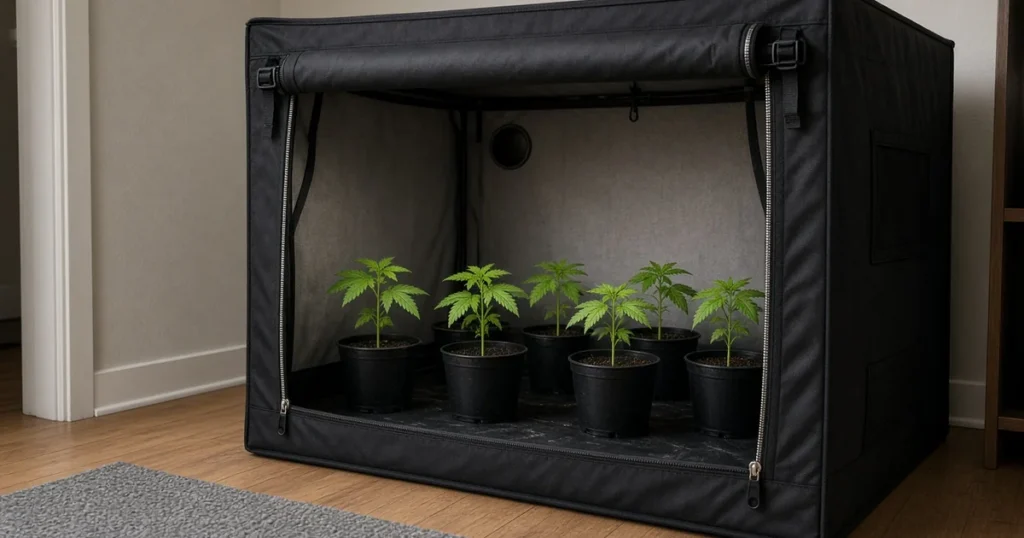
When headlines say marijuana moved to Schedule III, many home growers ask whether their tent in the spare room just became federally legal. It did not. The 2026 federal change is narrow, and for the person growing a few plants at home under state law it changes very little. Knowing exactly what moved and what did not keeps you on the right side of both state and federal rules.
This post is written for adults who grow at home where state law allows it. It covers what the April 2026 rule covered, why home grows fall outside it, what is happening with seeds and hemp and what you should actually check.
What actually moved
The final rule effective April 28 2026 placed two things in Schedule III. One is drug products approved by the FDA. The other is marijuana held under a state license to manufacture, distribute or dispense for medical purposes. Both depend on a license or an approval. A home grower holds neither.
A patient card is not a state license to manufacture or distribute. It is a registration that lets you possess or grow under state law. Whether a patient’s personal grow falls under the rule’s license language is not clearly answered, so do not assume it does.
Why home grow stays a state question
Home cultivation has always been a creature of state law. Federal law never allowed it, and the federal government has generally left small personal grows to the states. Schedule III does not change that pattern. What matters for your grow is still your state statute.
| Question | Who decides |
|---|---|
| Can I grow at home? | Your state |
| How many plants? | Your state |
| Must plants be locked or hidden? | Your state and sometimes your city |
| Can my landlord ban it? | Your lease and state law |
| Is it federally legal? | No, outside a federal registration |
Adult use growers
If you grow under an adult use law, your plants are not covered by the April rule at all. Adult use marijuana stays in Schedule I until the broader federal proceeding finishes. That hearing ran from June 29 to July 15 2026, was stayed in September and has reply briefs due November 5 2026. Even a final decision moving all marijuana to Schedule III would not make home grows federally legal. Schedule III drugs still require registration to manufacture.
Seeds and the 2026 hemp changes
Seeds have been a gray area. Many sellers rely on the federal hemp definition, since seeds contain almost no THC. Federal hemp rules change in late 2026. The synthetic cannabinoid exclusion takes effect November 12 2026. New THC and container limits, along with a provision on seeds, take effect December 11 2026. These dates come from the federal hemp changes, not from rescheduling. Read our December 11 2026 seed rule explainer before you order, and buy only where you are 21 or older and where state law allows it.
What does change for growers
Indirectly, a few things may shift. Licensed medical businesses may pay less federal tax, which can affect prices and the availability of genetics through state programs. Research may get easier, which over time improves information about cultivation. Some states with trigger language may revisit their own schedules. None of these create new rights for a home grower.
Things that still carry risk
Growing on federal land or in federally subsidized housing is still a problem. Mailing plants or harvested flower across state lines is still illegal. Federal employees and people with federal licenses face the same policies as before. Firearms questions for cannabis users remain unsettled in federal courts.
A grower checklist
Read your state’s plant limits and whether they count per person or per household. Check local rules on visibility and odor. Keep plants locked away from minors. Keep records of where your seeds came from. Do not sell or share in ways your state does not allow. Recheck the law after each legislative session.
Questions we hear most
People ask whether they can now buy clones across state lines. No. They ask whether police can still enforce state plant limits. Yes. They ask whether a patient card protects a grow from federal agents. A card has never been a federal defense, and the 2026 rule does not clearly make it one.
A note on renters and shared homes
Renters should read their lease before starting a grow, since many leases ban cultivation even where state law allows it. In shared homes, ask whether your state counts plants per person or per residence, because two adults may not be allowed to double the limit. Keep plants in a room that can be locked. Ventilate so odor does not reach neighbors, which is a common source of complaints and inspections.
Staying current
Federal rescheduling news will keep coming through 2027. Sign up for updates from your state regulator, since state agencies tell growers directly when rules change. Treat social media summaries with caution and read the agency notice itself.
When to ask for help
If your situation is unusual, such as a grow on farmland that also holds a hemp license, or a household where someone holds a federal job, talk with a lawyer who knows your state. A short consult costs far less than a mistake. Local grower groups can also point you to the right agency contacts and help you read new rules as they come out.
Grow legally and responsibly
Home cultivation is only legal in some states, and each state sets its own plant limits, locking rules and rules about whether plants can be visible from a public place. You must be 21 or older to buy seeds from Kind Seed Co, and you should grow only where your state and city allow it. Check your state rules in our guide to the legal requirements for growing weed plants in your state before you plant. Federal treatment of cannabis seeds is also changing, so read our December 11 2026 seed rule explainer before you order. Keep plants and harvested flower locked away from children, pets and visitors, and never drive after using cannabis. This article is general information. It is not legal advice and it is not medical advice.
Frequently asked questions
Is home grown cannabis federally legal after Schedule III?
No. The April 2026 rule covers marijuana under a state medical license and FDA approved products. Home grows are still governed by state law.
Does my patient card count as a state medical license?
Not clearly. A card is a registration to possess or grow, not a license to manufacture or distribute. Do not assume federal protection.
Do the federal hemp changes affect seeds?
Yes. A seed provision takes effect December 11 2026, along with THC and container limits. The synthetic exclusion starts November 12 2026.
Can I ship plants or clones to another state now?
No. Interstate shipping of marijuana is still illegal under federal law.
Final thoughts
For home growers, rescheduling is mostly news about other people. Your plant limits, your locks and your local rules still come from your state. Watch the seed changes in December and keep reading your state law.
Ready to start
Browse the full range in the Kind Seed Co shop or go straight to kindseed.com. Kind Seed Co sells only to adults 21 and older. Always follow the cannabis laws where you live.