Clones for sale online and why seeds are safer
This article is general information, not legal advice. Cannabis laws differ by state and are changing at the federal level. Check your state’s rules before you buy, ship or grow any cannabis plant or seed. Home growing is for adults 21 and older only, where allowed.
You can find cannabis clones advertised for sale online, but buying them that way carries real risk. Clones are live cannabis plants, so shipping them can run into state and federal law, and they can arrive carrying pests, mold or plant diseases that are hard to see. For most home growers 21 and older, starting from quality seeds is the safer path: seeds travel well, start clean and give you a wider choice of genetics. Here is how clones compare with seeds and how to choose wisely.
What is a cannabis clone?
A clone is a cutting taken from a mature “mother” plant and rooted to become a new plant. Because it comes from a single mother, a clone is genetically identical to her. That is the appeal: you get the same plant traits as the mother.
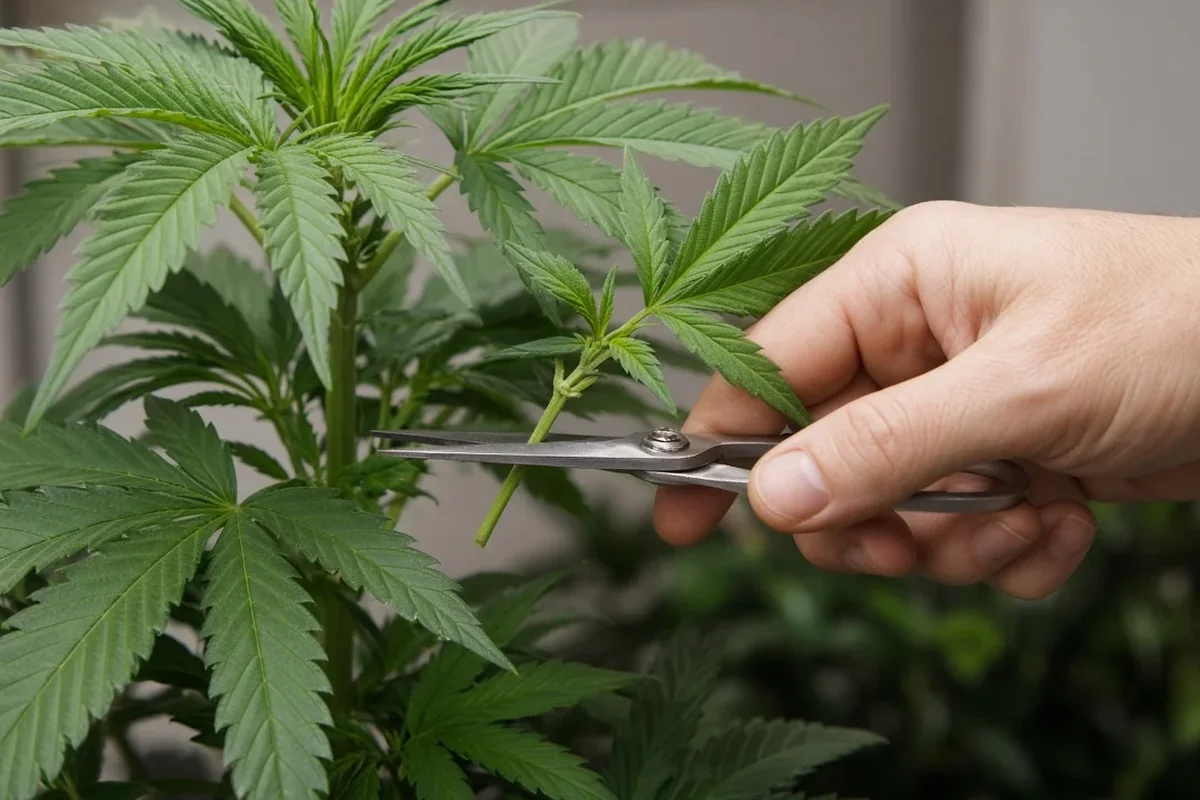
Clones are popular in commercial growing, where a farm keeps its own clean mother plants. For a home grower buying a clone from someone else, the picture is more complicated.
Why buying clones online is risky
Legal risk
A clone is a live cannabis plant. Even in states where home growing is legal, the rules usually focus on growing and possessing plants at home, not on mailing them. Sending or receiving live cannabis plants through the mail or across state lines can run afoul of state and federal law. Some states let licensed stores sell immature plants in person, which is very different from an anonymous online listing.
Before you buy any plant, check what your state allows. As a few examples:
- California lets adults 21 and older grow up to six living plants per residence (HSC 11362.1), and licensed retailers may sell immature plants under state rules.
- New York sets plant limits per adult and per household and regulates who may sell plants (OCM adult use information).
- Ohio sets limits in ORC 3796.04 and bars bringing cannabis into the state from elsewhere.
- Colorado sets home grow limits and requires an enclosed, locked space (Colorado home grow laws).
Pests hitch a ride
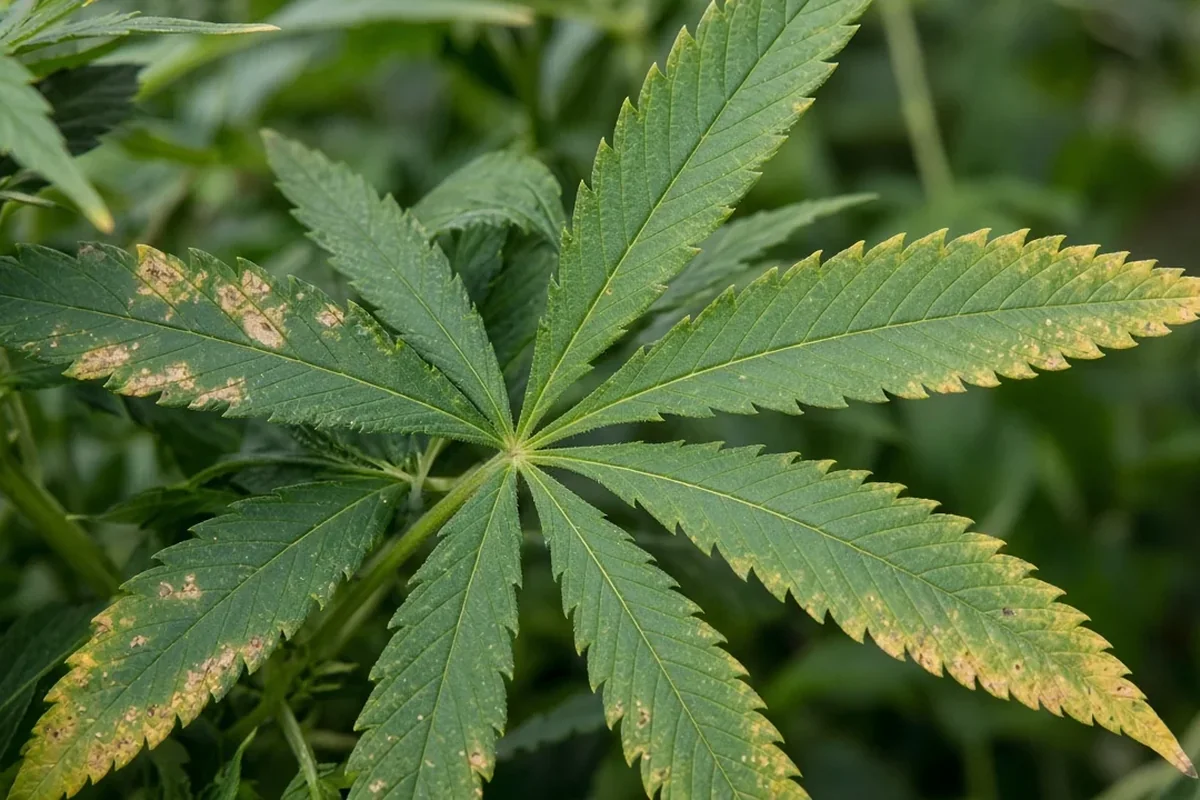
Clones can carry pests like spider mites, broad mites, russet mites, thrips or fungus gnats. Some of these are tiny and hard to spot until the infestation is well underway, and they can spread to everything else in your grow space.
Mold and mildew
Powdery mildew and other fungal problems can travel on clones. Spores may be present before any visible signs appear.
Plant diseases
Commercial growers have become very aware of plant pathogens such as hop latent viroid, which can spread through cuttings and tools and may weaken a plant’s vigor. Once a mother plant carries it, every clone from her can carry it too.
Unclear genetics
Online clone listings rarely come with clear information about where the mother came from. A popular strain name on a listing does not guarantee the genetics.
Shipping stress
Live cuttings dislike being boxed up. Heat, cold and darkness in transit can leave them weak, wilted or rotted on arrival.
Why seeds are the safer choice
Seeds start clean
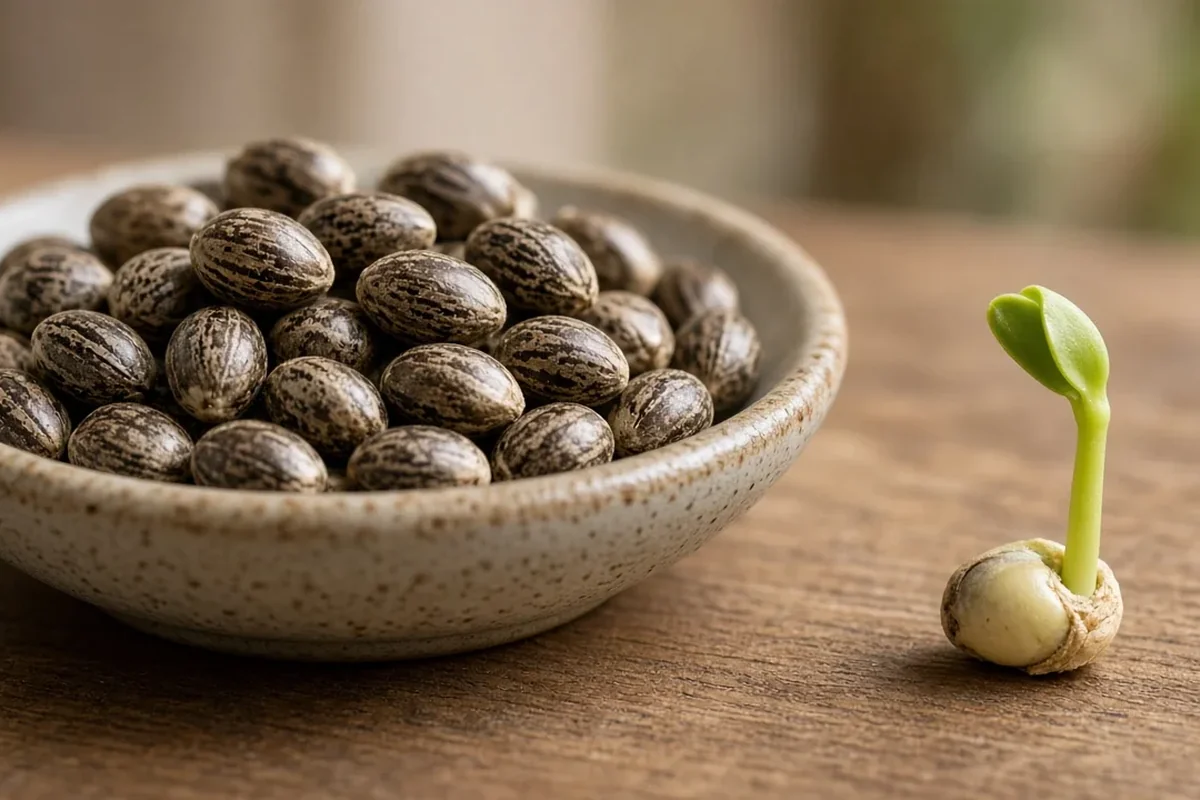
A seed starts as a fresh plant. Pests like mites and many surface problems on a mother plant do not come along with a properly stored seed the way they can on a cutting.
Seeds store and travel well
Seeds are small, sturdy and stable when kept cool, dark and dry. They can wait until your space is ready, unlike a clone that needs a home right away.
More genetic choice
A seed bank offers a far wider catalog than any local clone supply. You can pick autoflowers or photoperiods, compact or tall, fast or slow, and choose strains matched to your space and climate.
Feminized and autoflower options
Feminized seeds are bred to produce female plants, which removes much of the guesswork. Autoflower seeds flower on their own schedule, which suits short seasons and beginners.
A taproot
Plants grown from seed develop a taproot. Many growers like the strong, natural root structure that seed grown plants develop.
Your own mother plant
If you love a plant you grow from seed, you can keep a mother and take your own clones at home, where legal and within your plant limits. That way you control the cleanliness of your clones.
Clones vs seeds at a glance
| Factor | Clones bought online | Seeds |
|---|---|---|
| Legal risk in shipping | Higher, live plants | Rules are changing, check your state and federal law |
| Pest and mold risk | Can arrive with hitchhikers | Start clean |
| Genetic choice | Limited | Wide |
| Storage | Must plant right away | Store for later |
| Root system | No taproot | Taproot |
| Identical to a mother | Yes | Varies by line |
How to choose seeds for your first grow
- Easy starters: see our beginner seeds collection.
- Indoor tents: browse indoor seeds.
- Outdoor growers where legal: browse outdoor seeds.
- Fast results: autoflowers like Blue Dream Auto finish quickly.
- Classic photoperiod: Northern Lights is forgiving and compact.
If you still choose clones
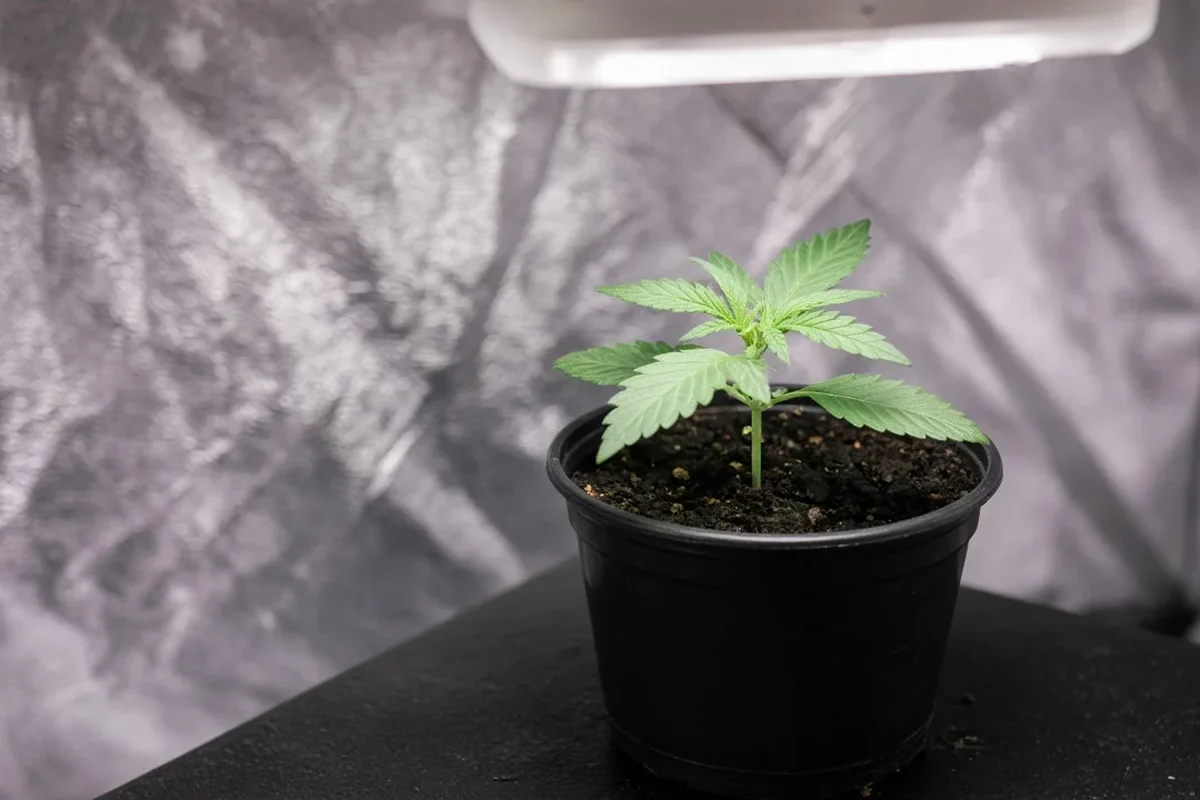
If clones are legal where you live and you want to try them, buy in person from a licensed source your state allows, inspect every leaf with a magnifier, isolate new plants away from your main grow for a while and never exceed your plant limit.
How to quarantine any new plant
Whatever the source, a short quarantine protects your grow. Keep new plants in a separate room or tent for at least a couple of weeks. Check the undersides of leaves every few days with a magnifier or jeweler’s loupe. Use separate tools and wash your hands between spaces. Only move a plant into your main grow once it looks clean and healthy.
Frequently asked questions
Is it legal to buy cannabis clones online?
It depends on where you live, and shipping live cannabis plants carries real legal risk under state and federal law. Check your state regulator’s rules before buying any plant.
Why do clones bring pests?
Clones are cut from living plants that may already carry mites, insects, mold spores or viroids. Those problems ride along on the cutting.
Are seeds better than clones for beginners?
For most home growers, yes. Seeds start clean, store well and offer a wider choice of genetics.
Can I make my own clones?
Yes, where home growing is legal. Take cuttings from a healthy plant you grew from seed and count every clone toward your plant limit.
Do clones grow faster than seeds?
A clone skips the seedling stage, so it can reach flowering a little sooner. Fast autoflower seeds narrow that gap.
Start clean with seeds
Online clone listings can bring pests, disease and legal headaches. Starting from quality seeds gives you a clean slate and a wide choice of genetics. When you are ready, explore the full catalog at Kind Seed Co.
Not legal advice. Check your state’s current rules and federal law before buying, shipping or growing. 21+ only.