Cannabis grams per watt explained
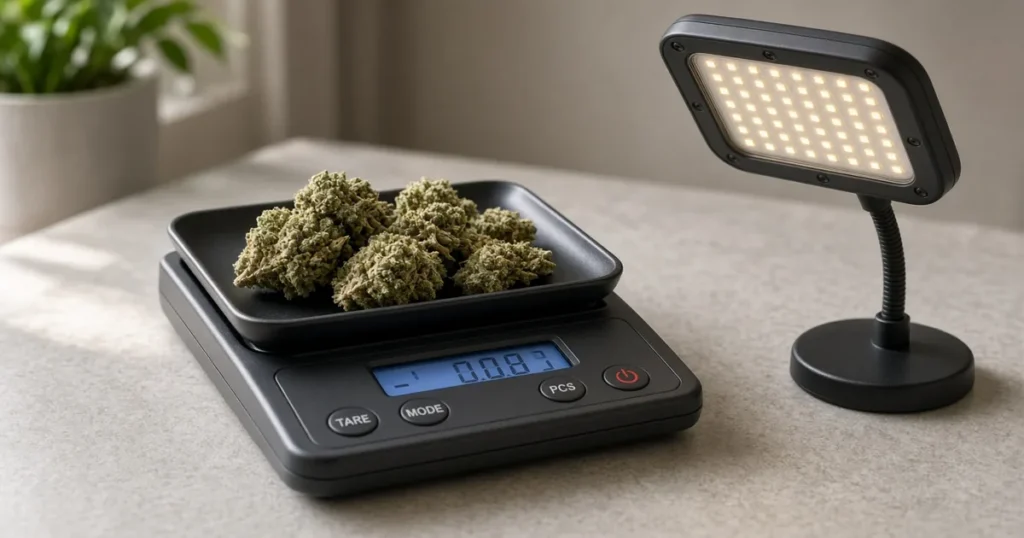
Grams per watt is a simple way to measure how efficiently your grow light turned electricity into dried cannabis. You divide the dry weight of your harvest in grams by the actual watts your light drew from the wall. If a light that drew 200 watts produced a harvest of 200 grams, that is 1 gram per watt. The number is useful for comparing your own grows over time, but it is not a perfect score. Strain, grow length, plant count, climate, training and your own skill all change the result, so use it as one tool among many. Better genetics help, so explore our high yield seeds collection. This guide is for adults 21 and older growing where home cultivation is legal.
The grams per watt formula
The formula is:
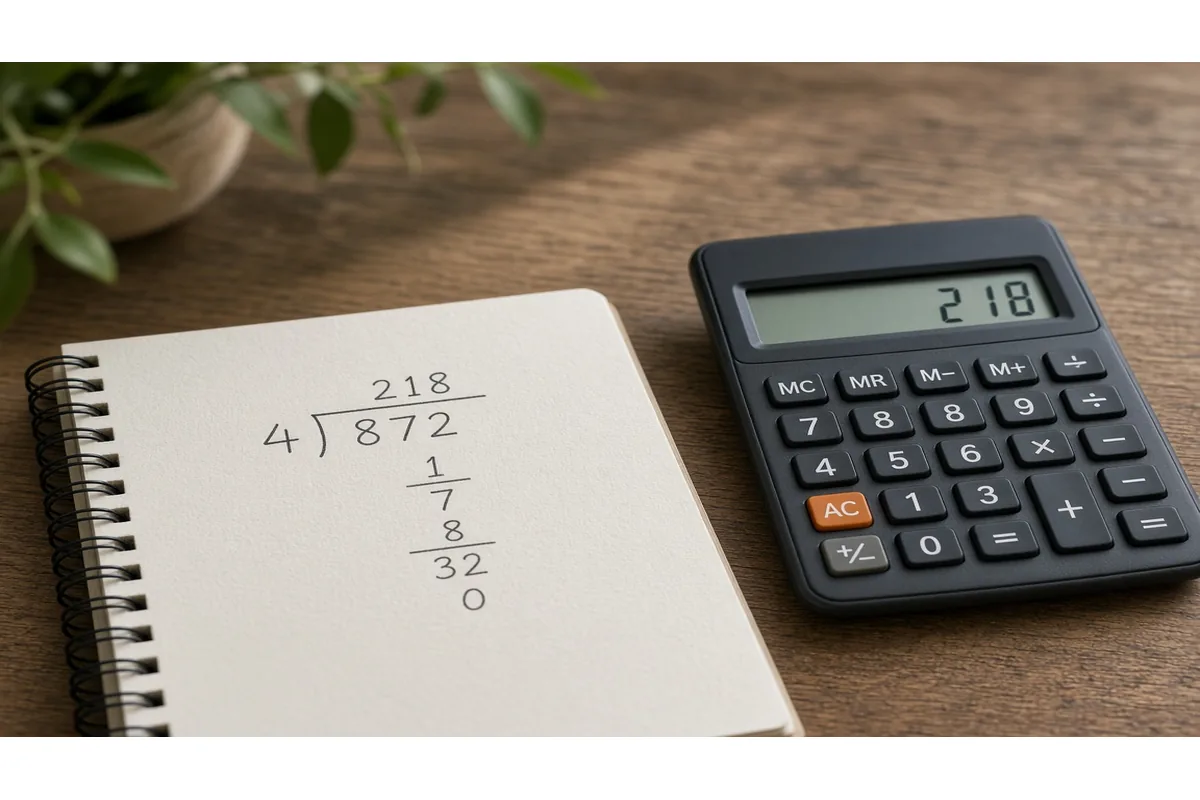
Grams per watt = dry harvest weight in grams ÷ actual light watts
Two details matter:
- Dry weight. Weigh only buds after drying and curing, not wet plants. See how long to dry cannabis.
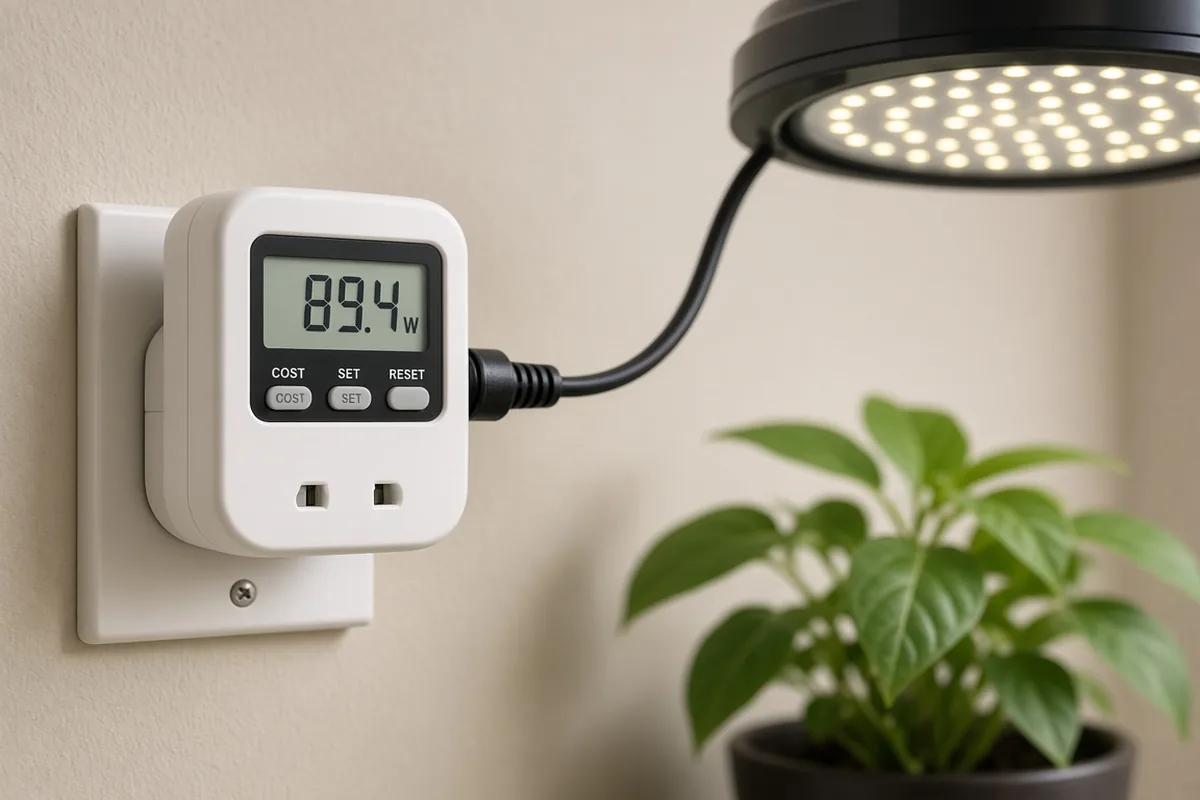
- Actual watts. Use the power the light really draws from the wall, not the old equivalent number some boxes print. A plug in power meter is the easiest way to check. If you run your light dimmed, use the dimmed draw.
A worked example
This example uses round numbers only to show the math. It is not a target or a typical result.
| Item | Example value |
|---|---|
| Light draw measured at the wall | 300 watts |
| Dry harvest weight | 240 grams |
| Grams per watt | 240 ÷ 300 = 0.8 |
If the same light ran dimmed at 200 watts in a different grow and produced 200 grams, that grow would be 1 gram per watt. Comparing your own grows like this can show whether a change helped.
Why grams per watt is popular
Growers like the metric because it is easy to calculate and it connects your harvest to your power use. It helps answer simple questions:
- Did my new training method make better use of the light?
- Is my tent overfilled or underfilled with plants?
- Did a different strain do better under the same light?
It also helps you think about running costs. Our guide on grow light electricity cost explains how to estimate the power bill.
The limits of the number
Grams per watt leaves out a lot:
- Time. A long grow can produce more weight under the same light, but it uses more electricity overall. The metric does not count days.
- Other equipment. Fans, dehumidifiers and heaters also use power and are not in the formula.
- Quality. Two harvests can weigh the same but differ in aroma, flavor and appearance.
- Light quality and placement. The same watts can perform differently depending on the fixture, distance and how evenly the light covers the canopy.
- Genetics. Some strains are bred for heavy yields and others for other traits.
Because of these limits, compare your own grows rather than chasing numbers you see online. Online claims are often hard to verify and use different methods.
A better picture with light intensity
Watts describe power use, not how much light reaches your plants. Light intensity and daily light integral, or DLI, describe what the plants actually receive. Learn more in understanding DLI for autoflowers and when to increase light intensity in flowering. Pairing grams per watt with notes on light intensity, distance and canopy coverage gives you a clearer view.
How to improve your grams per watt
These steps help plants use light more efficiently. They are general good practice, not a promise of a specific number.
- Fill the light footprint evenly. Bare floor under the light wastes light. Use enough plants, or train fewer plants to cover the area.
- Keep the canopy flat. Training with low stress training or a scrog net puts more bud sites at the same distance from the light.
- Set the right light distance and intensity. Too far wastes light. Too close can stress plants. Follow the fixture maker’s guidance.
- Use reflective walls. A grow tent’s reflective lining helps bounce light back to the plants.
- Get the climate right. Temperature, humidity and airflow affect how well plants use light. See our VPD chart for cannabis.
- Feed and water well. Healthy roots support strong growth.
- Choose productive genetics. Strains bred for yield can make better use of the same light.
Our guide on how to boost cannabis yields indoors covers more ideas.
Common mistakes when measuring
A few easy errors can make your number look better or worse than it really is:
- Weighing too early. Buds that are not fully dry still hold water, which adds weight that will disappear during curing.
- Counting trim or stems. Only count the usable dried flower unless you track trim as a separate number.
- Using box wattage. Many lights draw less than the number printed on the box, and some old labels use equivalent figures that do not match real power use.
- Ignoring dimming. If you ran the light at different settings during the grow, note the average or the main setting you used in flower.
- Mixing tents. If two lights shared a space, it is hard to split the harvest fairly between them.
Being consistent matters more than being perfect. Use the same method every grow and your comparisons will be meaningful.
Grams per watt for autoflowers
Autoflowers often run longer light schedules and finish faster. Comparing an autoflower grow and a photoperiod grow by grams per watt alone can mislead you, because the time and light hours differ. Track days, light hours and power used to get a fair comparison. See autoflower seeds 101.
Keeping good records
Write down the strain, number of plants, light model, actual watts, light hours, total days and dry weight for each grow. Over a few grows you will see what works in your space. A simple grow journal is enough.
Strains with strong yield potential
If you want heavier harvests under your light, start with genetics known for production:

- Critical Mass for big colas
- Big Bud for chunky buds
- White Widow for a reliable classic
- Northern Lights for compact, steady growth
Frequently asked questions
What is a good grams per watt?
There is no single good number. Results vary with strain, grow length, setup and skill. Compare your own grows and aim to improve over time rather than matching numbers online.
Should I use the light’s listed wattage or measured wattage?
Use the actual power draw, ideally measured at the wall with a plug in meter. Box numbers can be misleading, especially old equivalent wattage claims.
Does grams per watt include fans and other gear?
No. The standard formula only counts the grow light. You can track total power separately if you want a full picture.
Is grams per watt a measure of quality?
No. It only measures weight per watt. Aroma, flavor and appearance are separate.
Can I compare autoflowers and photoperiods with grams per watt?
You can, but note the different light hours and grow length. Tracking days and total power gives a fairer comparison.
Measure, learn, improve
Grams per watt is a handy, simple metric when you use real numbers and understand its limits. Weigh dry buds, measure your actual watts, keep notes and compare your own grows. For genetics bred to make the most of your light, see our high yield seeds or browse the full Kind Seed Co shop. Kind Seed Co sells only to adults 21 and older. Always follow the home grow laws where you live.