Connecticut cannabis home grow rules for 2027
Connecticut was a little late to home growing compared with its neighbors. Adults could buy from licensed stores starting in January 2023, but the right to grow at home for adult use did not arrive until July 1 2023. Since then the rules have stayed fairly steady, and they are among the more structured in New England. This guide covers what a Connecticut adult needs to know before starting a 2027 grow: the plant split, the household cap, where plants can live and what you can do with what you harvest. It is general information, not legal advice.
The law behind Connecticut home grow
Home cultivation in Connecticut comes from Public Act 21-1, the 2021 law often called RERACA, short for Responsible and Equitable Regulation of Adult Use Cannabis Act. The Department of Consumer Protection oversees the cannabis program, while the home grow rules themselves sit in the state statutes. If you ever need to confirm a detail, the statute and the DCP cannabis pages are the two places to look.
The 3 plus 3 rule
Connecticut does not just give you a single plant number. It splits it by stage.
| Who | Mature plants | Immature plants | Total |
|---|---|---|---|
| Each adult 21 or older | Up to 3 | Up to 3 | Up to 6 |
| Whole household, regardless of adults | Combined | Combined | Up to 12 |
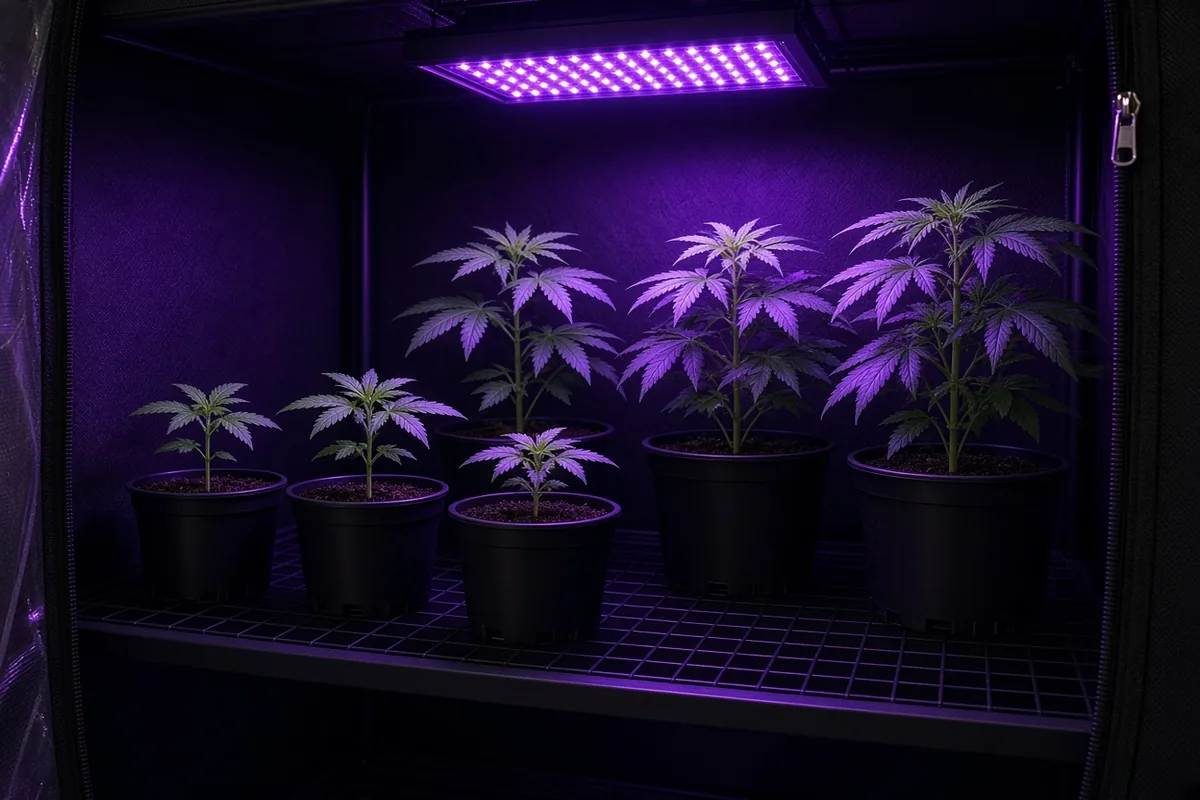
A mature plant is one that is flowering. An immature plant is still in veg or is a seedling or clone. In practice this lets a single adult run a simple perpetual setup: three plants flowering in one space while three younger plants wait their turn. When the flowering plants come down, the next three move up.
The 12 plant household cap is the line that trips people up. Three roommates might assume they can grow 18 plants between them. They cannot. Twelve is the ceiling for the dwelling.
Where your plants can be
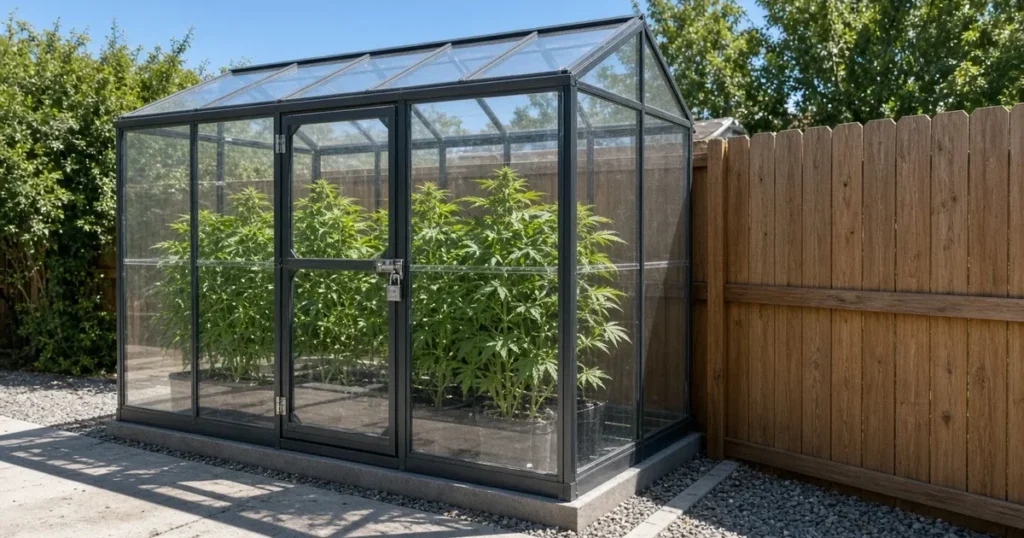
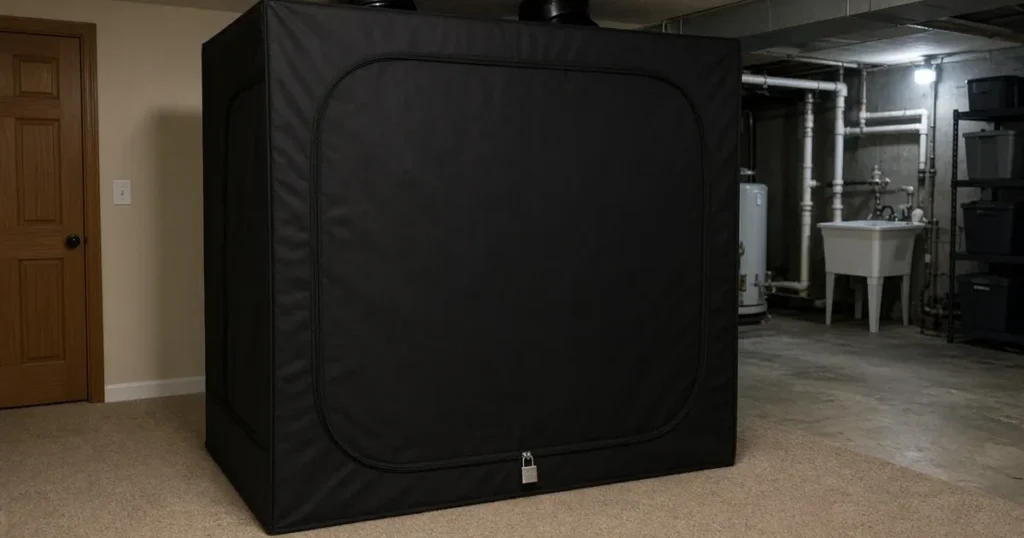
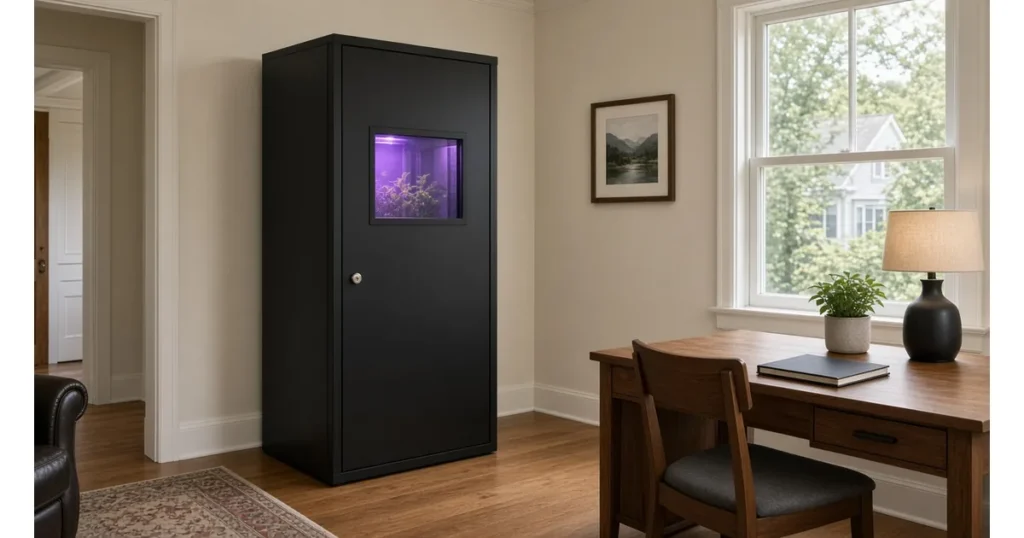
Connecticut is strict about location. Plants must be grown indoors, inside your home, in a space that is secure and locked. They must not be visible from a public place, and you should take reasonable steps to keep anyone under 21 from getting to them. A locked grow tent, a locked closet or a locked room all fit the idea. An open porch, backyard bed or greenhouse visible from the street does not.
That indoor only rule changes how Connecticut growers plan. You will be thinking about tents, lights and ventilation rather than outdoor frost dates, so our complete grow tent setup guide is more useful here than any planting calendar. If you also grow vegetables outside, keep cannabis completely separate from them.
How much you can keep
Connecticut separates what you carry from what you store.
- On your person: up to 1.5 ounces of cannabis flower or the equivalent.
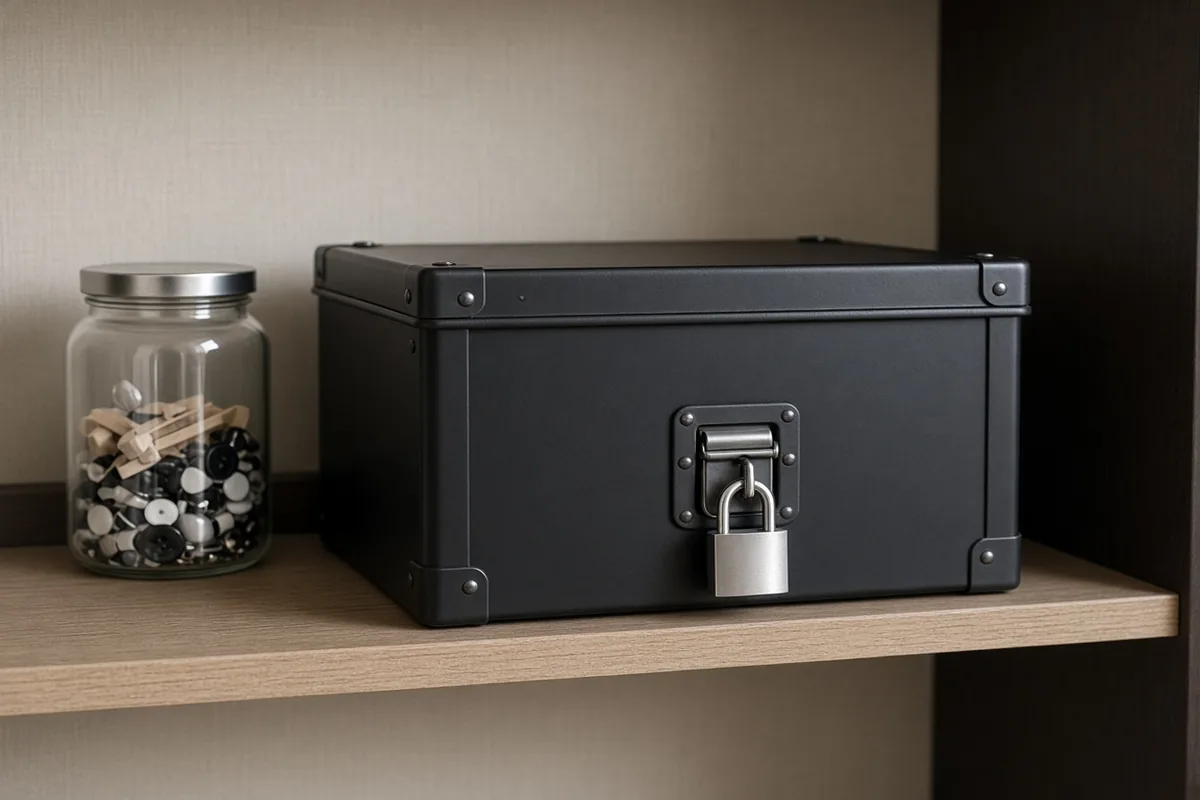
- At home or in your car: up to 5 ounces, as long as it is in a locked container at home or in a locked glove box or trunk in a vehicle.
Home growers should plan around the 5 ounce figure. A healthy indoor harvest from three plants can add up quickly, so think about your storage before you flip to flower. Check the exact current wording of the possession rules on publish date, because how home grow harvests count toward those limits is worth confirming with the statute.
What you cannot do with a home harvest
- No selling. You cannot sell anything you grow, and you cannot trade it for goods or services.
- Gifting has limits. Adults can share small amounts with other adults without payment, but not as part of any sale, bundle or paid event.
- No processing with solvents. Making extracts with volatile solvents at home is not allowed. If you want to make hash, stick to solventless methods.
Renters, condos and towns
Being legal under state law does not mean every landlord has to allow it. Landlords can ban growing in a lease, and condo or homeowner associations may have rules of their own. Towns in Connecticut can limit or block retail stores and public consumption, but the home grow limits come from the state. If you rent, read your lease before you buy a tent.
Medical patients
Registered patients in Connecticut’s medical program have their own home grow allowance, which came into effect before the adult use rules. The household cap still applies. If you are a patient, check the DCP medical marijuana program pages for current details.
Planning a Connecticut indoor grow
Because everything happens inside, small steps go a long way. Pick a space you can lock. Add a carbon filter so smell does not reach neighbors. Plan your three plus three rotation before you buy seeds so you never cross a stage limit. For the actual growing, start with our guide on how to germinate cannabis seeds and plan your harvest timing with our cannabis trichomes 101 guide.
Common mistakes Connecticut growers make
The most common error is counting plants per person when the household is already near 12. The second is leaving a tent unlocked in a shared house, which breaks the secure space rule even if no one under 21 lives there. The third is forgetting that clones and seedlings count as immature plants, so a tray of cuttings can push you over the limit fast. Keep a simple plant log with start dates and stage changes and you will avoid all three.
Grow legally and responsibly
Home cultivation is only legal in some states, and each state sets its own plant limits, locking rules and rules about whether plants can be visible from a public place. You must be 21 or older to buy seeds from Kind Seed Co, and you should grow only where your state and city allow it. Check your state rules in our guide to the legal requirements for growing weed plants in your state before you plant. Federal treatment of cannabis seeds is also changing, so read our December 11 2026 seed rule explainer before you order. Keep plants and harvested flower locked away from children, pets and visitors, and never drive after using cannabis. This article is general information. It is not legal advice and it is not medical advice.
Frequently asked questions
How many cannabis plants can I grow in Connecticut?
Each adult 21 or older can grow up to 3 mature and 3 immature plants, for 6 total, with a cap of 12 plants per household no matter how many adults live there.
Can I grow cannabis outside in Connecticut?
No. Adult use home grow must be indoors in a secure, locked space that is not visible from a public place.
When did home grow become legal in Connecticut?
Adult use home cultivation became legal on July 1 2023. Medical patients could grow earlier under the medical program.
Can I sell or trade my homegrown cannabis in Connecticut?
No. Selling or bartering home grow is not allowed. Small gifts between adults with nothing given in return are treated differently, so check the statute before sharing.
Final thoughts
Connecticut home grow rules come down to a few clear lines. Adults 21 and older can grow 3 mature and 3 immature plants, a household tops out at 12, and every plant has to live indoors behind a lock and out of public view. Keep stored harvests in a locked container, never sell what you grow and check your lease if you rent. Confirm the current statute before you plant, then set up an indoor space that fits the 3 plus 3 rhythm.
Ready to start
Browse the full range in the Kind Seed Co shop or go straight to marijuana seeds connecticut. Kind Seed Co sells only to adults 21 and older. Always follow the cannabis laws where you live.