Grow Light Diode Binning: What LED Bins Mean for Color and Output
The short answer
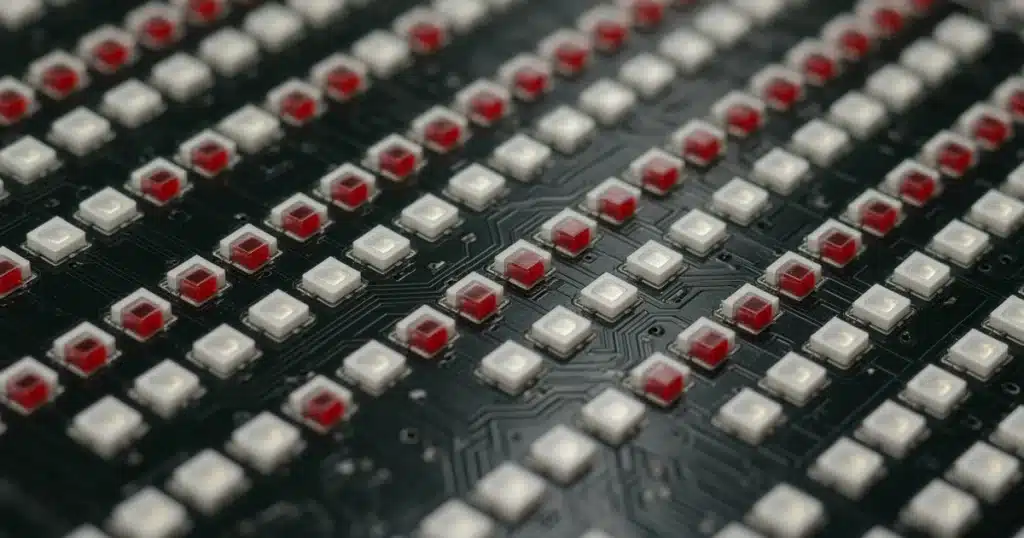
Grow light diode binning is how LED makers sort diodes after production. A US Department of Energy fact sheet says LEDs are often sorted, or binned, by chromaticity, lumen output and sometimes forward voltage, so buyers get a more consistent product. For a grow light, tighter bins point to more even color and output across a panel.

What is LED binning?
Every LED leaves the factory a little different. The US Department of Energy (DOE) fact sheet on LED color says phosphor converted LEDs are often sorted, or binned, after production to counter variability that is inherent in manufacturing. The sort is based on chromaticity, lumen output and sometimes forward voltage.
Chromaticity is the light’s color. DOE explains that two sources with the same color temperature can still look different, one slightly greenish and one slightly pinkish. It notes that a nominal color temperature alone does little to ensure that several products emit light that looks the same. Bins narrow that spread.
DOE adds that some makers hold themselves to tighter tolerances than the standard bins. Other methods, like binning before the phosphor is applied, may also be used.
Why does binning matter for grow lights?
Most grow lights mix diode types. Oklahoma State University Extension says LEDs make white light by mixing colors, which can include blue, green, red, ultraviolet and yellow, and that the mix can be tuned for plant responses. DOE notes that there is no industry wide binning standard for colored LEDs that make up a mixed system. So each maker sets its own sorting rules.
Binning affects how even a panel is on day one. That’s separate from how the light changes with age. DOE calls the second issue color stability, or color shift, and says that as a product ages, materials in the LED package can change. A DOE study of LED packages found shifts toward yellow, blue or green depending on package type.
Plants respond to photons, not how a light looks to us. University of Missouri Extension says the first step when shopping is to check for a spectrum graph covering the PAR range, and to look for photon units rather than lumens. For more on fixtures, see choose the right led lights for your cannabis grow and grow lights for cannabis.
How do you check binning before buying?
Spec sheets vary, so use these terms to read them.
| Term | Meaning | Why it matters |
|---|---|---|
| Chromaticity bin | Diodes grouped by light color | More even color across the panel |
| Flux bin | Diodes grouped by lumen output | More even brightness |
| Forward voltage bin | Diodes grouped by voltage | More consistent electrical behavior |
| Color shift | Change in color as the LED ages | Separate from binning, appears over time |
| PPF | Total photosynthetic light per second | Shows output in plant terms |
Sources: US Department of Energy, University of Missouri Extension.
University of Missouri Extension advises avoiding lights if the maker doesn’t provide a spectrum graph and PPF or PPFD data.
How to: step by step
- Read the spec sheet for diode brand and model.
- Look for color or flux bin details.
- Ask the maker how tightly diodes are binned.
- Compare spectrum charts across units.
- Check for a warranty on output.
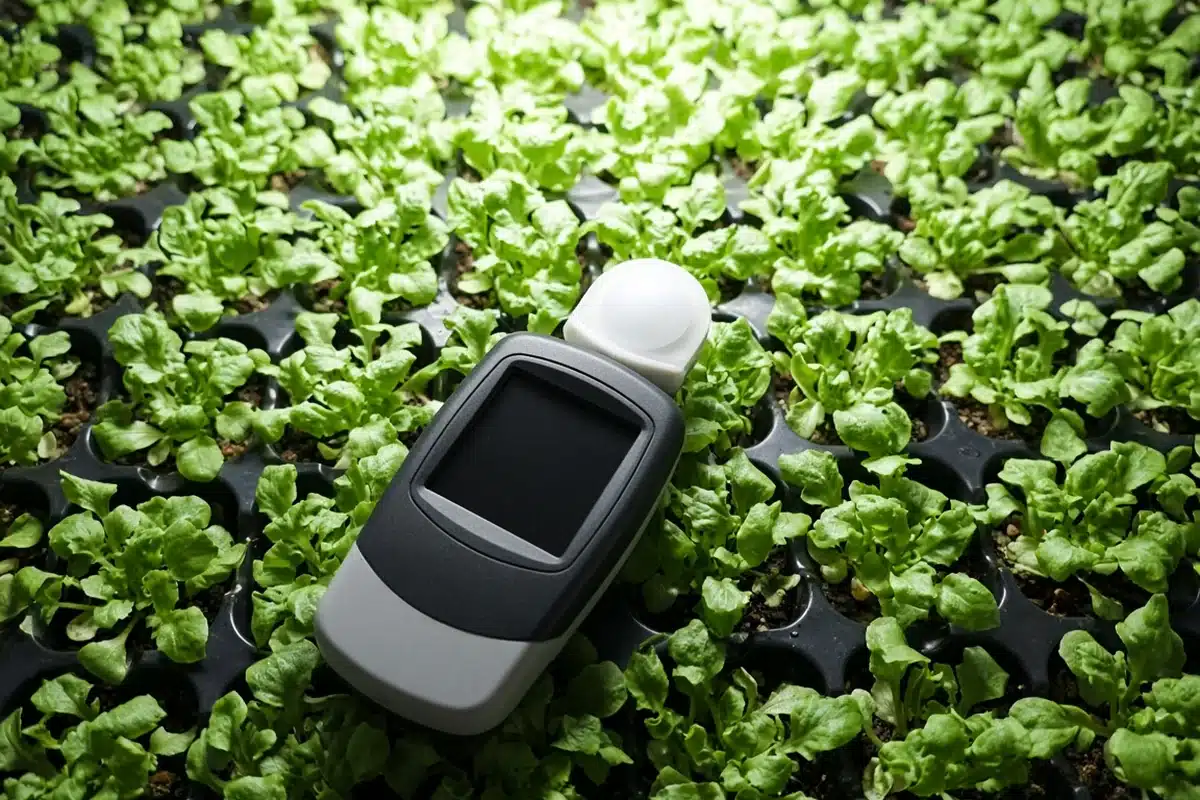
- Measure output at a few spots after setup.
University of Missouri Extension notes that PPFD is how much light reaches plants in an area at a set distance, so a few readings across the canopy show how even the panel is.
Troubleshooting
Uneven color across the panel: loose bins. DOE notes nominal color temperature alone does not ensure matching light. Ask the maker about bin tolerances.
Dim spots: mixed flux bins or failed diodes. Measure light at several spots and contact the maker.
Spec sheet gaps: no binning data. DOE notes there is no industry wide bin standard for colored LEDs in mixed systems. Ask before buying.
Color drift after months of use: that is color shift, not binning. See when to replace grow lights.
Even light from the start
Binning is a quiet sign of how carefully a grow light was built. Tight bins, a clear spectrum chart and photon based output figures say more than wattage alone. The Kind Seed Co blog covers grow lights in depth, and if you also grow from seed, browse our cannabis seeds range.
Sources
- LED color characteristics, US Department of Energy
- New study examines lumen and chromaticity maintenance of LED packages, based on LM 80 data, US Department of Energy
- LED basics, US Department of Energy
- Controlled environment agriculture: understanding grow lights (G6987), University of Missouri Extension
- LED grow lights for plant production, Oklahoma State University Extension
FAQ
Do all LED grow lights list bins?
No. The US Department of Energy notes there is no industry wide binning standard for colored LEDs that make up a mixed LED system, and most grow lights mix diode colors. Some makers list bin codes and some do not, so ask the maker if the spec sheet is silent.
Is tight binning worth paying for?
It can be. The US Department of Energy says binning lets makers and buyers receive a more consistent product, and that some makers hold tighter tolerances. University of Missouri Extension also advises avoiding lights that come without a spectrum graph and PPF or PPFD data.
Does binning affect lifespan?
Not directly. The US Department of Energy handles color consistency, which binning targets, as separate from color stability over time. Oklahoma State University Extension notes high temperatures shorten LED lifespan and reduce efficiency.
Can binning explain color shifts?
Only at the start. Binning sorts diodes so a new panel looks even. The US Department of Energy says color shift is a separate issue, where materials in the LED package change as the product ages. A DOE study found shifts toward yellow, blue or green depending on package type.
What units should I compare on a grow light?
University of Missouri Extension says to check for a spectrum graph covering the PAR range and to look for PPF and PPFD information. It advises avoiding lights listing lumens, lux, candelas and Kelvin color temperature when choosing a grow light for plants.