Guerrilla cannabis growing risks and why you should skip it
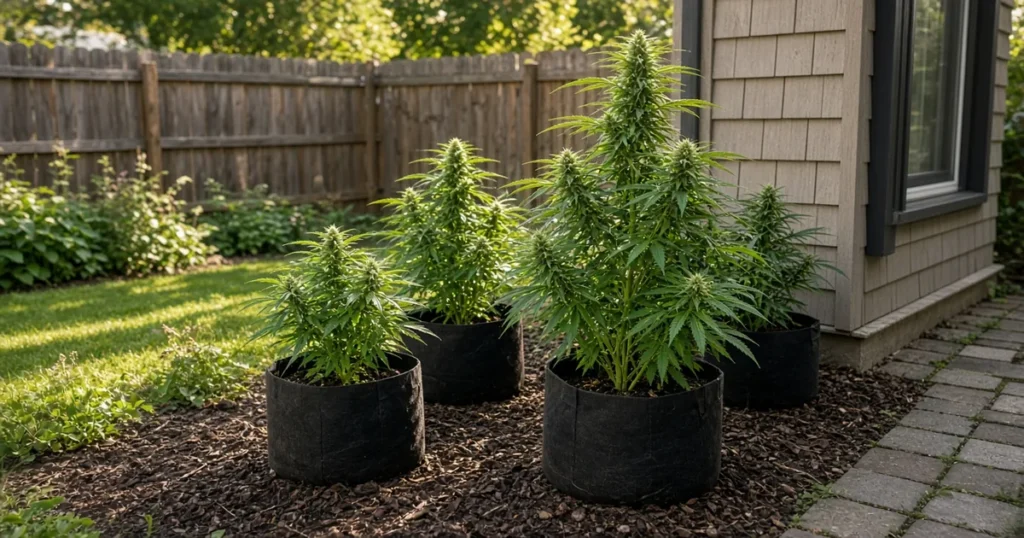
Guerrilla cannabis growing means planting cannabis on land you do not own or have permission to use, such as public forests, parks or someone else’s property. It is illegal almost everywhere in the US, even in states where home growing is legal, and it carries real risks: criminal charges, federal penalties on federal land, theft, harm to wildlife and water, and the loss of your whole crop. Kind Seed Co does not support guerrilla growing. This post explains why you should skip it and points you to legal ways to grow outdoors at home instead. If you live where home growing is allowed, our outdoor seeds collection is a much better place to start. This guide is for adults 21 and older.
This article is general information, not legal advice. Laws change, so check your state and local rules before you grow.
What guerrilla growing is
The term comes from the idea of planting in hidden spots away from home. People have tried it in national forests, state parks, vacant lots, farm edges and private woods. The common thread is that the grower has no legal right to use the land. That single fact is what makes it a problem, no matter how small the plot is.
Why it is illegal, even in legal states
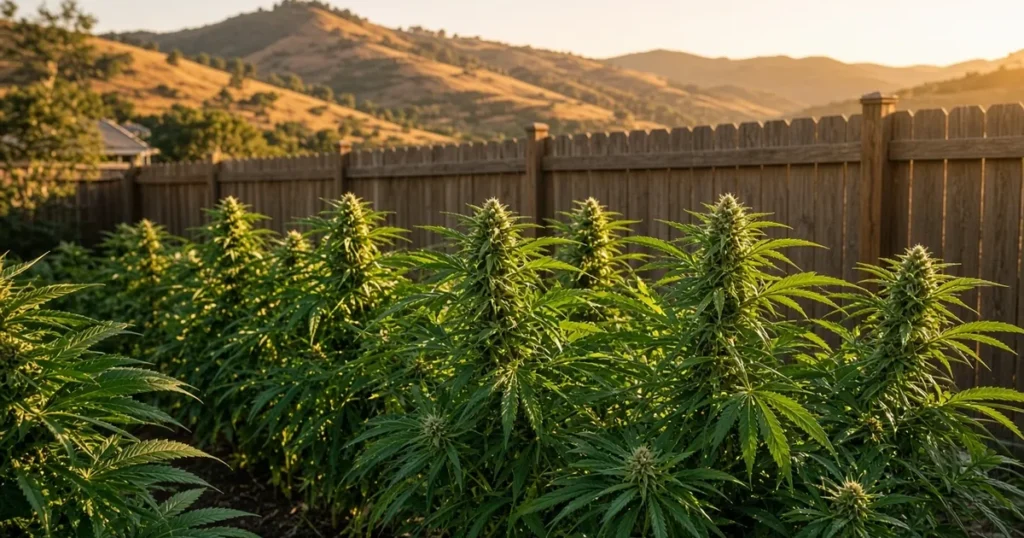
States that allow home cultivation set clear limits. Most require plants to be grown at your own residence or on property where you have the owner’s permission. Many also require plants to be enclosed, locked or out of public view, and cap the number of plants per person or per household. A plot on public land or a stranger’s property meets none of these rules. That means a grow that would be legal in your backyard can be a crime a few miles away. Our guide to legal requirements for growing weed plants in your state explains the typical rules.
| Where plants are grown | Typical legal status in home grow states |
|---|---|
| Your own home or yard, within plant limits | Usually legal if you follow state rules |
| Rented home with landlord permission | Often legal, check your lease and state law |
| Someone else’s land without permission | Illegal, plus trespass |
| State or city parks and public land | Illegal |
| National forests and other federal land | Illegal under federal law, even in legal states |
Federal land is a serious risk
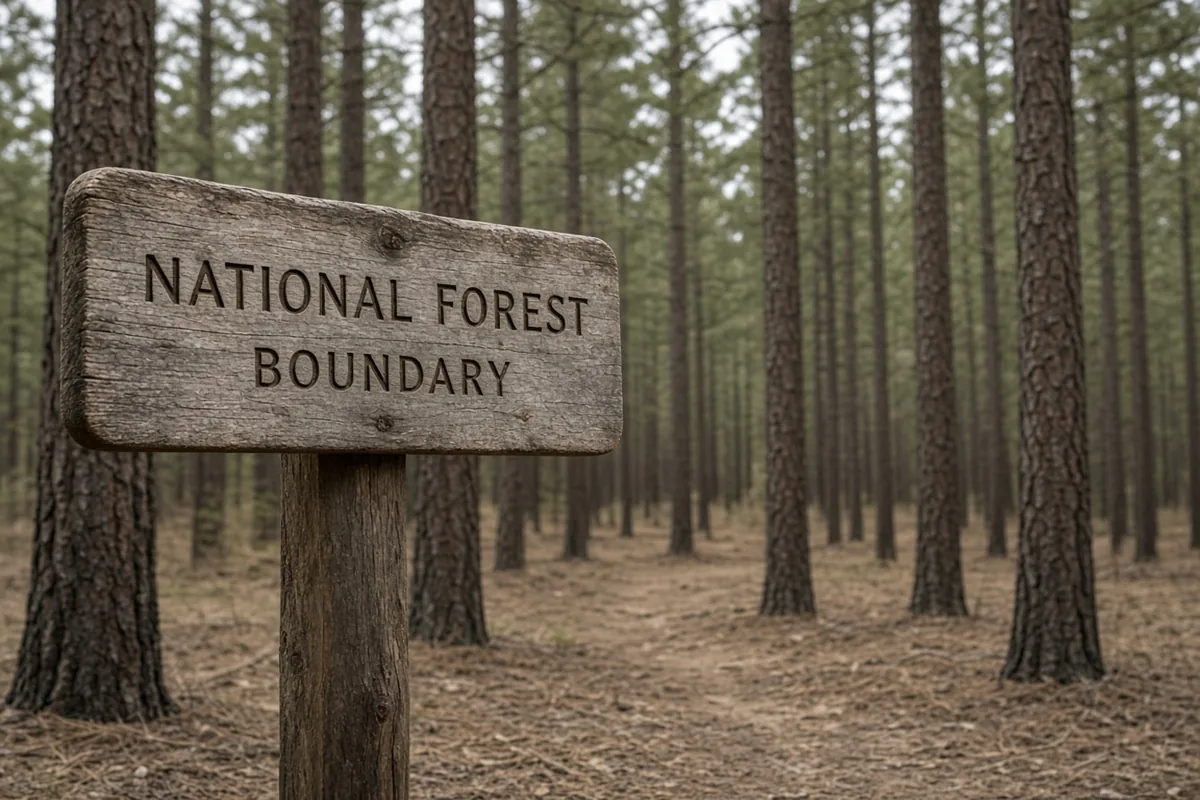
Cannabis is still a controlled substance under federal law. Growing it is a federal offense under 21 USC 841, and that law adds extra penalties for cultivating on federal property. Federal land agencies patrol for illegal grows and remove them. A state’s adult use law does not protect anyone growing on a national forest or other federal land. If you are unsure whether land is federal, state or private, that alone is a reason not to plant there.
Trespass and property damage
Planting on private land without permission is trespass. Clearing brush, digging, bringing in soil or running water lines can add property damage or other charges. Landowners can also face trouble when a grow is found on their land, which is unfair to them and can lead to conflict.
Harm to wildlife, water and land
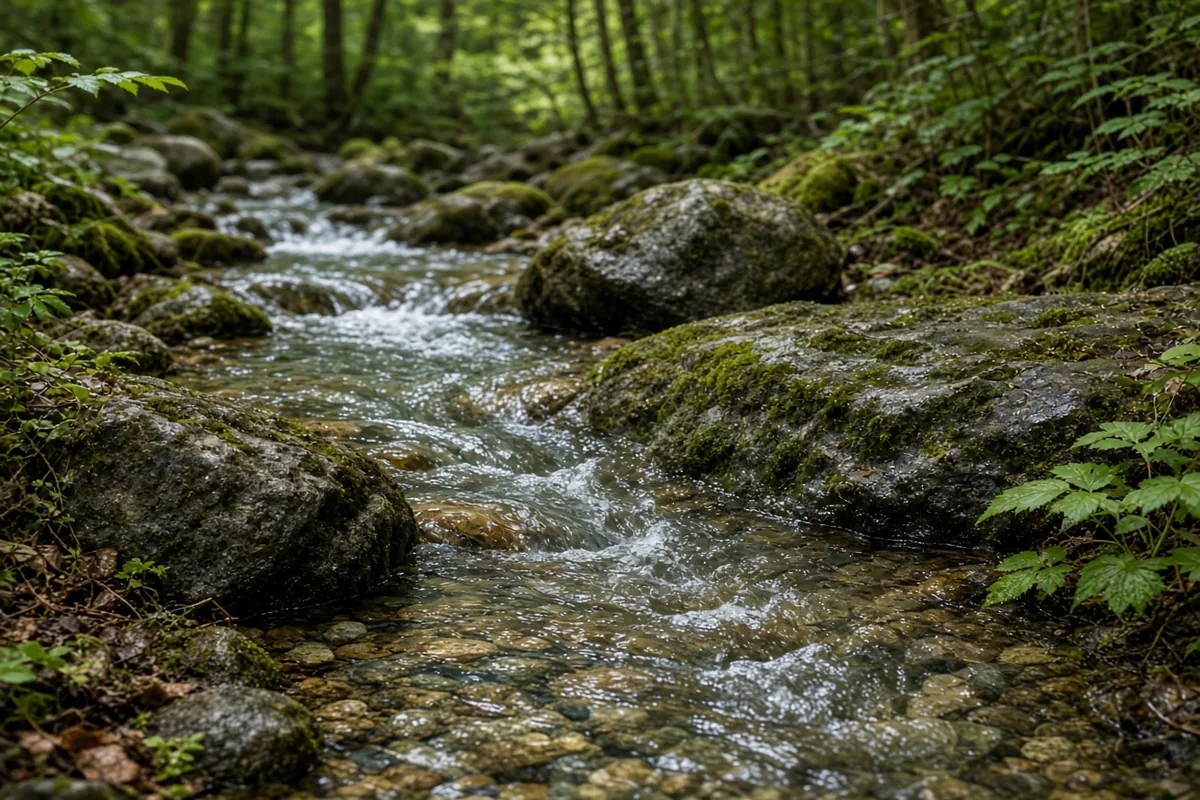
Land agencies and researchers have reported serious damage from illegal grows on public land, especially large scale trespass grows. Problems they describe include banned or misused pesticides that poison wildlife and pets, rodenticides that move up the food chain, water diverted from streams that fish and animals depend on, fertilizer runoff, cleared native plants, and piles of trash and plastic left behind. Even a small plot can disturb habitat and leave chemicals in the soil. Wild places belong to everyone, and keeping them clean is part of being a responsible grower.
Personal safety risks
Remote areas come with their own dangers. People have run into wild animals, steep ground, extreme heat, wildfire danger and poor cell coverage. Some public land areas have also seen large criminal grow operations, and stumbling into one can be dangerous. A crop left in the open is also easy for others to steal, which can lead to conflict.
Practical reasons it rarely pays off
Beyond the legal and safety risks, guerrilla grows often fail. Plants are exposed to deer, rodents, insects, drought and storms without daily care. Crops get found and removed by land managers or taken by thieves. Growers lose seeds, time and money with nothing to show for it. A small legal grow at home, with daily attention, almost always produces better results.
Common myths
Myth: a few plants on public land is harmless. Any cultivation on land you have no right to use is illegal, and even small plots disturb habitat.
Myth: if no one owns the land, it is fair game. Almost all land in the US is owned by someone, whether a private owner, a city, a state or the federal government.
Myth: state legalization covers it. State home grow laws protect growing at your residence within limits. They do not cover public land or other people’s property, and they do not override federal law on federal land.
Myth: it saves money. Lost crops, wasted seeds and legal costs usually make it far more expensive than a small legal grow at home.
Legal ways to grow outdoors instead
If your state allows home cultivation, you have better options:
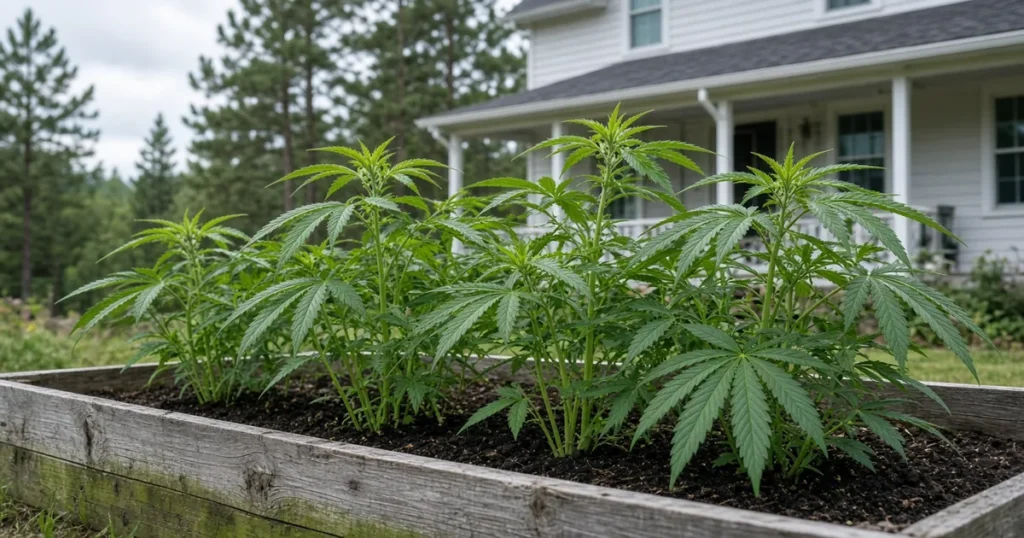
- Your own yard: plant within your state’s limits and any enclosure or visibility rules. Read when to plant cannabis seeds outdoors.
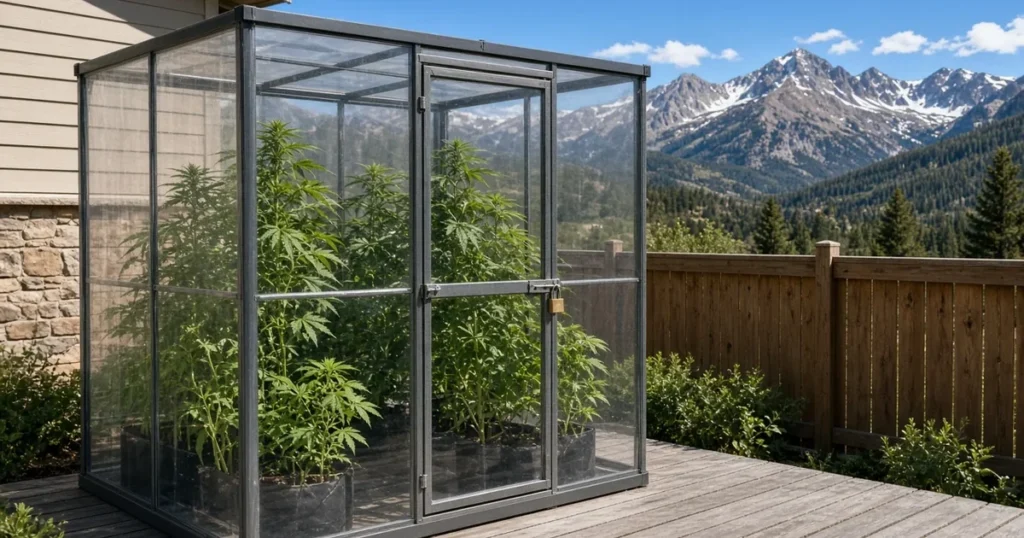
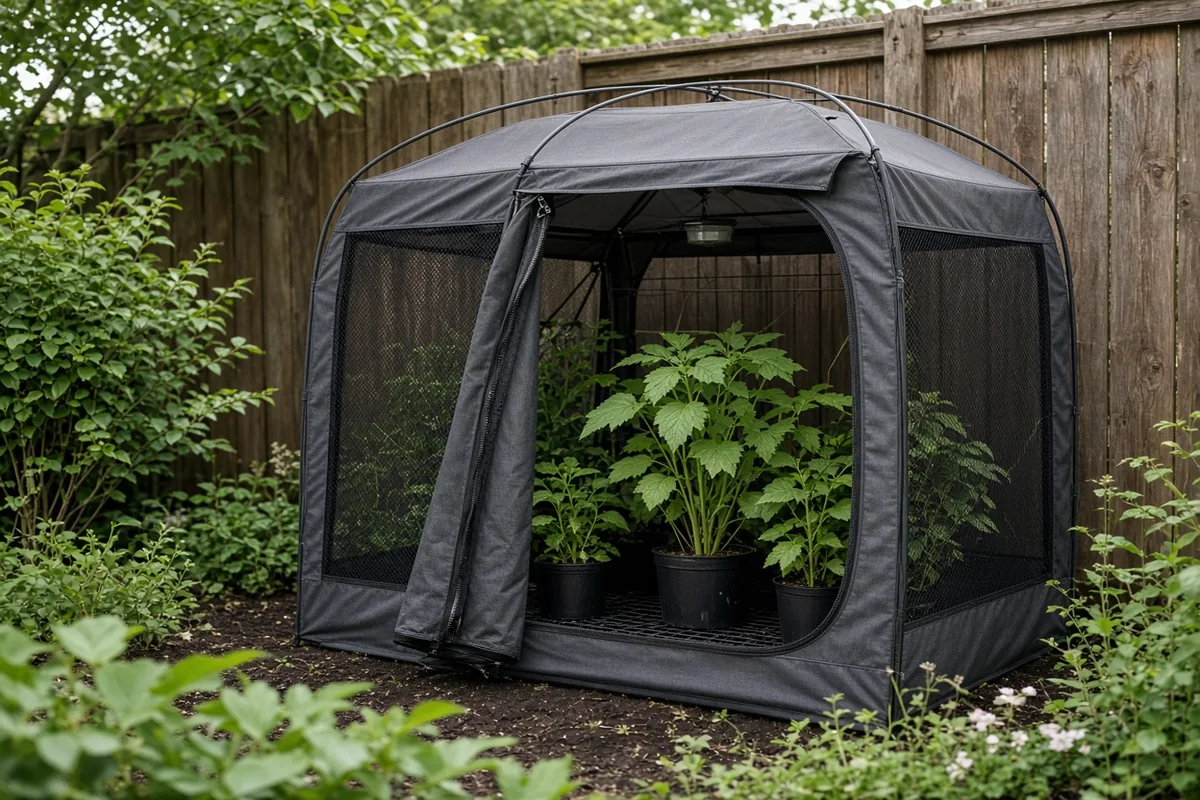
- A greenhouse tent or hoop house: protects plants from weather and can help meet enclosure rules. See growing cannabis in a greenhouse vs growing indoors and where to put a greenhouse.
- Containers on a private patio or balcony: where your state, lease and building rules allow.
- An indoor tent: if you have no outdoor space, a small tent gives you full control. See our cannabis grow tent setup guide.
If you rent, get written permission from your landlord. If your state does not allow home growing, the legal answer is to wait for the law to change.
Picking strains for a legal backyard grow
A legal home grow lets you pick genetics that suit your climate and space. Some Kind Seed Co options:
- Early Skunk Fast for an early finishing outdoor plant
- Northern Lights Auto for a compact plant that suits a patio or small yard
- Matanuska Tundra Fast for shorter seasons
- White Widow Auto for a quick, forgiving autoflower
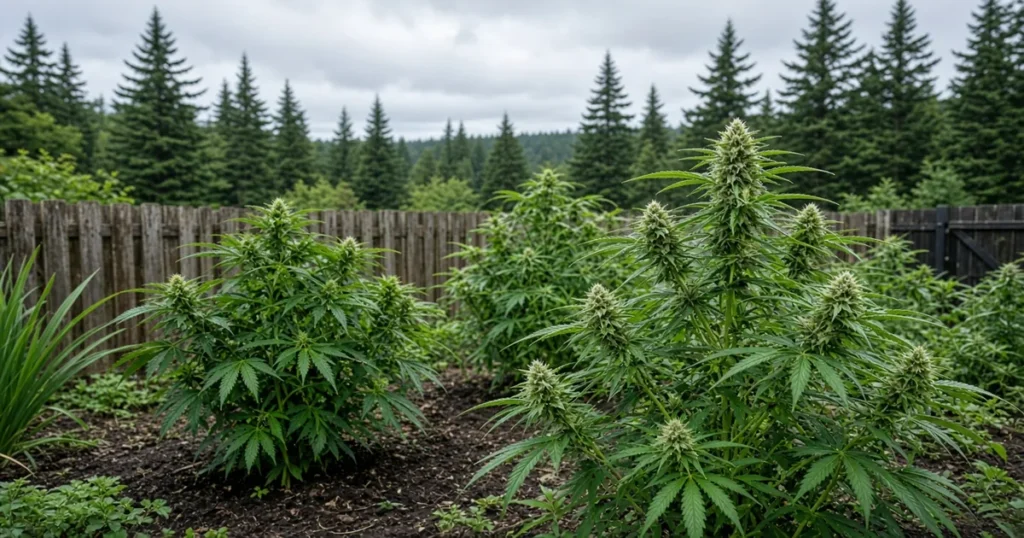
For wet regions, see mold resistant cannabis strains.
Frequently asked questions
Is guerrilla growing legal in states where weed is legal?
No. Legal home grow states allow growing at your residence or with the owner’s permission, within plant limits. Growing on public land or someone else’s property is still illegal.
What happens if someone grows cannabis on federal land?
Growing cannabis is a federal crime, and federal law adds extra penalties for cultivating on federal property. State legalization does not change that.
Why is guerrilla growing bad for the environment?
Illegal grows on public land have been linked to pesticide poisoning of wildlife, water taken from streams, fertilizer runoff, cleared native plants and trash left behind.
Can I grow on a friend’s land?
Only if your state law allows it and the owner gives clear permission. Some states limit home grows to your own residence. Check your state rules first.
What is a legal alternative to guerrilla growing?
Grow at home within your state’s limits, in your yard, a greenhouse tent, a private patio or an indoor tent. If home growing is not legal where you live, wait for the law to change.
Skip the risk and grow legally
Guerrilla growing puts your freedom, your safety and wild places at risk, and it rarely ends in a good harvest. A legal home grow is safer, kinder to the land and far more rewarding. If home cultivation is allowed where you live, browse our outdoor seeds or the full Kind Seed Co shop. Kind Seed Co sells only to adults 21 and older. Always follow the home grow laws where you live.