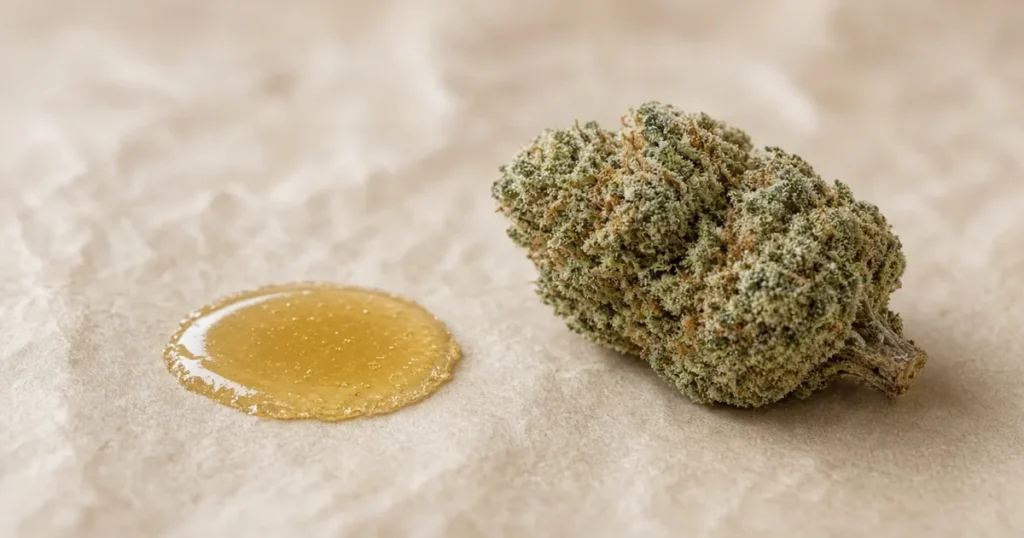
Best strains for hash
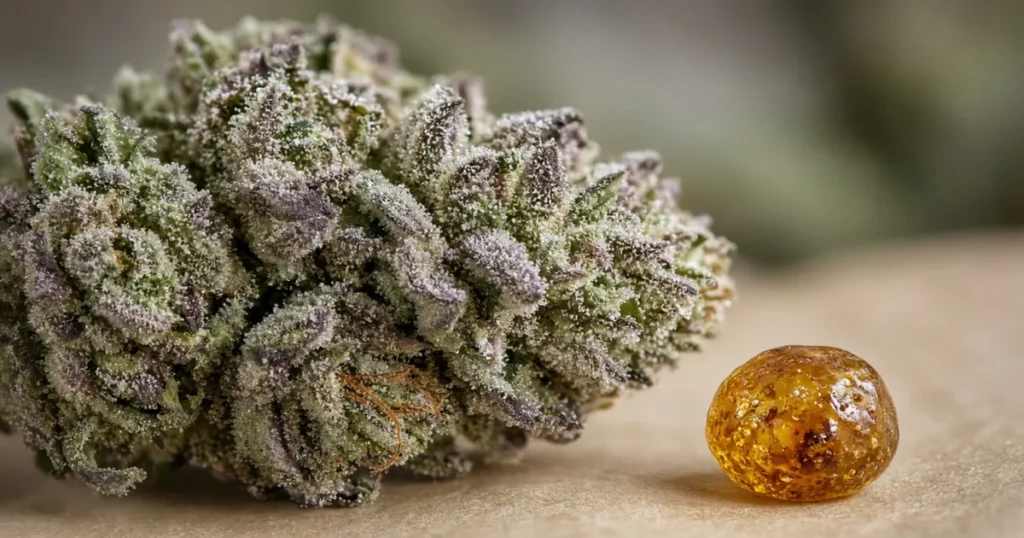
The best strains for hash are plants with lots of large, well formed trichome heads that break away cleanly from the plant. Growers and breeders often point to classic Afghan and Kush lines, along with resin heavy hybrids such as White Widow, GG4 and Critical Mass, as good starting points for solventless hash. In this guide we stick to solventless methods only, such as dry sift, ice water hash and simple pressed hash, which use only cold, water, heat or pressure. Results depend a lot on phenotype, grow conditions and harvest timing, so treat any strain list as a starting point. Browse resin focused genetics in our 710 seeds collection. This guide is for adults 21 and older.
Home extraction rules vary by state. Some states allow solventless hash at home, while others limit or ban home extraction of any kind. Check your state law before you make hash. This article is general information, not legal advice.
What makes a strain good for hash
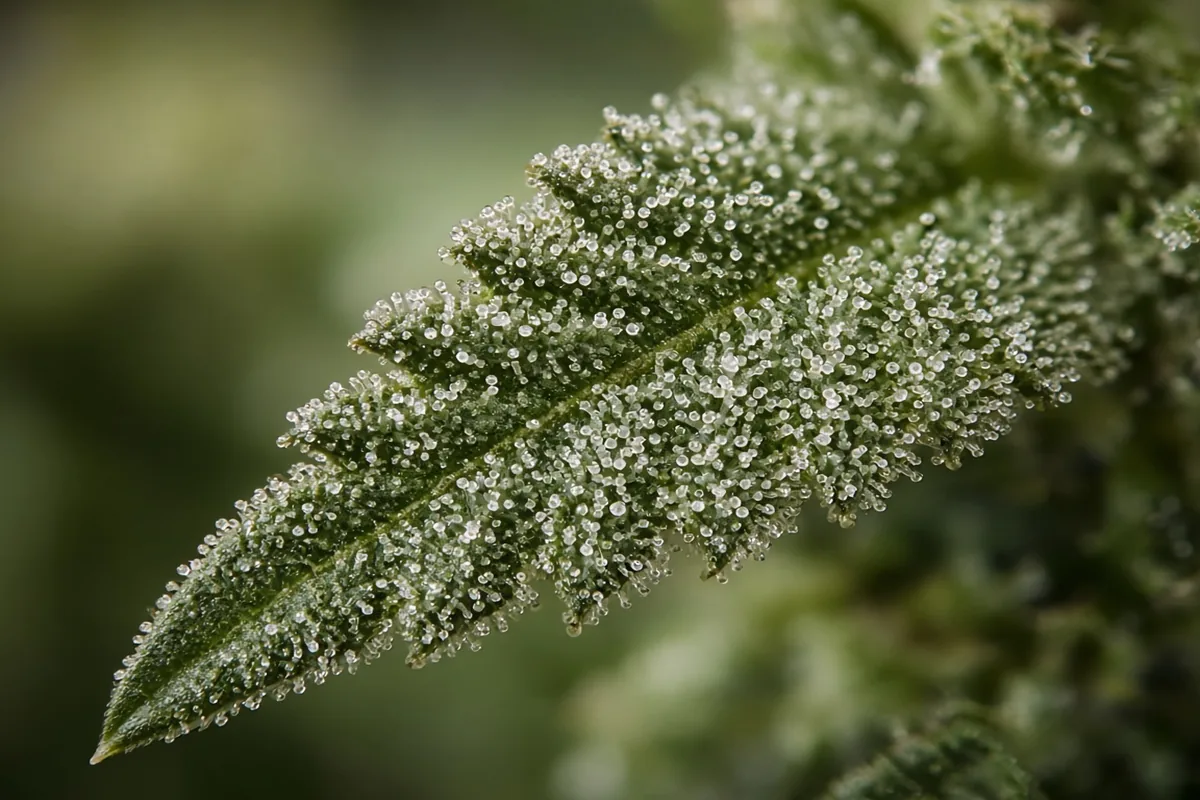
Hash is made from trichomes, the tiny resin glands that cover cannabis flowers and sugar leaves. A strain that is good for hash has:
- Lots of trichomes: a thick frost on buds and sugar leaves
- Large heads: bigger trichome heads collect more easily
- Clean breakaway: heads that snap off the stalk when cold or agitated, which hashmakers call washability
- Good structure: firm, resinous buds rather than loose, leafy ones
Not every frosty plant makes great hash. Some plants look covered in resin but the heads are small or stay stuck to the stalk. That is why hashmakers often test several plants of the same strain and keep the best one. Learn more in cannabis trichomes 101.
Solventless hash at a glance
| Method | Basic idea | What it is known for |
|---|---|---|
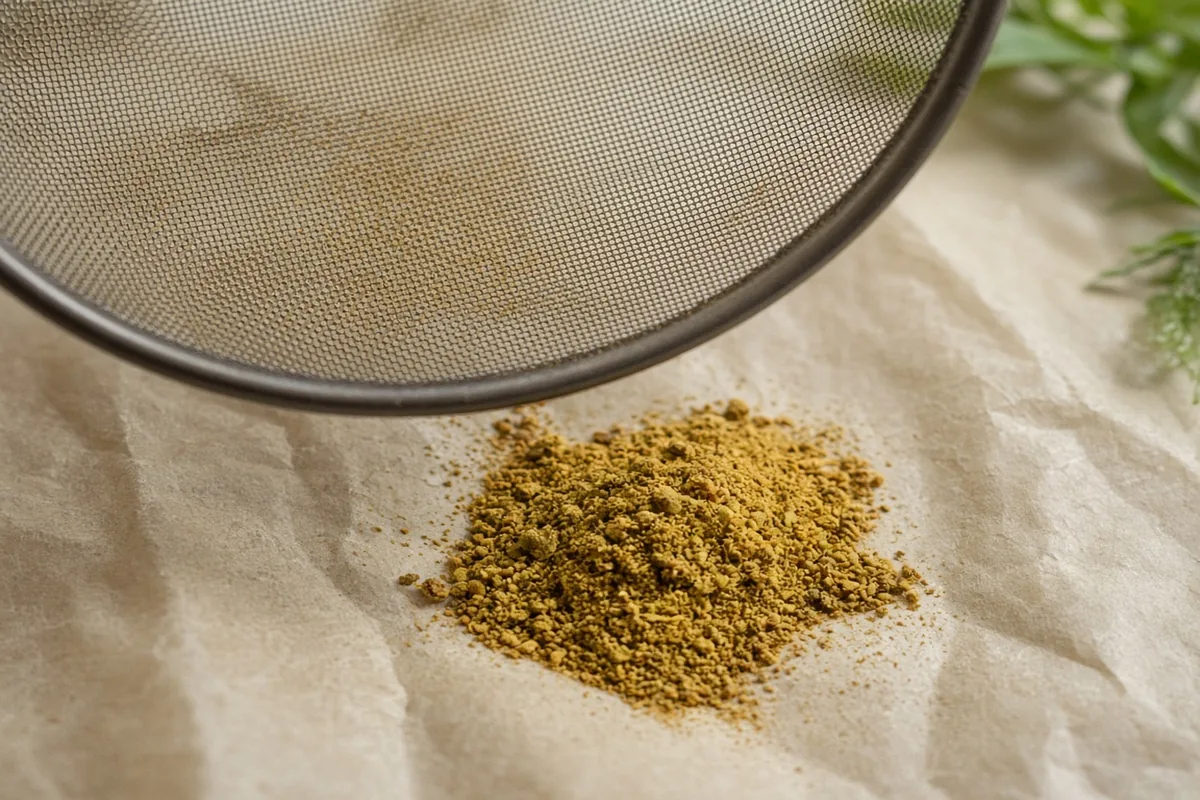
| Dry sift | Trichomes are separated from dry flower or trim through fine screens | Simple, low tech, gives kief |
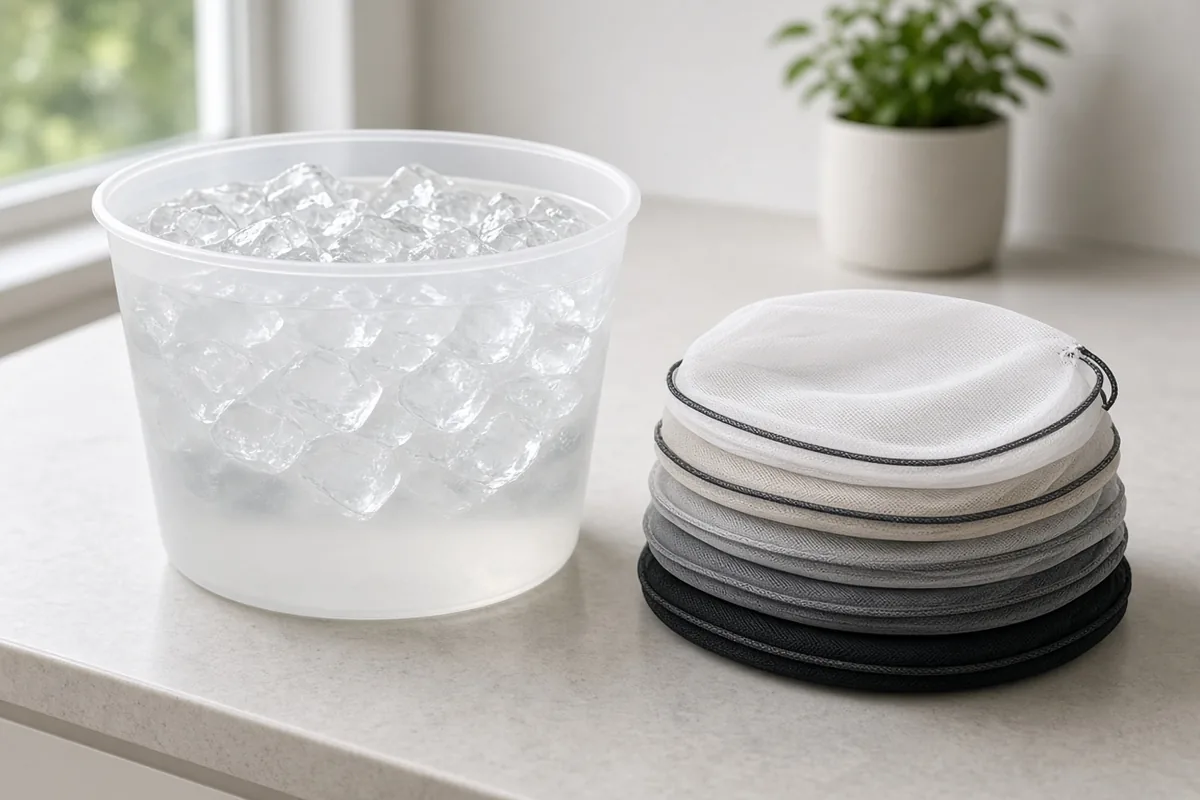
| Ice water hash | Cold water and ice make trichomes brittle so they break off and are collected in mesh bags | Clean, high quality hash |
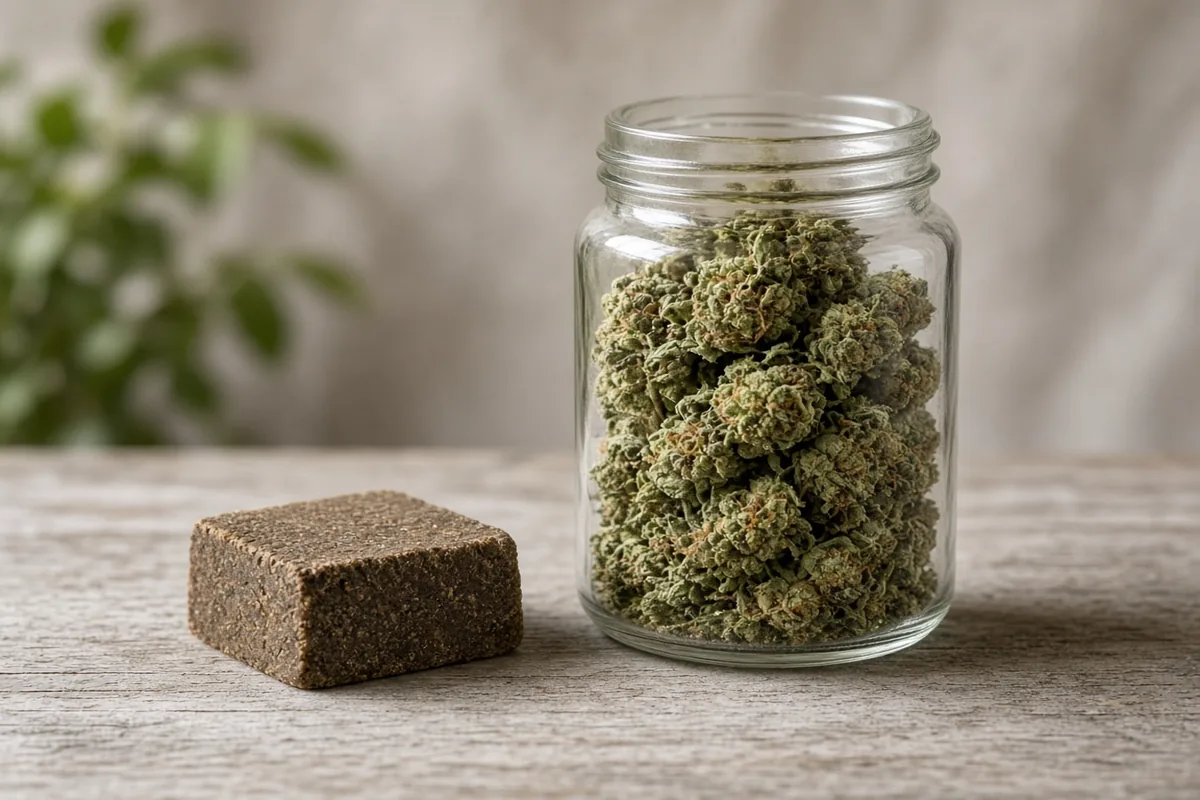
| Pressed hash | Kief or ice water hash is pressed with gentle heat into a solid piece | Traditional blocks and coins |
These methods use no chemicals. They rely on cold, water, heat and pressure. Our guide to making cannabis kief covers dry sift basics.
Best strains for hash
Here are Kind Seed Co strains that growers and breeders often describe as resin heavy and well suited to solventless hash. Every plant is different, so results vary.
Afghan and Kush lines
Old Afghan and Hindu Kush landrace lines were traditionally used for hash in their home regions. They tend to be compact, broad leaf plants with dense, resinous buds.
- Afghan Kush for a classic hash plant heritage
- Hindu Kush for a compact, frosty landrace style plant
- Master Kush for a dense, resinous Kush that suits indoor tents
Resin heavy hybrids
- White Widow is famous for its white frost of trichomes
- GG4 Auto is known for sticky, resinous buds in an autoflower
- Critical Mass produces heavy colas with a lot of material to work with
- Northern Lights is a resinous, easy indica leaning classic
Autoflower options
If you want speed, these autos are popular with home growers who like to make kief or small batches of hash:
Growing for better resin
Genetics set the ceiling, but your grow decides how close you get to it. Focus on:
- Healthy plants: steady feeding, good light and a stable climate. See boost trichome production before harvesting.
- Gentle handling: trichomes are fragile. Avoid touching buds more than needed in late flower.
- Clean flowers: keep pests and mold away. Dusty or moldy material makes poor hash.
- Good timing: many hashmakers harvest when most trichome heads are cloudy. Read is your marijuana ready for harvest.
- Careful drying: slow, cool drying keeps trichomes intact. See how long to dry cannabis.
Fresh frozen or dried material
Ice water hash can be made from dried and cured flower or from plants frozen right after harvest, often called fresh frozen. Many hashmakers say fresh frozen material keeps more of the aroma, while dried material is easier to store and handle. Dry sift needs well dried material. Pick the approach that fits your setup and your state’s rules.
Trim, larf and sugar leaves
Hash is a great way to use the parts of the plant you would not smoke. Small lower buds, often called larf, and resin covered sugar leaves can all be used. Large fan leaves have few trichomes and add little. Keep your trim clean, dry and stored cold until you use it.
Finding a keeper plant
Hashmakers often grow several seeds of the same strain and compare them. Each plant, or phenotype, can differ in trichome size, aroma and how well the heads break away. A simple way to compare plants is to look at the buds under a jeweler’s loupe or a small microscope late in flower. Look for plants with dense, large, bulbous heads on short stalks. Keep notes on each plant’s aroma, structure and how easy it was to grow. If your state allows clones, you can take cuttings from your favorite plant before you flip it to flower and keep it as a mother. See how to make cannabis clones.
Indoor or outdoor plants for hash
Both work. Indoor plants are easier to keep clean, which matters because dust, pollen, insects and mold all end up in your hash. Outdoor plants can be large and resinous, but they need extra care to stay clean in late flower, especially after rain or wind. If you grow outdoors, harvest on a dry day and check buds closely for mold before you use them. Our guide to bud rot in cannabis explains what to look for.
Common mistakes
The most common mistake is using poor quality material and expecting great hash. Hash concentrates whatever you start with, good or bad, so clean, well grown flowers matter most. Another mistake is overhandling buds before harvest, which knocks off trichomes. A third is drying too fast in a hot room, which can make trichomes brittle and dull the aroma. A fourth is storing trim warm and damp, which invites mold. Fix these and your results will improve no matter which strain you grow.
Learn the culture
The number 710 spells OIL upside down, and it has become shorthand for concentrates. Read what does 710 mean in cannabis culture for the backstory.
Frequently asked questions
What is the best strain for hash?
There is no single best strain. Afghan and Kush lines and resin heavy hybrids like White Widow, GG4 and Critical Mass are common choices. The best plant for you is one that grows well in your setup and washes well when tested.
What does washability mean?
It describes how easily trichome heads break off the plant during ice water hash making. A strain can look frosty but still wash poorly if the heads are small or stay attached.
Can I make hash from autoflowers?
Yes. Resinous autoflowers can make good kief and hash. Results depend on the plant and your grow.
Is solventless hash legal to make at home?
It depends on your state. Some states allow it within personal limits, while others restrict home extraction. Check your state law before you start.
Do I need special equipment for solventless hash?
Dry sift needs fine screens. Ice water hash uses mesh bags, ice and cold water. Pressed hash needs gentle heat and pressure. Start simple and learn as you go.
Grow your own hash plants
Great hash starts with great genetics and a careful grow. Pick a resinous strain, grow it clean, harvest at the right time and handle it gently. Browse our 710 seeds or the full Kind Seed Co shop. Kind Seed Co sells only to adults 21 and older. Always follow the home grow laws where you live. Home extraction rules vary by state, so check yours first.