How cannabis cups are judged
Cannabis cups award trophies to the best flower, concentrates and other products in a competition. A win can make a strain famous and help a breeder’s seeds sell for years. But how does a cup actually decide what is best? Methods vary from event to event, and they have changed a lot as legal markets have grown. Here is how judging generally works.
Types of judging
| Method | Who judges | Strengths | Weaknesses |
|---|---|---|---|
| Expert panel | Experienced growers, writers and industry figures | Deep knowledge | Small group, possible bias |
| People’s choice | Ticket holders or public voters | Broad input | Popularity and marketing can sway results |
| Blind judging | Judges see only a number | Reduces brand bias | Harder to organize |
| Lab assisted | Panel plus lab results | Adds objective data | Lab numbers can dominate |
Most modern cups blend these methods. A cup might send blind sample kits to a panel of judges, add lab test results and include a people’s choice award.
Blind samples
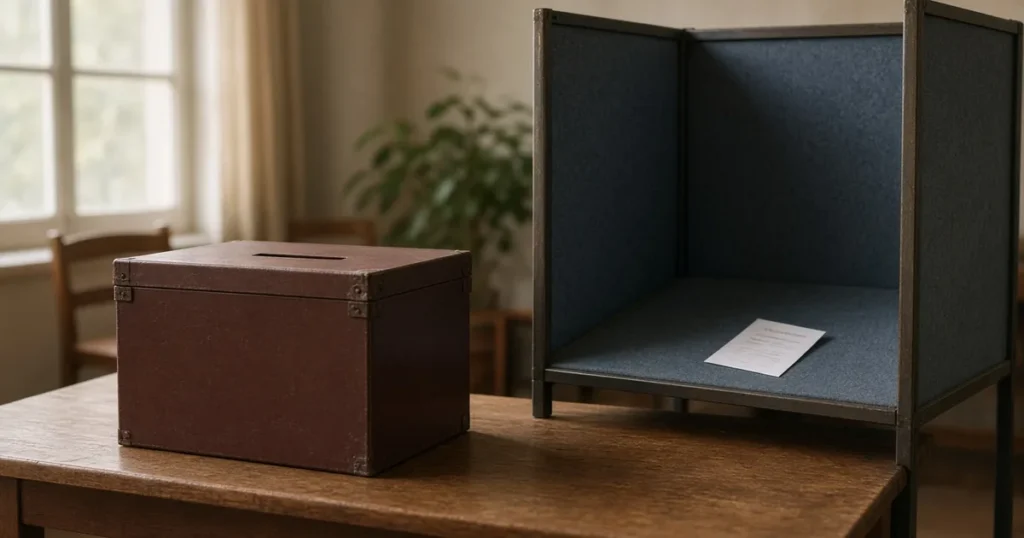
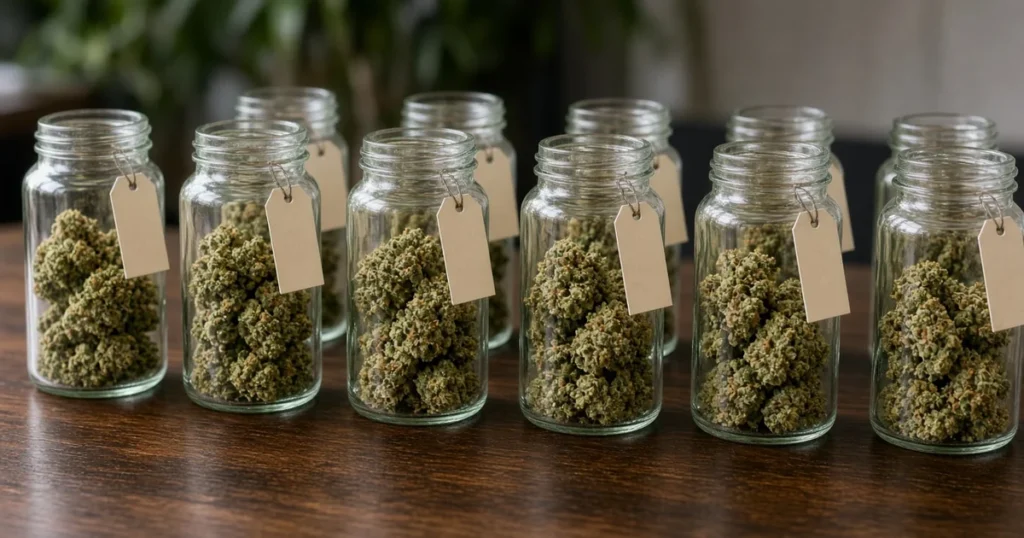
The fairest cups use blind judging. Entrants submit samples, which organizers repackage into plain containers marked only with a number. Judges never see the brand or strain name. This reduces the chance that a famous name or flashy packaging influences scores.
The scorecard
Judges usually score several categories, often on a point scale. Common categories include:
Appearance
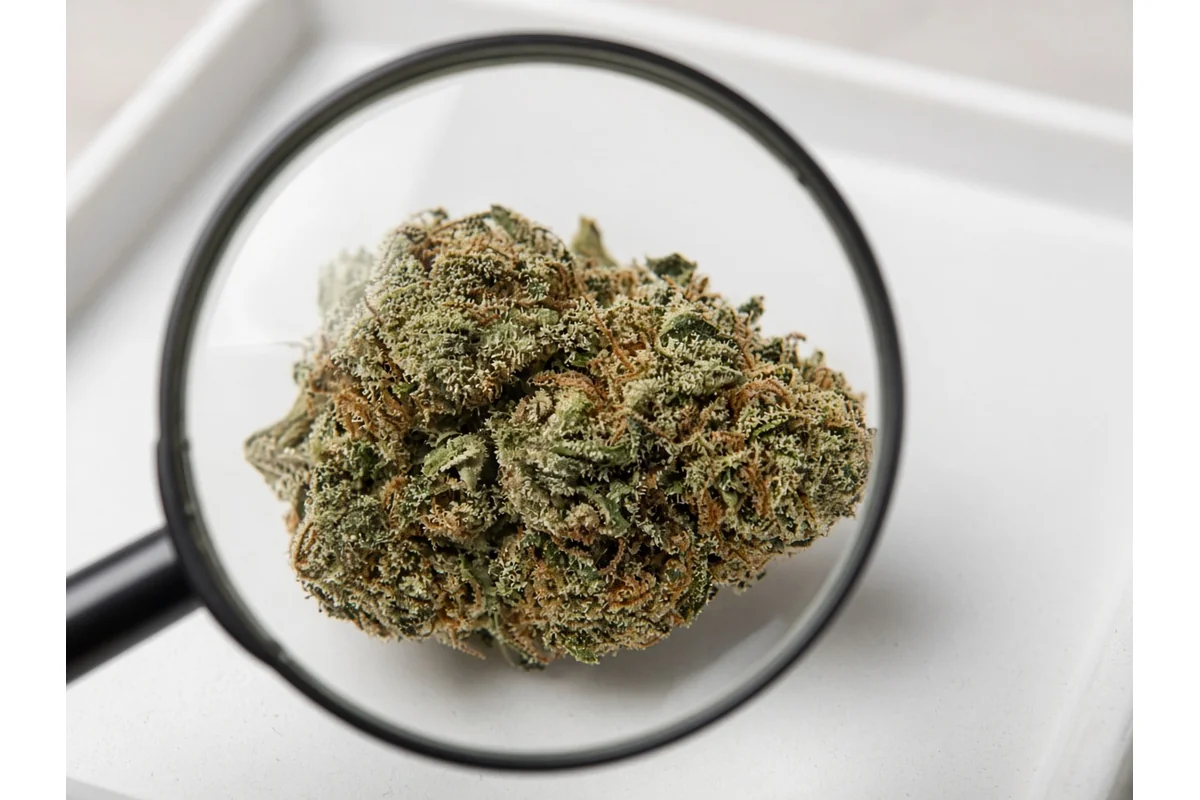
Judges look at bud structure, color, trim quality and trichome coverage. A magnifier or loupe helps them inspect the trichomes closely. Our guide on cannabis trichomes 101 explains what those tiny resin glands look like.
Aroma
Aroma is scored before and after breaking a bud. Judges note how strong, complex and pleasant the smell is, and whether it matches the strain’s style.
Flavor
Where tasting is legal and part of the event, judges assess flavor and how it holds up. Many cups ask judges to rate it separately from aroma.
Smoothness and burn
Some cups score how evenly a sample burns and the color of the ash. These scores are partly linked to how well the flower was dried and cured.
Overall impression
A final category captures the judge’s overall view of quality.
The role of lab testing
In legal markets, samples typically must pass state required lab tests for contaminants before they can be entered. Some cups also publish cannabinoid and terpene data. Lab data adds useful context, but many judges and growers warn against letting high numbers decide results. A sample with an impressive lab report can still have poor aroma or a harsh smoke if it was dried badly.
Why drying and curing matter so much
Many competitive growers say the cure is where cups are won. A well grown plant that was dried too fast will lose points on aroma, flavor and smoothness. That is why serious entrants pay close attention to slow drying and careful curing. See our guides on cannabis drying temperature and humidity guide and tips for curing and storing cannabis flowers.
Categories in a cup
Cups often divide entries so similar products compete together. Common categories include indica leaning flower, sativa leaning flower, hybrid flower, solventless concentrates, edibles and home grown or amateur flower. Category names and rules differ from event to event.

How judges are chosen
Expert judges are often growers, breeders, writers or longtime industry figures. Some cups sell judge kits to the public, letting regular consumers take part. In regulated markets, judges must be 21 or older and follow state rules for receiving samples.
Common criticisms
Pay to enter
Entry fees can be high, which may keep smaller growers out.
Popularity contests
People’s choice awards can reward brands with strong marketing or large followings.
Conflicts of interest
When judges know entrants personally or work in the industry, bias can creep in. Blind judging and clear rules help reduce it.
Inconsistent scoring
Judges have different tastes. Larger panels and averaging help smooth out individual preferences.
What a win means
A cup win is a sign that a sample impressed a group of judges at one event. It does not guarantee that every seed or every harvest of that strain will perform the same way. Growing conditions, phenotypes and skill all matter. Seeds marketed as award winning come from genetics that have done well in competition, which can be a helpful starting point.
History in brief
The earliest well known cups started in Amsterdam in the late 1980s, when cannabis was tolerated in coffee shops. In the United States, cups began appearing in states with medical programs and expanded as adult use legalization spread. Today many states host their own regulated competitions. Our roundup of top cannabis competitions worldwide lists some of the best known events.
A judge’s routine
Judges who take the job seriously often follow a routine for every sample. They start with a clean palate, drink water between samples and avoid strong food or drink beforehand. They examine each sample under the same light, smell it in the jar and again after breaking a bud, and write notes before scoring so later samples do not blur together. Many limit how many samples they judge in one sitting, since the senses tire quickly. Scores are usually submitted online by a deadline, and organizers average them across the panel.
How scores become results
Organizers usually combine scores across judges, sometimes dropping the highest and lowest to reduce the effect of outliers. Ties may be broken by a specific category, such as aroma or overall impression. Some cups publish full scoring data, while others announce only the top three. Transparent cups explain their method in advance, which helps entrants trust the result.
What growers can learn
Even if you never enter a cup, reading a scorecard teaches you what experienced judges notice. Use the same categories to evaluate your own harvests, and keep notes from one grow to the next.
Enjoy cannabis culture responsibly
Cannabis is only legal for adults in some states, and the rules on possession, public use and home growing change from place to place. Kind Seed Co sells only to adults 21 and older, and nothing here is an invitation to break the law where you live. If you want to know what is allowed in your state, start with our guide to the legal requirements for growing weed plants in your state. Never drive after using cannabis, keep it away from kids and pets, and respect anyone who chooses not to partake. This article is general information about culture and history. It is not legal advice and it is not medical advice.
Frequently asked questions
How are cannabis cups judged?
Most use a mix of blind sample scoring by judges, lab testing for safety and sometimes a people’s choice vote.
What do cannabis cup judges score?
Common categories include appearance, aroma, flavor, smoothness and overall impression.
Are cannabis cups blind judged?
Many are. Samples are repackaged with only a number so judges cannot see the brand or strain.
Does a cup win guarantee a great harvest?
No. It shows a sample impressed judges. Your own results depend on growing conditions, phenotype and skill.
Final thoughts
Cannabis cups judge entries with scorecards, blind samples, lab safety testing and sometimes public votes. Appearance, aroma, flavor and smoothness carry the most weight, and careful drying and curing often decide the winners. A win is a useful signal, not a guarantee, and every cup sets its own rules.
Ready to start
Browse the full range in the Kind Seed Co shop or go straight to award winning seeds. Kind Seed Co sells only to adults 21 and older. Always follow the cannabis laws where you live.