Cannabis Grow Room Rental: A Reversible Setup Guide
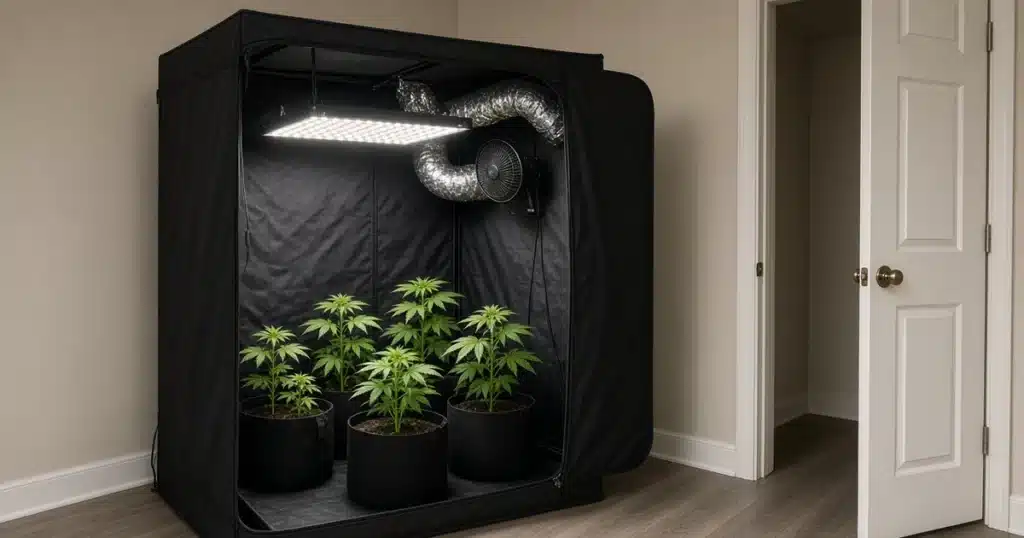
Quick answer: A cannabis grow room in a rental works best when nothing is permanent. Use a freestanding enclosure, plug everything into existing outlets through a power strip with built in overcurrent protection, move warm, damp air out, protect the floor and keep noise down. When you move, it should all come apart and leave the space as you found it. Check your state and local rules before you start.
Why a Reversible Setup Suits a Rental
In a rented home you usually cannot rewire outlets, cut vents or change the flooring. That shapes just about everything about the grow room. The goal is a setup that stands on its own, uses the power and air that are already there, and comes apart without a trace.
A reversible setup also makes life a lot easier. You can move it to another room, pack it into a car on moving day and set it up again in your next place.
A very small space can still work if you keep the setup simple.
Choosing a Setup That Comes Apart
Most renters choose one of three freestanding options.
- A closet or corner enclosure. A ready made fabric and frame enclosure stands on its own and holds light, air and moisture inside. Our guide to setting up a cannabis grow tent covers sizing and assembly.
- A grow cart or shelf unit. A wheeled shelf with plug in lights can roll out of the way. It suits small plants and seedlings.
- A small pop up greenhouse. A plastic covered frame with shelves can work in a spare room. Plastic enclosures trap humidity, so plan for airflow.
Pick a spot near an outlet, away from busy walkways, on a hard floor if you have one, and away from walls you share with neighbors.
How to Set Up a Cannabis Grow Room in a Rental
- Pick the space. Choose a closet, corner or spare room with an outlet nearby and room to work around the setup. Measure the floor and the ceiling height before you buy anything.
- Plan your power. Plug lights and fans into a power strip with circuit breakers or a breaker power switch. Mississippi State University Extension notes these have built in overcurrent protection and may be used for long term installation, while extension cords are meant for temporary power. Do not add outlets or change wiring yourself. Anything beyond plugging in should be done by a licensed electrician.
- Plan the light schedule. Put lights on a plug in timer so they switch on and off on their own. Iowa State University Extension, writing about indoor plants in general, advises making sure other lights in the area are not “polluting” the dark period. Keep room lamps and hallway light out of the enclosure at night.
- Move air and heat out. Lights warm the space and plants add moisture. UGA Extension explains that ventilation removes warm, moist air and replaces it with drier air, and that high humidity causes condensation on cool surfaces. Run an exhaust fan and give fresh air a way in. Our guide to inline fan CFM for a grow tent helps you size the fan.
- Control odor. A carbon filter on the exhaust fan is the common fix, and our guide on how to prevent weed odor covers the options.
- Protect the floor. Set the enclosure on a waterproof tray or a heavy plastic sheet, put saucers under every pot and keep a towel nearby.
- Keep noise down. Fans and pumps hum, and the sound travels through shared walls and floors. Put fans on soft mounts, keep them off walls and use the lowest speed that holds your temperature.
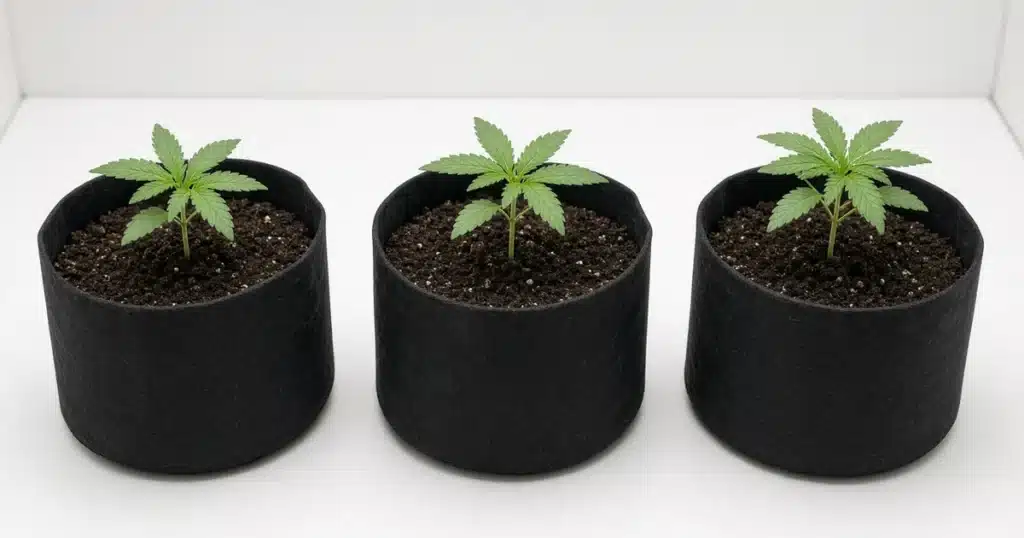
- Start your plants. Once power, air and floor protection are in place, add your plants. Our cannabis seeds page is the place to start choosing them.
Power Safety for Renters
Power is the part renters most often get wrong. Mississippi State University Extension explains that “The most frequent causes of these fires are short circuits in the cord, overloading, damage, or misuse.” It also says to avoid using extension cords for high draw devices such as air conditioners and similar appliances.
If you must use an extension cord, choose the right one. MSU notes that “A lower AWG number indicates a thicker wire and a higher capacity.” Do not run cords under carpets or rugs, through doorways or anywhere they can be pinched. Unplug cords when not in use, because extension cords that stay in use can wear and heat up over time.
Move Out Checklist
When it is time to leave, take the setup down in this order.
- Turn off and unplug every light, fan and timer.
- Empty pots and trays outside the room so nothing spills on the floor.
- Take down the enclosure, fans and ducting and pack small parts in labeled bags.
- Remove any hooks or hangers you added and patch small holes if your setup used any.
- Wipe walls and the floor where the setup stood and check for water marks.
- Air out the room with windows open for a few days if you can.
Troubleshooting
The breaker trips. Too much is plugged into one circuit. Unplug something, then spread the load. If it keeps happening, stop and ask a licensed electrician to check it.
The room gets too hot. Lights add heat. Raise the exhaust fan speed, run the lights during the cooler part of the day and keep the door to the room open for fresh air.
Condensation forms on walls or windows. The air is too humid. UGA Extension notes that high humidity causes condensation on cool surfaces. Increase exhaust and air movement and empty any standing water.
Air leaks in or out where you do not want it. UGA notes that vents and shutters that do not close tightly let a lot of air in and out. Check the zips, ports and duct joints on your enclosure and seal any gaps.
Water ends up on the floor. A saucer overflowed or a pot leaked. Dry the floor right away, add a bigger tray and water more slowly.
Neighbors can hear the fans. Move fans off shared walls, add soft mounts and lower the speed at night.
Frequently Asked Questions
Can you set up a grow room without changing a rental?
Yes. Use a freestanding enclosure, shelf unit or small greenhouse that plugs into existing outlets and sits on a waterproof tray. Nothing needs to be drilled, wired or cut, and the whole setup can be packed away when you move.
How do you plan power safely for a rented grow room?
Plug lights and fans into a power strip with circuit breakers or a breaker power switch, which Mississippi State University Extension says has built in overcurrent protection. Keep high draw devices off extension cords and spread the load across circuits. Any wiring change should be done by a licensed electrician.
Is it safe to run grow lights on an extension cord?
Extension cords are meant for temporary use. Mississippi State University Extension lists short circuits, overloading, damage and misuse as the most frequent causes of cord fires. For a lasting setup, use a power strip with circuit breakers. If you use a cord, pick a lower AWG number for a thicker wire and never run it under a rug.
How do you keep a rented grow room from getting too hot?
Move warm air out with an exhaust fan and give fresh air a way in. UGA Extension explains that ventilation removes warm, moist air and replaces it with drier air. Running lights during the cooler part of the day also helps.
How do you protect the floor in a rented grow room?
Put the whole setup on a waterproof tray or heavy plastic sheet, use saucers under every pot and water slowly. Keep a towel nearby for spills and check under the setup each week for moisture.
Sources
- Mississippi State University Extension, Extension Cords (PDF newsletter, November 2019): https://extension.msstate.edu/sites/default/files/newsletter/Extension%20Cords%20-%20Nov%202019.pdf
- Iowa State University Extension, How to Set Up Supplemental Lights for Indoor Plants: https://yardandgarden.extension.iastate.edu/how-to/growing-indoor-plants-under-supplemental-lights/how-set-supplemental-lights-indoor-plants
- UGA Extension, Bulletin 792, Greenhouses: Heating, Ventilation, and Cooling: https://fieldreport.caes.uga.edu/publications/B792/greenhouses-heating-ventilation-and-cooling/