How to grow the Durban Poison cannabis strain from seed
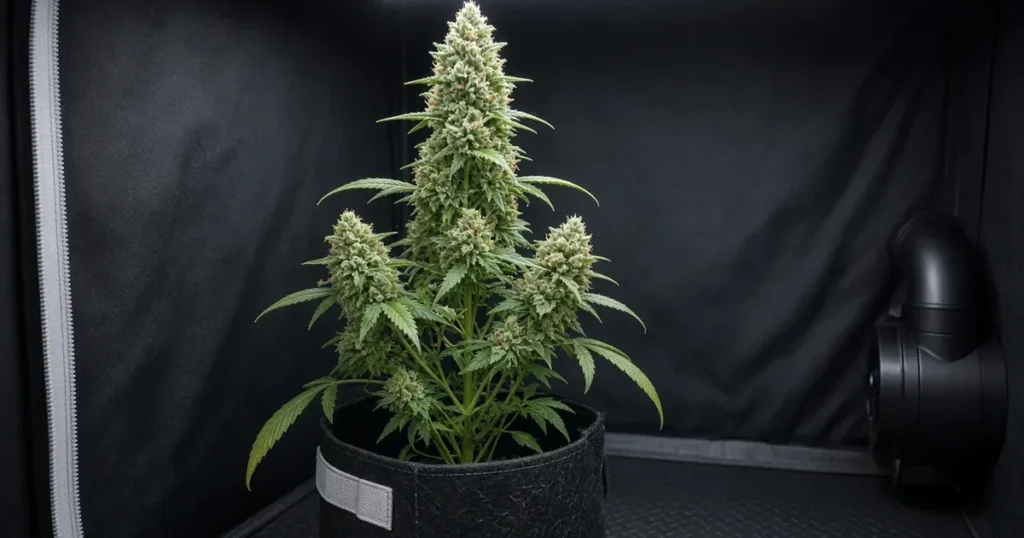
Durban Poison is a tall, slender sativa, so the main job is keeping its height in check while it builds long, resinous colas. Here is the plan at a glance: start a viable seed in the container it will live in, supply generous light, guide the stretch with soft training, use a light hand with feed, and take it down when most trichomes read cloudy. Durban Poison Auto begins blooming once it is old enough, which lets you leave the light timer alone. For adults 21 and older where homegrow is legal, this guide moves step by step from a sprouted seed to buds ready for storage.
Meet Durban Poison
Durban Poison is a landrace sativa from South Africa, named after the port city of Durban. It was brought to wider attention in the 1970s and became one of the best known pure sativa lines in the world. Its stability and sweet anise aroma made it a favorite of breeders and a parent of many newer strains.
Kind Seed Co took that sweet, anise scented landrace and paired it with ruderalis for Durban Poison Auto. Instead of reacting to shorter days, this version flowers once it has grown for long enough. That keeps it lower than a photoperiod Durban and shaves time off the full cycle.
For exact specs such as expected flowering time and height, check the Durban Poison Auto product page.
What to expect from Durban Poison in the garden
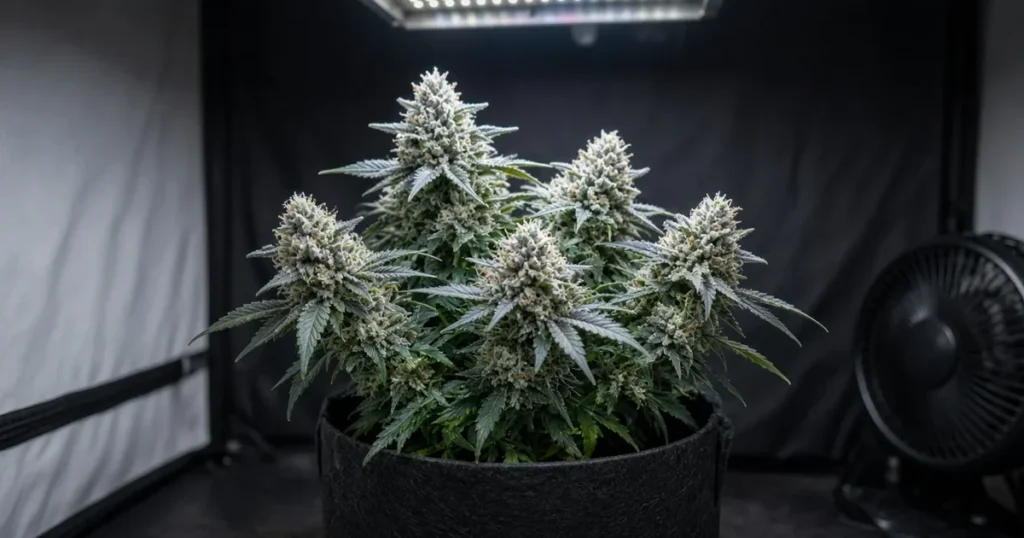
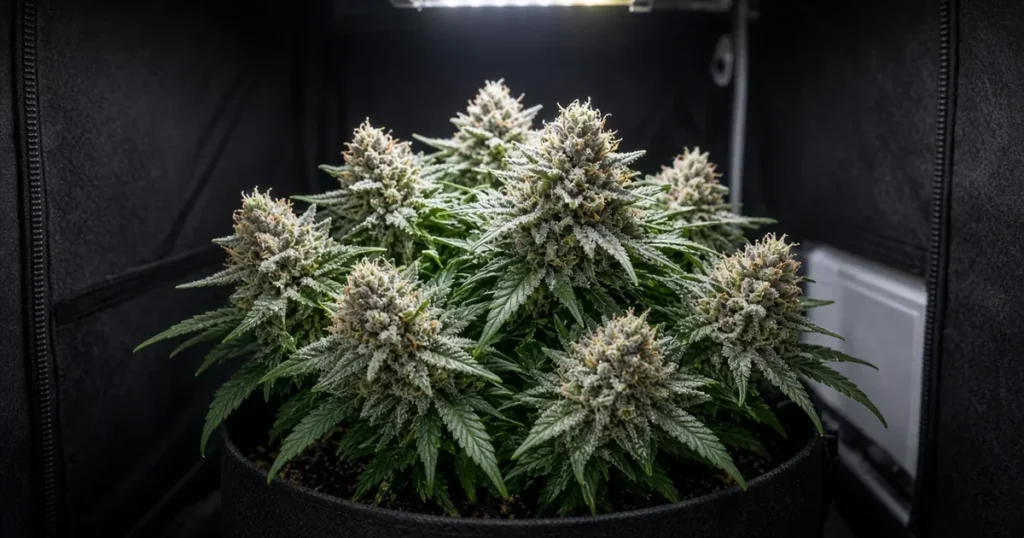
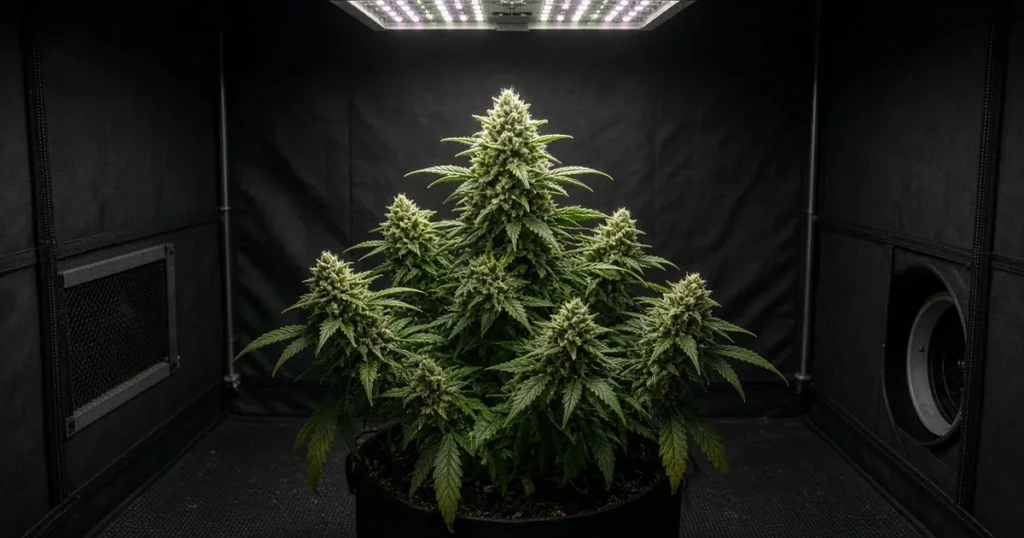
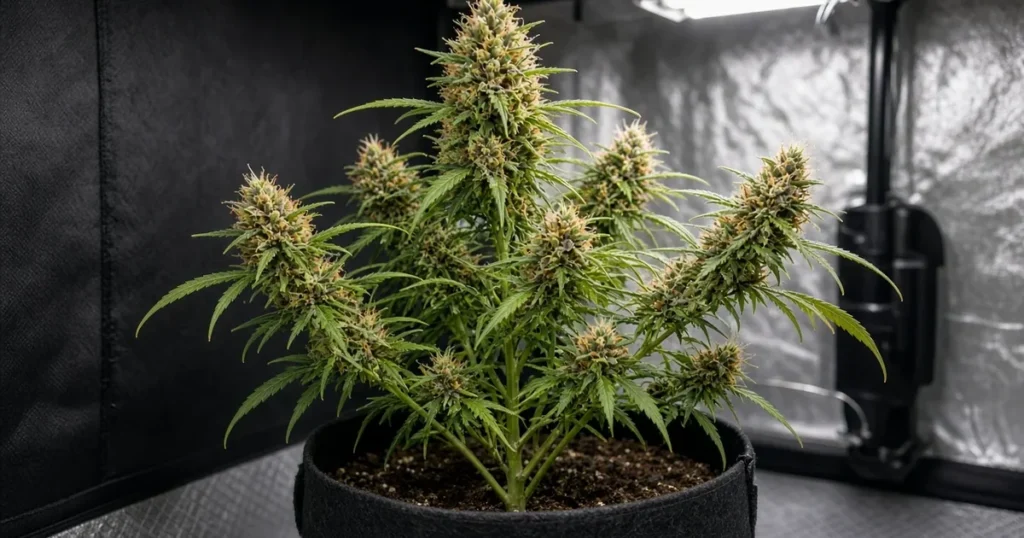
Durban Poison tends to grow tall and slender with narrow leaves and a strong main stem. As an autoflower, it stays more compact than the landrace, but still shows a sativa shape. Buds are long and resinous rather than chunky.
In short, look for long, resinous colas on a tall, slender plant and an aroma that leans sweet anise and licorice with earthy pine. Every plant is a little different, and your setup, light and care will shape the final result as much as genetics.
Before you start
Durban Poison comes from a landrace sativa line, and even the auto shows that heritage: a tall, slender build, narrow leaves and long gaps between nodes. Before you plant, decide whether you want the auto for a simple tent run, the Fast feminized for a shorter plant that still lets you control veg, or the standard feminized for a bigger project. Plan for strong, even light across the canopy, since a thin sativa frame stretches toward weak spots. Grow only where home cultivation is legal under your state’s law, stay within your plant limit and be 21 or older. Federal treatment of cannabis seeds is also changing, so read our December 11 2026 seed rule explainer.
Germination, seedlings and curing basics
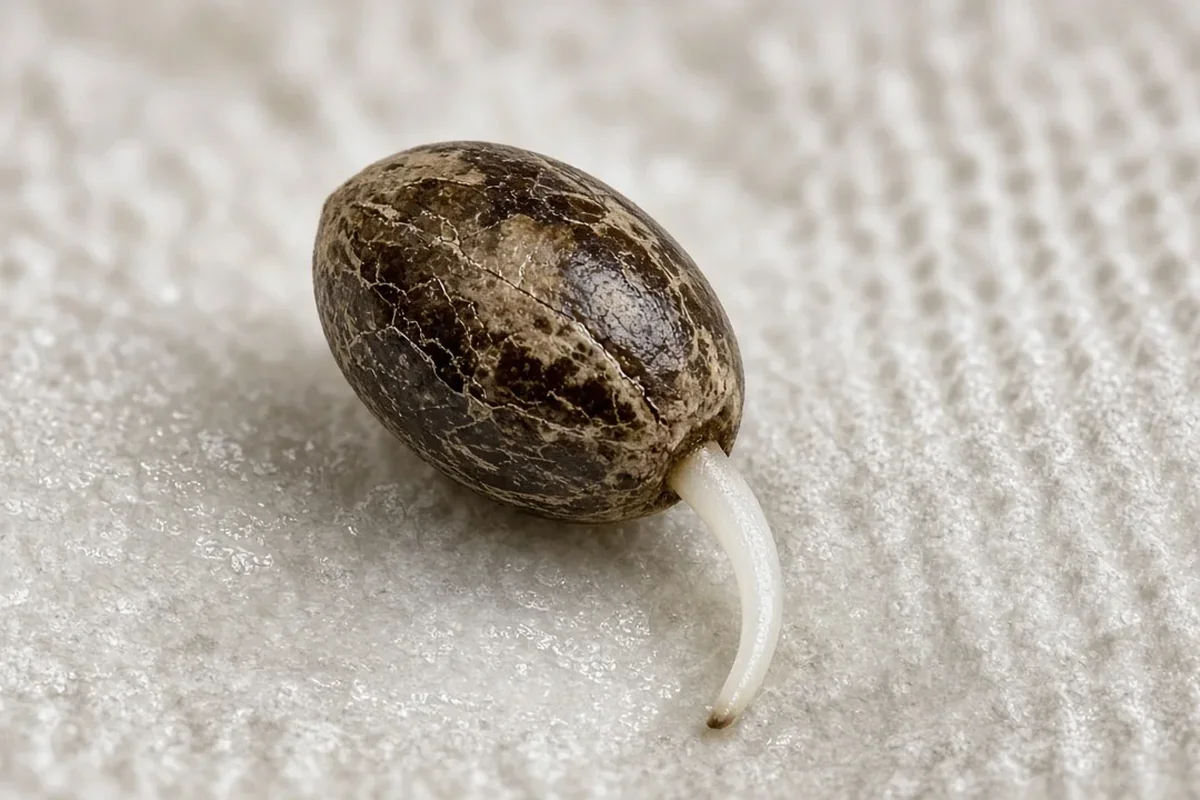
Durban Poison starts and finishes like any other seed, so we cover those stages in our standalone guides. Learn how to germinate cannabis seeds, read Autoflower Seeds 101 for pot choice and light schedules on autos, and use our top 10 tips for curing and storing cannabis flowers once the harvest is hanging. The steps below focus on handling Durban Poison’s tall landrace shape.
Step 1: Spread the canopy in veg
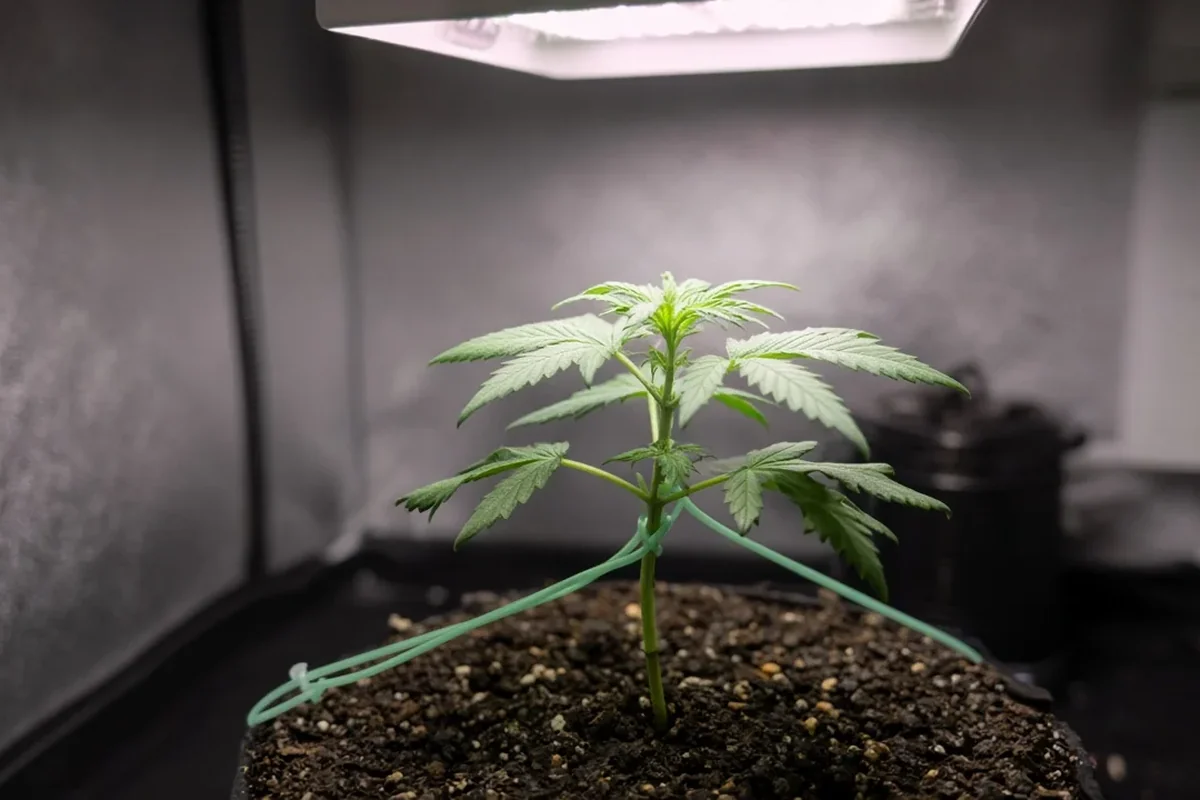
With long internodes and a strong main stem, Durban Poison wants to grow as a single tall pole. Break that habit early. On the auto, begin tying the main stem over once a few nodes have formed, and keep pulling side branches outward so the light reaches more sites. On the feminized photoperiods you have time to top once or twice before training. Narrow leaves let plenty of light through, so you rarely need to defoliate much in veg.
Step 2: Feed the tops and clean the bottom in flower
When flowering starts, move to a bloom feed and keep your light strong and even, since sativas fill out best under good coverage. Before the plant gets deep into flower, clear the small, shaded growth from the lower third. Those sites usually make wispy buds and pull energy away from the long, resinous colas higher up. Add soft ties or a net if the slender stems begin to lean.
Step 3: Check the top and the bottom before you cut
Durban Poison often ripens unevenly, with the tops ahead of the lower buds. Use the listed flowering time as a starting point, then compare trichomes high and low on the plant. The harvest cues section below explains what to look for.
Growing Durban Poison as a photoperiod
Kind Seed Co’s Durban Poison Feminized and Fast Feminized are both photoperiods, so you set the flower date by moving to 12 on and 12 off. The standard feminized carries more of the classic tall frame and suits growers with a tall tent or an outdoor plot. The Fast version is bred to finish sooner after the flip and lists a short plant height, which makes it the easier photoperiod for a home tent. Either way, keep the dark period sealed and flip before the plant crowds your light.
Growing Durban Poison Auto outdoors
This line comes from the warm, sunny Durban region, and it shows: Durban Poison likes heat, full sun and steady air movement. The auto is the low risk outdoor choice because it finishes on its own clock, so you can plant after the last frost and harvest in summer. Give it the sunniest legal spot you have, stake the thin main stem against wind, and keep plants out of public view as your state requires. If you want a big outdoor plant instead, the feminized photoperiod lists far higher outdoor yields than the auto.
A simple Durban Poison shopping list
- Durban Poison seeds in the auto, feminized or Fast version, within your legal plant limit
- A tall tent, or a sunny legal outdoor spot
- A strong full spectrum LED that covers the whole canopy evenly
- Garden stakes or soft ties for a thin main stem
- A SCROG net to spread the tall frame
- Clean pruning snips for clearing the lower third
- A jeweler’s loupe for checking buds at the top and bottom
Common Durban Poison growing mistakes
- Letting the main stem run straight up in veg and ending with one tall cola.
- Underpowering the light, which makes a slender sativa stretch even further.
- Leaving shaded lower growth on the plant, where it only makes airy buds.
- Choosing the standard feminized for a short tent when the Fast or auto fits better.
- Judging ripeness from the top cola alone, since lower buds often lag behind.
Frequently asked questions
Where does Durban Poison come from?
It is a landrace sativa from the Durban area of South Africa.
Is Durban Poison a pure sativa?
The landrace is a sativa. Our Durban Poison Auto adds ruderalis genetics so it flowers on its own schedule.
How long does Durban Poison Auto take from seed to harvest?
The product page lists 6 to 8 weeks of flowering for the auto. Add the time it spends in veg, then confirm ripeness with trichomes at the top and bottom of the plant.
What light schedule is best for Durban Poison Auto?
Run the auto on a long day the whole way, such as 18/6 or 20/4. Strong, even coverage matters more for this tall, thin plant than which of the two schedules you choose.
Can I grow Durban Poison in a small tent?
Yes, if you pick the right version. The auto and the Fast feminized are the best fits for a 2×2 or 2×4, while the standard feminized is better in a tall tent or outdoors.
Kind Seed Co Durban Poison seeds: which version to grow
Kind Seed Co carries Durban Poison in 3 versions. Here is what each product page lists, so you can match the seed to your space and schedule.
Durban Poison Feminized Seeds: 8 to 10 weeks of flowering, about 350 to 450g per square meter indoors and 600g per plant outdoors. Feminized photoperiod seeds give you female plants and full control over veg length before you flip to 12/12.
Durban Poison Autoflower Seeds: 6 to 8 weeks of flowering, about 300g per square meter indoors and 50 to 100g per plant outdoors. Autoflower seeds flower on their own by age, so plant straight into the final pot and run 18/6 or 20/4 the whole way.
Durban Poison Fast Feminized Seeds: 8 to 10 weeks of flowering, about 450 to 650g per square meter indoors and 700 to 900g per plant outdoors. Fast versions are photoperiods bred to finish sooner after the flip, and the product page lists a short plant height.
Yields are the breeder’s ranges for good conditions. Your light, pot size and environment decide what you actually get.
Environment targets for Durban Poison
Durban Poison is a landrace sativa from the warm, sunny Durban region of South Africa, so it enjoys bright light and a warm, well ventilated room. Lights on temperatures in the upper 70s F are fine, as long as fresh air moves through the canopy. It grows tall and slender with long internodes, so top early and use low stress training or a SCROG net to keep it under the light. Its long, resinous colas are less dense than Kush types, which helps against mold, but clear the shaded bottom third so energy goes to the top. Keep the dark period sealed tight on photoperiods.
Common Durban Poison problems and fixes
Height. Durban Poison grows tall and slender. Top early and use low stress training or a SCROG to keep it under the light.
Airy lower buds. Clear small shaded growth from the bottom third of the plant before flower.
Light leaks. Photoperiod plants need an uninterrupted dark period. Seal the tent and check it with the lights off.
Harvest cues for Durban Poison
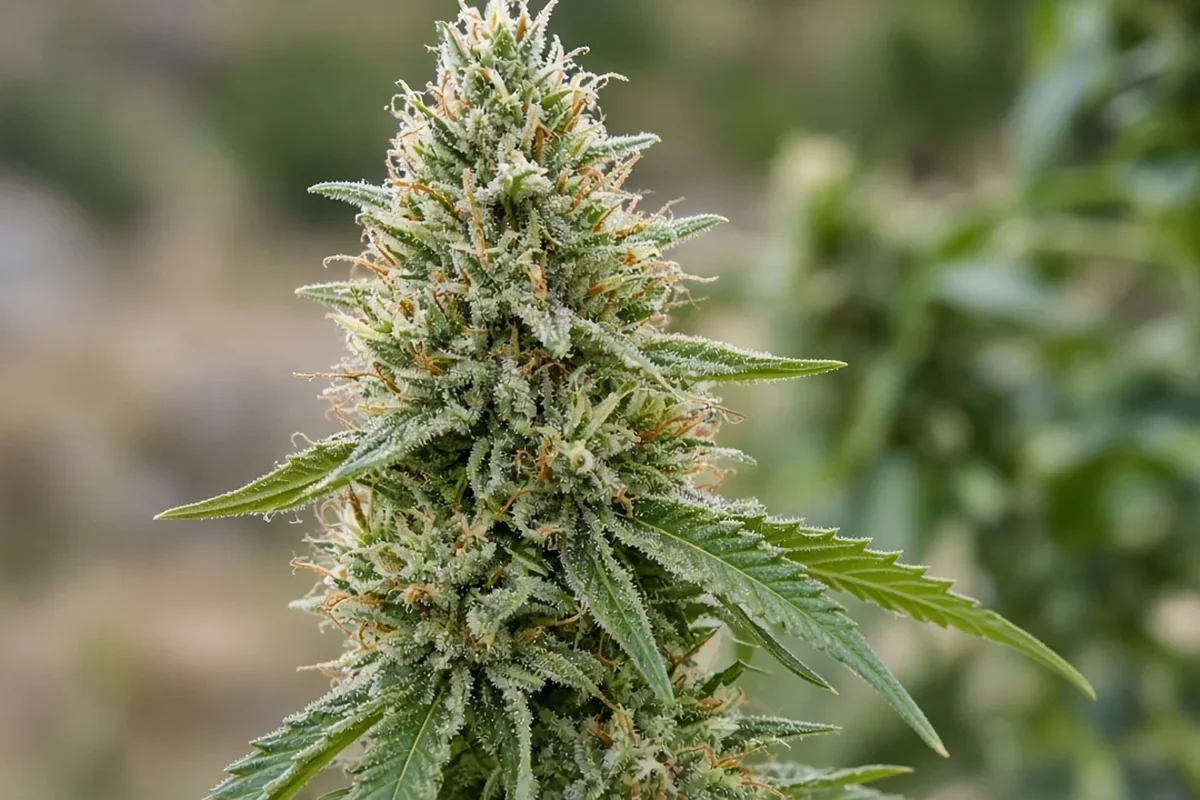
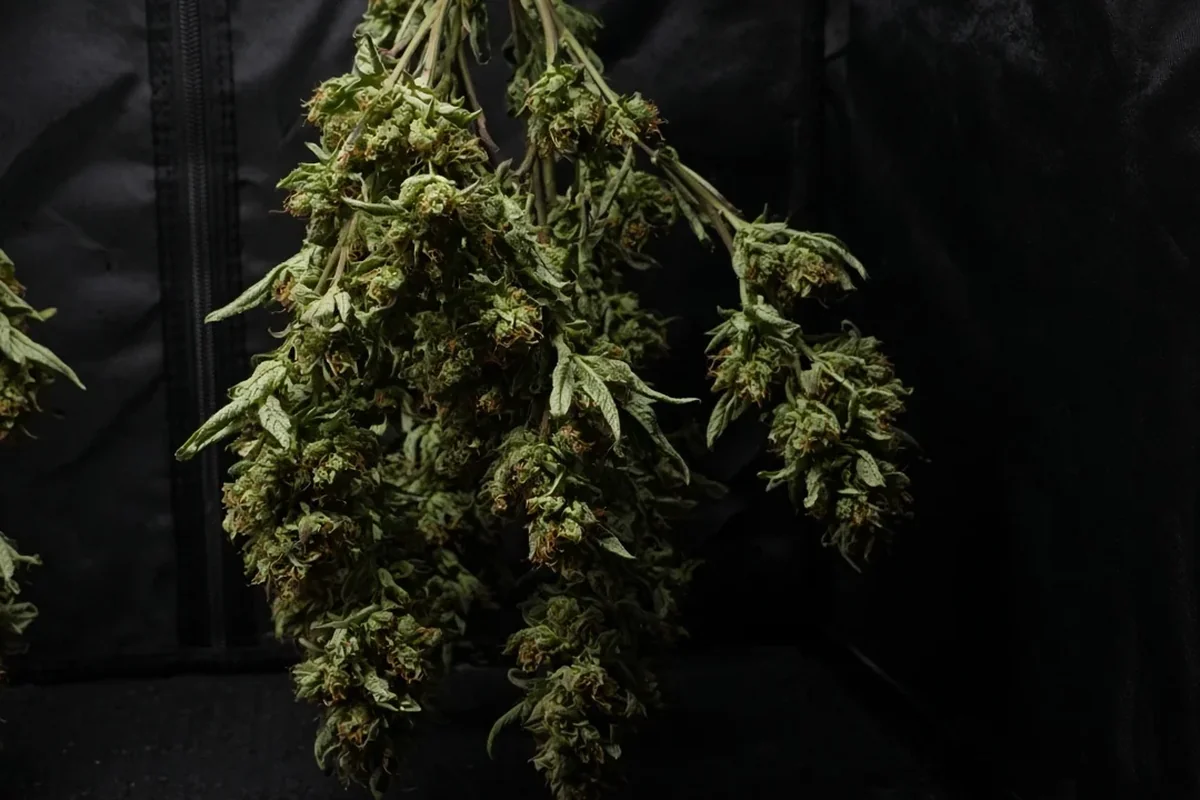
Durban Poison finishes with long, resin coated colas rather than chunky nugs. The pistils darken from white to orange and pull in along the length of each cola, and the calyxes swell and start to look sticky and bright. Its sweet, anise like aroma gets stronger near the end. Under a loupe, many growers take Durban Poison when most trichome heads are cloudy with very little amber. Check the tips of the colas and buds lower down, since sativas often ripen unevenly from top to bottom.
Start your Durban Poison grow
A tall, slim frame, long sticky colas, and a sweet anise smell set Durban Poison apart from the pack. Add Durban Poison seeds from Kind Seed Co to your cart for the next season, browse our outdoor seeds collection for sun loving alternatives, or check out the full Kind Seed Co shop. Just getting started? Read our ultimate beginner’s guide to growing cannabis. Seeds are sold to adults 21 and older only.